
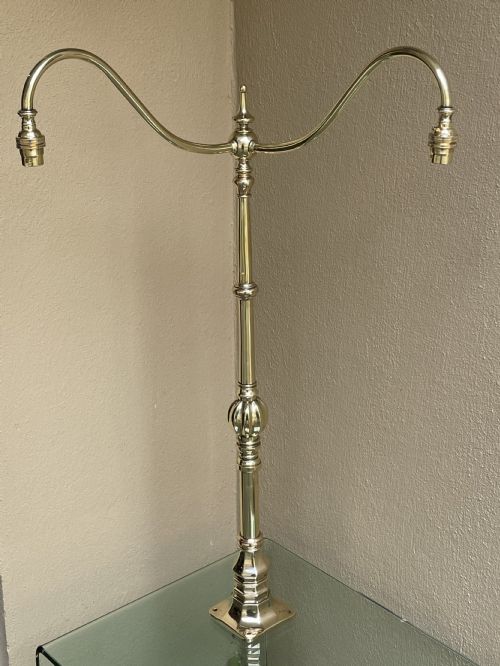


Traditional Baluster Table Lamp
A traditional baluster table lamp brings upright form and period character to a room, offering warm light through brass, bronze, or crystal.
Traditional Baluster Table Lamp
A traditional baluster table lamp takes its name from the distinctive architectural column shape, tapering with a swelling lower portion. When you search for a traditional baluster table lamp, you encounter pieces that translate this classic silhouette into lighting across various eras.
The selections span from the 18th century through the Edwardian period and the 1920s, reflecting diverse regional interpretations. Alongside standard table lamps, the inventory incorporates converted forms such as vases and newel post lamps.
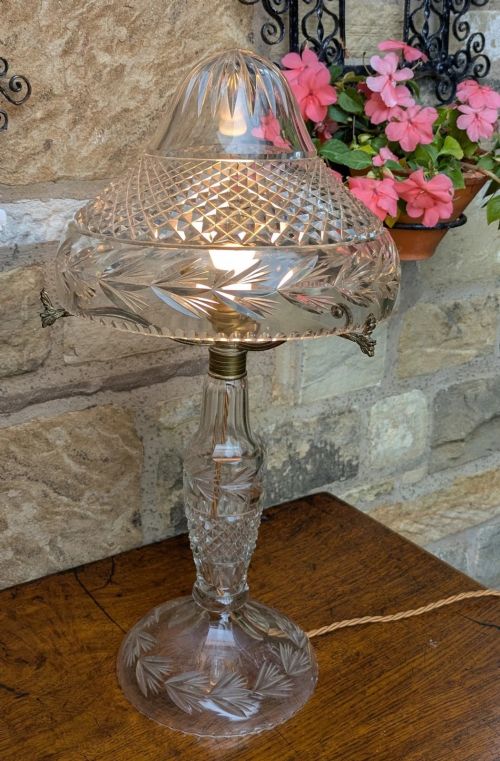
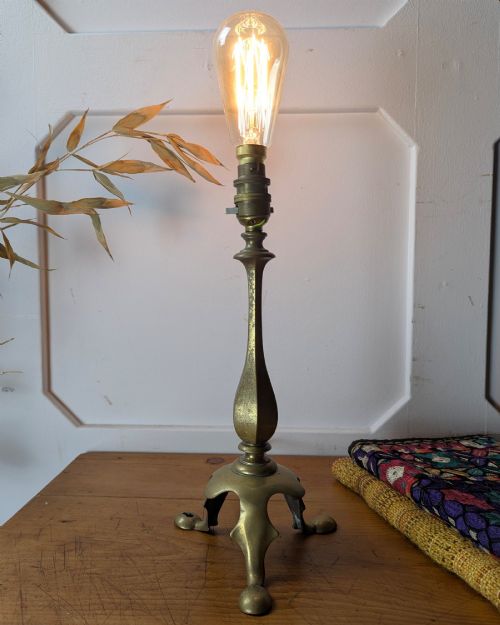
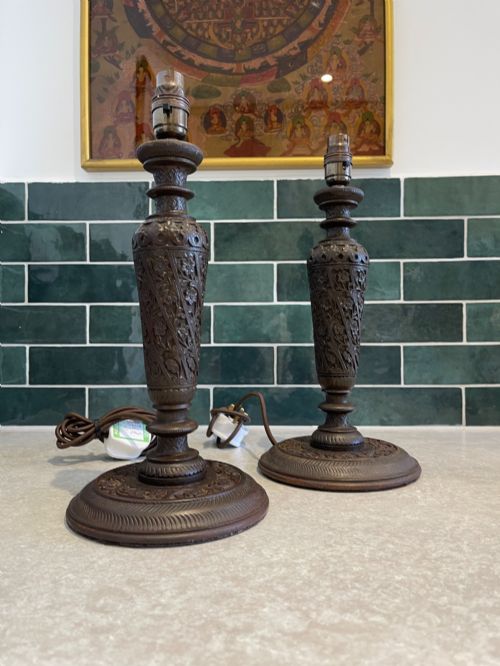
Materials range from polished brass and bronze to cut crystal, walnut, and tin-glazed earthenware. Styles draw upon Georgian, Victorian, and Chinoiserie traditions, creating distinct decorative profiles for domestic interiors.
How they were made
Constructed primarily from cast metals like brass and bronze, these lamps utilise durable foundations shaped into balanced columns. Artisans also turned dense timbers such as walnut or shaped tin-glazed earthenware to achieve the characteristic baluster silhouette.
Detailing often involves hand-cut crystal facets or painted Chinoiserie ornamentation applied to ceramic bodies. Metal elements demonstrate period casting and plating techniques, resulting in robust structures designed to support electrical components.
Listings feature periods spanning from the 18th century through the Edwardian era and the 1920s.
What varies in quality
The distinction between standard and superior pieces rests on the crispness of the casting or the precision of the timber turning. Heavier gauge metals and deeply cut crystal facets indicate greater attention to material integrity during manufacture.
Surface finish and decorative execution also divide the range, from simple polished metal to intricate painted Chinoiserie motifs or finely glazed earthenware. The cohesion between the original vessel form and its adaptation into a lamp determines the visual balance of the piece.
The Traditional Baluster Table Lamp Glossary
- Baluster
- An architectural term describing a moulded shaft or pillar with a swelling lower part, which defines the central column of these lamps. This classic silhouette provides structural stability and visual rhythm.
- Newel post lamp
- A light fixture originally designed to sit atop the main post at the foot of a staircase. These pieces offer substantial proportions and decorative presence when used on household tables.
- Tin-glazed earthenware
- Pottery covered with a white tin-opacified glaze, providing a smooth surface for painted decoration. This technique appears on ceramic bodies adapted into lamp bases.
Traditional Baluster Table Lamp: Frequently Asked Questions
How do I date a brass lamp?
Dating relies on manufacturing techniques, weight, surface finish, and stylistic markers associated with periods like the Victorian era or the 1920s.
Examining the construction methods of the base and any accompanying wiring hardware offers further clues regarding age.
Where should I place a newel post lamp?
Originally intended for staircases, larger newel post lamps function well on sturdy side tables or pedestals where their height can be appreciated.
Their substantial proportions require a surface with sufficient depth and visual weight to anchor the piece.
Can converted vase lamps be used safely?
Converted vase lamps utilise historic vessels fitted for modern electrical components, allowing decorative ceramics to serve a functional purpose.
Professional rewiring ensures the internal fittings meet current safety standards while preserving the exterior character of the piece.