





Traditional Asian Occasional Table
Traditional asian occasional table pieces bring tactile warmth to a room, offering low profiles and rich timber grain that suit daily placement.
Traditional Asian Occasional Table
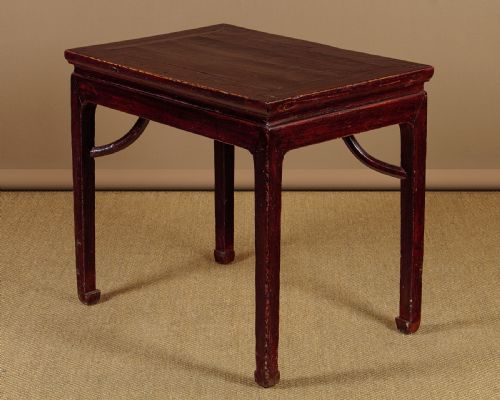
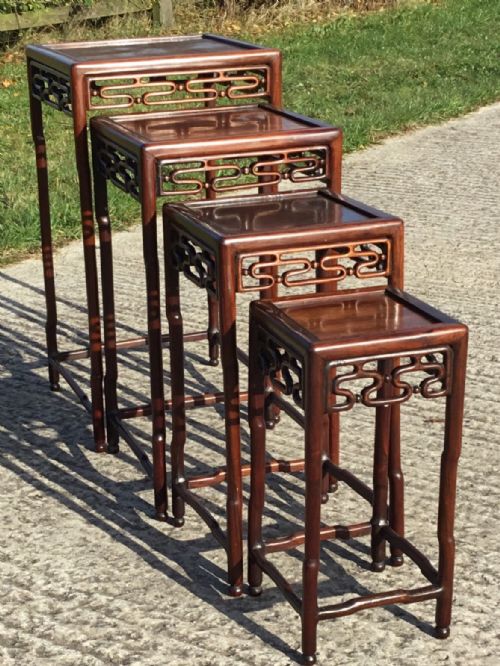
A traditional asian occasional table spans low tea tables, nests of tables, and side tables shaped by Chinese provincial, Qing dynasty, and Japanese Meiji traditions. Buyers searching for a traditional asian occasional table encounter forms intended for kneeling, lamp placement, or layered grouping.
The materials recorded across these items rely heavily on elm, rosewood, huanghuali wood, and lacquer, alongside brass fittings and inset wood panels. Examples range from side tables dated to eighteen-sixty through to twentieth-century nests.
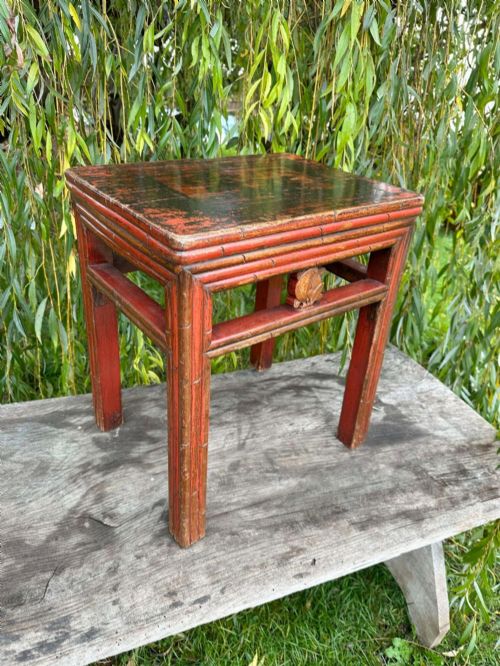
Proportions remain compact, designed to sit beside seating or function as low coffee tables. The selection draws on 18th-century red lacquer low pieces as well as Victorian-era interpretations.
How they were made
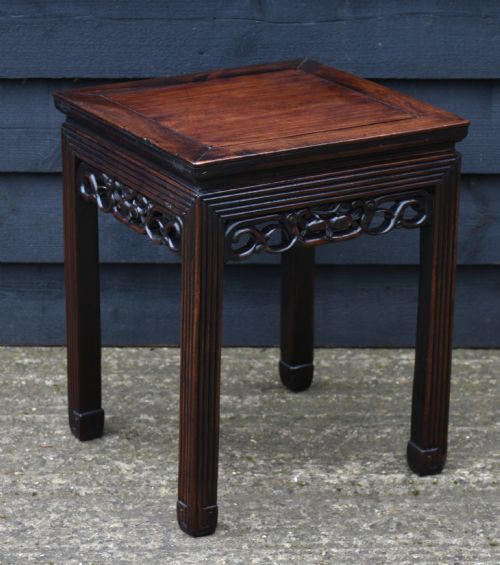
Joinery relies on traditional timber framing using dense hardwoods like huanghuali and rosewood, alongside domestic elm and general oriental hardwoods. These timbers support the low, stable architecture required for functional tea and lamp placement.
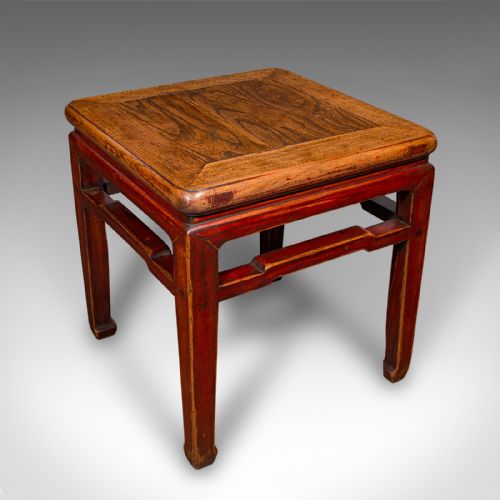
Surface finishes involve layered red lacquer applied to wood bases, alongside natural grain polishing that highlights the inherent figure of the timber. Inset wood panels and occasional brass hardware complete the structural detailing.
Traditional Asian Occasional Table Retail Price Guide 2026
Typical asking prices for traditional asian occasional table among the pieces listed under this phrase on Sellingantiques today, from the lower quarter to the upper quarter. They describe what is for sale here now, not the wider market.
Japanese tea tables were originally built low enough for kneeling, yet they make remarkably agreeable footstools after a long walk.
What varies in quality
The standard of timber selection and grain definition dictates the visual weight of each piece, with exceptional colour and grain marking out superior examples. Gradations in quality stem from the depth of the lacquer finish and the crispness of the joinery.
The integrity of inset panels and the preservation of original surface distress influence the character of lacquer and wood pieces alike. Cohesion between the secondary structural timbers and the primary display surfaces distinguishes finer workshops.
The Traditional Asian Occasional Table Glossary
- Huanghuali wood
- A fragrant tropical hardwood prized for its rich grain patterns and density in classical Chinese furniture construction. It patinates deeply with age and handling.
- Chabudai table
- A traditional low dining or tea table used while kneeling on tatami mats in Japanese interiors. These typically feature simple wooden construction.
- Qing dynasty
- The final imperial dynasty of China, spanning from sixteen-forty-four to nineteen-or-twelve. Furniture from this era displays varied regional styles and sophisticated carving.
- Meiji period
- An era of Japanese history lasting from eighteen-sixty-eight to nineteen-or-twelve. It marks a period of opening trade and distinct craft evolution.
- Quartetto
- A matched set of four nesting tables designed to stack beneath one another when not in use. They became particularly popular in British and Anglo-Oriental cabinet making.
Traditional Asian Occasional Table: Frequently Asked Questions
What is a chabudai table?
A chabudai table is a traditional low Japanese table designed for use while kneeling on the floor, primarily for serving tea or meals. These pieces sit close to floor level and reflect domestic Meiji-period customs.
Their compact height and straightforward wooden frames allow them to function easily as small accent surfaces in contemporary spaces. They bring an understated, low-profile silhouette to a room.
How do I use a nest of tables?
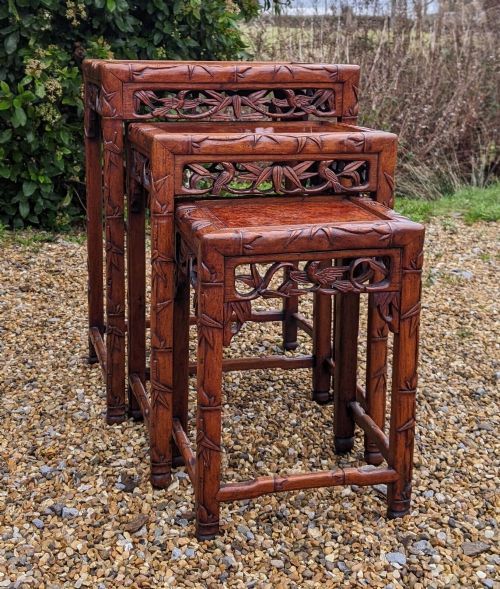
A nest of tables provides flexible surface space that expands or contracts depending on your immediate needs. Individual tables stack neatly within one another to save floor space when not in use.
In daily living, you can separate the tiers to hold drinks or books beside seating areas. This modular approach makes them practical for smaller rooms.
What wood types should I expect?
Listings feature dense timbers such as rosewood, elm, huanghuali wood, and general oriental hardwoods. Lacquered surfaces and inset wood panels also appear frequently across the selection.
Each timber brings a distinct weight and grain character to the furniture. Elm offers a pronounced linear grain, while rosewood and huanghuali display deeper, more variegated tones.
How do I date these tables?
Dating relies on stylistic markers, construction methods, and material wear associated with periods like the Qing dynasty or Victorian era. Structural cues and surface patination help indicate whether a piece dates to the eighteenth or nineteenth century.
Cabinet-making techniques evolved across these decades, shifting from strict provincial joinery to export-oriented designs. Examining the undersides and joints often reveals the age of the timber.