



Oriental Square Side Table
These oriental square side table pieces bring compact forms and dense timber grains into a room, offering both surface utility and distinct regional character.
Oriental Square Side Table
An oriental square side table encompasses a range of compact wooden forms designed for functional placement within a room, spanning side tables, low tables, and occasional pieces. Buyers seeking this search phrase encounter pieces originating from the nineteenth century through to the early twentieth century, reflecting diverse periods such as the Victorian era and the Qing Dynasty.
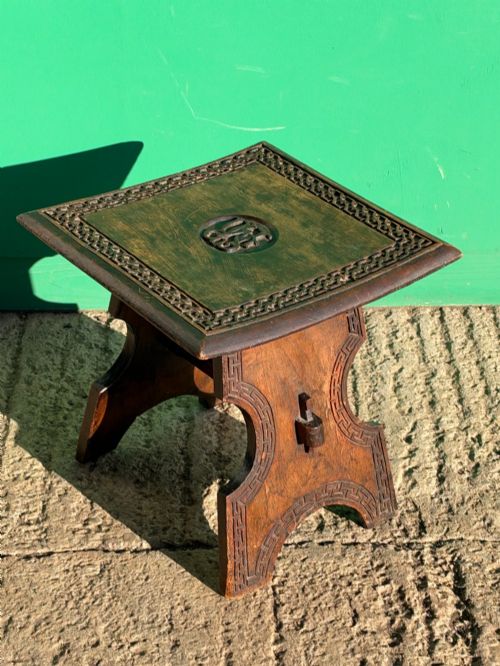
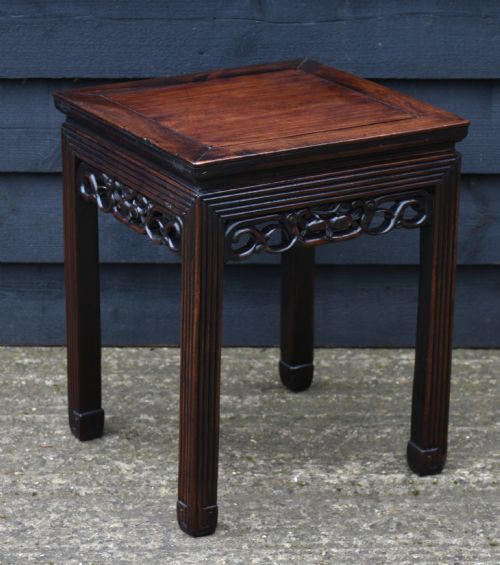
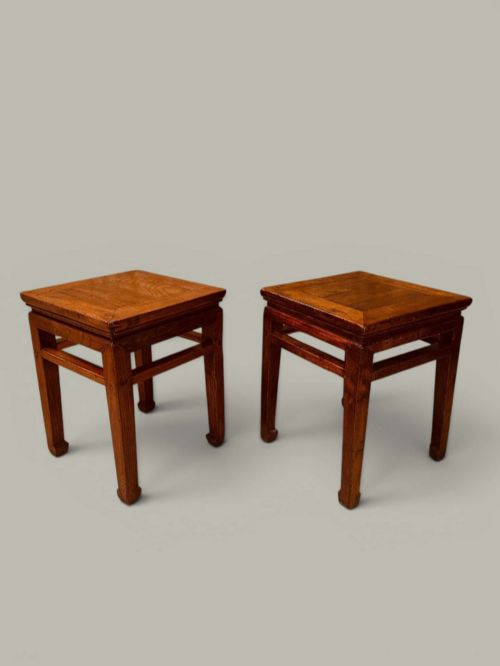
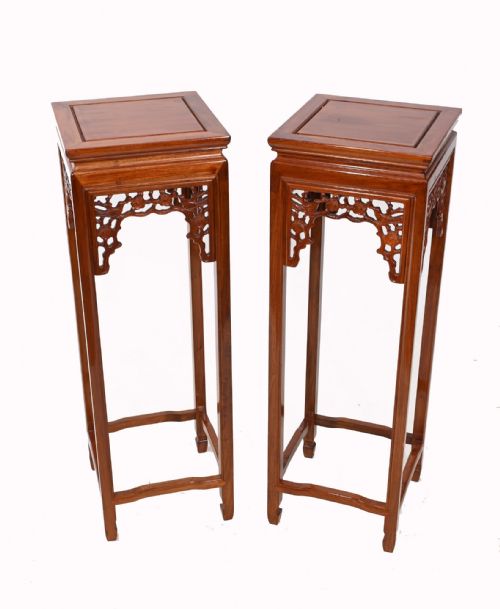
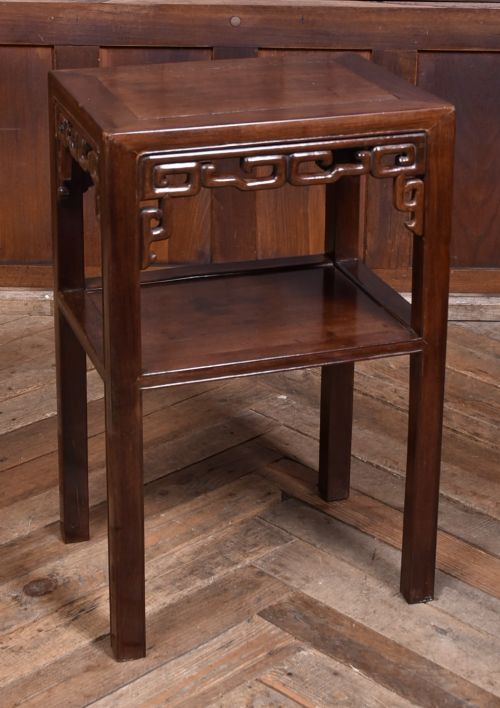
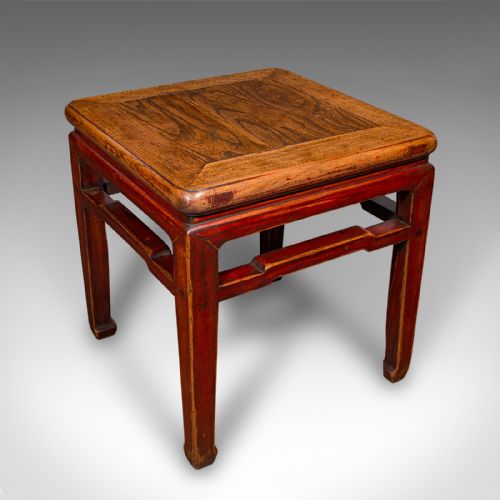
The selection includes specific regional expressions, notably Chinese provincial and Ming style designs alongside Japanese Meiji examples and Anglo Indian interpretations. Common formats range from low tables and plant stands to two-tier tables and vase stands, built in various structural dimensions suitable for domestic interiors.
How They Were Made
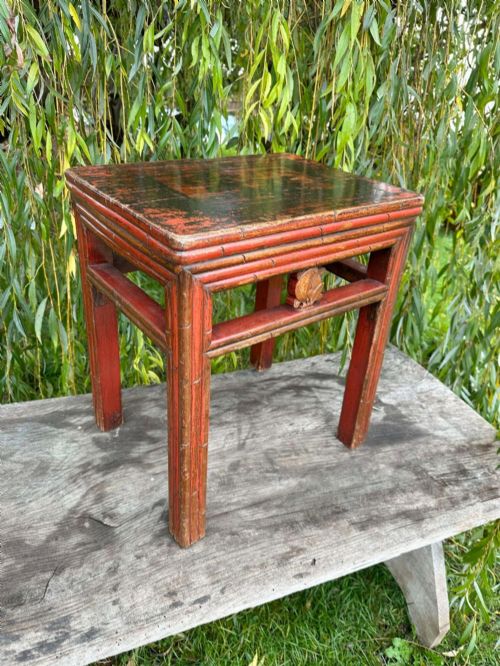
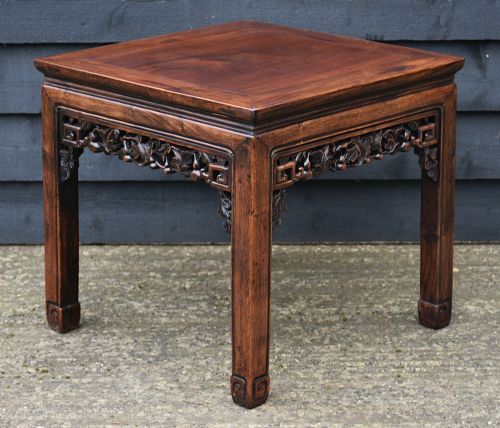
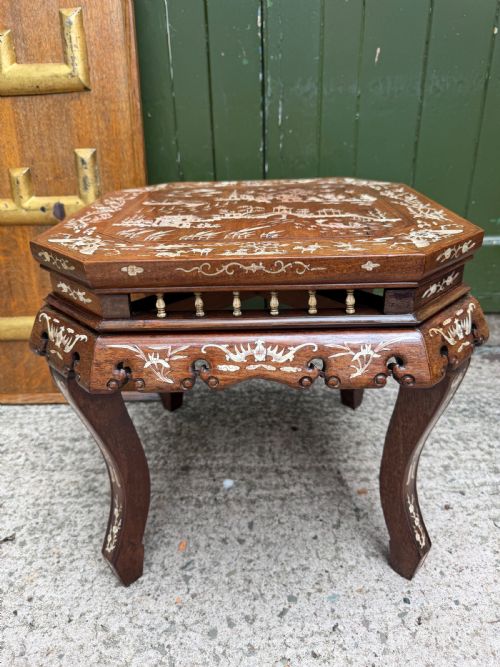
Construction relies heavily on dense timbers such as rosewood, elm, hardwood, teak, and hongmu, often shaped into sturdy frames without complex mechanical fixings. Surface decoration incorporates traditional techniques, including red lacquer finishes, intricate bone inlay, and deep relief carving.
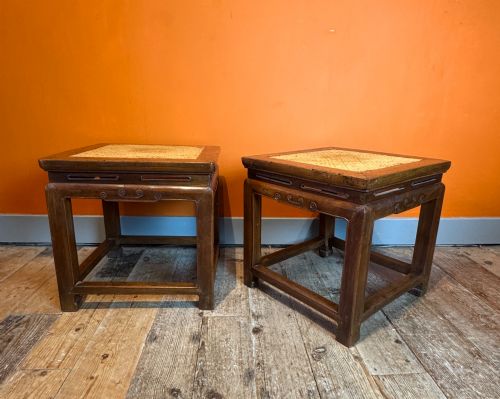
Certain examples integrate inset marble panels or cane work within the wooden framework, combining contrasting textures. Joinery methods reflect traditional cabinet-making practices suited to durable hardwoods and decorative plant stands.
Oriental Square Side Table Retail Price Guide 2026
Typical asking prices for oriental square side table among the pieces listed under this phrase on Sellingantiques today, from the lower quarter to the upper quarter. They describe what is for sale here now, not the wider market.
Styles represented include Qing Dynasty, Ming style, Arts and Crafts, and Japanese Meiji period examples.
What Varies in Quality
Quality differences emerge in the selection and preparation of the timber, where denser rosewood and hongmu command greater appreciation than softer or more plain varieties of wood. The precision of the joinery and the depth of the carving determine the structural integrity and aesthetic impact of each piece.
The sophistication of surface treatments, such as the execution of bone inlay work or the application of lacquer finishes, separates standard items from exceptional examples. Furthermore, matching pairs demonstrate a higher level of initial craftsmanship and subsequent preservation than isolated single tables.
The Oriental Square Side Table Glossary
- Hongmu
- A dense, dark tropical hardwood traditionally utilised in Chinese furniture making. It translates literally to red wood and provides exceptional weight and durability.
- Chabudai
- A short-legged traditional Japanese table used for partaking in meals or tea while kneeling on tatami mats. These tables often date to the Meiji period.
- Meiji
- The period of Japanese history spanning from eighteen sixty-eight to nineteen twelve. Pieces from this era frequently showcase refined carving and traditional joinery.
- Qing Dynasty
- The final imperial dynasty of China, lasting from sixteen forty-four to nineteen twelve. Furniture from this period is noted for both elaborate carving and minimalist scholar styles.
Oriental Square Side Table: Frequently Asked Questions
What is an oriental square side table?
An oriental square side table is a compact wooden furnishing originating from Asian traditions, used for display or utility in domestic spaces.
These pieces include low tables, plant stands, and occasional tables constructed from dense timbers like rosewood and elm.
How were these tables used originally?
They served various practical functions in historic interiors, supporting tea services, decorative vases, or lighting fixtures.
Low tables were designed for floor seating, whilst taller stands elevated plants and ornamental objects within a room.
How do I identify the wood type?
Examining the weight, grain pattern, and colour helps distinguish between timbers such as heavy rosewood, figured elm, and teak.
Many surfaces feature dark finishes or polished lacquer that require careful observation of the underlying grain structure.
How should I care for a lacquered table?
Lacquered surfaces benefit from gentle dusting with a dry, soft cloth and protection from direct sunlight and excessive moisture.
Avoiding harsh chemical polishes preserves the original finish and prevents damage to inlaid bone or delicate wood.