



Traditional Asian Furniture
Traditional asian furniture brings centuries of craftsmanship into modern rooms through solid hardwoods and striking lacquer finishes.
Traditional Asian Furniture
Traditional asian furniture encompasses practical and decorative pieces originating from China, Japan, Korea, Tibet, and Burma. Buyers seeking this category encounter seating, tables, storage chests, and cabinets spanning the eighteenth and nineteenth centuries.
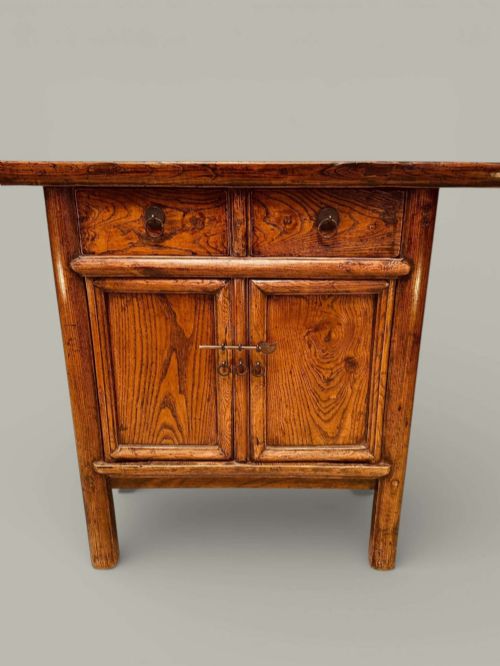
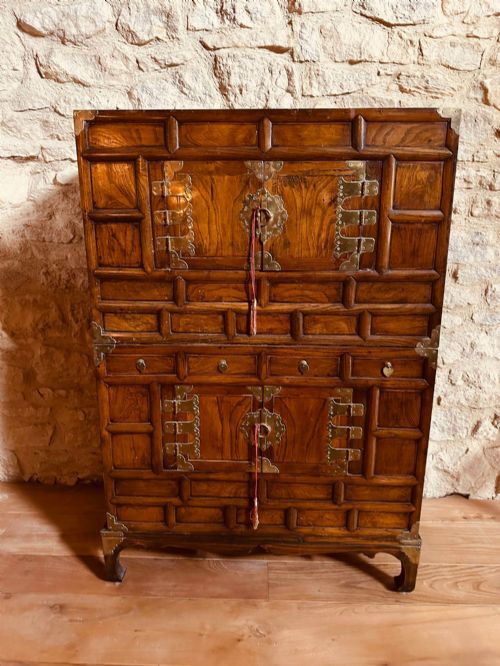
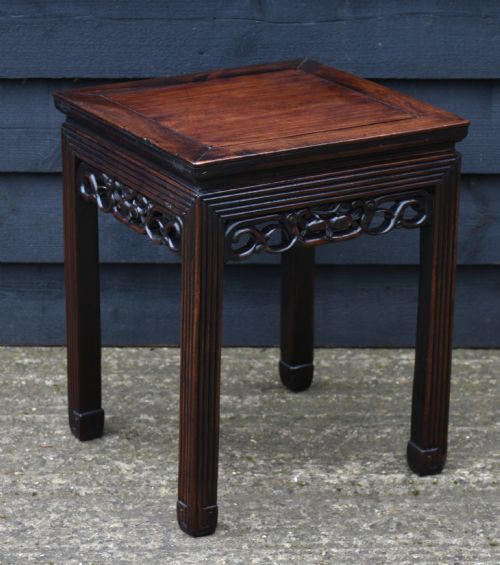
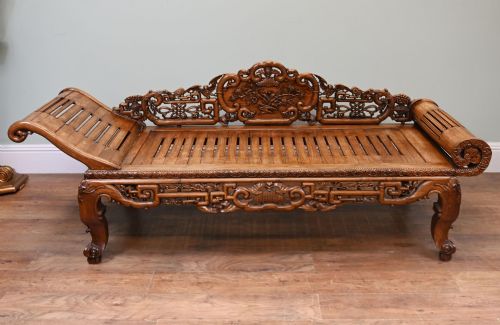
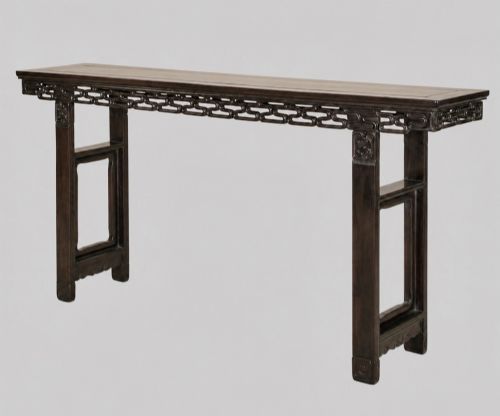
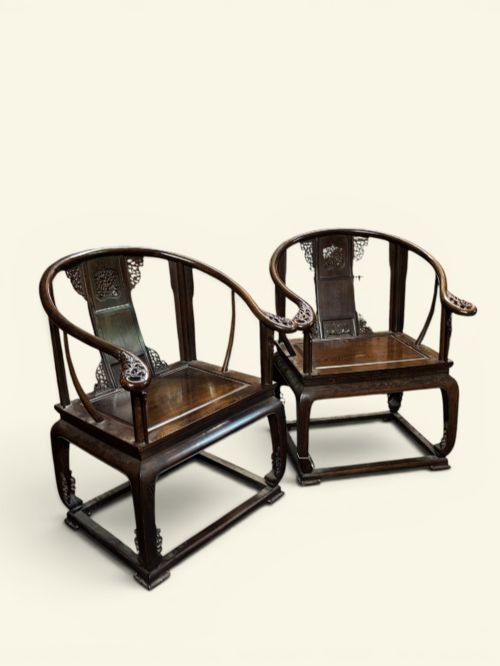
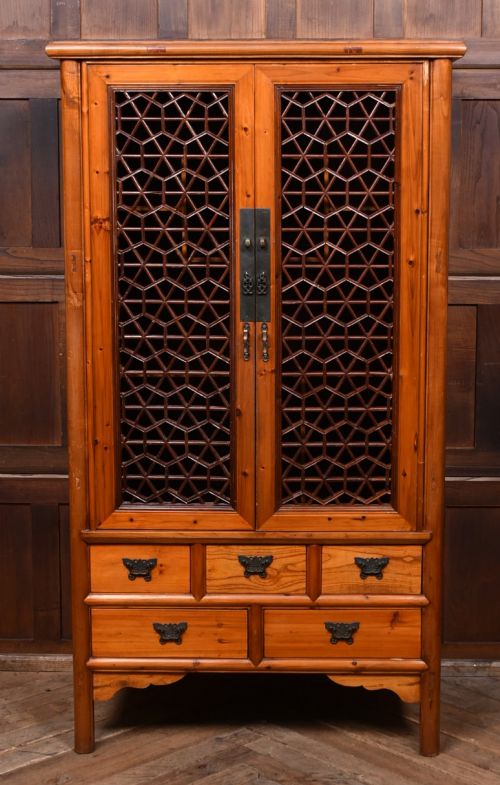
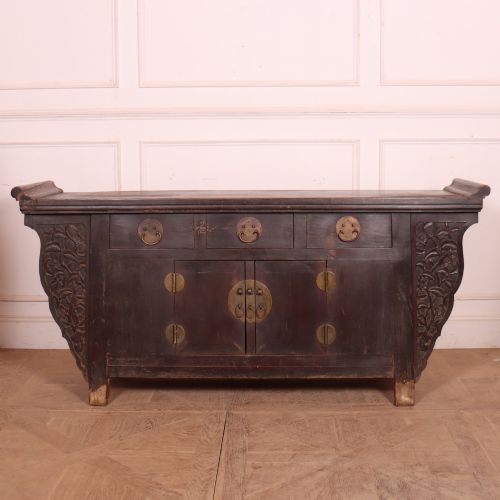
The selection on this page leans heavily toward Chinese hardwood seating and storage, alongside Japanese tansu chests and Korean elm cabinets. Common forms include horseshoe-back armchairs, wedding cabinets, altar tables, and low coffee tables.
Regional variations define the aesthetic, ranging from the restrained timber grains of Chinese provincial items to the intricate hand-painted floral decorations found on Tibetan cabinets. Each piece reflects the domestic and ceremonial requirements of its period of origin.
How traditional asian furniture was made
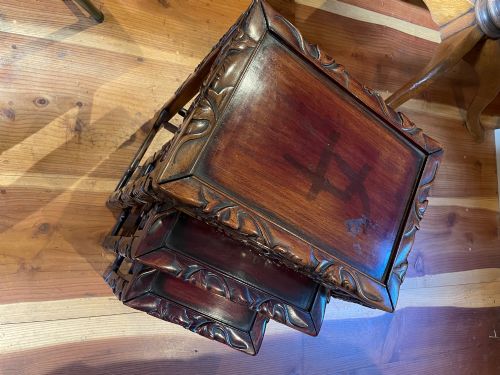
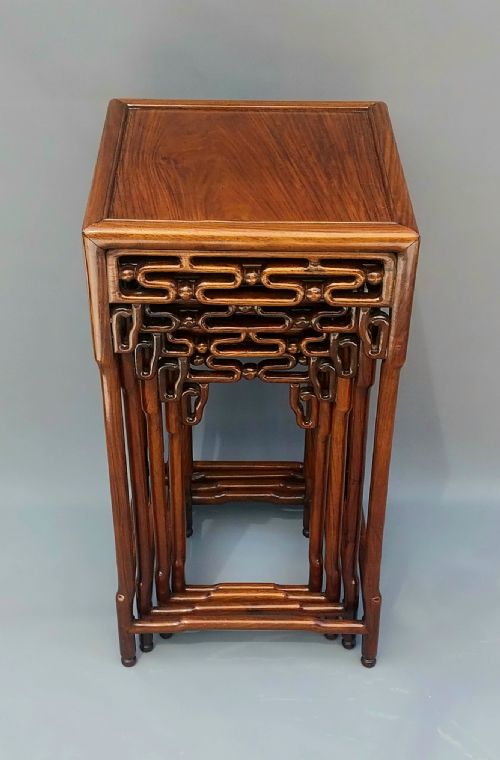
Maker construction relies heavily on dense timbers such as elm, rosewood, hongmu, and burr elm, often joined without nails through sophisticated woodworking joints. Carpenters utilised native hardwoods that offered exceptional durability and a smooth surface for finishing.
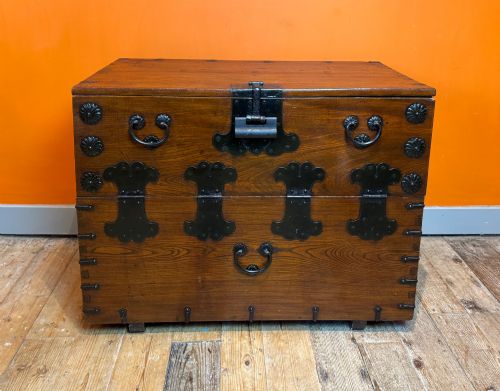
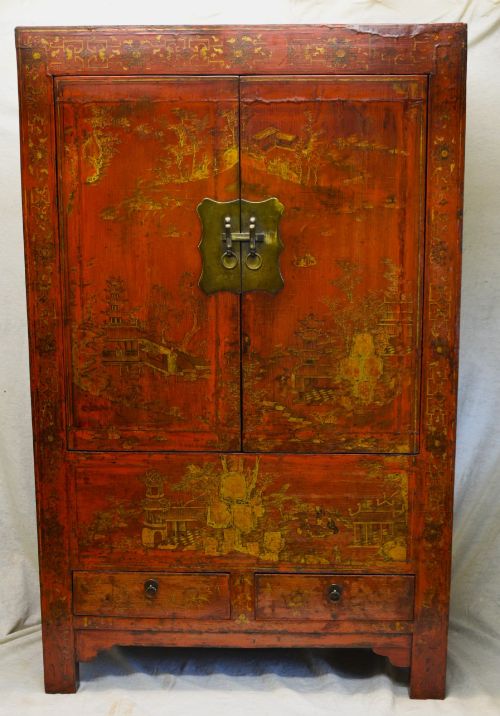
Surface treatments include multiple layers of red lacquer applied to wood or combined with brass hardware like hinges and corner plates on storage chests. Iron fittings provide structural reinforcement and functional closure for heavy doors and drawers.
Traditional Asian Furniture Retail Price Guide 2026
Typical asking prices for traditional asian furniture among the pieces listed under this phrase on Sellingantiques today, from the lower quarter to the upper quarter. They describe what is for sale here now, not the wider market.
What varies in quality
Quality rests upon the integrity of the timber selection and the precision of the joinery, where tighter fits and superior grain figure elevate a piece. The depth and preservation of original lacquer finishes and hand-painted details also dictate the standing of an item.
Proportion and balance distinguish finer workshop output from more utilitarian regional items. Surviving brass or iron hardware in an unaltered state adds considerable merit to storage forms like tansu and wedding cabinets.
The Traditional Asian Furniture Glossary
- Tansu
- Traditional Japanese mobile storage chests fitted with extensive metal hardware and drawers designed for domestic utility.
- Hongmu
- A dense, dark Chinese hardwood prized by cabinetmakers for its heavy weight and capacity to take a fine polish.
- Lacquer
- A natural resin finish built up in successive coats to provide a durable, glossy surface often seen in red tones.
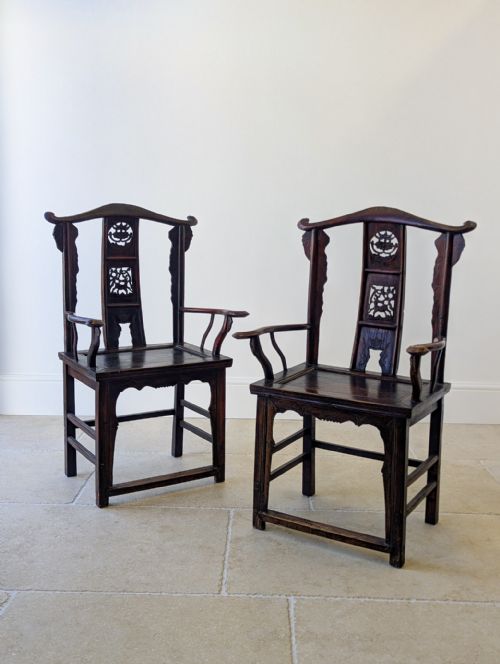
- Yoke-back armchair
- A Chinese wooden chair featuring a distinctive top rail resembling an ox yoke, designed for upright posture.
- Altar table
- A long, narrow table originating from Chinese temples or domestic halls, characterised by upturned flange ends.
Traditional Asian Furniture: Frequently Asked Questions
How do I identify a tansu chest?
Japanese tansu chests feature functional drawer arrangements reinforced with heavy iron or brass handles and corner brackets. They were built for portability in domestic interiors.
Examine the timber, typically elm, keyaki, or cedar, and check for integrated carrying side handles designed for daily relocation.
What is a horseshoe-back armchair?
A horseshoe-back armchair utilises a continuous curved crestrail that sweeps down to form the armrests. This classic Chinese seating form provides ergonomic support.
Construction typically involves resilient elm or dense hardwood joined with traditional mortise and tenon techniques.
How should I care for lacquered wood?
Lacquered surfaces require stable indoor humidity levels and protection from direct sunlight to prevent cracking. Dust gently with a soft, dry cloth.
Avoid chemical polishes or abrasive cleaners that can damage the historical resin layers over time.
Where were wedding cabinets used?
Chinese wedding cabinets served as major storage pieces for household linens and clothing given to a bride. They often display bright red lacquer finishes.
These large storage items typically feature removable central stiles and brass pin locks to secure domestic valuables.