

Traditional Ash Wood Chairs
Traditional ash wood chairs embody the honest utility of English vernacular seating, offering enduring comfort through time-tested country craftsmanship.
Traditional Ash Wood Chairs
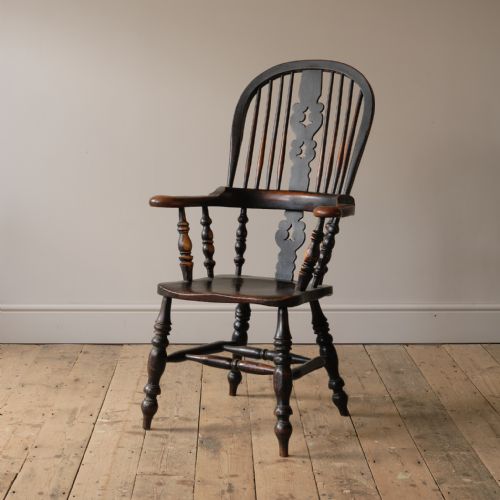
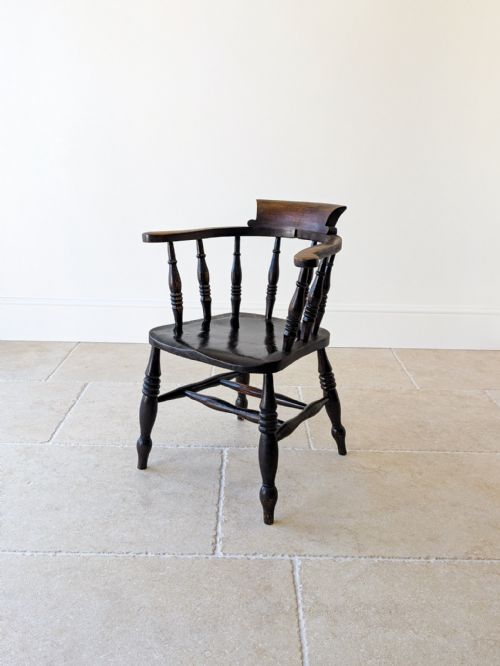
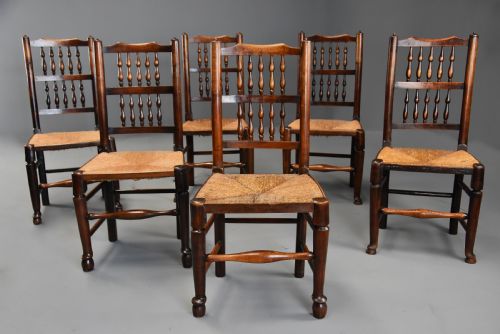
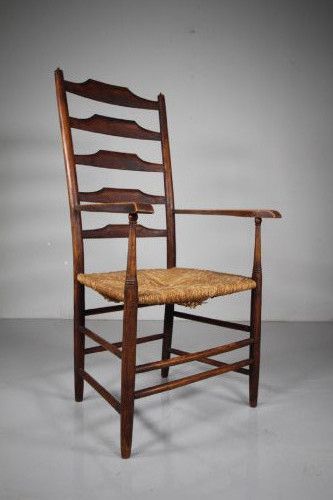
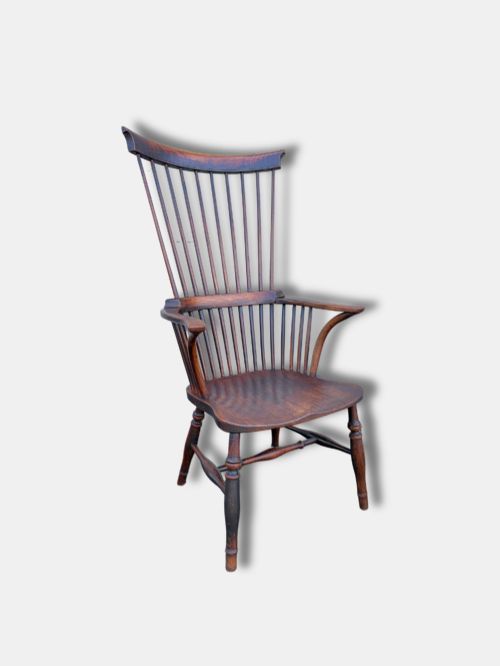
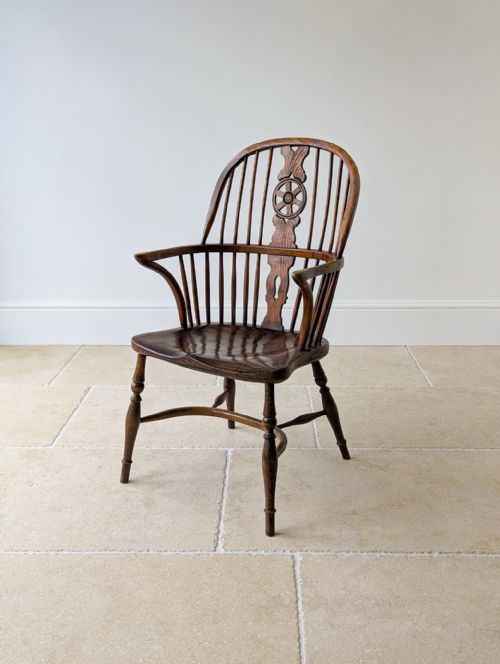
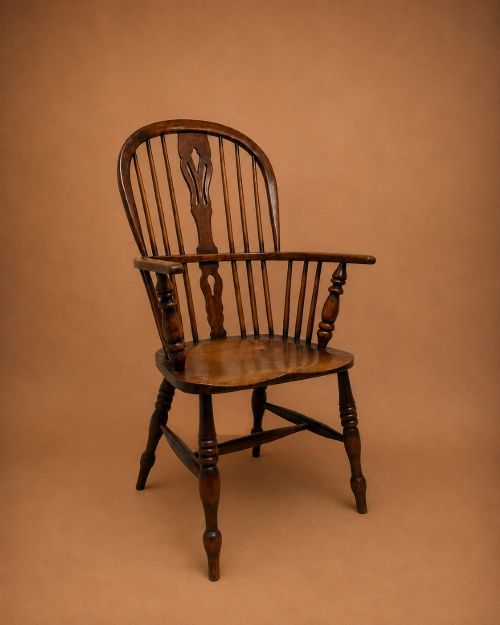
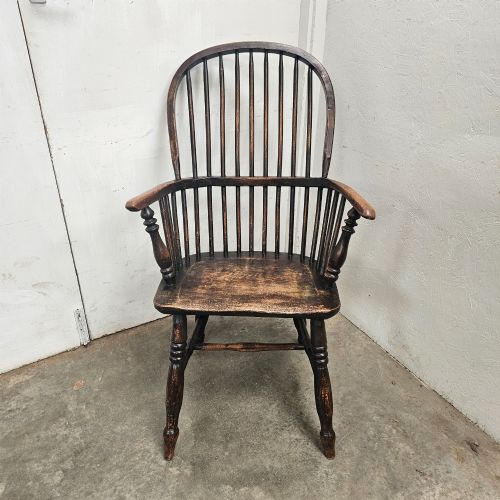
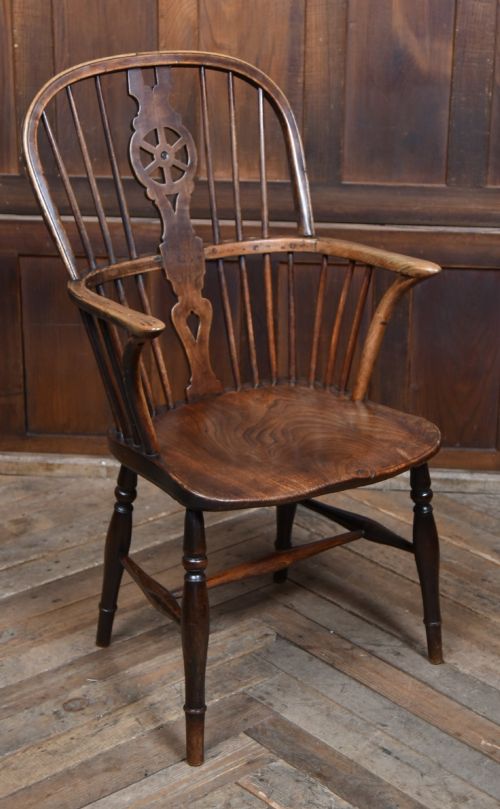
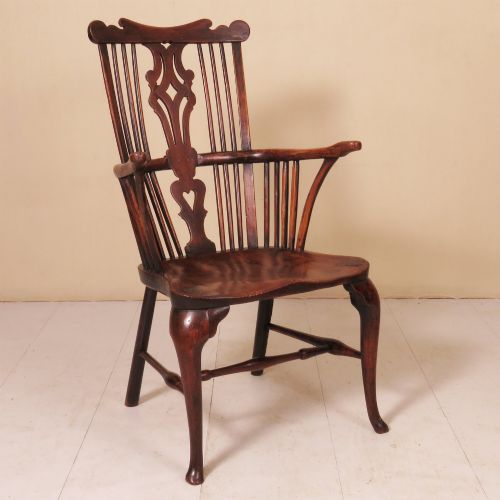
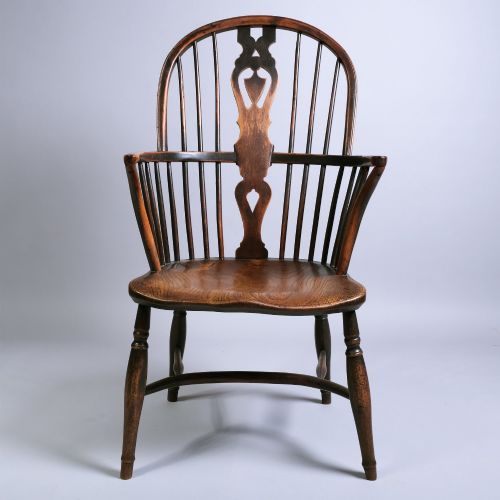
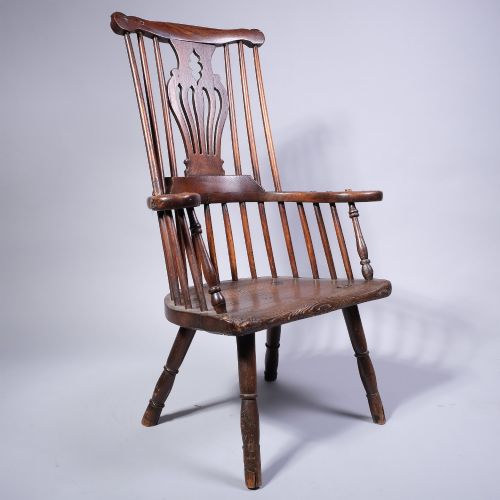
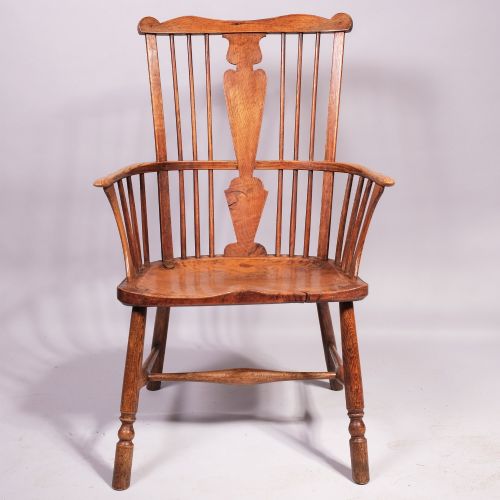
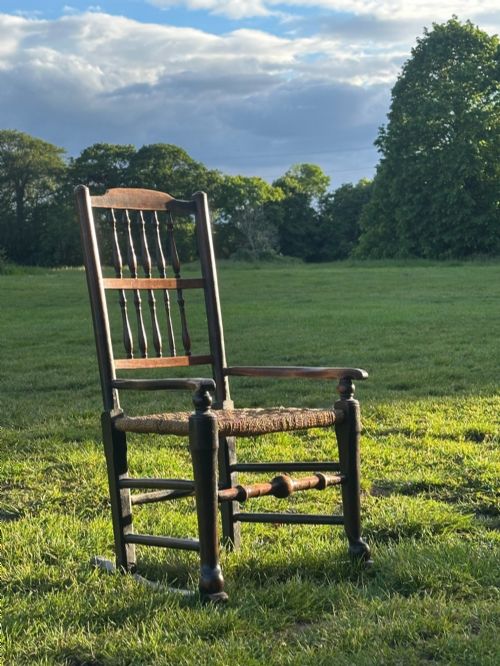
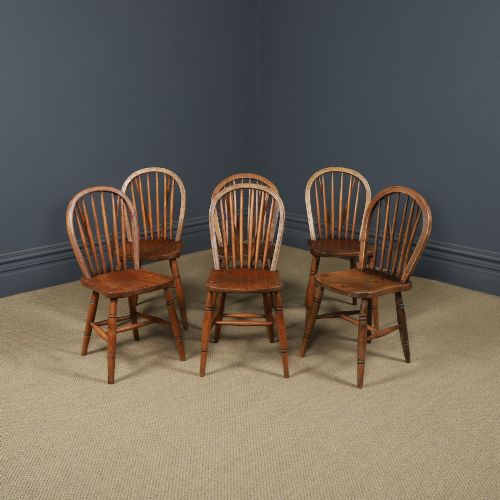
Traditional ash wood chairs encompass a wide variety of country seating forms, most frequently appearing as Windsor armchairs, spindle-back dining chairs, and ladderbacks rooted in 18th-century and 19th-century vernacular traditions. These pieces originate primarily from English provincial workshops, featuring regional variations such as low backs, high wheelbacks, and comb backs.
Buyers seeking these traditional ash wood chairs will regularly encounter combinations of ash and elm, often paired with rush or plaited straw seats, reflecting centuries of utilitarian domestic use in kitchens, farmhouses, and cottages.
How they were made
The construction of these chairs relies on native hardwoods, predominantly pairing turned ash for spindles and legs with sculpted solid elm seats that resist splitting. Workshops utilised green woodworking techniques, steam-bending ash for hoops and comb-piece crests, and securing joints through traditional mortise-and-tenon and wedged peg methods.
Secondary timbers such as beech, oak, yew, and alder frequently appear in framing and structural elements, while seating surfaces often incorporate woven rush or súgán straw tied directly to the wooden rails.
Listings span the 18th century, Victorian era, and the 19th century, predominantly constructed from ash, elm, and rush.
What varies in quality
Quality in these vernacular pieces rests upon the grace of the turnings, the depth and sculpting of the solid elm seat, and the integrity of the original joints. Superior examples display balanced proportions in the spindle work and a smooth, unforced wear pattern across the wooden surfaces.
The presence of secondary woods, replacement stretchers, or re-secured spindles alters the original character, whereas untouched surfaces with a deep, developed patina indicate a higher degree of historical preservation.
Philip Clissett·Fred Walker
The Traditional Ash Wood Chairs Glossary
- Windsor chair
- A chair built with a solid wooden seat into which the legs and back sticks are independently inserted. This form relies on a heavy saddle-shaped seat for stability.
- Súgán
- An Irish term for a twisted straw or hay rope used to form plaited seating surfaces. It provides a flexible and traditional seat base.
- Vernacular
- Objects designed by regional craftsmen for practical local use rather than following formal academic architectural styles. These pieces prioritise function and local material availability.
- Patina
- The surface texture and deep sheen developed on wood through decades of handling, cleaning, and exposure to light. It serves as an indicator of age and continuous use.
Traditional Ash Wood Chairs: Frequently Asked Questions
How do I identify a Windsor chair?
A Windsor chair is distinguished by its heavy, solid wood seat into which the legs and back components are bored directly, rather than utilising an upholstered frame.
Most examples employ turned spindles and steam-bent wood components to create a supportive backrest attached firmly to the central seat.
What is an elm seat used for?
Elm is selected for chair seats because its interlocking grain structure resists splitting when subject to the stress of drilled holes and wedged legs.
Craftsmens carved these seats into comfortable saddle shapes to accommodate the user during long hours of domestic or rural work.
How should I care for rush seats?
Rush and plaited straw seats require stable indoor humidity and should be kept away from direct heat sources to prevent the natural fibres from becoming brittle.
Regular gentle dusting with a soft brush helps maintain the material without introducing excessive moisture that could weaken the weave.
Are these chairs suitable for daily dining?
Traditional country chairs are built for practical everyday utility and withstand regular sitting when structural joints remain sound and stable.
Checking the wedged tenons and leg joints periodically ensures the piece safely supports routine use around a kitchen or dining table.