

Traditional Art
Traditional art spans centuries of oil paintings, folk sculptures, and carved woodwork, offering tangible history for your walls and rooms.
Traditional Art
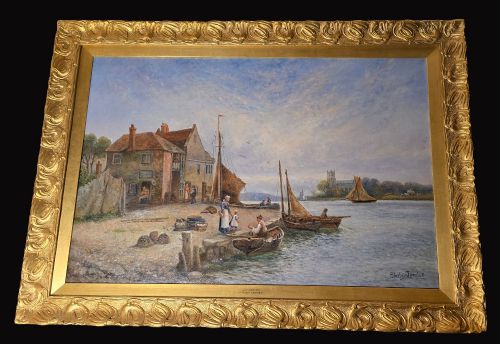
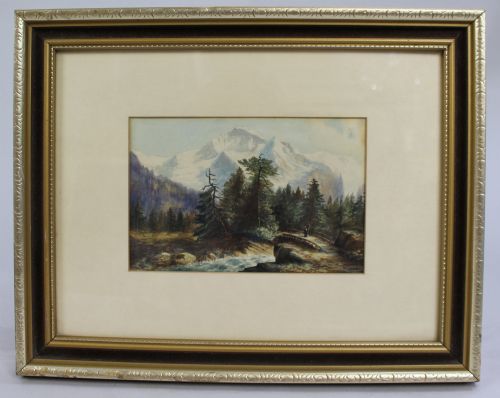
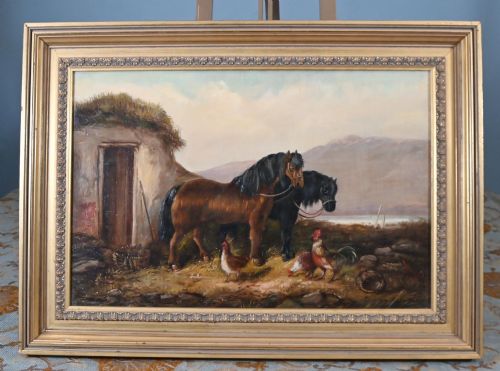
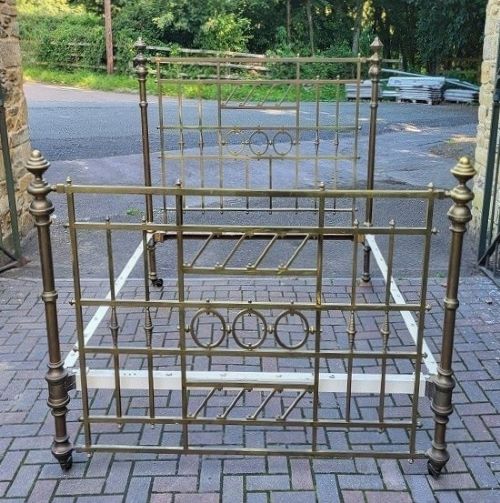
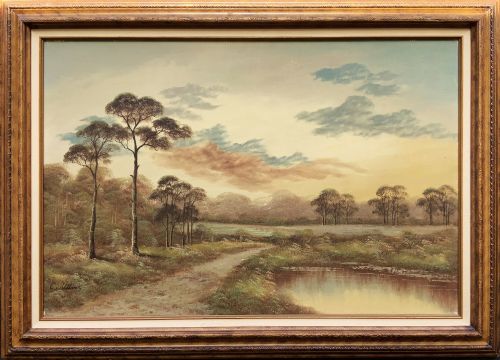
Traditional art covers a diverse range of historical pieces, most prominently oil paintings on canvas depicting landscapes, still lifes, and portraits from the nineteenth century. Buyers also encounter carved wooden objects, hand-painted cupboards, and textiles.
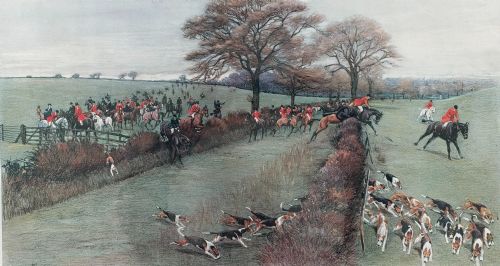
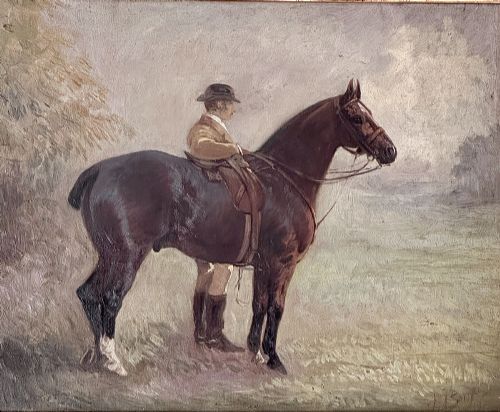
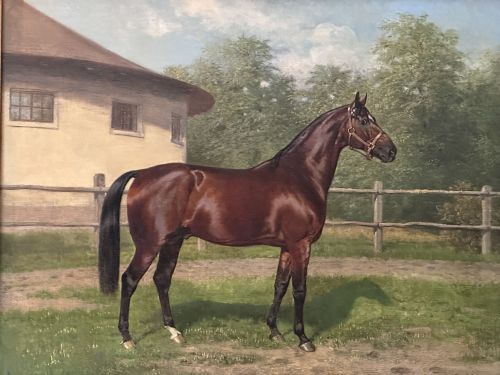
The selection includes specific regional works such as Dutch winter landscapes, sporting art with horses, and French club chairs, alongside folk art sculptures and carved decoy ducks.
Periods represented stretch from the eighteenth century through the Victorian era into the mid-twentieth century, providing tangible links to historical craftsmanship.
How traditional art was made
Painters utilised oil paint on canvas or panel, often finishing their works with deep giltwood and gesso picture frames decorated in gold leaf.
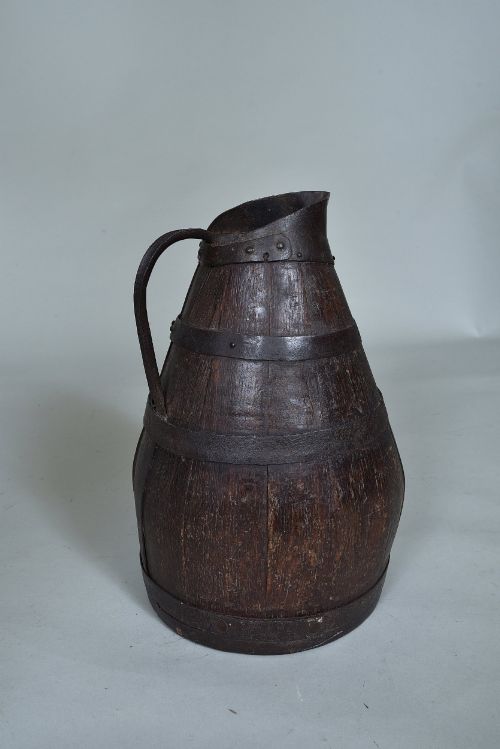
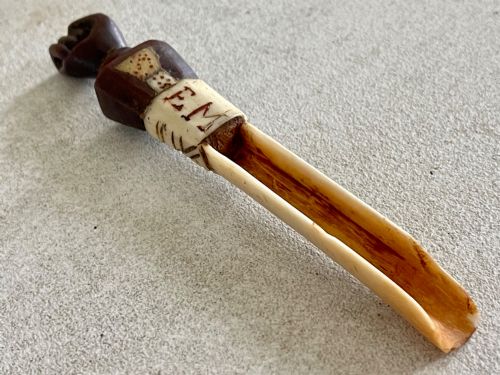
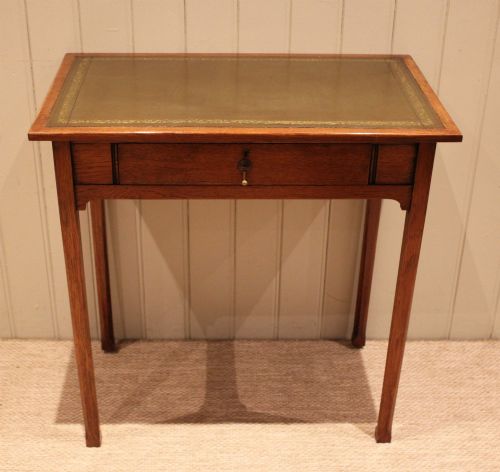
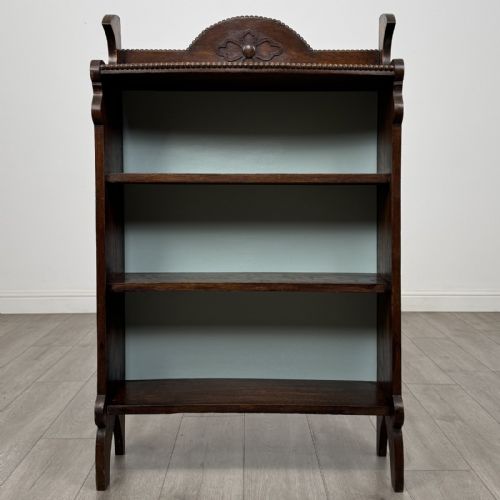
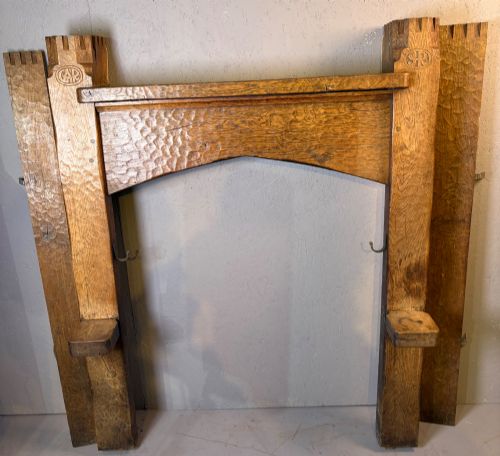
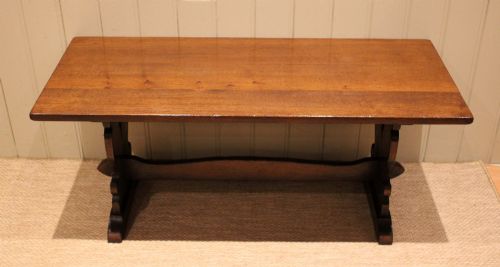
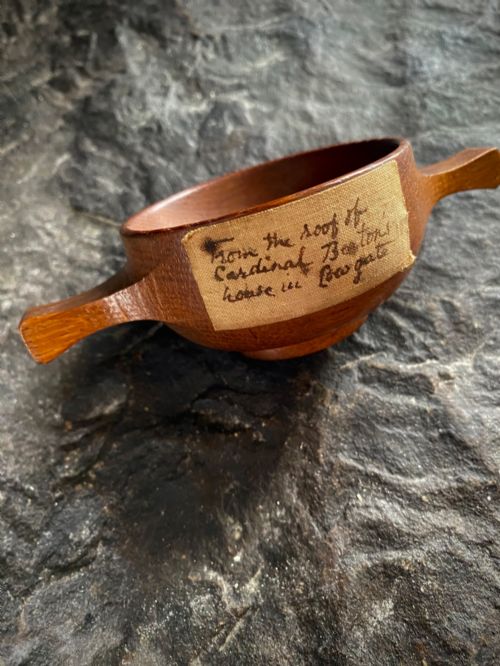
Woodworkers carved solid oak and other timbers to build furniture such as armchairs, sideboards, and storage cupboards, while folk artists carved and painted functional items like decoys and wooden animals.
Traditional Art Retail Price Guide 2026
Typical asking prices for traditional art among the pieces listed under this phrase on Sellingantiques today, from the lower quarter to the upper quarter. They describe what is for sale here now, not the wider market.
A solitary wooden cow on wheels stands ready to roll into the twentieth century.
What varies in quality in traditional art
Quality depends on the skill of the brushwork in paintings and the depth of carving in wooden objects, distinguishing master compositions from simpler regional pieces.
The preservation of original surfaces, such as untouched paint on folk art or intact gilding on picture frames, dictates the desirability of a piece.
Charles Bilger Spalding·James Elliot·Alonso Perez·William Langley·Thomas Rowden·Samuel Joseph Clark·Heals of London·Francesco Guardi·Henry Barraud·Walter Robin Jennings·William Mellor
The Traditional Art Glossary
- Gesso
- A plaster mixture applied to wood or canvas as a base for painting or gilding. It provides a smooth surface for intricate frame mouldings.
- Still life
- A painting featuring inanimate subject matter, typically commonplace objects such as fruit, flowers, or banquets. These works often highlight the artist's command of light and texture.
- Decoy duck
- A carved wooden bird used by hunters to attract waterfowl. They represent a distinct branch of folk art valued for their hand-painted decoration.
- Sporting art
- Depictions of equestrian subjects, hunting scenes, and farmyard animals. These works record rural life and prized livestock from past centuries.
- Ikat
- A dyeing technique where yarns are patterned before weaving into textiles. Sumba hinggi cloths display this complex process.
Traditional Art: Frequently Asked Questions
How do I identify a nineteenth-century oil painting?
Examine the canvas weave, stretcher frames, and the composition style typical of the period. Look for artist signatures and framing materials that match the era.
Winsor and Newton stamps or similar supplier marks on the canvas reverse also help establish the date.
What is folk art?
Folk art comprises utilitarian objects and sculptures made by self-taught or traditional craftsmen rather than academy-trained artists. Items include carved wooden animals and decoy ducks.
These pieces reflect regional traditions and practical domestic use rather than high artistic convention.
How should I care for oil paintings on canvas?
Keep paintings away from direct sunlight and dramatic shifts in temperature or humidity. Avoid touching the paint surface, which can accumulate oils from fingers.
Dust the canvas and frame gently with a soft, dry brush when necessary.
How do I date antique wooden furniture?
Check the joinery methods, tool marks, and wood species used in the construction. Hand-cut dovetails and shrinkage patterns indicate older craftsmanship.
Original hardware and surface patination further confirm the period of origin.