



Traditional Art Print
A traditional art print brings historical subjects and classic imagery into domestic spaces through reproductive techniques spanning centuries.
Traditional Art Print
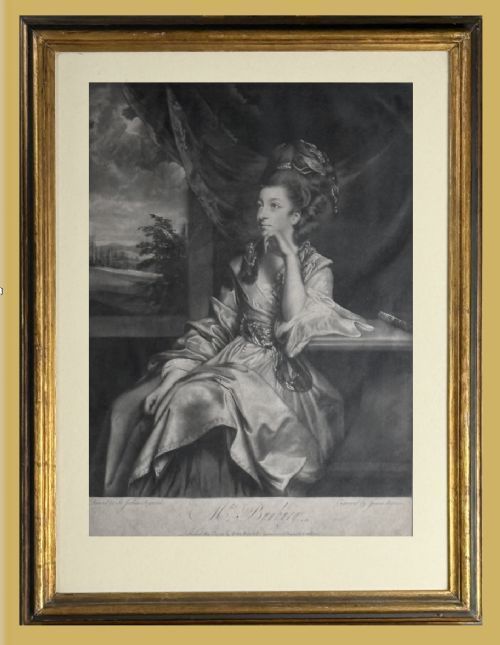
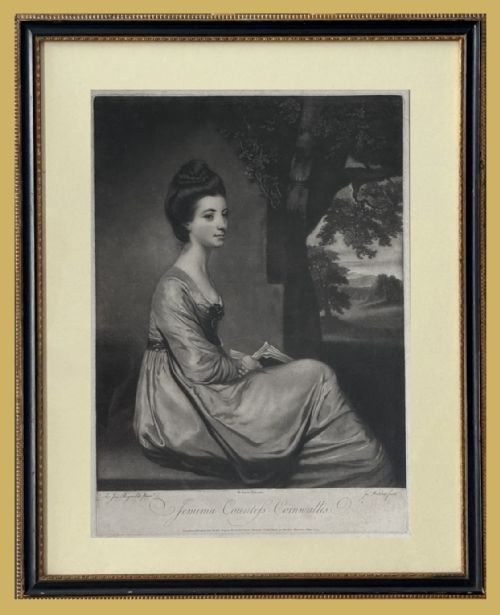
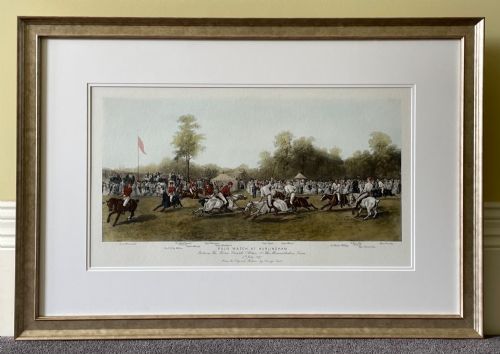
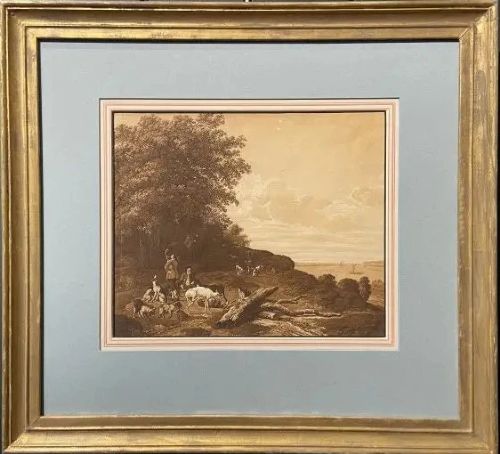
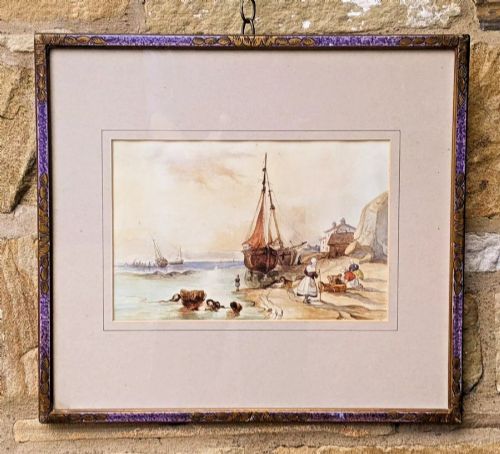
When searching for a traditional art print, a buyer encounters a diverse range of works produced across the nineteenth and twentieth centuries. These encompass framed wall art, decorative prints, and reproductive mediums that capture historical portraiture, sporting scenes, and landscapes.
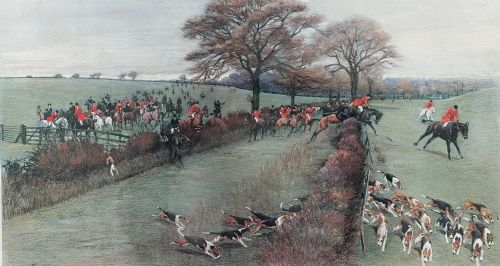
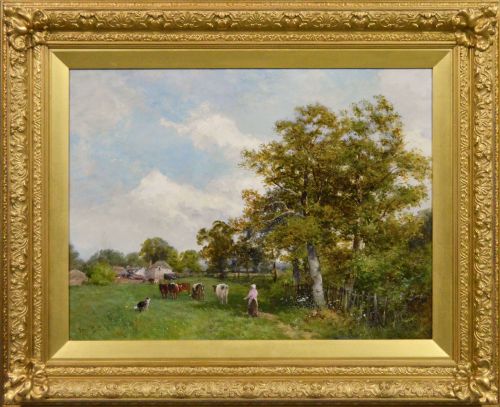
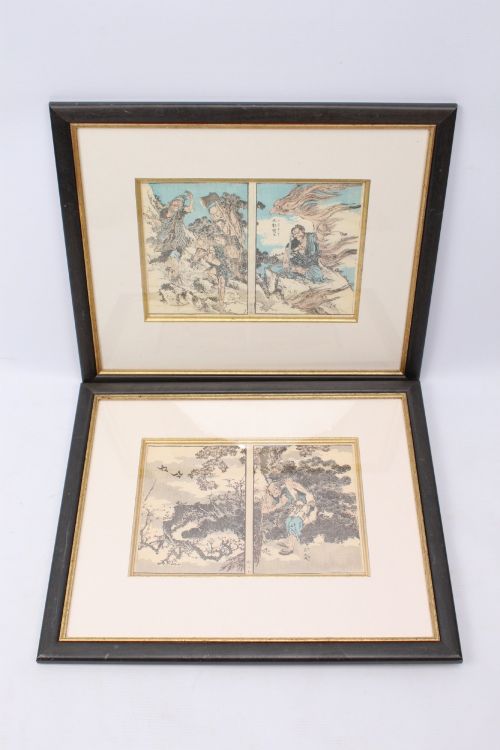
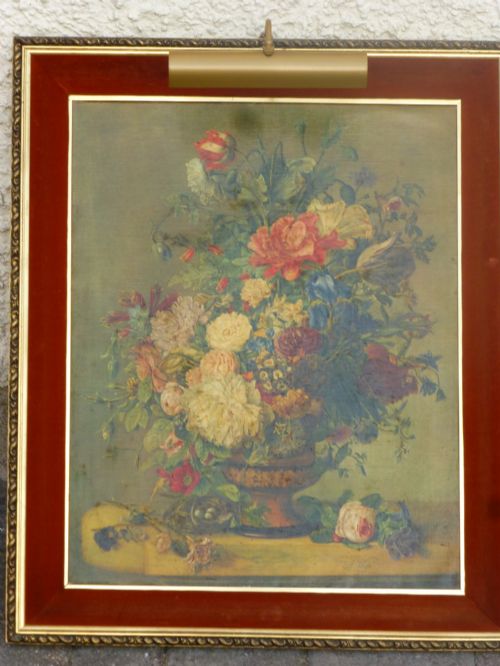
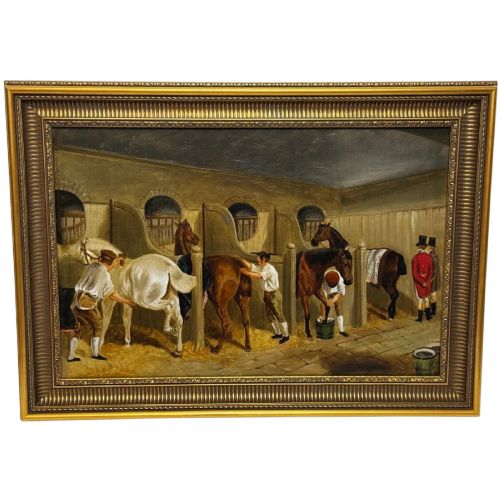
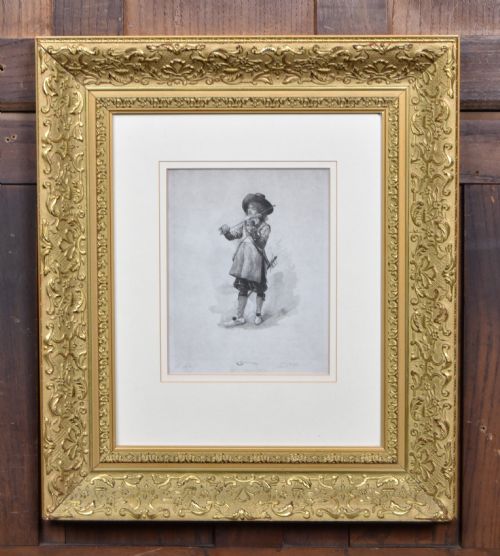
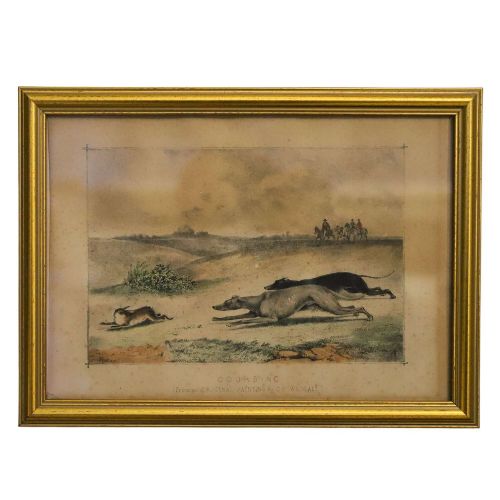
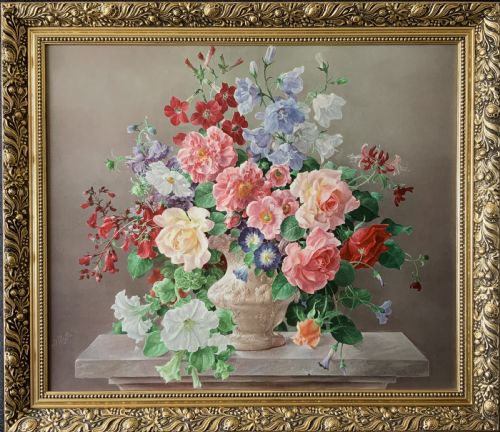
The selection on this page frequently includes Victorian and Edwardian examples alongside pieces dated from the 1850s to the 1960s. Subjects span from Japanese woodblock prints and floral still lifes to equine portraits and hunting scenes after established painters.
How they were made
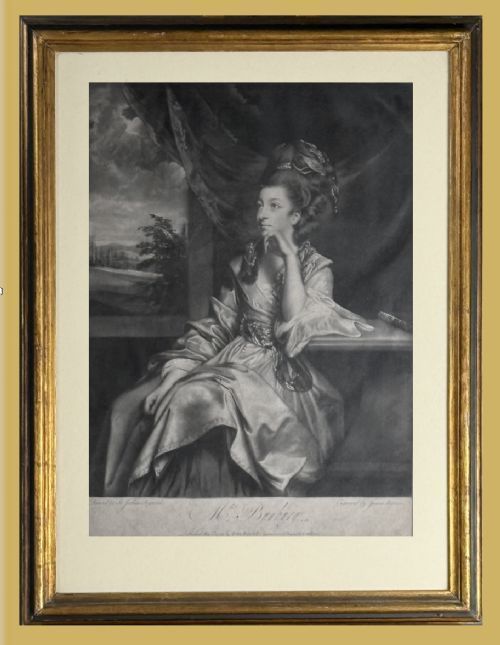
Makers utilised paper, canvas, and ink housed within wooden and gilded frames, often incorporating glass for protection. Techniques recorded in the evidence range from mezzotints, lithographs, and engravings to Japanese woodblock printing and oleographs.
Many of these works derive from original paintings by earlier artists, translated into print formats through meticulous plate-making or reproduced as oleographs on canvas during the mid-twentieth century.
Traditional Art Print Retail Price Guide 2026
Typical asking prices for traditional art print among the pieces listed under this phrase on Sellingantiques today, from the lower quarter to the upper quarter. They describe what is for sale here now, not the wider market.
Horses, hounds, and hunting characters dominate the sporting prints, occasionally accompanied by nineteenth-century accounts of John 'Mad Jack' Mytton.
What varies in quality
Distinctions in quality arise from the fidelity of the printing technique and the depth of the ink impression upon the paper. Early mezzotints and hand-coloured engravings display sharper plate marks and richer tonal gradations than later mass-produced reproductions.
The composition of the framing materials also distinguishes individual pieces, with period gilt wood frames offering greater craftsmanship and historical harmony with the artwork compared to later replacements.
James Watson·Sir Joshua Reynolds·David Bates·Harold Clayton·C. H. Weigall·John Alfred Wheeler·Thomas G Appleton·Kunisada·Charles Faulkner·Hendricus Joseph Dillens
The Traditional Art Print Glossary
- Mezzotint
- A printmaking process of the intaglio family where the plate is roughened to achieve rich dark tones and subtle gradations of light. This method was widely used for reproducing oil paintings during the eighteenth and nineteenth centuries.
- Lithograph
- A planographic printing process based on the antipathy of oil and water, enabling the transfer of an image from a limestone or metal plate. It produced many of the coloured sporting and decorative prints seen in the nineteenth century.
- Oleograph
- A type of chromolithography textured to imitate an oil painting on canvas, popular in the Victorian era and mid-twentieth century. It brings the visual texture of brushwork to a reproduced image.
- Woodblock print
- A relief printing technique where an image is carved into a block of wood, inked, and transferred to paper. This method is central to traditional Japanese ukiyo-e artworks.
Traditional Art Print: Frequently Asked Questions
What is a traditional art print?
A traditional art print is a reproductive or original graphic work depicting historical subjects, landscapes, or portraits using established printmaking methods.
These pieces reflect artistic styles from past centuries, captured through techniques such as engraving, lithography, and woodblock printing.
How do I date a traditional print?
Dating relies on the paper type, printing technique, framing materials, and any publisher inscriptions or dates recorded on the margin.
Stylistic cues from the depicted subject and the period of the framing often provide further chronological context for the piece.
Are these prints original works?
Some items are original prints such as woodblocks and lithographs created directly by the artist or printmaker. Others are period reproductions of famous paintings executed via mezzotint or engraving.
Each listing specifies the medium used to create the particular visual work.
How should I frame historic prints?
Historic prints benefit from conservation framing methods that utilise acid-free materials and protective glass to prevent environmental degradation. Retaining or matching period wooden and gilt frames preserves the historical integrity of the piece.