
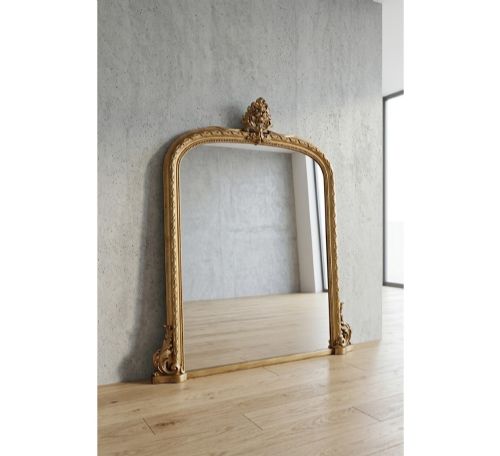
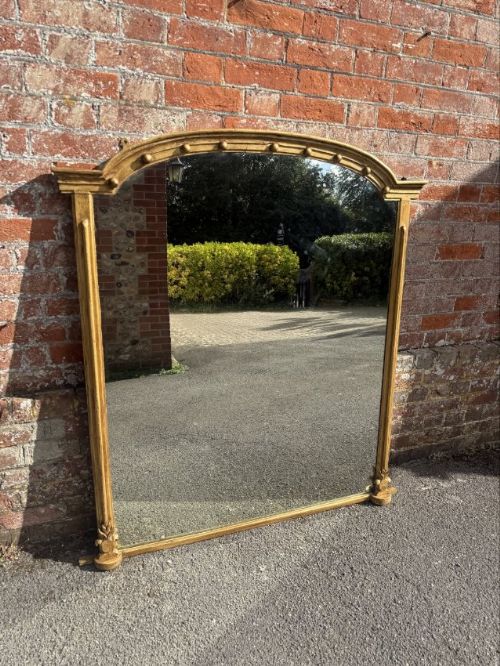
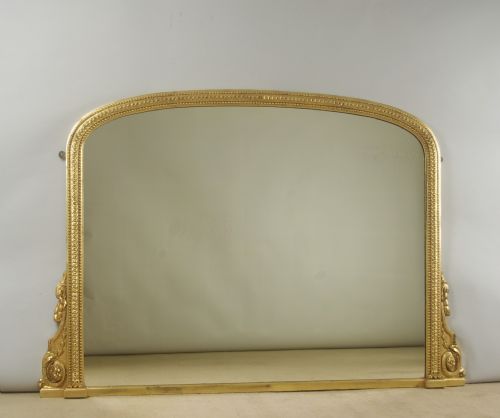
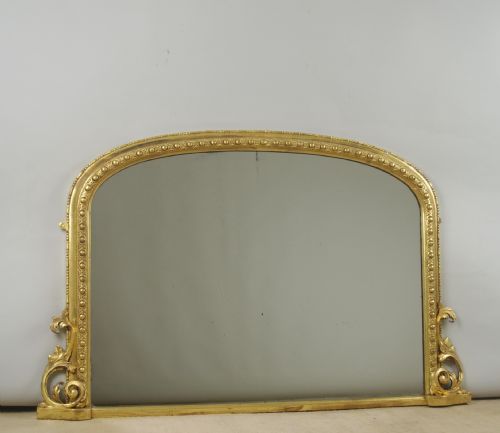

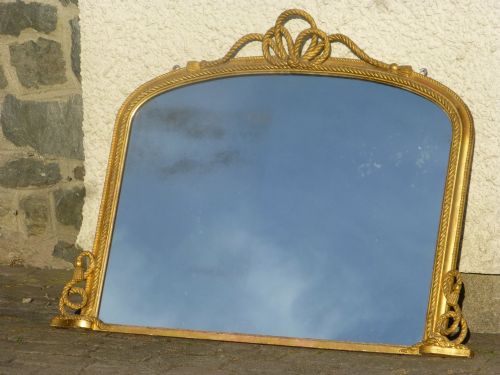
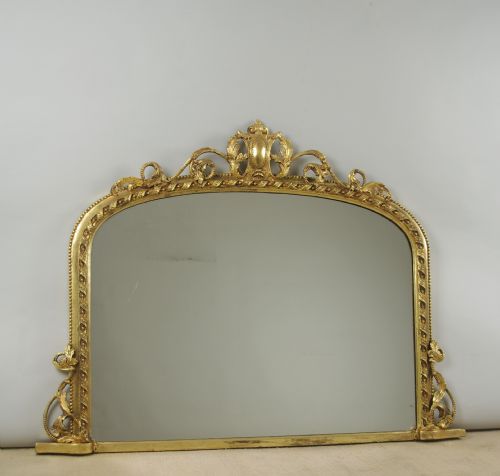
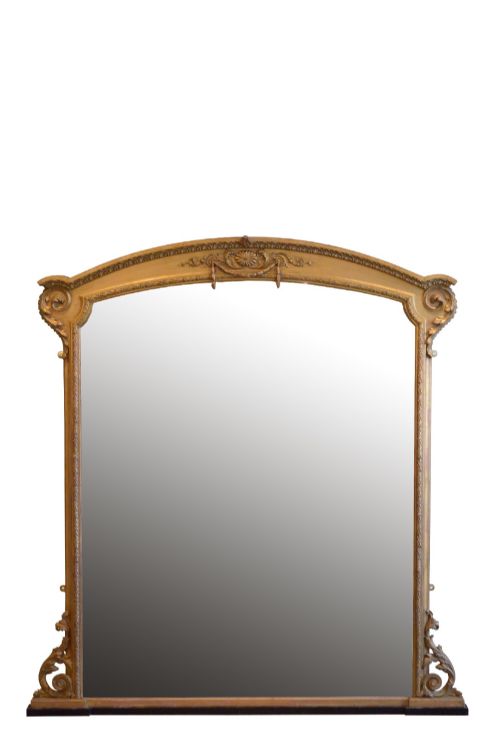
Traditional Arched Fireplace Mirror
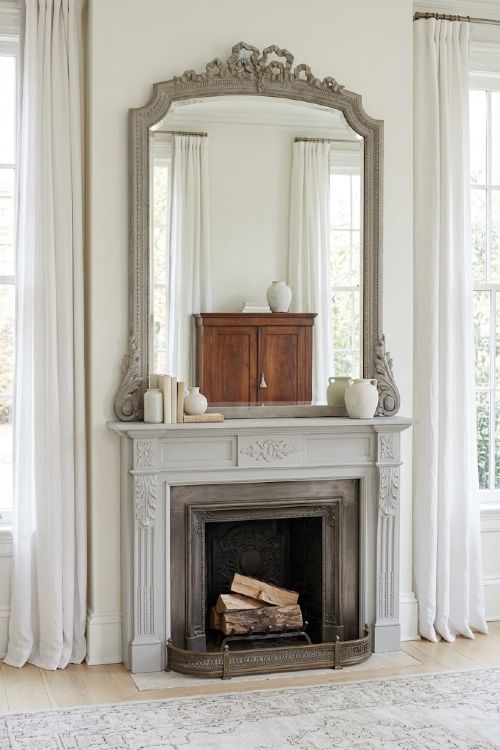
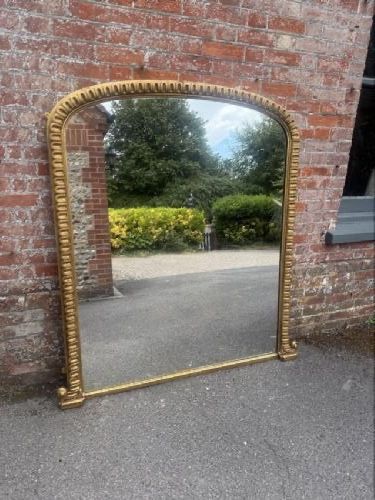
These large traditional arched fireplace mirror pieces anchor a chimney breast with height and reflective light.
Traditional Arched Fireplace Mirror
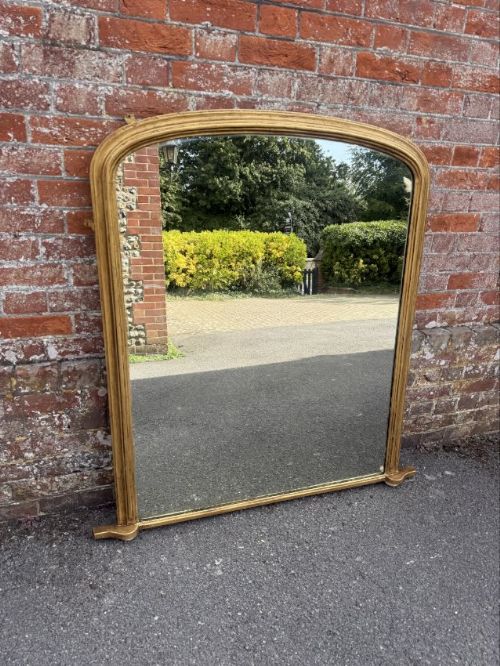
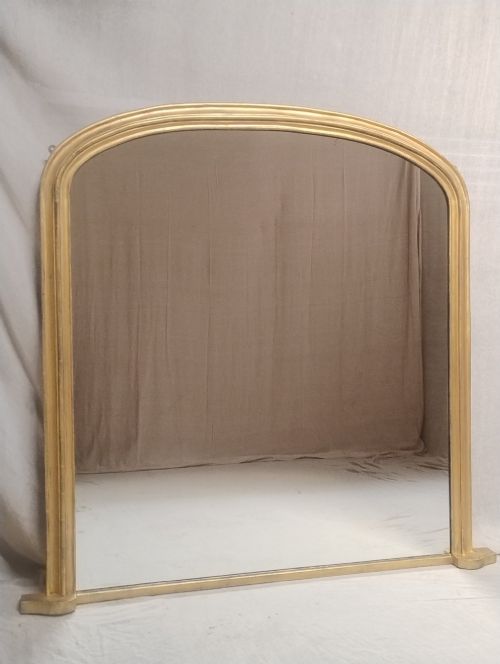
A traditional arched fireplace mirror serves primarily as an overmantel glass designed to sit directly above a mantelpiece or chimney breast. These items span Victorian and nineteenth-century periods, alongside early twentieth-century examples up to nineteen twenty.
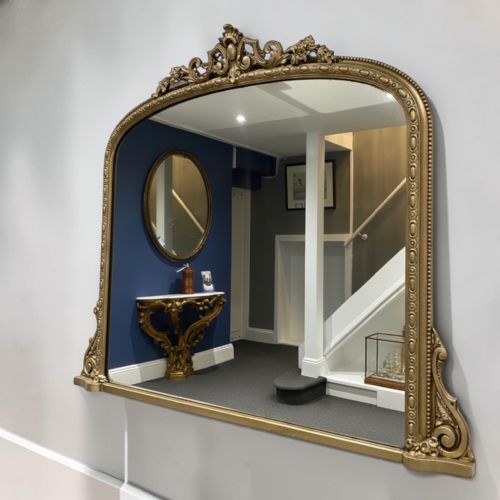
The dominant forms on this page are large overmantel mirrors and wall mirrors featuring curved or arched tops. They frequently adopt English traditional, French rococo revival, or regency styles to command attention in a principal room.
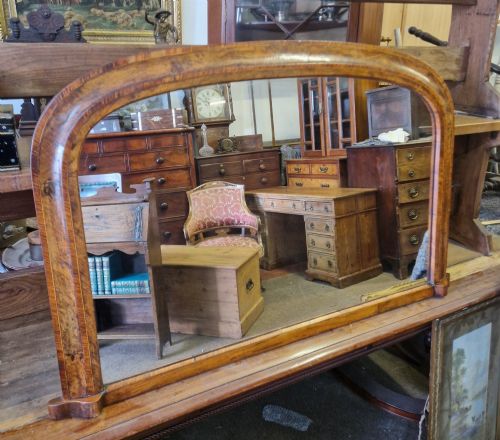
Scale remains a defining characteristic, with numerous pieces stretching to substantial heights suitable for high ceilings. Walnut, oak, and painted finishes sit alongside the more common gilded wooden frames.
Materials and construction methods
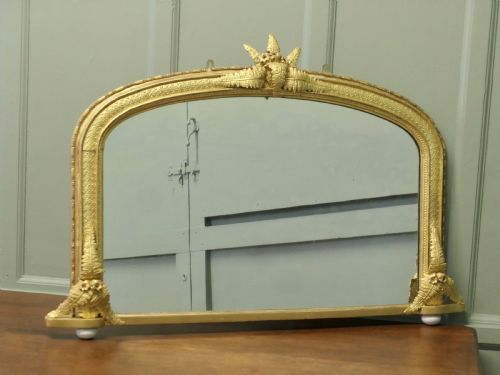
Makers constructed the structural frames using carved wood, frequently layering gesso and composition over a timber base to create complex relief ornamentation. Guilders then applied gold leaf or metallic finishes directly onto this prepared surface.
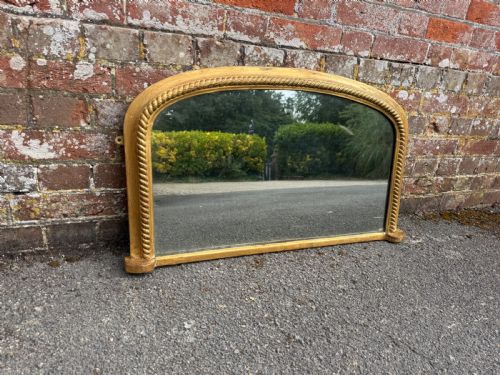
Glaziers set mirror glass within the rebated frame, sometimes incorporating rope twist details or ribbed moulding into the wooden structure. Painted and parcel-silvered variants utilise alternative surface treatments rather than traditional gilding.
Listings span from eighteen sixty through to nineteen twenty, featuring materials such as gesso, giltwood, oak, and walnut.
Distinctions in quality and execution
Depth and crispness of the carved wooden ornament distinguish finer examples from simpler production. Hand-carved details and carefully layered gesso display sharper definition than moulded composition ornaments.
The integrity of the original gilding and the preservation of the early mirror glass plates influence the visual authority of the piece. Substantial proportions combined with balanced architectural framing separate standard domestic mirrors from grander pieces.
The Traditional Arched Fireplace Mirror Glossary
- Overmantel mirror
- A large looking glass specifically proportioned to hang on the wall directly above a fireplace mantel. They typically follow the horizontal width of the hearth below.
- Gesso
- A plaster-like mixture applied to wood frames to provide a smooth surface for gilding. Artisans carved intricate decorative motifs directly into this dried compound.
- Giltwood
- Timber that has been coated with gold leaf or metallic powder. It catches candlelight and daylight effectively in a traditional interior.
- Rope twist
- A carved decorative motif resembling intertwined strands of rope. This pattern often follows the inner or outer border of the mirror frame.
- Parcel-silvered
- A finish where silver leaf is applied only to specific highlighted areas of a painted frame. This technique creates a contrasting two-tone decorative effect.
Traditional Arched Fireplace Mirror: Frequently Asked Questions
Where should an overmantel mirror hang?
These mirrors traditionally mount directly onto the chimney breast above a fireplace opening. Their arched tops echo the architectural lines of the mantel.
Positioning them at this specific height reflects light across the room and balances the visual weight of the hearth below.
How do I identify a Victorian mirror?
Victorian examples often combine carved wood and gesso frames with heavy proportions and distinct architectural arches. Dating relies on stylistic cues like rope twist details or specific revival motifs.
Makers working in the nineteenth century favoured grand scale and rich gilding to suit high-ceilinged reception rooms.
Are these mirrors heavy to mount?
Solid wood frames combined with thick mirror glass create substantial weight. Proper wall fixings into masonry or secure studs are essential for safe installation.
Professional hanging ensures the weight distributes evenly across the structure of the wall.
What styles are available here?
The selection encompasses English traditional designs alongside French chateau and rococo revival styles. Finishes range from bright giltwood to dark walnut and painted surfaces.
Each style reflects the decorative preferences of the nineteenth and early twentieth centuries.