
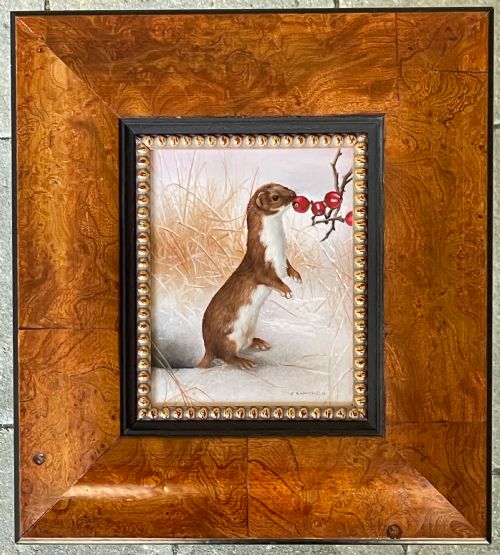
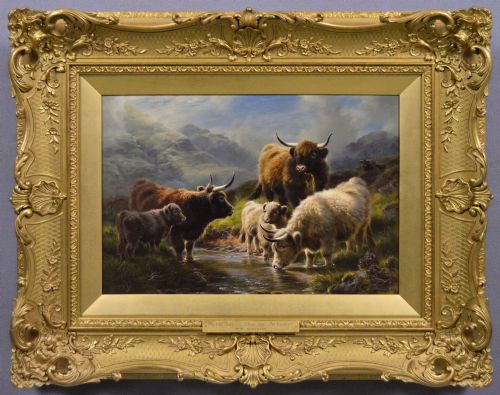
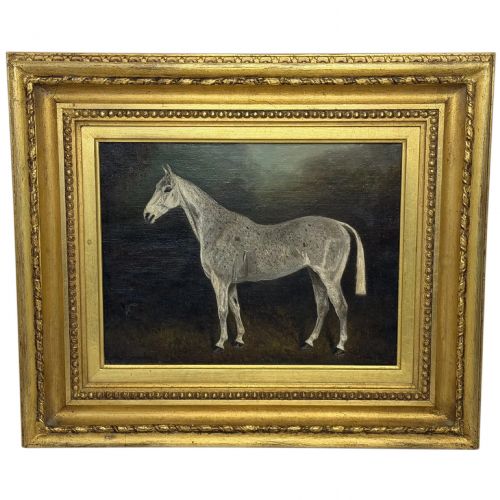
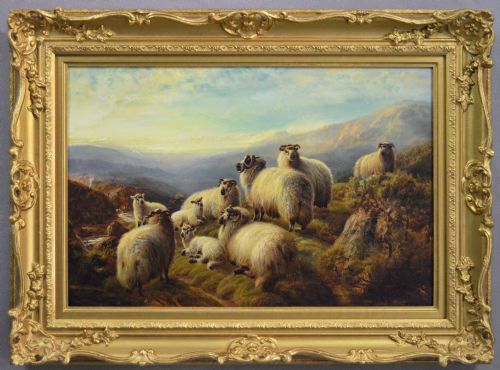
Traditional Animal Painting
Traditional animal painting brings together centuries of horses, dogs, cattle, and farmyard life captured on canvas.
Traditional Animal Painting
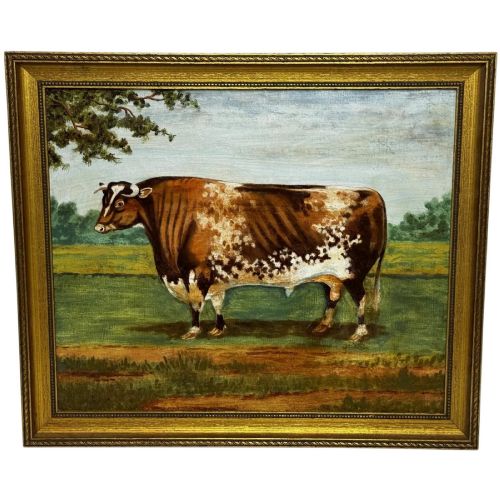
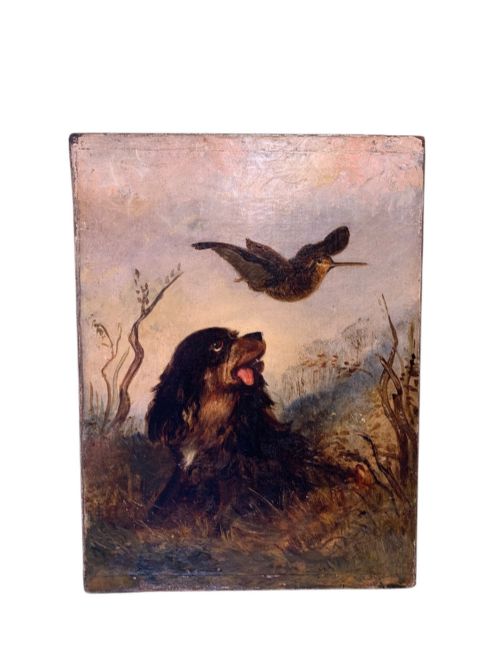
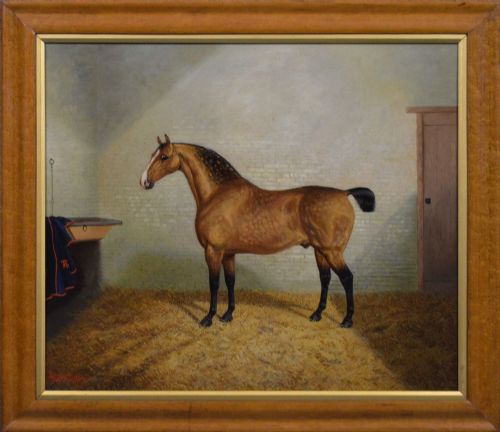
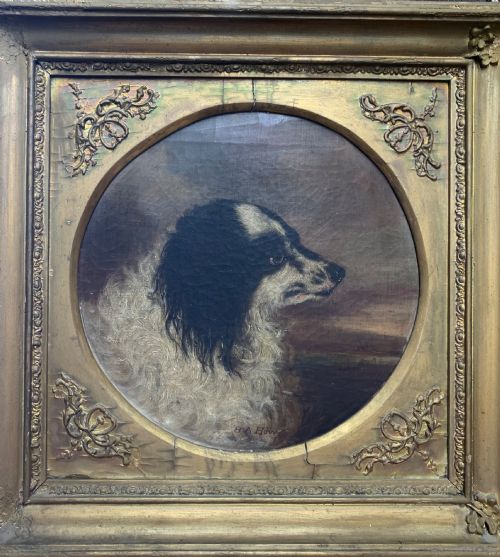
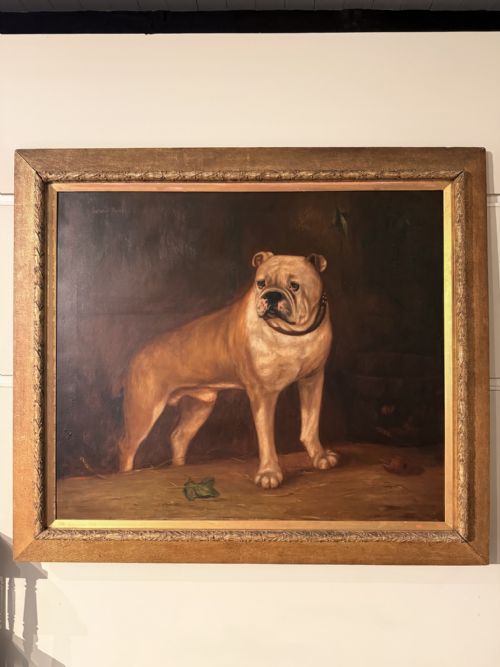
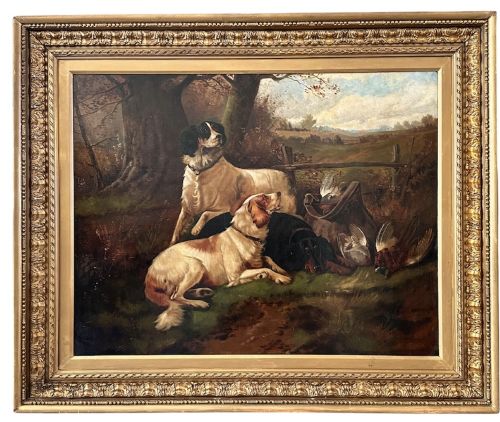
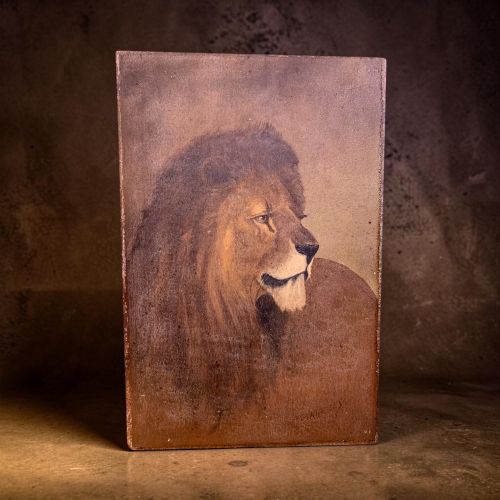
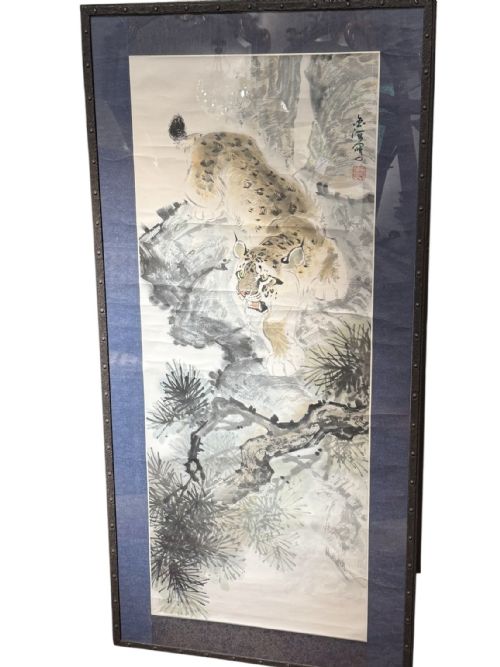
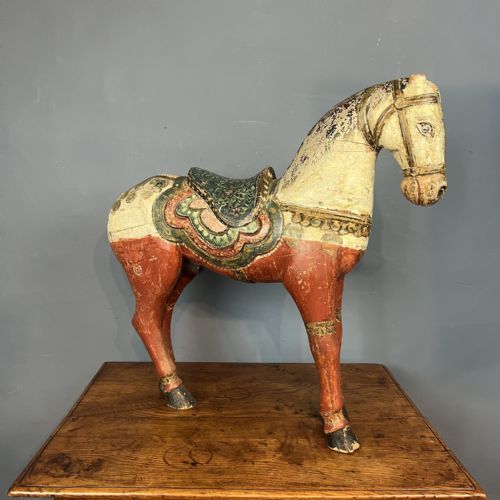
Traditional animal painting encompasses portraits of prize livestock, hunting dogs, horses, and farmyard scenes produced across the nineteenth and early twentieth centuries. A buyer exploring this category encounters works depicting domestic beasts and sporting subjects, often set within rural landscapes or pastoral settings.
The pieces most frequently met on this page date from the Victorian era and the surrounding decades, showing horses, cattle, and dogs rendered in oils on canvas or panel. These artworks reflect historical agricultural priorities and the companion animals valued by society during the period.
Materials and methods
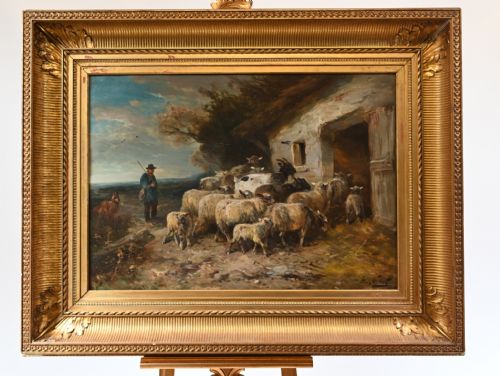
Painters relied primarily on oil paint applied to canvas, wood panels, or board, sometimes supported by gesso and framed in giltwood. Brushes built up layers of pigment to render the texture of fur, feathers, and livestock coats against natural backdrops.
Many works combine landscape elements with detailed animal studies, showing the influence of academic realism, romanticism, and folk art traditions. The physical composition typically houses the subject within a period frame that matches the manufacturing era of the artwork.
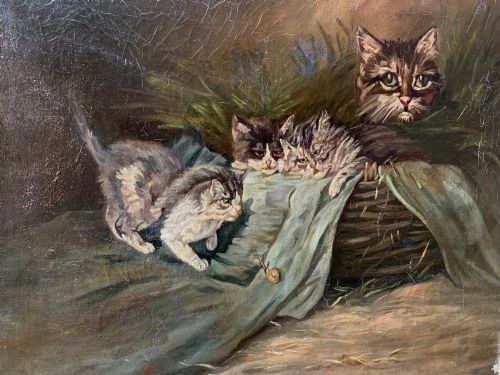
Watch out for dogs caught red-handed stealing food from baskets and cats supervising their kittens across the centuries.
Factors influencing quality
Quality rests upon the artist's ability to render the anatomy, expression, and texture of the animal with anatomical accuracy and vitality. Works by established academic painters show precise brushwork in the rendering of light on hair and muscle, whereas naive folk art examples prioritize directness and charm over strict proportion.
The condition of the painted surface, the retention of original canvas tension, and the integrity of the period frame contribute to the overall standard of the piece. Stronger examples demonstrate a harmonious balance between the central animal subject and its surrounding landscape environment.
Hendrik Willem Schweickhardt·Albert Clark·John Sargent Noble·Carl Whitfield·William Watson Jnr·Robert Watson·Henry Schouten·Claude Cardon·Frans Snyders·LM Webb·Henry Robinson Hall·William Henry Mander·John Frederick Herring Jnr·William Barraud·Samuel Joseph Clark·George Armfield·Eugene Joseph Verboeckhoven·Percival Glenfern·Fannie Moody
The Traditional Animal Painting Glossary
- Oil on Canvas
- A painting medium where pigments suspended in oil are applied to stretched fabric. This combination allows for rich blending and deep colour saturation.
- Giltwood
- Wood carved and coated with gold leaf or metallic paint. It frames many traditional paintings from the period.
- Folk Art
- Art produced by self-taught or untrained makers, often featuring flat perspective and direct visual storytelling. These pieces offer insight into vernacular visual culture.
- Gesso
- A plaster-like mixture applied to wood or canvas as a base for painting or gilding. It provides a smooth surface for the artist's materials.
- Sporting Art
- Depictions of hunting, racing, shooting, and prized animals. This genre recorded valued livestock and field sports.
Traditional Animal Painting: Frequently Asked Questions
What animals appear in traditional animal painting?
These works feature horses, prize cattle, sheep, dogs, and farmyard poultry set within rural landscapes or pastoral environments.
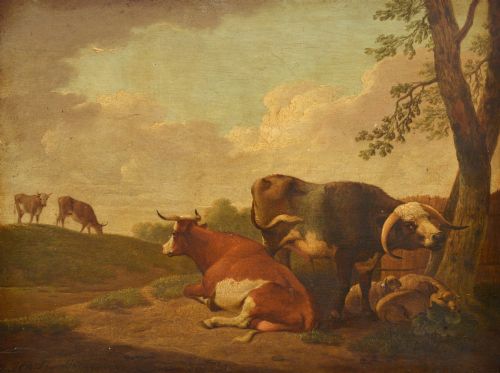
Subjects range from individual portrait studies of named racehorses and hunting dogs to broader scenes of livestock grazing by a loch or inside a barn.
How do I date a traditional animal painting?
Dating relies upon stylistic markers, artist signatures, framing materials, and the clothing or agricultural equipment depicted in the background.
Nineteenth-century pieces often use oil on canvas within giltwood frames, while later works extend into the mid-twentieth century on board or panel.
Where were these paintings displayed originally?
Owners hung these artworks in country houses, estate libraries, and sporting lodges to celebrate prized livestock and hunting achievements.
Today, they suit similar domestic interiors, bringing historical rural character and traditional portraiture to living spaces.
Are these paintings signed by the artist?
Many examples bear the signature or initials of the artist, while others remain attributed to specific schools or folk art traditions.
Unsigned works are judged by their handling of paint, canvas preparation, and stylistic similarities to known period painters.