


Trade Balance Scales
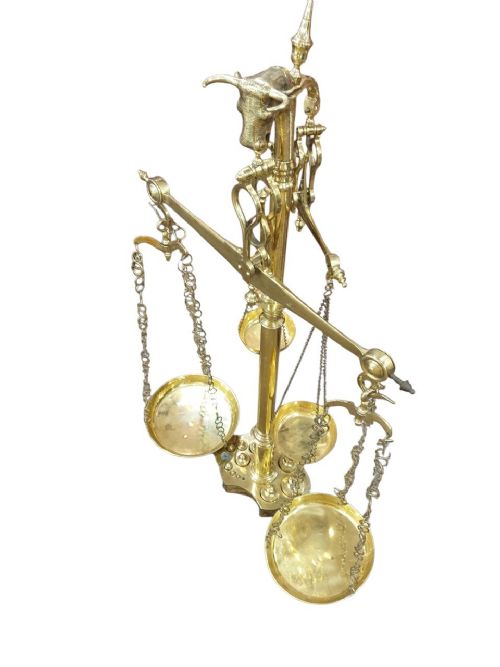
Trade balance scales are robust historical weighing instruments fashioned for commerce and trade, sought after for their honest utilitarian design and tactile brass and iron construction.
Trade Balance Scales
Trade balance scales encompass a diverse group of weighing apparatuses designed for commercial, domestic, and professional use across the nineteenth and twentieth centuries. When exploring trade balance scales on this page, buyers encounter everything from large floor-standing butcher scales and grocers scales to delicate chemist beam scales and verification balances.
Most pieces date from the Victorian and Edwardian eras through to the mid-twentieth century, originating from British workshops, Dutch makers, and Southeast Asian traditions. Buyers selecting these objects often bring historical weight sets and functional balances into modern interiors for display or practical use.
Materials and Construction
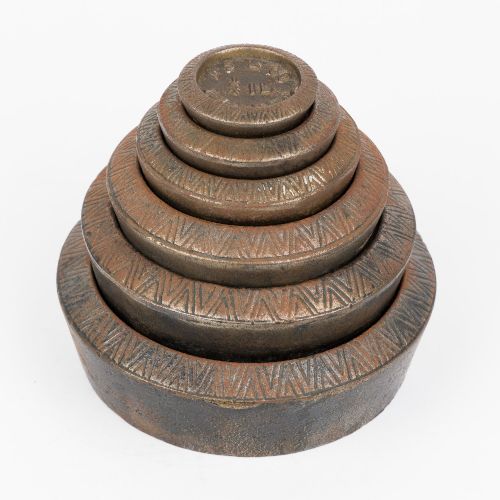
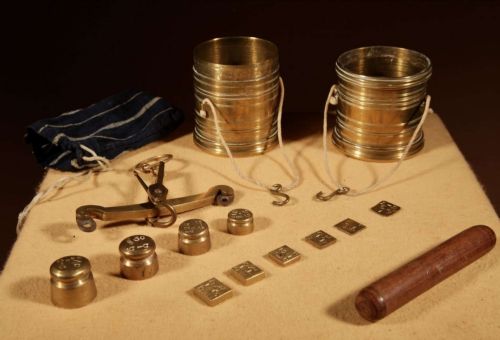
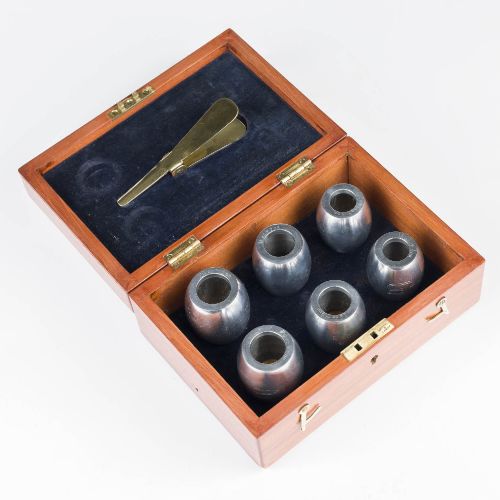
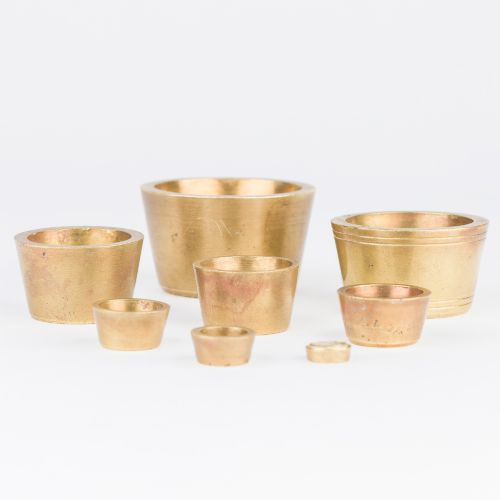
Makers utilised resilient metals such as brass, bronze, and cast iron to form the structural beams, pillars, and pans necessary for accurate weight distribution. Hardwoods like mahogany provided stable bases and fitted block stands for sensitive apothecary and troy ounce weights.
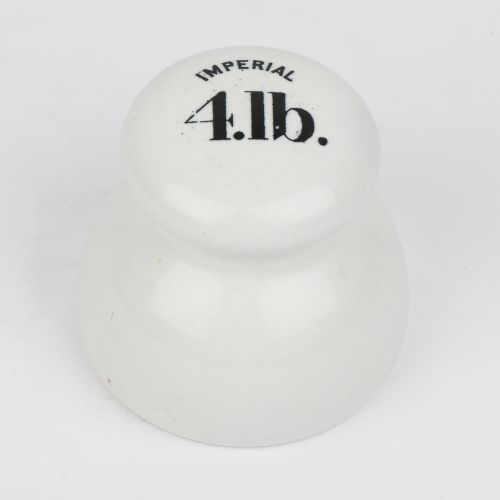
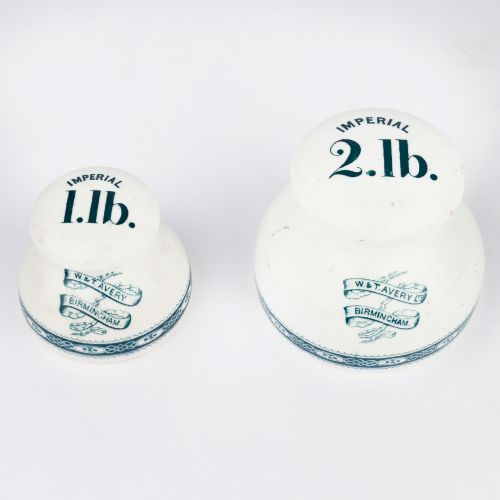
Cast and wrought iron components supplied the heavy-duty framing required for monumental floor-standing butcher scales and industrial grocers scales. Ceramic elements appeared in scale pans and dedicated weights, often paired with brass fittings and precise hand-stamped or sign-written markings.
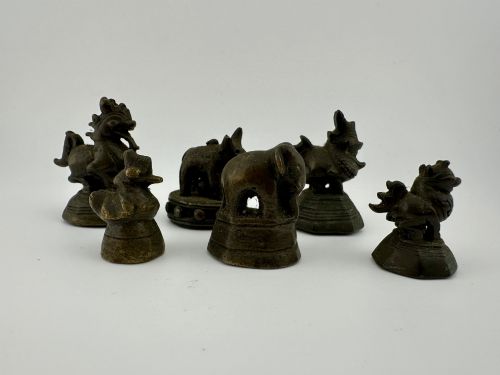
Materials documented across the inventory include ceramic scale pans, wrought iron framing, and cast bronze animal weights.
Factors of Quality
Quality rests upon the precision of the beam balance, the integrity of the original metal surfaces, and the completeness of accompanying weight sets. Superior examples retain their original matching pans, clear maker stamps, and unpolished patination on the brass and bronze components.
The refinement of the joinery in wooden bases and the crispness of the cast lettering separate standard utilitarian equipment from exceptional institutional instruments produced for city inspectors and guilds.
De Grave Short & Co·W & T Avery·Fairbanks Scales·Bartlett & Sons
The Trade Balance Scales Glossary
- Beam scale
- A weighing device consisting of a horizontal lever with arms of equal length, suspended from a central pivot point. This design forms the fundamental mechanism behind most traditional trade scales.
- Bushel balance
- A specific type of scale engineered to measure dry volume by weight, often associated with nineteenth-century Dutch agricultural commerce. These sets frequently include custom fitted wooden containers.
- Troy ounce
- A system of units of mass traditionally used for precious metals and apothecary items. Sets of troy weights are housed in fitted wooden blocks to prevent wear.
- Opium weight
- Small animal- or geometric-form weights originating from Southeast Asian trade networks, typically cast in bronze. Collectors prize these figures for their distinct regional sculptural qualities.
- Verification balance
- A high-precision scale utilised by government inspectors to check commercial weights and measures for accuracy. These instruments display exceptional mechanical tolerances.
Trade Balance Scales: Frequently Asked Questions
How do I clean antique brass scales?
Dust the brass components gently with a dry microfibre cloth to remove surface particles without disturbing the historical patina.
Avoid harsh commercial chemical polishes that strip away age and diminish the character of nineteenth-century surfaces.
Are these scales still accurate today?
Many beam scales retain their mechanical precision if the central fulcrum and knife-edge pivots remain undamaged and well-balanced.
However, most buyers acquire trade scales primarily for decorative display and historical appreciation rather than daily kitchen calibration.
What is the difference between grocers and apothecary scales?
Grocers scales are built heavy and robust to handle large volumes of produce and meat, often featuring large brass pans or iron hanging mechanisms.
Apothecary and chemist scales are delicate precision instruments housed or balanced for measuring tiny quantities, frequently accompanied by small weights in wooden blocks.
How can I date my balance scales?
Examine the piece for stamped maker marks, patent dates, and verification stamps left by regional inspectors from the Victorian or Edwardian periods.
Material choices, such as the transition from heavy mahogany bases to cast iron framing, also offer strong clues to the decade of manufacture.