


Tortoiseshell Jewellery Casket
These tortoiseshell jewellery caskets combine warm shell with silver, brass and wood to hold small treasures on a dressing table.
Tortoiseshell Jewellery Casket
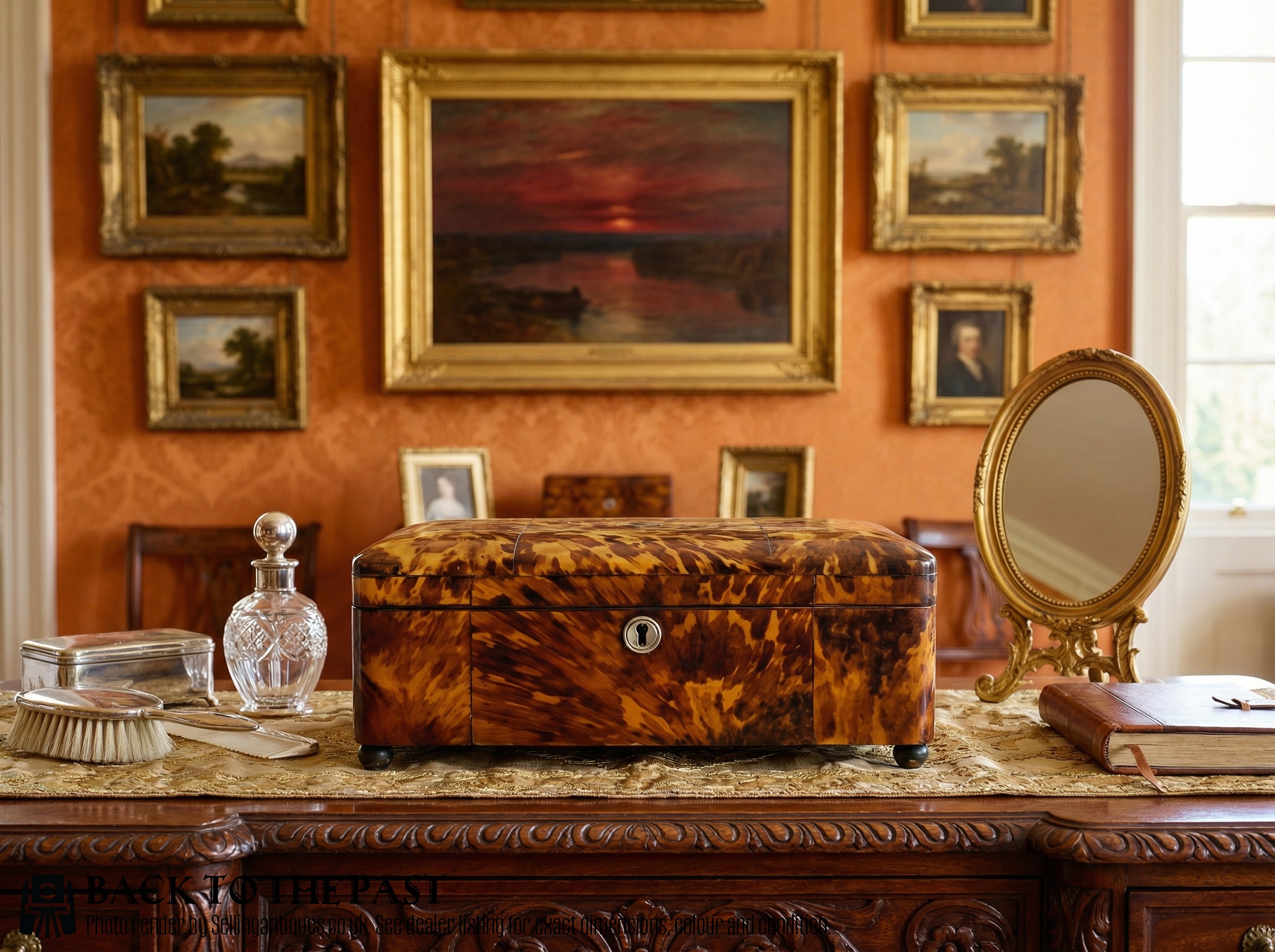
A tortoiseshell jewellery casket brings together organic shell and precious metal mounts in table top forms designed for personal treasures. When you search for a tortoiseshell jewellery casket, you encounter pieces spanning the nineteenth and early twentieth centuries, from Victorian and Edwardian examples to earlier Regency and Georgian designs.
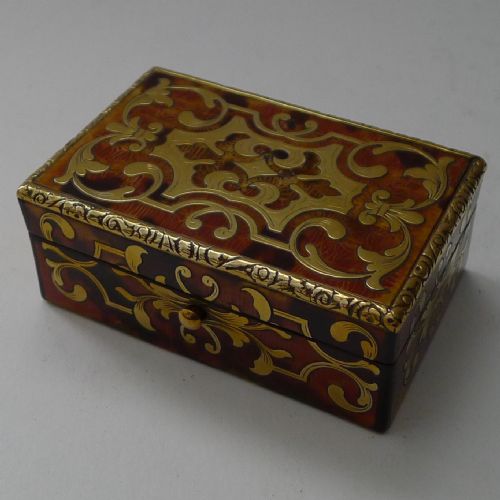
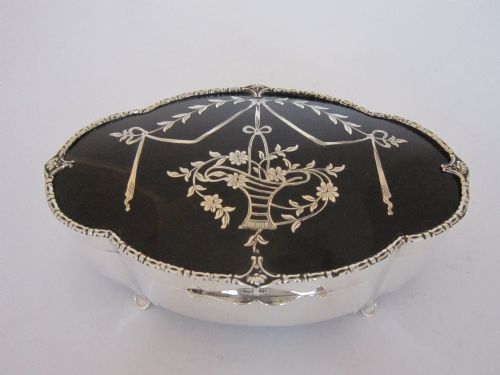
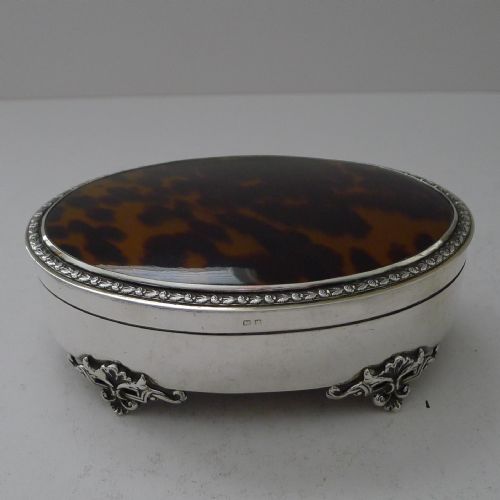
The selections on this page appear in various object types, including fitted dressing boxes, sewing boxes, stud boxes and larger table top caskets. You find English sterling silver mounts, French Boulle work and Dutch Colonial silver gilt interpretations among the listed forms.
The styles range from the geometric restraint of the George V era to elaborate Napoleon III Boulle work and Dutch Colonial betel nut boxes. Most pieces balance functional storage with decorative presence, sitting upon small feet or table bases.
Materials and Construction
Maker construction relies on translucent plates of tortoiseshell applied over a supportive core of wood or metal frames. These delicate shell panels are meticulously shaped and secured with pins or adhesive before being framed by metal mounts.
Sterling silver, silver gilt and brass provide structural borders, hinges, escutcheons and decorative feet. Silver components frequently carry hallmarks that date the mounts, while French Boulle work incorporates brass and tortoiseshell in intricate marquetry patterns.
Distinguishing Quality
Quality rests upon the preservation of the tortoiseshell panels and the precision of the metal mounts. Fine examples display rich amber and brown mottling without major fractures, alongside tightly fitted silver or brass hinges that operate smoothly.
Interior fittings elevate a piece, especially when lined in original velvet or silk with fitted compartments for rings and pins. The integration of maker signatures, such as Lund Of Cornhill, or crisp hallmarked sterling silver further distinguishes finer specimens from standard decorative boxes.
Lund Of Cornhill
The Tortoiseshell Jewellery Casket Glossary
- Tortoiseshell
- A mottled brown and amber material obtained from the shell of certain marine turtles, historically utilised for decorative box veneer and luxury objects.
- Boulle work
- An elaborate form of marquetry utilising tortoiseshell and brass inlaid together, popularized in France during the seventeenth century and revived in later periods.
- Sterling silver
- An alloy of silver containing 92.5 percent pure silver and 7.5 percent other metals, commonly used for the mounts, hinges and shields on these caskets.
- Silver gilt
- Silver objects that have been coated with a thin layer of gold on the surface, seen on Dutch Colonial and Batavian boxes.
- Escutcheon
- A protective plate surrounding a keyhole, frequently cast in brass or sterling silver on antique caskets.
Tortoiseshell Jewellery Casket: Frequently Asked Questions
What periods do these caskets come from?
The pieces span from the Georgian and Regency eras through the Victorian and Edwardian periods up to the 1920s George V years. You also find nineteenth century continental and colonial interpretations.
Dates are often indicated by silver hallmarks on the mounts or stylistic markers inherent to specific manufacturing decades.
How were these boxes originally used?
These caskets served as luxurious table top receptacles for ladies' jewellery, sewing implements, studs, cufflinks and small keepsakes. Some larger variations functioned as fitted dressing boxes for daily personal grooming.
Their placement was typically on dressing tables, sideboards or drawing room surfaces where visitors could admire them.
What materials make up a tortoiseshell casket?
The primary material is natural tortoiseshell, which is applied as a veneer over a wooden or metal carcase. This is combined with mounts of sterling silver, brass, or silver gilt.
Interiors are often lined with textile fabrics such as silk or velvet to cushion the jewellery and accessories stored within.
How do I tell English and continental boxes apart?
English pieces from the Victorian and Edwardian periods frequently feature sterling silver mounts stamped with official assay office hallmarks. Continental and colonial examples, such as French Boulle work or Dutch Colonial pieces, rely on distinct decorative techniques like brass marquetry or silver gilt.
Regional differences in wood carcases and locking mechanisms also point to specific European or Asian export origins.