




Tobacciana Match Striker
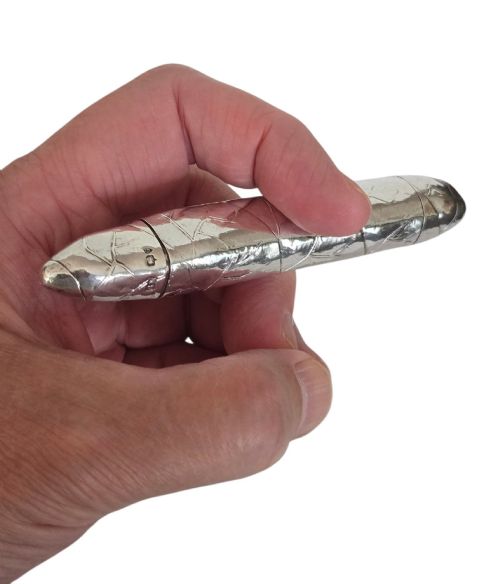
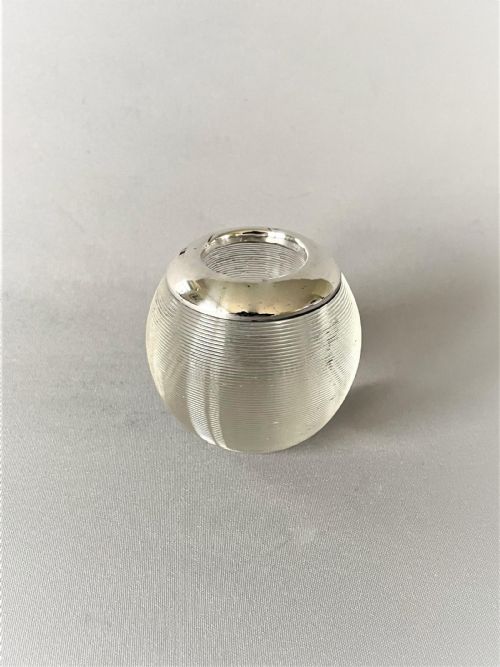
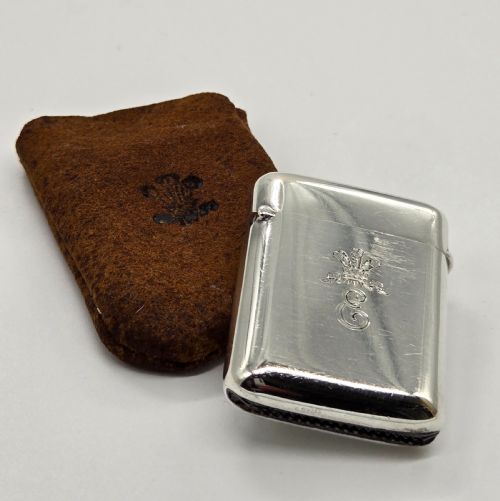
These tobacciana match striker pieces bring tactile history to your desk, offering miniature artistry in sterling silver, carved wood, and porcelain.
Tobacciana Match Striker
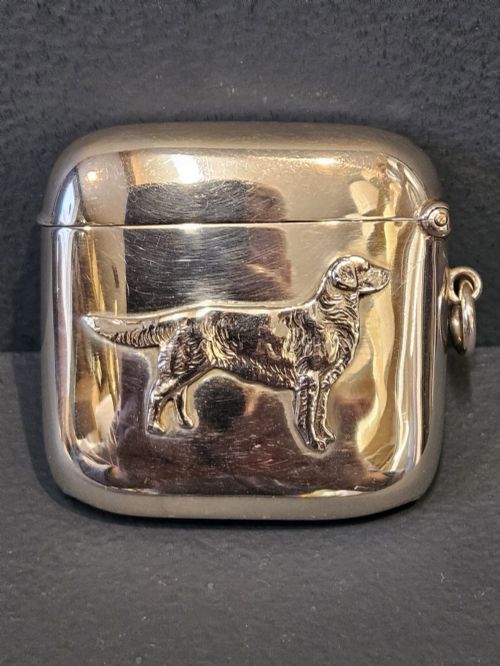
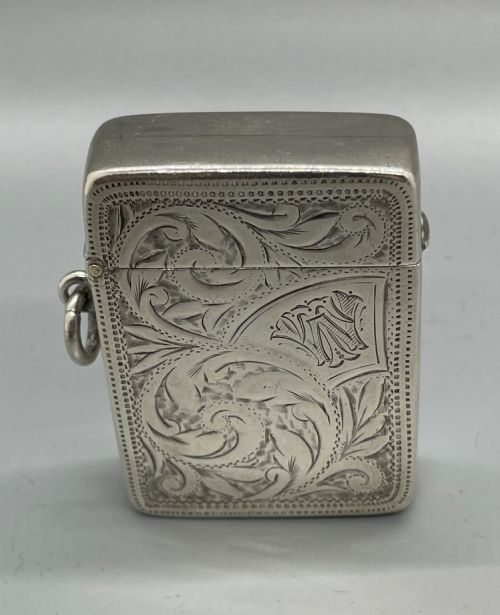
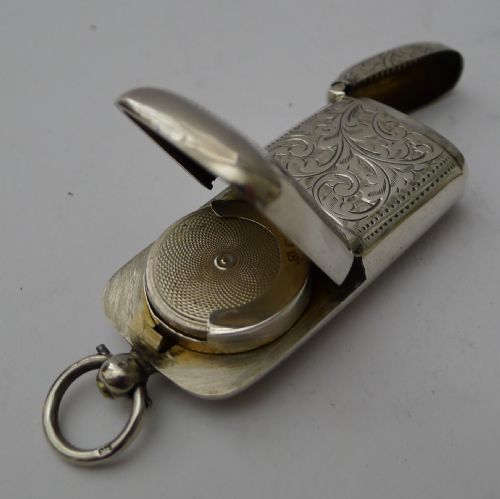
When you search for tobacciana match striker, you are looking at functional smoking accessories designed to hold matches and strike them on a textured surface. These items range from pocket vesta cases to desk match holders created during the Victorian, Edwardian, and Art Deco periods.
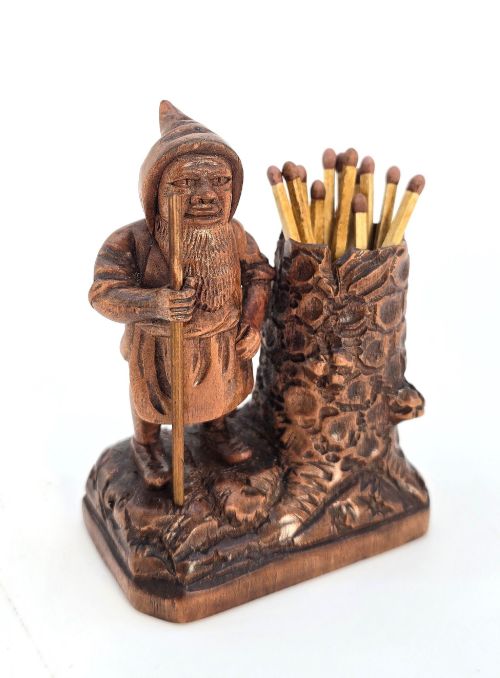
You are most likely to meet sterling silver vesta cases alongside carved limewood and porcelain novelty figures on this page. Examples stretch from late nineteenth century workshop creations to 1930s advertising pieces.
The assortment spans utilitarian pocket safes and whimsical desk ornaments, reflecting the daily habits of past smokers. Each piece bridges practical utility with the decorative tastes of its decade.
How they were made
Metalsmiths shaped sterling silver through stamping, casting, and engraving to produce pocket vesta cases and mounted match holders. Hallmark stamps provide official records of assay offices and production dates.
Carvers shaped limewood and other woods by hand to form detailed novelty figures such as gnomes and animals. Potters moulded ceramic and porcelain to create glazed advertising match strikers and half doll figures.
Makers integrated striated ceramic or crosshatched metal surfaces directly into the body of the object to provide the friction needed for igniting matches.
What varies in quality
The distinction between ordinary production and superior work lies in the crispness of the chasing on silver or the depth of hand-carving in wood. Maker marks from established firms indicate higher workshop standards.
Novelty forms that maintain anatomical accuracy in animal or human figures display greater artisan skill than mass-produced geometric items. Intact enamelling and well-preserved strikers elevate the desirability of a piece.
Sampson Mordan & Co·Raphael Tuck & Sons·Alfred Clark
The Tobacciana Match Striker Glossary
- Vesta case
- A small pocket container designed to hold safety matches and keep them dry. These containers feature a ribbed striking surface on the base.
- Sterling silver
- An alloy containing ninety-two point five percent silver by mass, widely used for durable pocket items. Silver pieces often bear town marks, date letters, and maker initials.
- Hallmark
- An official stamp applied by an assay office to precious metal items. These marks confirm the purity of the metal and the year of manufacture.
- Tobacciana
- Antiques and collectables associated with the consumption of tobacco. This category includes match holders, vesta cases, and cigarette strikers.
Tobacciana Match Striker: Frequently Asked Questions
How do you use a vintage match striker?
Safety matches are drawn firmly across the integrated ribbed or crosshatched surface of the striker to create friction and ignite.
Most pieces function just as they did originally, though modern matches can also be used against period striking panels.
What is the difference between a vesta and a match striker?
A vesta is a portable pocket case with a hinged lid designed to carry matches safely on your person. A match striker is typically a stationary desk or bar accessory meant to remain in one location.
Both serve the primary purpose of holding and lighting matches, but vestas prioritise personal portability.
How do I date a silver vesta case?
You can date a silver vesta case by examining the hallmarks stamped into the metal, which include a date letter corresponding to the assay office records. Maker marks and style indicators also help narrow down the decade of production.
Victorian and Edwardian pieces often display clear assay office symbols that pinpoint the exact year.
Where were match strikers kept?
Match strikers were kept on smoking tables, desks, and bars in domestic and public spaces. Pocket vestas were carried in waistcoats, pockets, or attached to watch chains.
Their placement depended entirely on whether the piece was designed for travel or stationary indoor use.