
Timber Wall Plaque
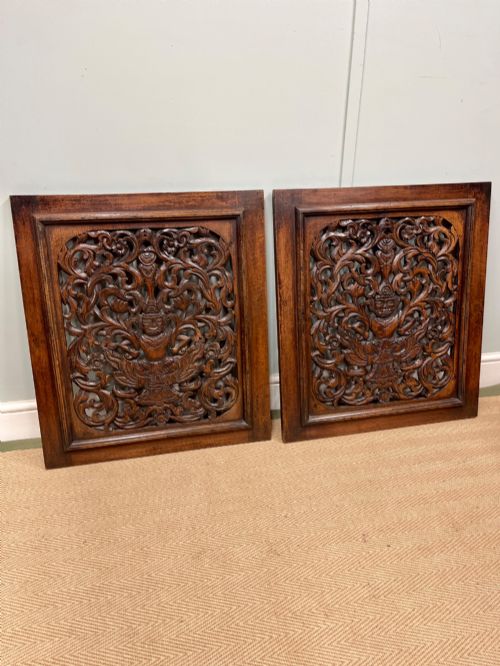
These timber wall plaque examples bring centuries of carved relief, architectural salvage and historic wood panels straight into a modern interior.
Timber Wall Plaque
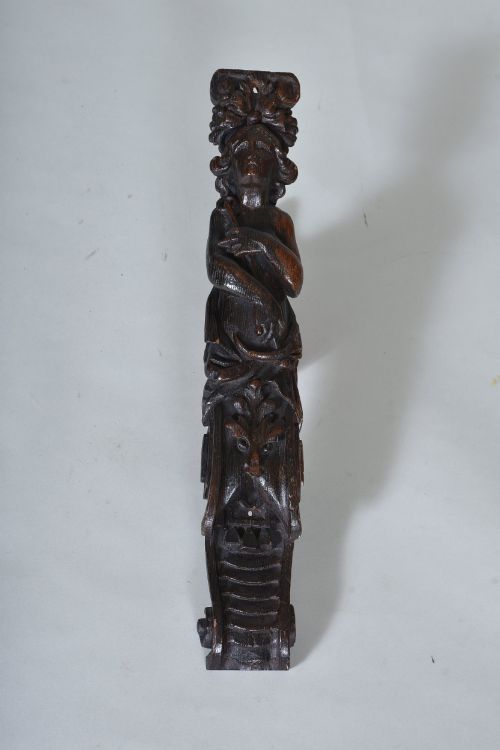
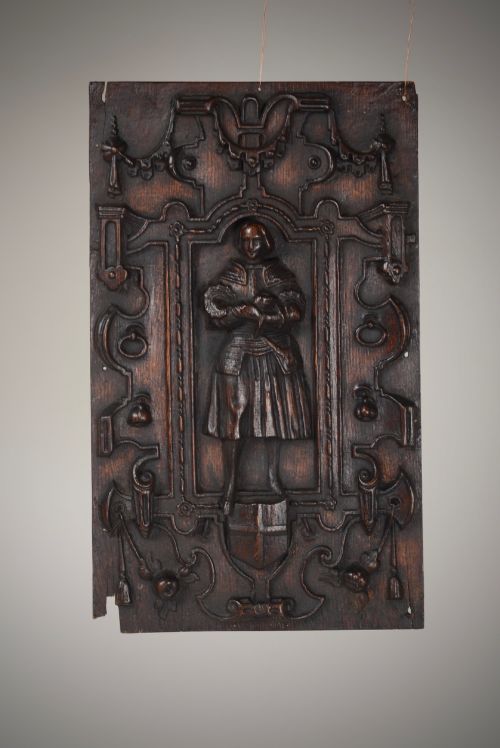
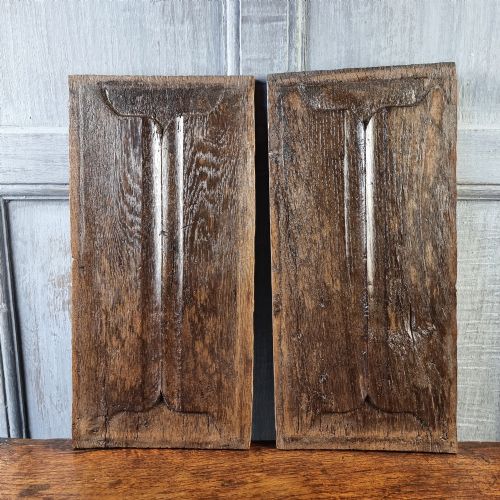
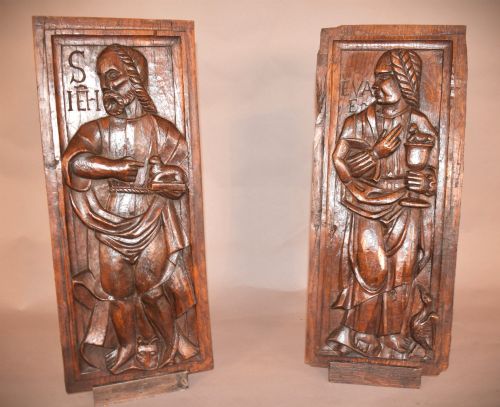
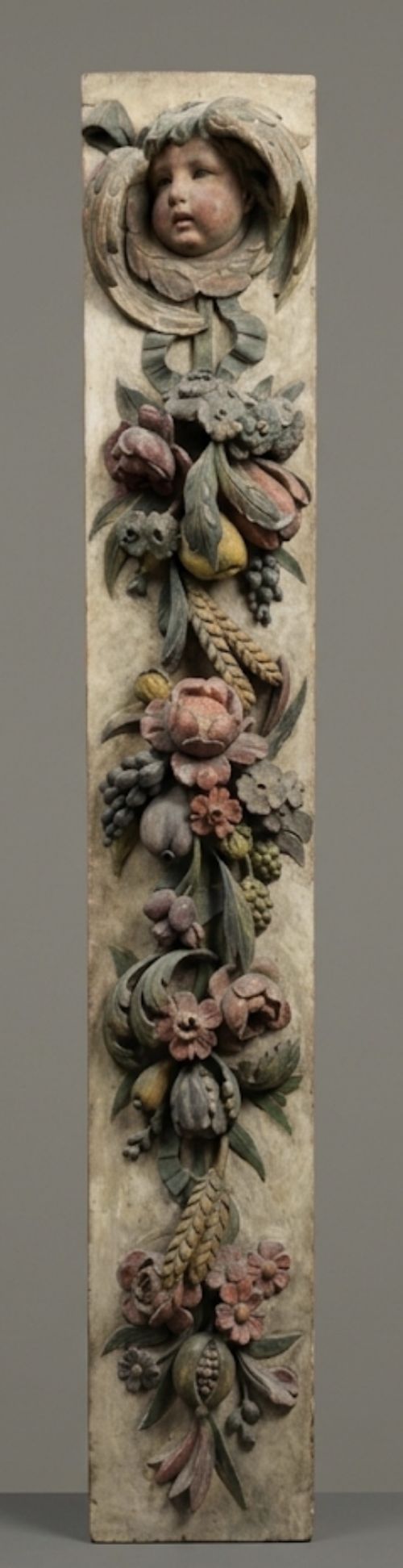
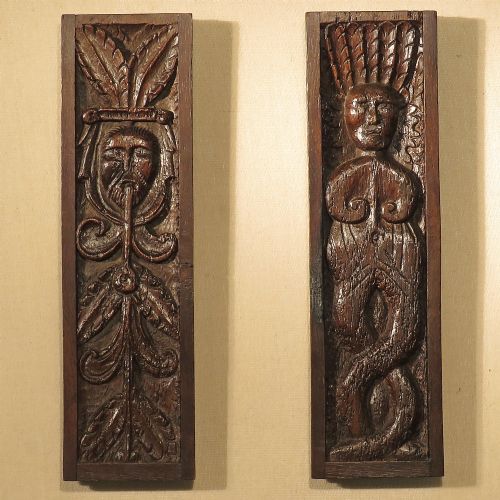
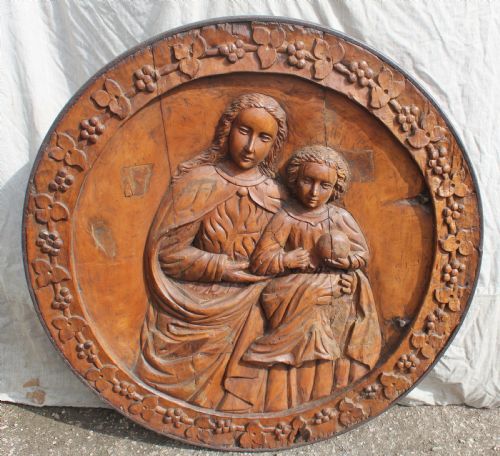
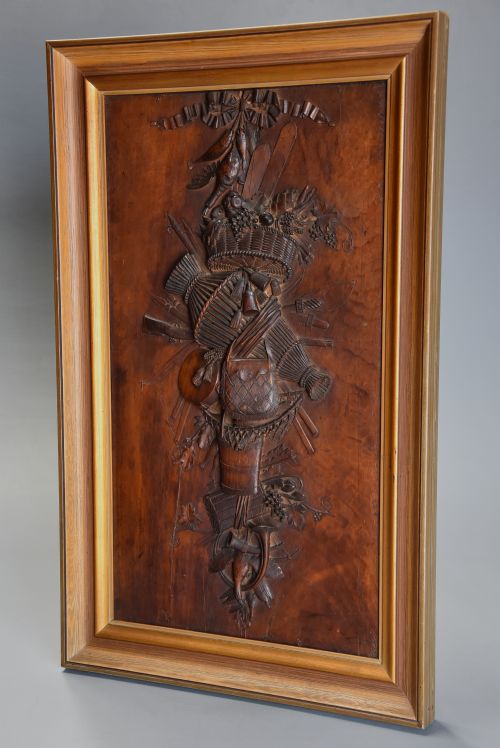
A timber wall plaque covers historic carved panels, architectural salvage, relief sculptures and decorative wall art produced across multiple centuries. Buyers seeking these pieces encounter items ranging from early oak panels and linenfold carvings to Victorian Black Forest hunting trophies and Chinese wooden plaques.
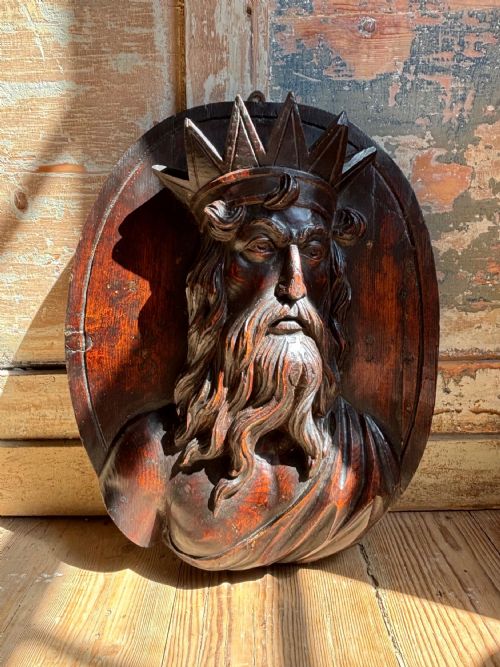
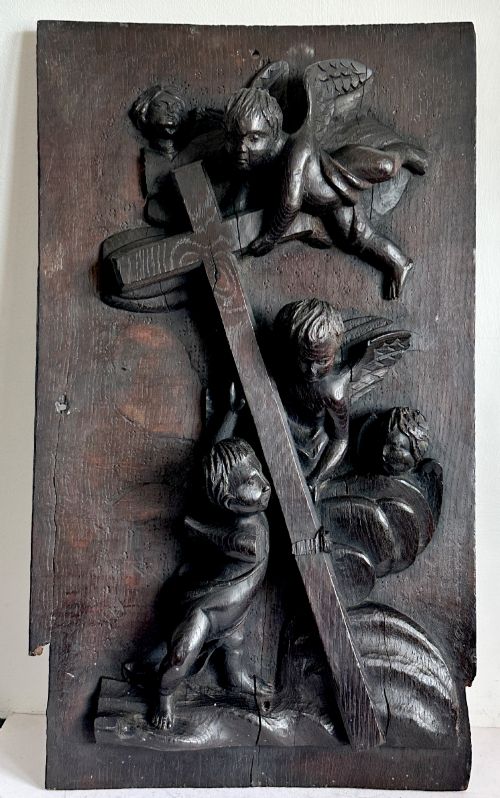
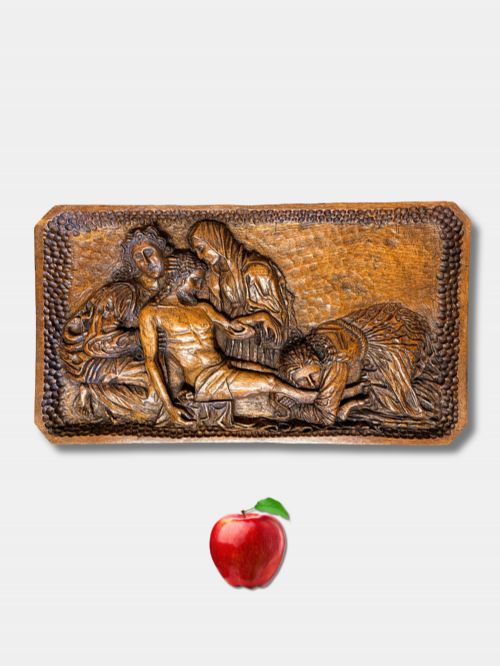
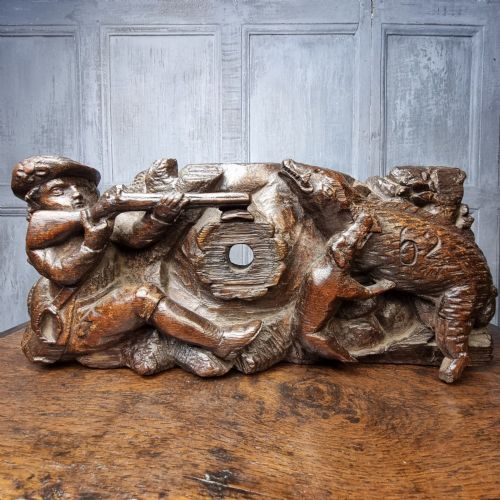
The selection leans heavily toward seventeenth-century oak carvings and nineteenth-century decorative panels. Subjects span religious figures, mythological scenes like Neptune, heraldic motifs, and animal carvings.
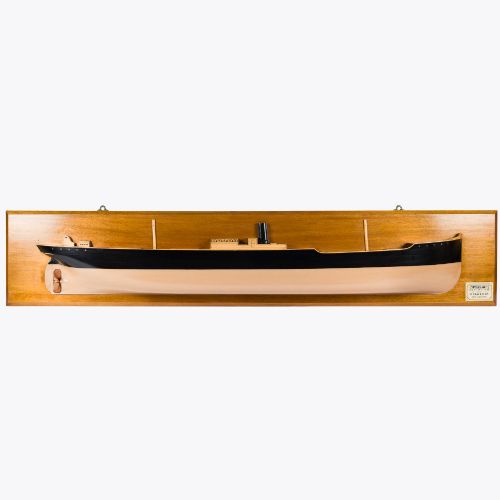
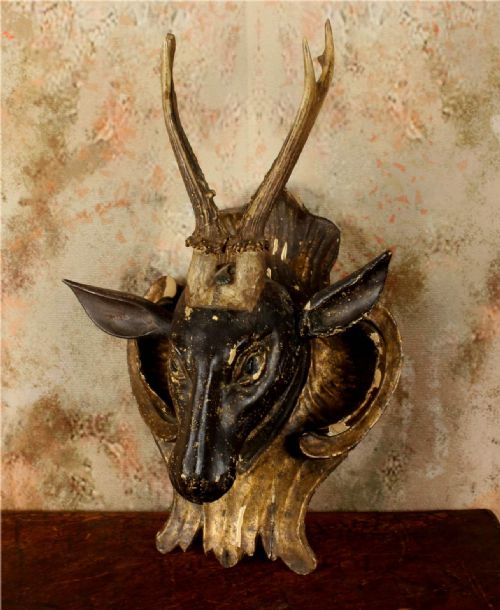
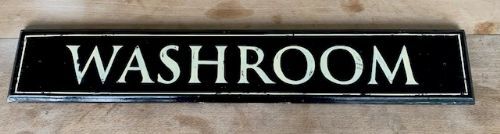
Forms vary from flat wall panels and architectural fragments to half-hull ship models, taxidermy mounts, and painted signs. Each object mounts directly to a wall, functioning as a focal point or part of a larger decorative arrangement.
Materials and methods
Makers relied primarily on native hardwoods such as oak, walnut, chestnut, and fruitwood, shaping them with gouges, chisels, and hand planes. Relief carvings required deep subtraction from solid blocks, while architectural fragments and panels were joined using traditional timber framing techniques.
Surface treatments included clear wax finishes to nourish the grain, applied polychrome paint, and dark stains intended to highlight intricate details. Black Forest and continental workshops utilised fine hand-carving to achieve realistic textures in fur, foliage, and human figures.
Listings include timber plaques spanning the sixteenth to the twentieth century, rendered in oak, walnut, mahogany, fruitwood, and lacquer.
Distinctions in quality
Depth of carving and clarity of detail separate standard decorative items from superior works. Finer pieces demonstrate precise anatomical proportions in figures and animals, alongside crisp undercut foliage that creates genuine shadow and depth.
Material selection and age-related patina heavily influence the standing of each piece. Intact original surfaces, stable timber without extensive modern repairs, and well-preserved historic polychrome or wax finishes mark the higher tier of these wall carvings.
W. Grey & Co
The Timber Wall Plaque Glossary
- Linenfold
- A style of wood panel moulding used in early joinery to imitate folded linen fabric. It appears frequently on sixteenth and seventeenth-century panels.
- Relief carving
- A sculptural technique where figures and designs project from a flat background. High relief elements detach significantly from the timber plane.
- Polychrome
- The practice of decorating architectural elements or wood carvings in multiple colours. Historic pieces retain traces of original paint layers beneath later clear coats.
- Architectural salvage
- Building components rescued from demolition or alteration, repurposed as wall art. Items include fragments of stone, glass signs, and carved timber pediments.
- Trophy carving
- A decorative panel depicting game animals, hunting equipment, or heraldic symbols. Black Forest examples often feature detailed deer, foxes, or dogs.
Timber Wall Plaque: Frequently Asked Questions
How should I clean historic carved wood?
Dust carved surfaces gently using a soft, dry brush or a lint-free cloth to lift debris from deep recesses without abrading the timber. Avoid liquid cleaners, household sprays, and water, which strip historic wax and damage aged finishes.
Applying a microcrystalline wax sparingly once a year helps protect dry antique wood and maintains a soft sheen. Test any conservation product on a hidden corner before treating the entire plaque.
How do I date an old carved wood panel?
Dating relies on examining tool marks, timber species, joinery methods, and stylistic cues. Seventeenth-century panels often show hand-adzed surfaces and tight oak grain, while nineteenth-century copies may display mechanical saw marks or softer secondary woods.
Wear patterns, shrinkage cracks, and the composition of underlying paint layers provide additional clues. Comparing the subject matter to known periods, such as Gothic Revival or Baroque, narrows down the origin.
Can I hang antique wooden panels in a kitchen or bathroom?
Historic timber reacts strongly to fluctuations in humidity and temperature, making damp or warm environments risky for dry antique wood. Steam and moisture can cause ancient glues to fail, panels to warp, and historic paint to flake.
If you place a wooden plaque in a room with variable climate control, keep it away from direct heat sources, hovels, and steamy showers. Stable interior walls with consistent ambient conditions offer the safest environment.