

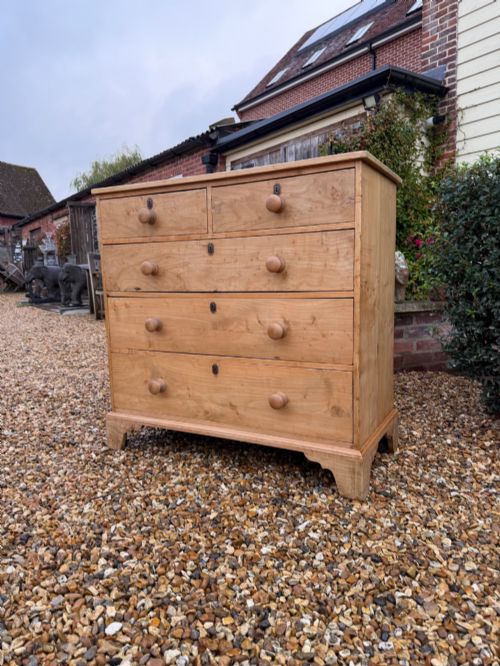
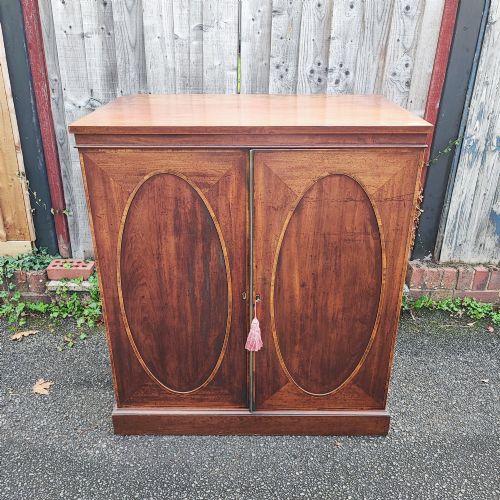
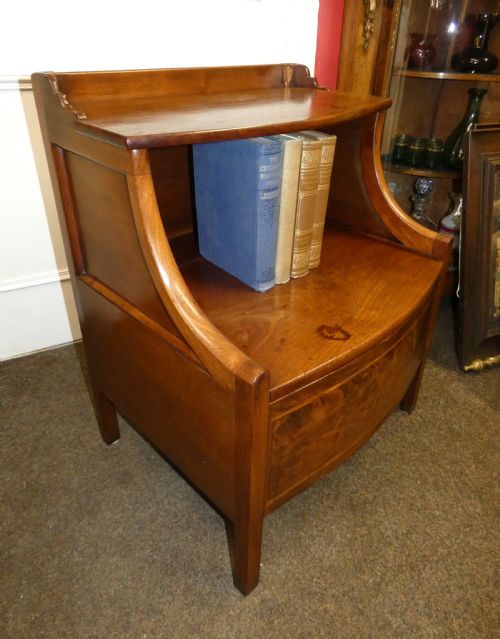
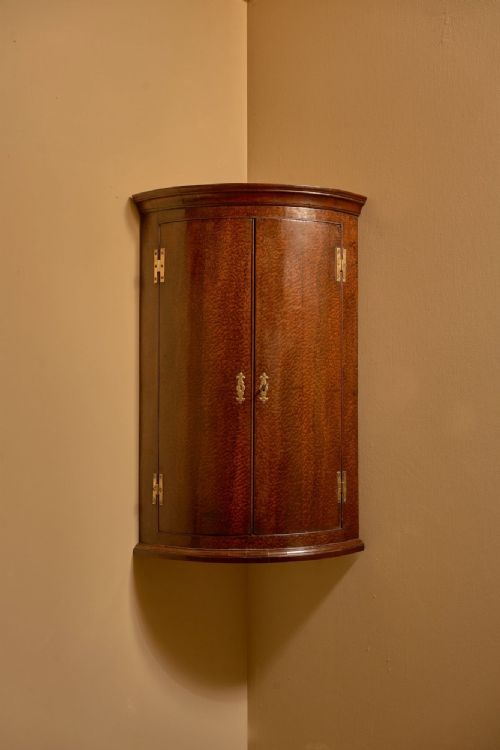
Timber Storage Cabinets
Timber storage cabinets span centuries of utilitarian design, offering practical organisation through finely crafted wood, brass and glass.
Timber Storage Cabinets
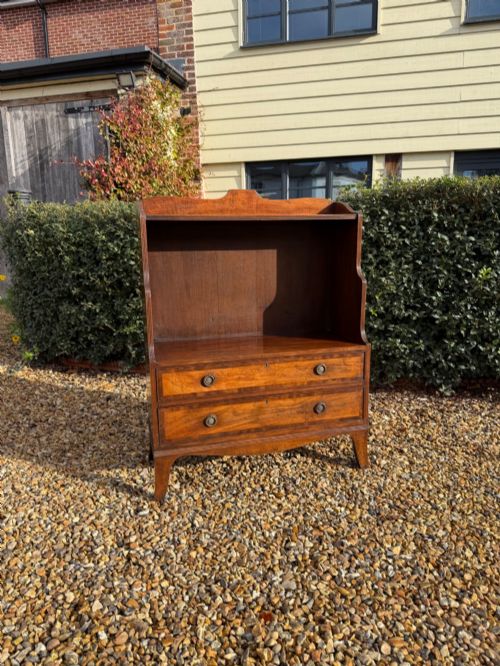
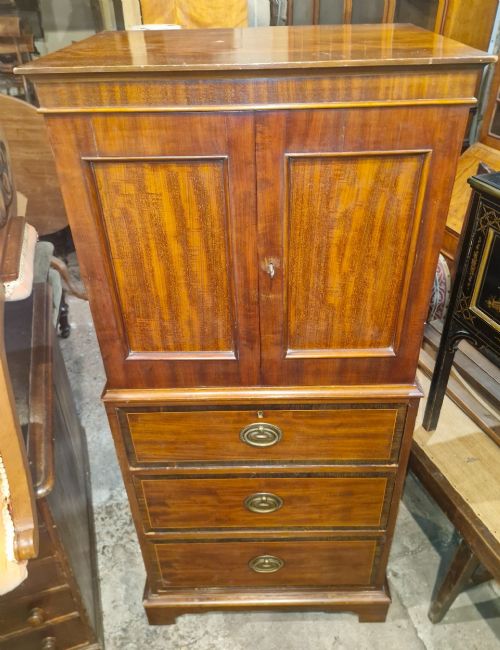
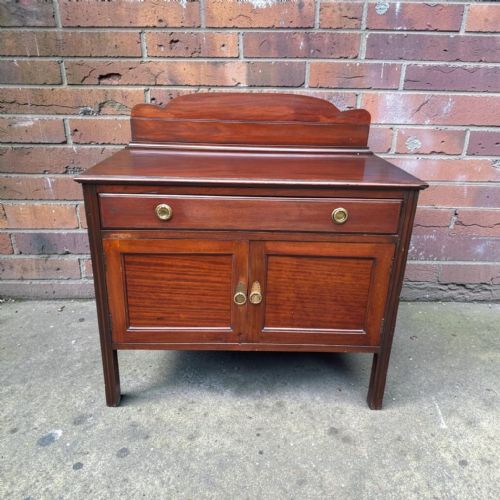
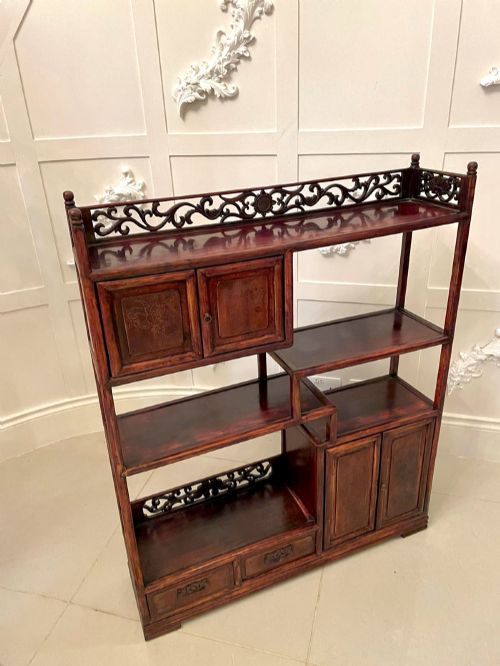
Timber storage cabinets encompass a diverse array of utilitarian furniture designed to house household goods, clothing and provisions. When exploring timber storage cabinets, buyers encounter forms ranging from compact bedside cupboards and corner units to extensive housekeepers' cupboards and apothecary banks of drawers.
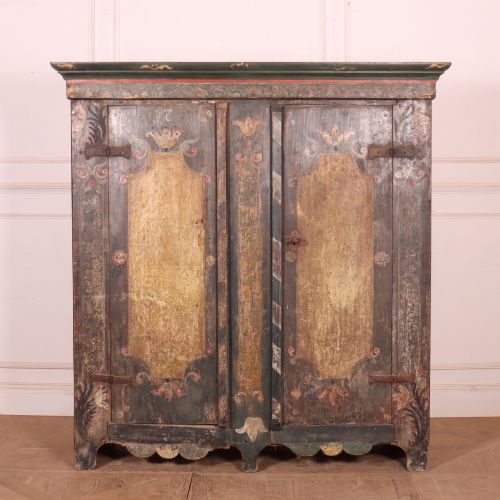
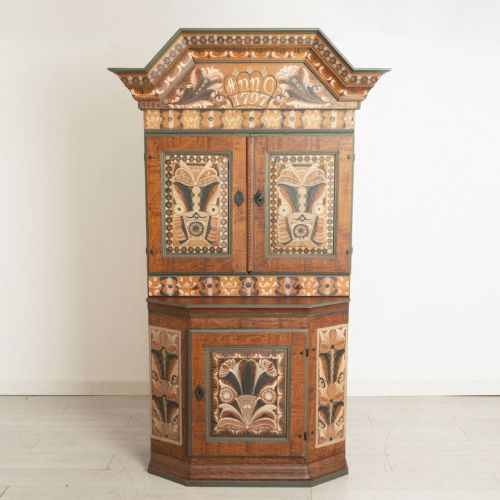
The selection reflects multiple centuries of domestic and commercial organisation, drawing from periods such as the Georgian and Victorian eras alongside early twentieth century production. Regional variations emerge clearly, with English country pine and oak sitting alongside French cherrywood, Swedish folk art pieces and Indian reclaimed teak.
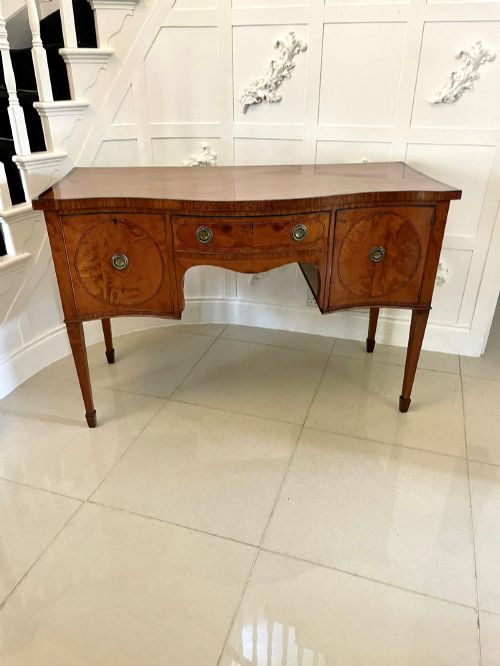
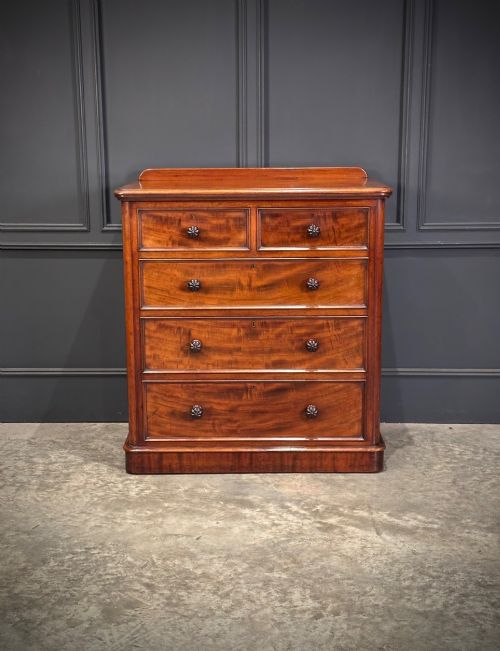
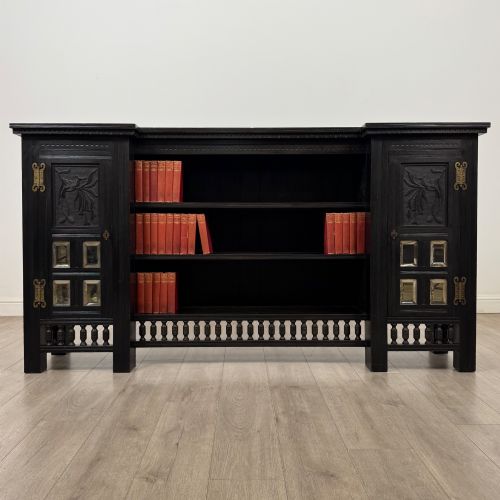
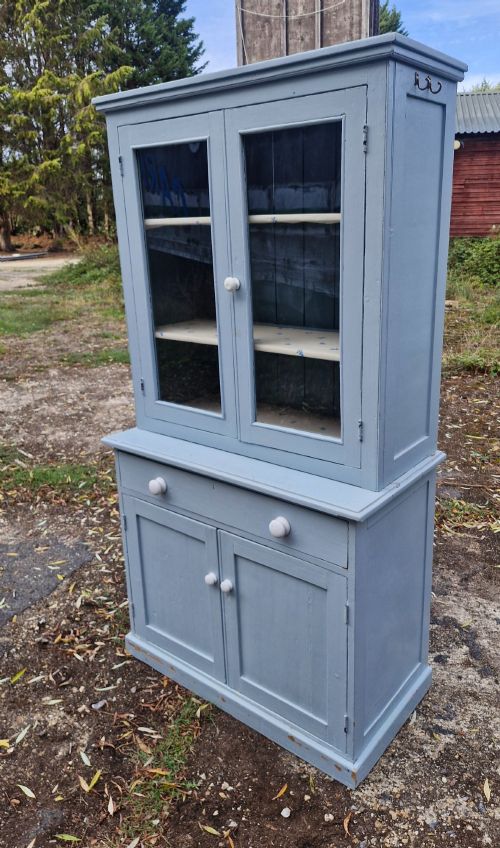
Most pieces serve specific functional domestic roles, whether as sideboards, bookcases, chests of drawers or wardrobes. The variety of timbers utilised includes mahogany, walnut, oak, ash, elm, yew and maple, often complemented by painted finishes, lacquer or glass door panels.
Materials and construction techniques
Construction relies heavily on solid hardwoods and softwoods selected for their structural durability and grain pattern. Mahogany, oak and walnut form the backbone of formal pieces, while pine serves utility furniture and regional folk pieces.
Joinery methods vary according to the period and workshop origin, incorporating traditional panelled doors, dovetailed drawer construction and turned or carved decorative elements. Hardware typically involves brass handles, escutcheons and hinges, while surface treatments range from clear polish to scumble paint, lacquer and hand-painted folk art.
Timber Storage Cabinets Retail Price Guide 2026
Typical asking prices for timber storage cabinets among the pieces listed under this phrase on Sellingantiques today, from the lower quarter to the upper quarter. They describe what is for sale here now, not the wider market.
Listings feature timber storage cabinets constructed from mahogany, pine, oak, teak, walnut, ash, elm and maple across multiple centuries.
Assessing quality in storage pieces
Quality rests primarily on the integrity of the timber selection, the crispness of any carved or inlaid detail and the retention of original surfaces. Pieces utilising figured veneers like plum pudding mahogany or burr walnut demonstrate superior cabinetmaking ambition.
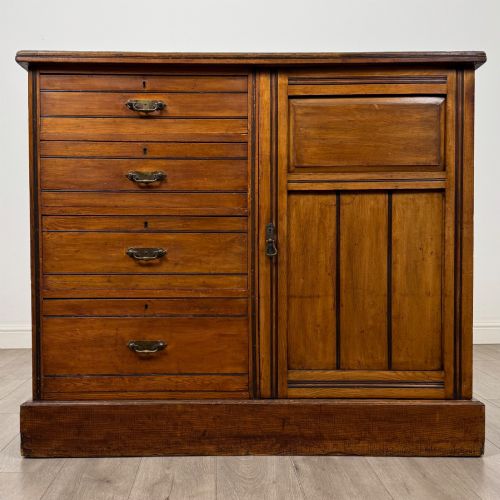
Structural honesty and original internal fittings, such as sliding linen trays, adjustable shelving or fitted drawers, elevate a piece above standard utility items. The integration of period-appropriate brass hardware and sound dovetail joints further distinguishes finer workshops from provincial output.
G. Bartholomew & Co·Whytock and Reid·Druce & Co.
The Timber Storage Cabinets Glossary
- Pot cupboard
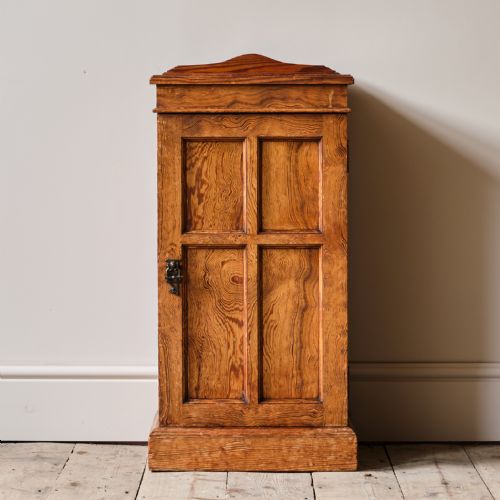
- A small bedside cabinet originally designed to house a chamber pot. These compact timber storage cabinets often feature a single door and marble or wood top.
- Corner cupboard
- A storage cabinet specifically built to fit the ninety-degree angle of a room. These can be wall-hanging or standing units, often featuring glazed or panelled doors.
- Chiffonier
- A low sideboard cabinet developed in the nineteenth century, usually featuring enclosed cupboards beneath a drawer and shelf tier. They are frequently constructed from mahogany or rosewood.
- Scumble paint
- A decorative surface finish applied to imitation wood grain or mottled textures over a base coat. It is commonly found on nineteenth-century pine furniture.
- Enfilade
- A long sideboard or storage unit designed to stand against a wall, featuring a continuous line of cabinet doors or drawers. This form is particularly prevalent in French provincial furniture.
Timber Storage Cabinets: Frequently Asked Questions
What are timber storage cabinets?
Timber storage cabinets are enclosed wooden furniture pieces designed to organise and conceal household items, ranging from small bedside cupboards to large housekeepers' units.
They incorporate various configurations of shelves, drawers and hanging space, reflecting the domestic storage needs of different centuries.
How were these cabinets used historically?
Historically, these cabinets served specific domestic functions such as storing linens, provisions, clothing, medical supplies or ceramics depending on the room they occupied.
Larger multi-part cupboards remained central to kitchen and utility management, while smaller sideboards and cabinets graced formal dining rooms and parlours.
How do I live with antique cupboards?
Living with antique timber storage cabinets involves placing them away from direct heat sources and sudden humidity changes to protect the wood and veneer.
Routine maintenance requires simple dusting and occasional application of appropriate wax to nourish the timber surface without building up residue.
How can I tell the period of a cabinet?
Dating a cabinet relies on observing structural characteristics, timber choices, hardware styles and construction techniques typical of eras like the Georgian or Victorian periods.
Examining drawer dovetails, backboards and interior construction often reveals the manufacturing era more accurately than surface decoration alone.