

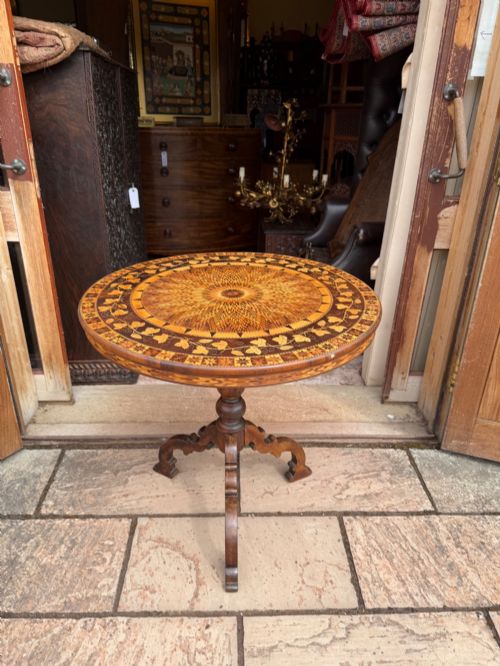
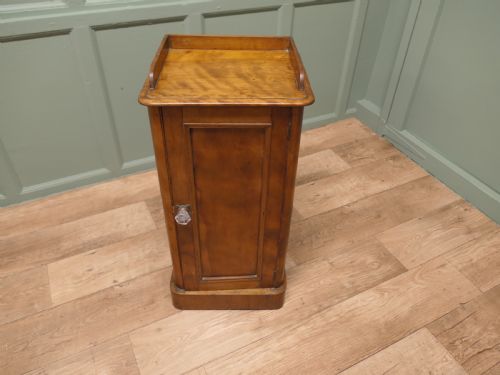


Timber Pedestal Table
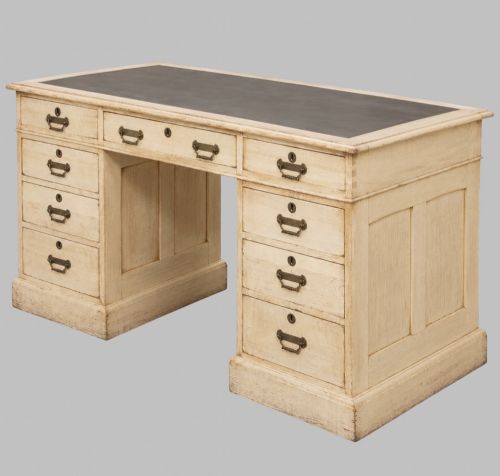
A timber pedestal table brings structural balance to a room, resting on a central column rather than traditional corner legs.
Timber Pedestal Table
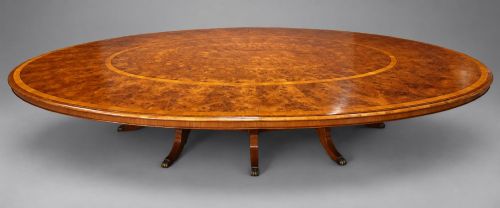
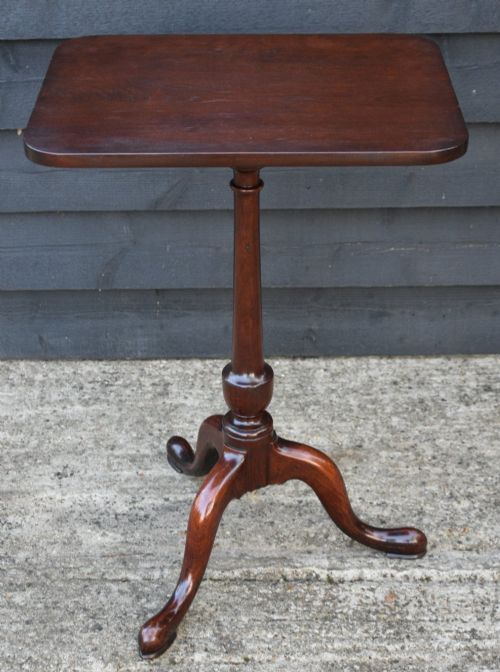
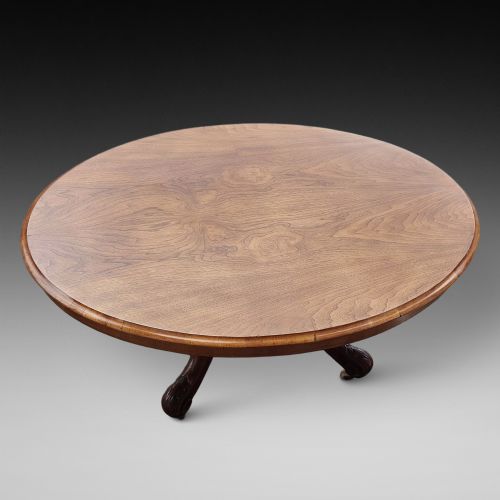
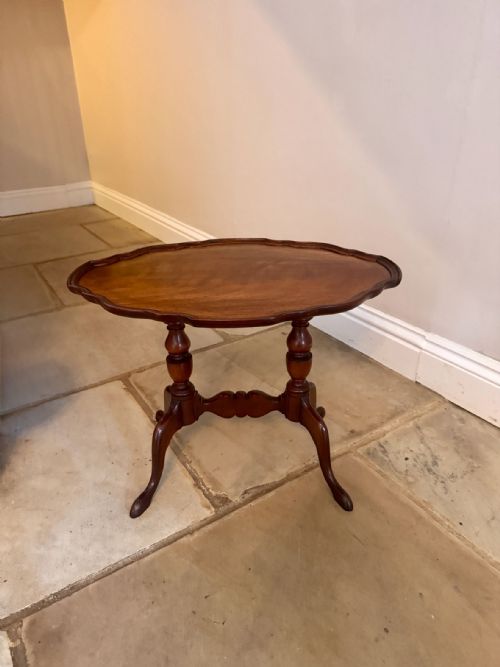
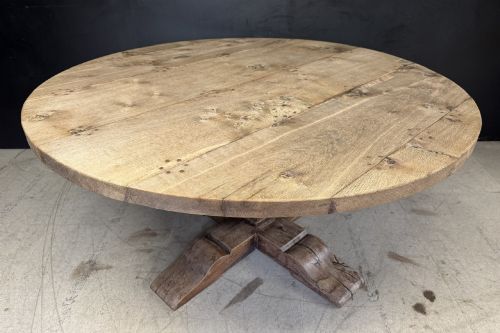
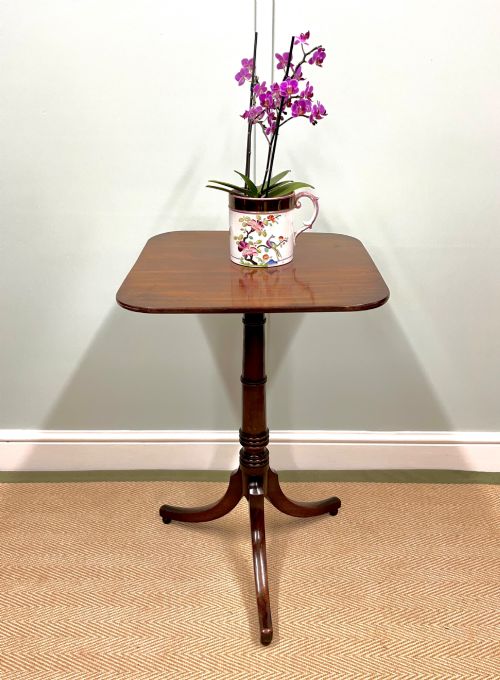
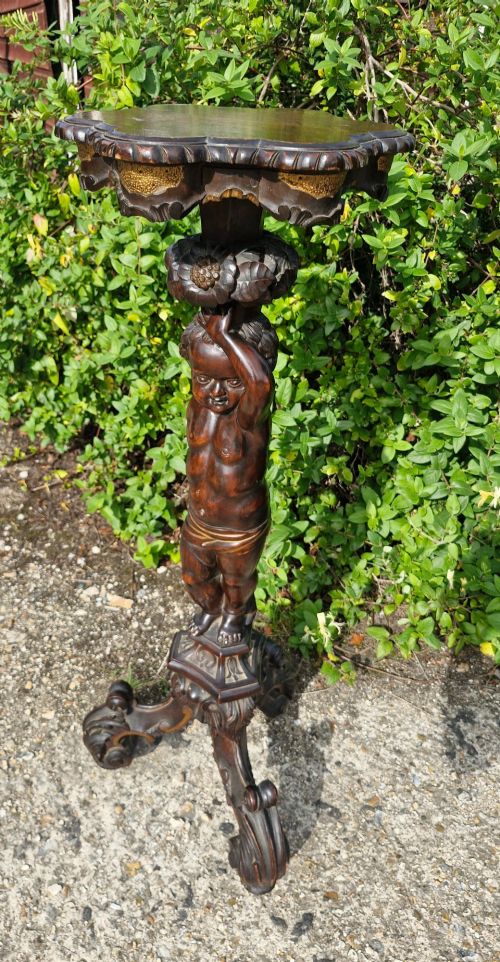
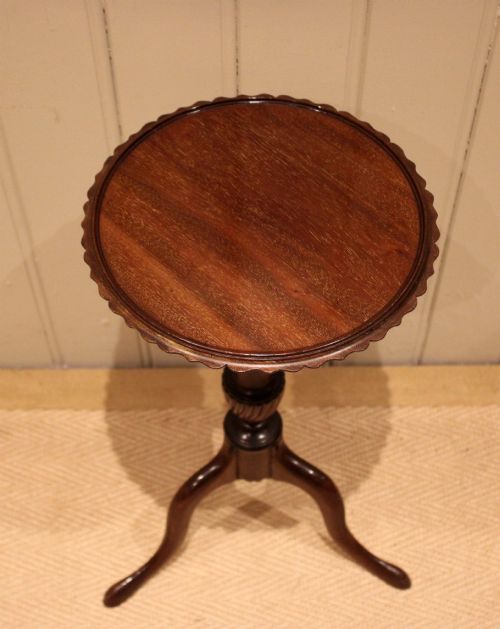
A timber pedestal table supports its top upon a single central column and base, offering practical legroom and a balanced silhouette. When considering a timber pedestal table, you encounter forms ranging from compact occasional and wine tables to large dining tables and carved stands.
The materials and origins span several centuries, with pieces emerging from Georgian, Victorian, and Edwardian workshops alongside Art Deco and later twentieth-century iterations. Mahogany, walnut, oak, and rosewood feature prominently across these domestic and formal formats.
How they were made
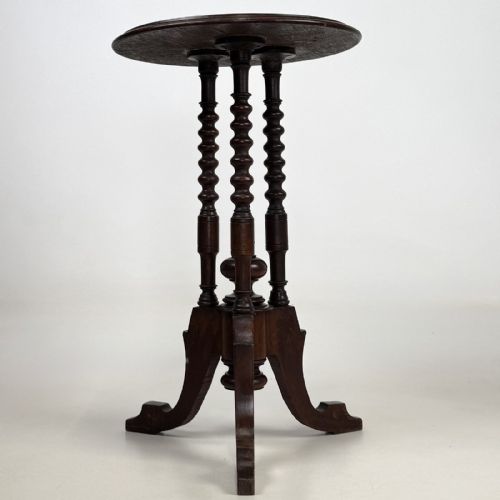
Cabinet makers utilised dense hardwoods such as mahogany, walnut, and oak to construct the central pillars and stable tripod or platform bases. Joinery techniques ensured the vertical column bore the weight of the top securely, often employing turned timber or carved detailing.
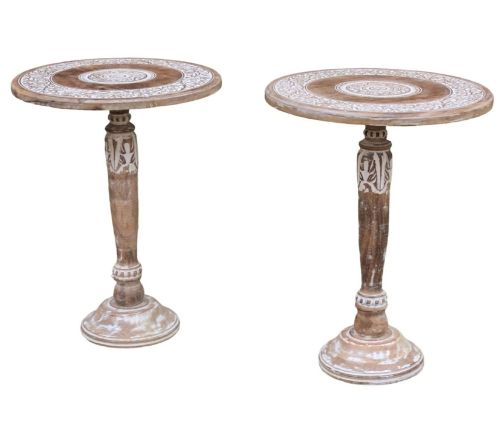
Surface treatments included French polishing, intricate carving, and inlaid veneers of exotic woods or mother of pearl. Brass fittings and marble tops also appear on specific export and occasional formats, adding weight and textural contrast to the timber frames.
Timber Pedestal Table Retail Price Guide 2026
Typical asking prices for timber pedestal table among the pieces listed under this phrase on Sellingantiques today, from the lower quarter to the upper quarter. They describe what is for sale here now, not the wider market.
What varies in quality
Quality rests upon the selection of timber and the precision of the turning or carving on the central column. Dense grain figures in walnut or mahogany and solid construction at the base joints distinguish superior pieces from utilitarian work.
The harmony of proportion between the top and the pedestal base determines the visual success of the piece. Refined hand-carved elements and well-executed joinery separate standard domestic furniture from finer examples.
Trollope & sons·Heal and son
The Timber Pedestal Table Glossary
- Pedestal
- A structural support or column that holds up the table top from a central point rather than using four corner legs.
- Snap top
- A tabletop hinged to its central pedestal so it can tilt vertically when not in use to save space.
- Tripod base
- A three-legged support system radiating from the bottom of the central column to maintain stability on uneven floors.
- Veneer
- A thin layer of figured timber applied over a secondary wood base to provide a decorative surface figure.
- Inlay
- Contrasting materials such as wood or mother of pearl fitted into recesses within the primary timber surface to form patterns.
Timber Pedestal Table: Frequently Asked Questions
Where should I place a pedestal table?
A pedestal table works well as a centre table in an entrance hall or as an occasional piece beside seating where legroom is at a premium.
The central column allows chairs to tuck neatly underneath without corner legs obstructing the space.
How do I identify a Georgian pedestal table?
Georgian examples often feature rich mahogany timbers, precise classical turning on the column, and robust tripod or multi-splayed bases.
Construction methods rely on traditional joinery and hand-finished surfaces characteristic of eighteenth-century workshops.
What is a snap top table used for?
A snap top table was designed to tilt against a wall when not in use to maximise floor space in smaller domestic rooms.
Mechanisms secure the top horizontally for dining or writing when needed.
How do I care for antique timber tables?
Maintain the timber by keeping the surface away from direct heat sources and applying appropriate natural waxes periodically.
Avoid excessive moisture and use coasters to protect the polished wood finish from daily wear.