

Timber Hallway Seat
A timber hallway seat brings honest practicality and enduring craft to an entrance, offering sturdy seating and often hidden storage.
Timber Hallway Seat
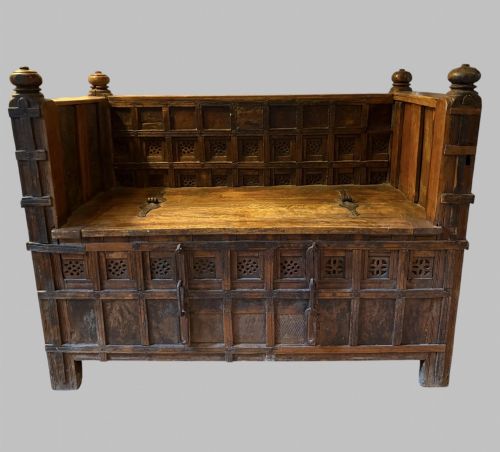
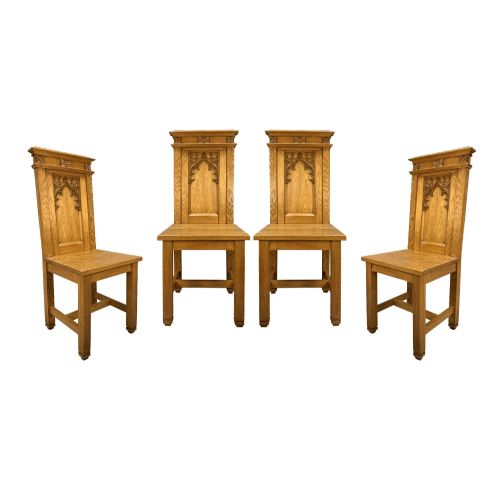
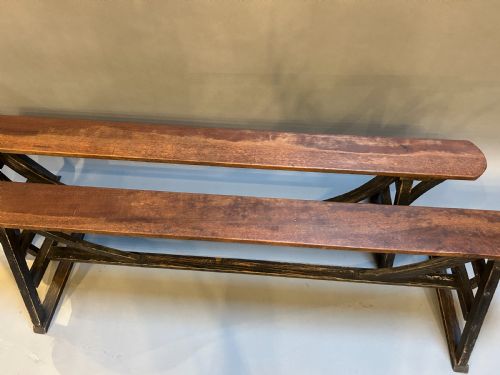
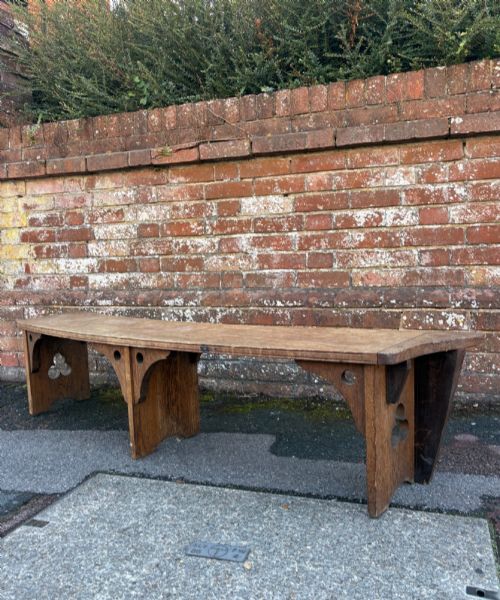
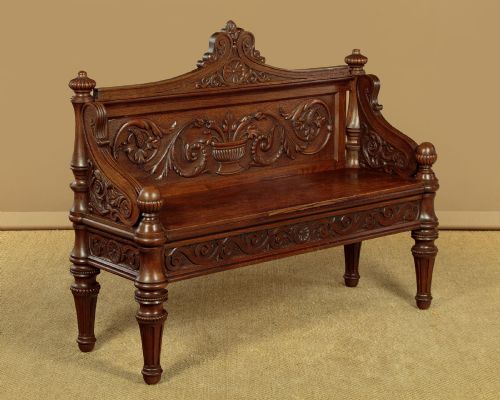
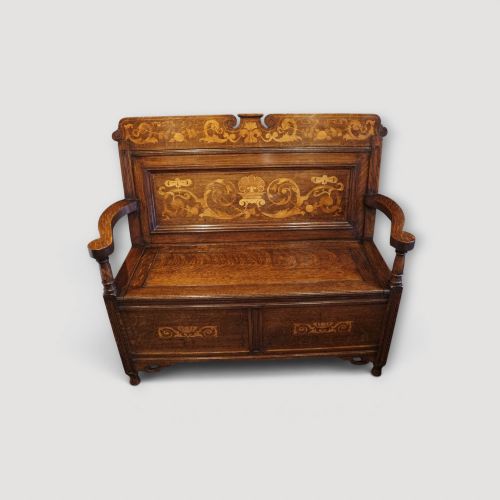
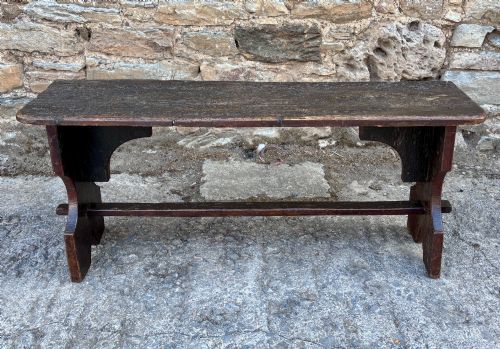
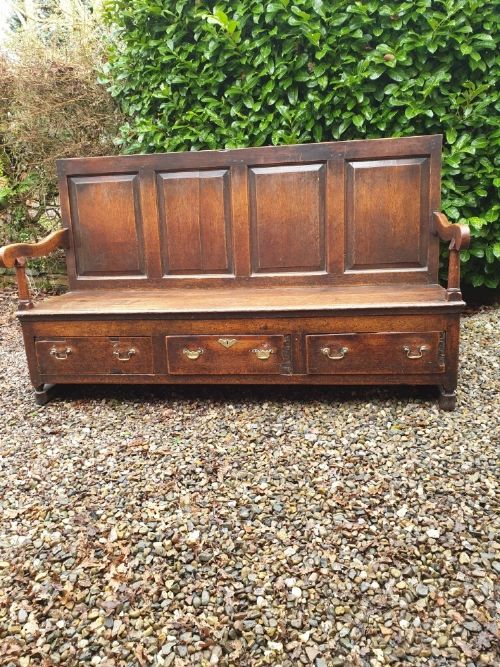
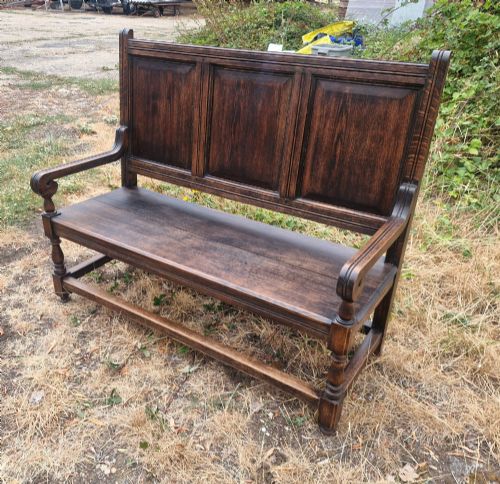
A timber hallway seat spans robust settles, long benches, and upright hall chairs designed for transitional spaces. These pieces appear primarily in solid oak, pine, and mahogany, reflecting centuries of domestic utility.
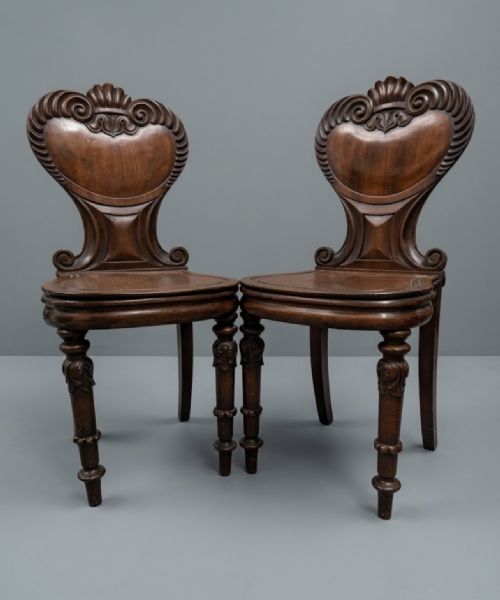
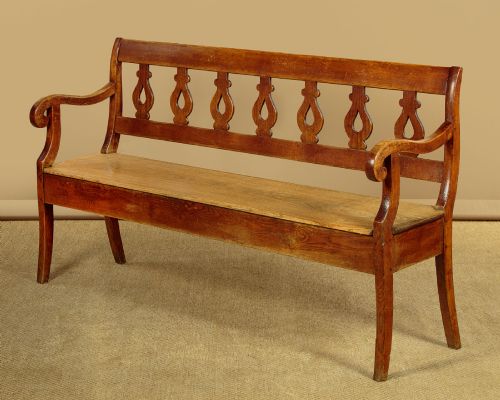
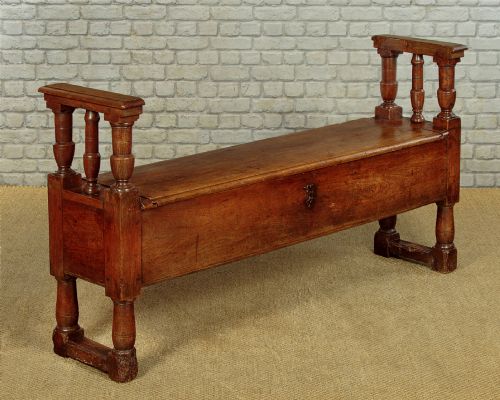
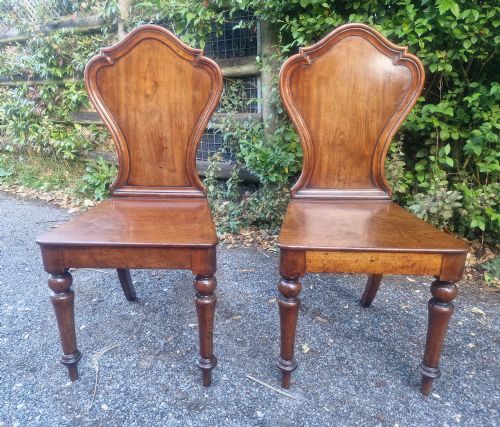
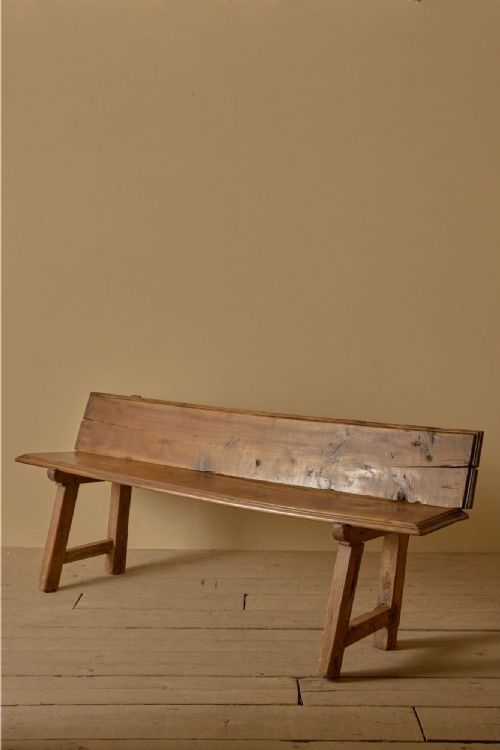
The most common forms on this page include nineteenth-century pine benches, oak settles with storage boxes, and matched pairs of mahogany hall chairs. Their origins stretch from rural English and Welsh workshops to broader Victorian production.
Buyers encounter everything from utilitarian country pine items to formal Regency and Gothic Revival designs. Each variation serves the fundamental purpose of organising an entrance hall with solid timber construction.
Materials and construction
Cabinetmakers utilised native hardwoods like oak, elm, and mahogany alongside softer pine for larger box settles and benches. These timbers were selected for density and strength to withstand heavy daily use in busy entrances.
Joinery methods rely on traditional pegged mortise and tenon joints, panelled construction, and hand-carved details. Surfaces often retain original patinas, wax finishes, or historic paint layers accumulated over generations.
Timber Hallway Seat Retail Price Guide 2026
Typical asking prices for timber hallway seat among the pieces listed under this phrase on Sellingantiques today, from the lower quarter to the upper quarter. They describe what is for sale here now, not the wider market.
Listings feature structural timbers including oak, mahogany, pine, and elm, spanning periods from the eighteenth century through the Victorian era.
Assessing quality
Quality rests upon the integrity of the timber and the honesty of the construction, distinguishing workshop-made items from mass-produced later equivalents. Thick boards, retained original backs, and undisturbed structural joints elevate a piece.
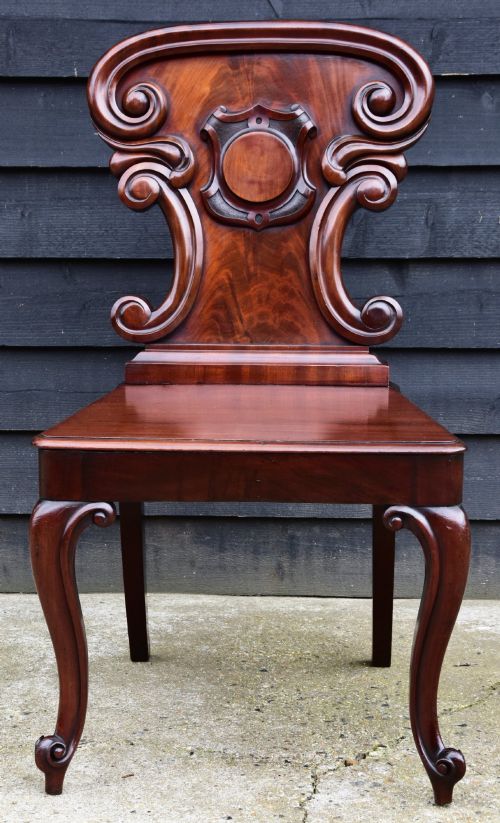
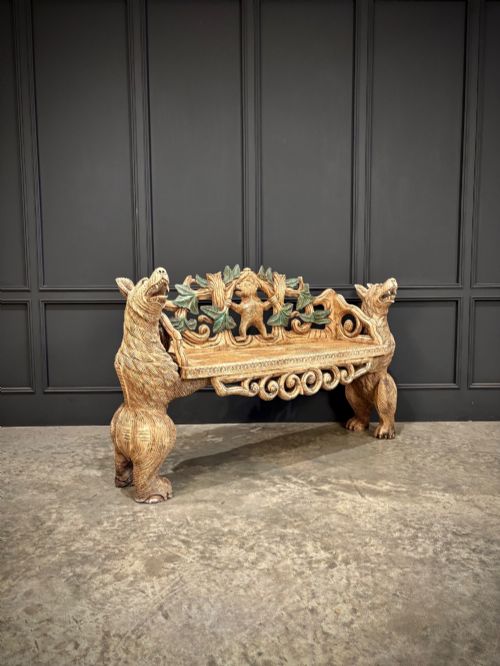
Carving depth and design ambition also separate standard examples from finer items. Crisp heraldic shields, trefoil supports, and well-executed Gothic or Regency turning indicate superior cabinetmaking skill.
The Timber Hallway Seat Glossary
- Settle
- A wooden bench with a high back, solid arms, and often a hinged seat revealing a storage box underneath. This form kept draughts away in older houses.
- Hall chair
- An upright wooden seat, frequently made of mahogany or oak, designed for occasional use in an entrance hall rather than long-term comfort. They often feature carved or heraldic shield backs.
- Patina
- The surface sheen and mellow colour developed by timber through age, handling, and regular waxing. It serves as an indicator of authenticity.
- Box settle
- A heavy seat featuring a built-in compartment beneath the squab for storing boots, blankets, or household goods. These represent utilitarian country furniture at its most practical.
- Gothic Revival
- A nineteenth-century design style drawing on medieval architectural motifs such as pointed arches, trefoils, and heavy tracery. It appears frequently on Victorian oak seating.
Timber Hallway Seat: Frequently Asked Questions
How were timber benches used originally?
These seats provided practical resting places near doorways for removing muddy boots and heavy outer garments. Large box settles also served to block cold draughts from front doors in traditional homes.
Over time, they evolved into decorative yet functional items that set the tone for a home's interior upon entry.
Where should I place a hallway seat?
A slim bench or settle suits narrow corridors, providing a place to sit without blocking thoroughfares. Pieces with integrated storage additionally help conceal shoes and everyday clutter.
Larger entrance halls accommodate high-back settles or pairs of upright hall chairs against blank walls to create a balanced focal point.
How do I care for antique timber?
Maintain waxed surfaces by applying a quality beeswax sparingly and buffing gently with a soft cloth to preserve the natural lustre. Avoid placing wooden furniture near direct heat sources or in strong sunlight.
Normal room temperatures and stable humidity prevent the timber from drying out, shrinking, or splitting over the years.
How do I tell Victorian pieces apart?
Victorian seating often displays stylistic revivals such as Gothic, Jacobean, or Aesthetic design influences carved into oak or walnut. Machine-sawn elements and standardised screws can indicate later nineteenth-century production.
Earlier eighteenth-century examples show hand-tooled joinery marks, thicker panel construction, and deeper patination gained from centuries of domestic use.