

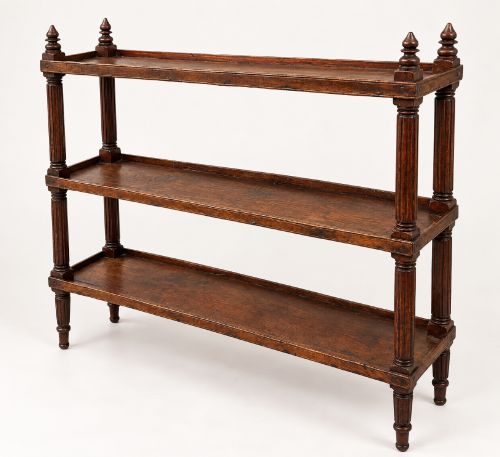
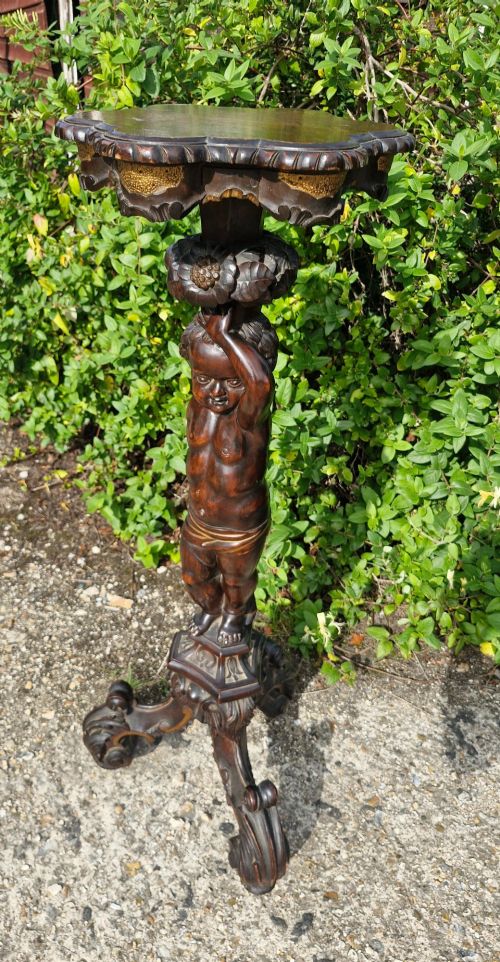
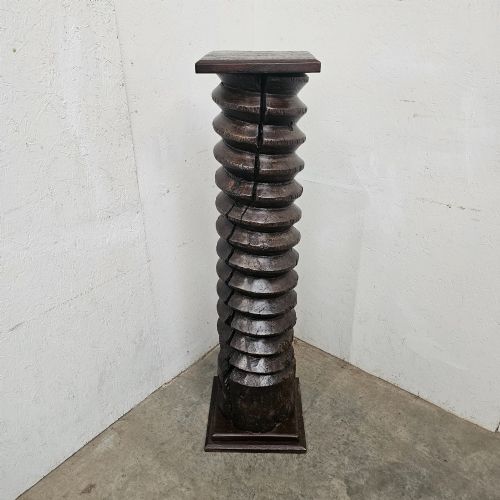

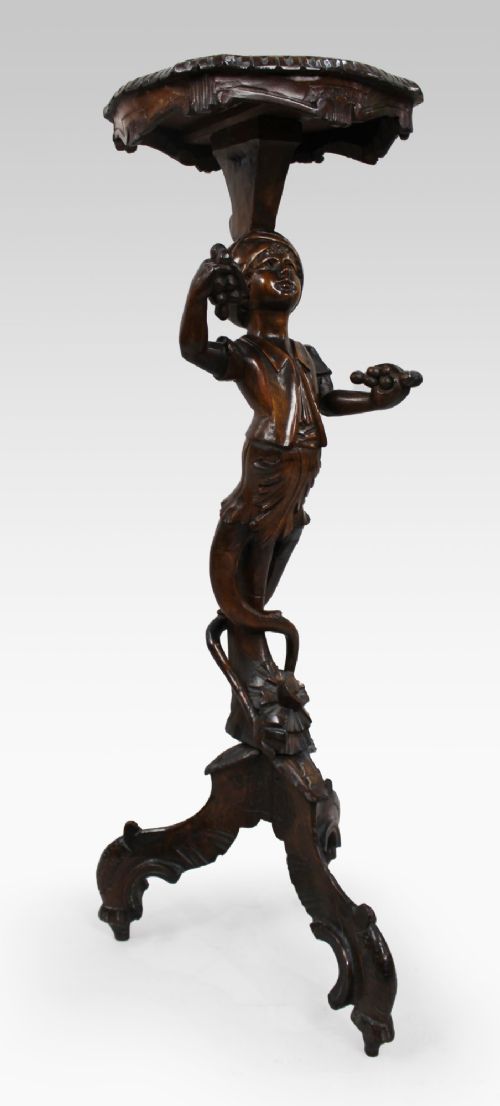
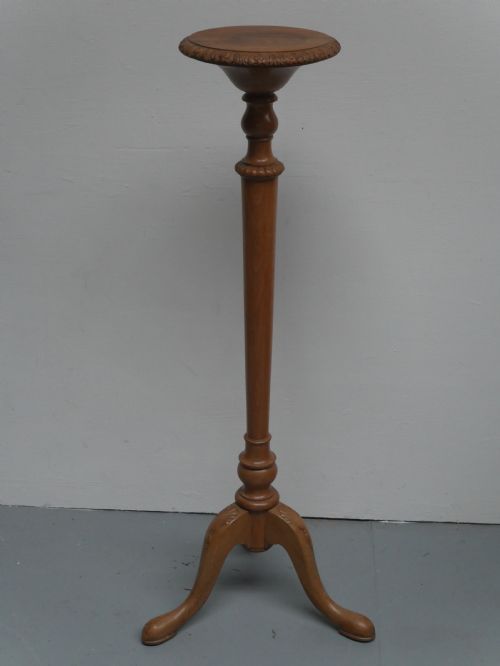
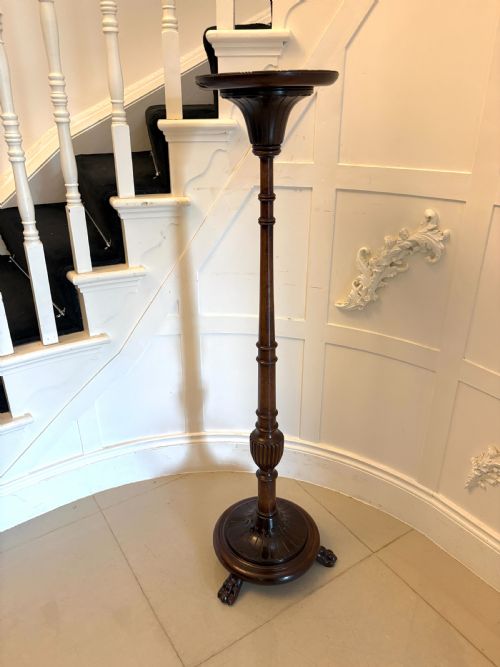


Timber Display Column
A timber display column elevates sculpture or plant pots, bringing architectural presence and period character into a room.
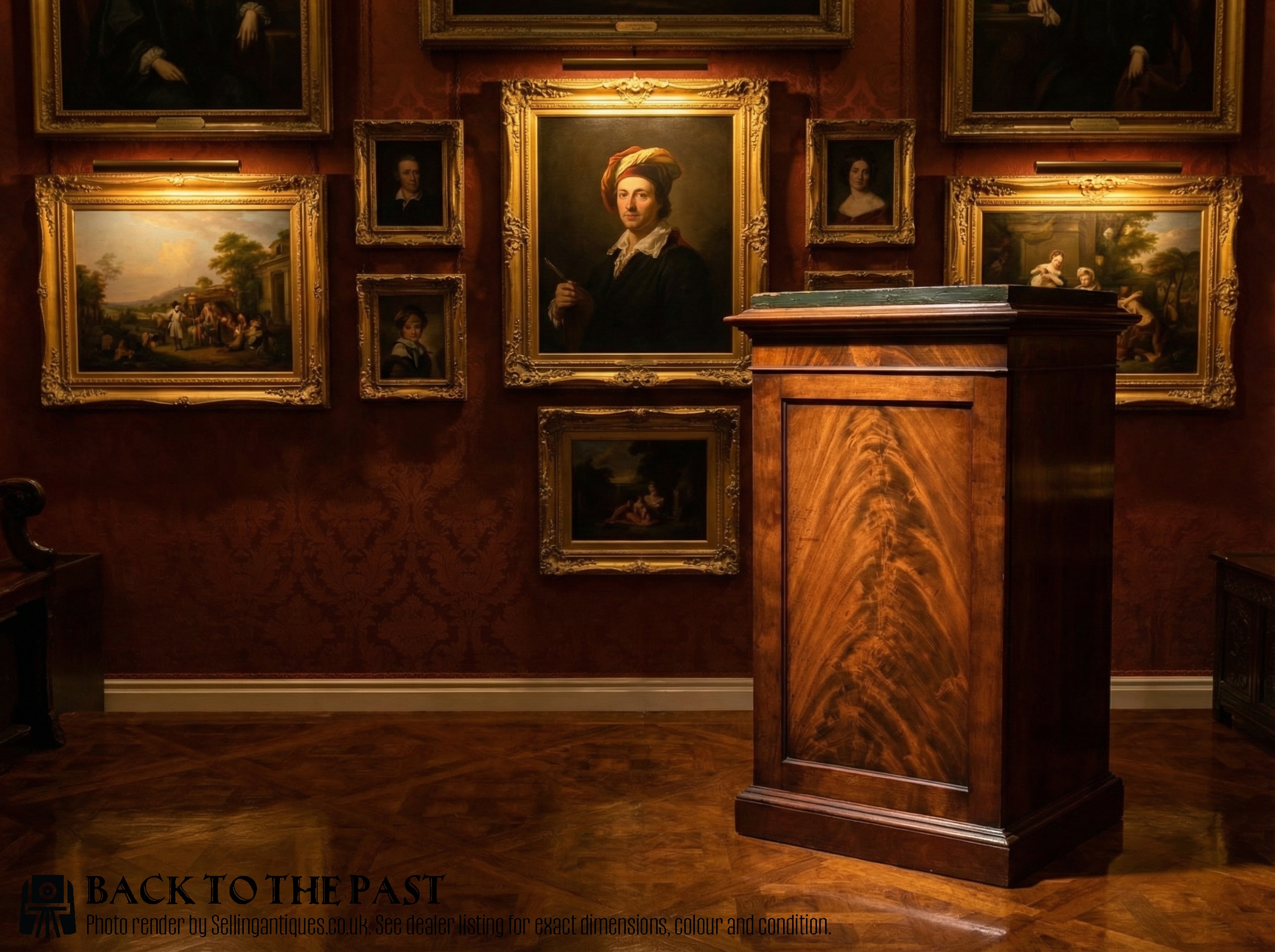
Timber Display Column
A timber display column acts as a sculptural support for busts, urns, and plants within period interiors. Buyers exploring timber display column choices encounter forms spanning the nineteenth century alongside early twentieth-century examples.
The selection ranges from simple turned wooden columns to elaborate carved figural pedestals influenced by Victorian, Georgian, and Renaissance Revival styles. Many pieces originate from British country houses, while others reflect Swedish Gustavian or Venetian Baroque aesthetics.
Tall original painted sculptors' stands and mahogany display pedestals provide functional platforms for decorative art. Certain variants incorporate secret compartments, while others take the form of plant stands and torchiere columns.
How these columns were constructed
Joiners and cabinetmakers utilised dense timbers such as mahogany, walnut, oak, beech, and birch to construct these sturdy supports. Carved walnut and mahogany examples often display intricate figural work, including caryatids, Blackamoor figures, and crouching figures.
Turned wooden columns demonstrate traditional lathe work, producing smooth shafts and fluted profiles. Surface finishes vary from clear polishing that highlights the natural grain to painted schemes, including faux marble treatments on pine and other woods.
Timber Display Column Retail Price Guide 2026
Typical asking prices for timber display column among the pieces listed under this phrase on Sellingantiques today, from the lower quarter to the upper quarter. They describe what is for sale here now, not the wider market.
What distinguishes finer examples
The depth and precision of hand-carved details separate standard turned supports from exceptional figural pedestals. Finely carved walnut or stained birch with crisp drapery and anatomical definition represents the upper tier of craftsmanship.
Proportion and structural integrity dictate the success of a timber display column. Tighter joints, heavier proportions, and well-executed painted finishes or faux marble effects indicate superior workshop origin.
The Timber Display Column Glossary
- Torchere
- A tall stand designed to hold a light or a decorative object. These slender columns elevate plants or busts above floor level.
- Pedestal
- A base or support for a statue, obelisk, or vase. They appear frequently in nineteenth-century domestic interiors.
- Caryatid
- A sculpted female figure serving as an architectural support taking the place of a column. They appear on carved oak and walnut pedestals.
- Faux marble
- A decorative paint finish that imitates the appearance of real stone. Painters applied this technique to wooden columns during the nineteenth century.
Timber Display Column: Frequently Asked Questions
What is a timber display column used for?
These pieces function primarily as elevated platforms for displaying sculptures, art pottery, and heavy plant pots within a room.
They allow decorative objects to sit at eye level, adding vertical interest and architectural rhythm to domestic interiors.
How do I date a timber column?
Dating relies on timber selection, turning profiles, and surface decoration associated with periods like the Georgian and Victorian eras.
Heavier carved figural work and specific paint finishes often point towards the late nineteenth century.
Are these columns stable enough for heavy statues?
Most solid hardwood pedestals provide a robust base designed to bear considerable weight from marble busts or bronze figures.
Checking the width of the top platform and the overall weight distribution ensures safe placement for heavy items.
Can I use a plant stand outdoors?
These period wooden pieces are constructed for indoor use in country houses and drawing rooms.
Exposing painted or polished timber surfaces to outdoor moisture and temperature fluctuations will damage the wood.