


Tiered Storage Cabinet
These tiered storage cabinet pieces provide practical shelving and display space across various historical periods.
Tiered Storage Cabinet
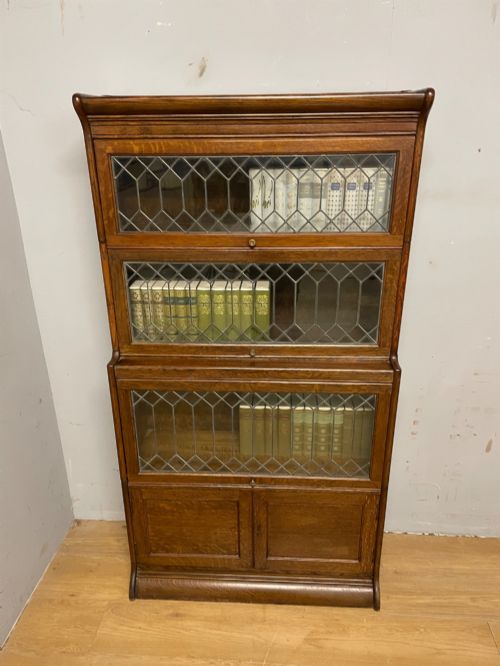
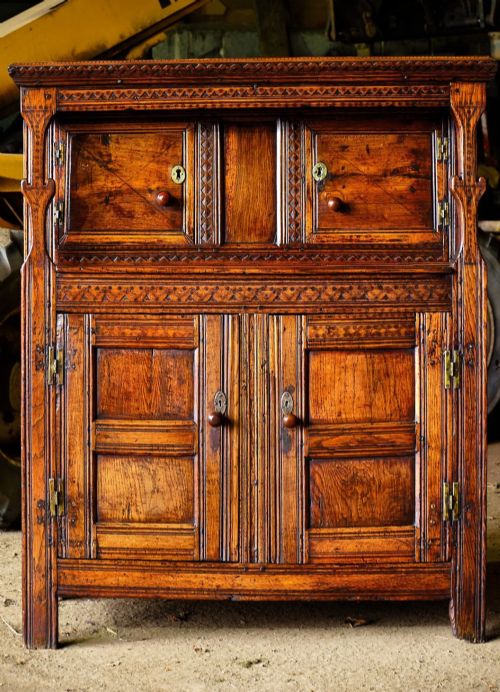
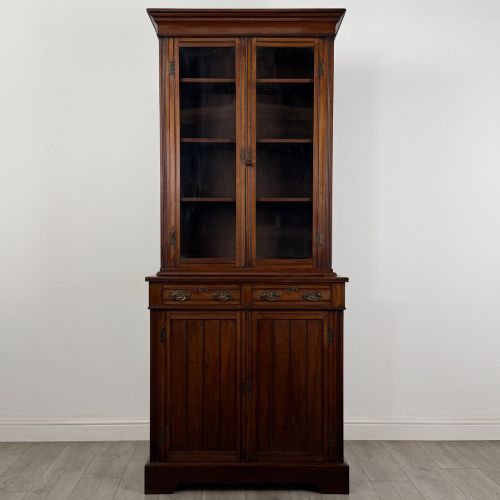
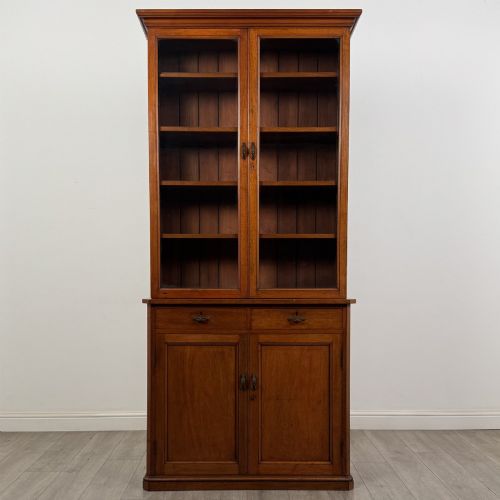
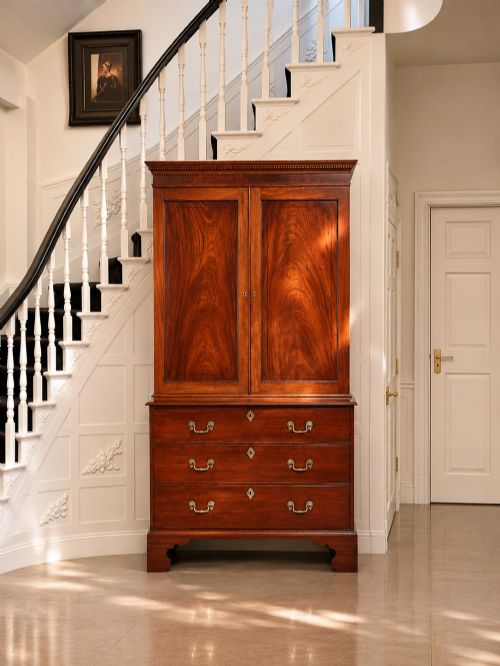
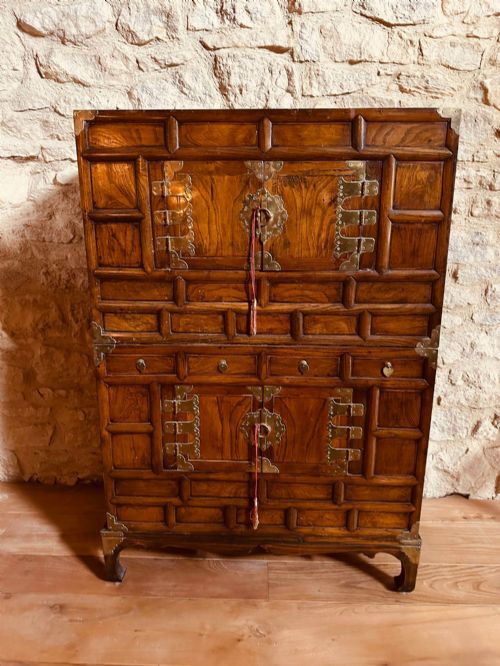
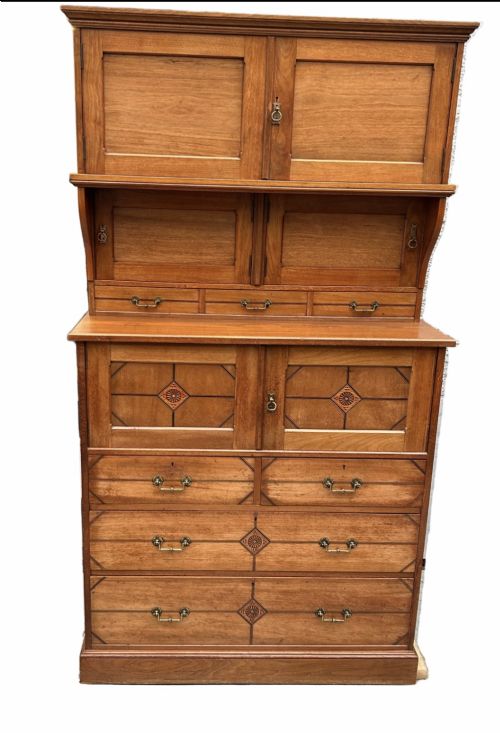
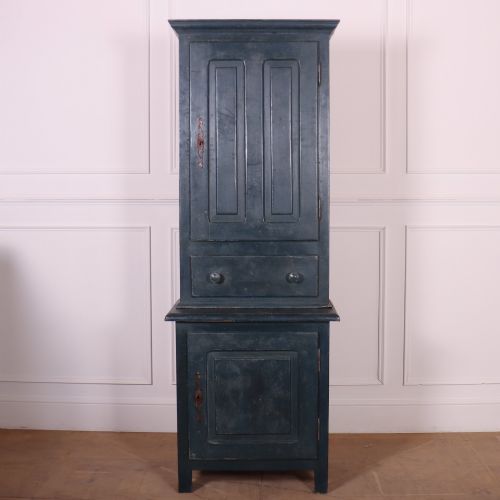
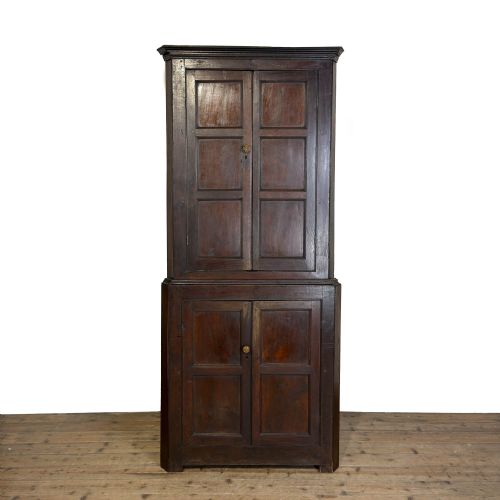
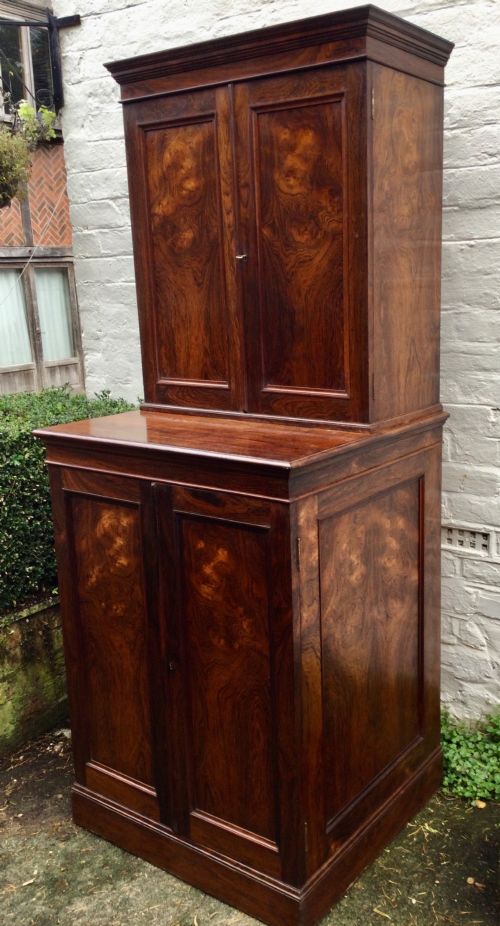
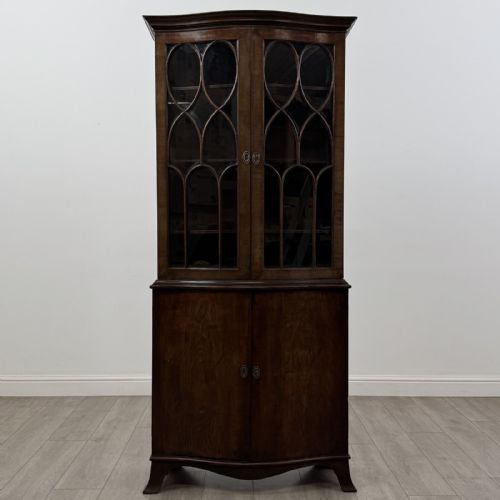
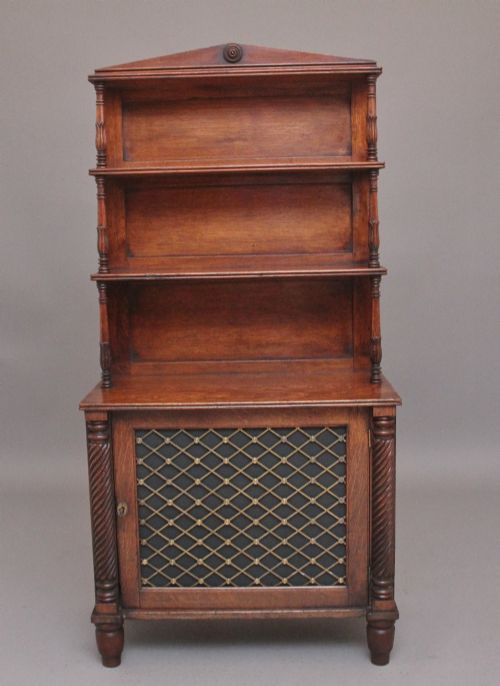
A tiered storage cabinet brings vertical organisation and display space to domestic interiors through stacked shelves, sectional bookcases, and stepped display shelves. These items range from modular oak stacking bookcases to tall Georgian glazed bookcases and multi-tiered mahogany display pieces.
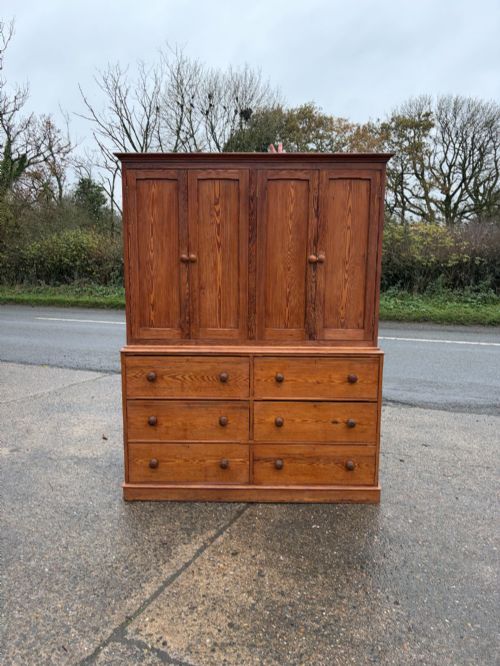
The selections available include regional pieces such as Welsh oak bookcases, French oak housekeeper's cupboards, and Edwardian burr walnut music cabinets. Buyers encounter a mix of formal mahogany library furniture and stripped pine country cupboards across the inventory.
Practical utility defines these forms, whether functioning as corner cupboards, music cabinets with interior compartments, or sectional barrister bookcases designed to hold growing collections of books and papers.
Materials and construction methods
Cabinet makers utilised dense hardwoods such as mahogany, oak, walnut, and rosewood for formal library and parlour pieces, alongside pine for utilitarian kitchen and school furniture. Burr walnut veneers added decorative grain patterns to music cabinets and display units.
Glazed doors utilised timber frames holding individual glass panes, whilst sectional barrister bookcases employed sliding or upward-lifting glass panels to protect books. Brass handles, hinges, and locks provided operational hardware across Georgian, Victorian, and Edwardian iterations.
Tiered Storage Cabinet Retail Price Guide 2026
Typical asking prices for tiered storage cabinet among the pieces listed under this phrase on Sellingantiques today, from the lower quarter to the upper quarter. They describe what is for sale here now, not the wider market.
Listings feature oak, mahogany, walnut, and pine across periods spanning the eighteenth, nineteenth, and early twentieth centuries.
Factors determining quality
Construction integrity separates standard utility furniture from finer workshop production, evident in tight joinery, panel alignment, and the original operation of sliding or stacking doors. Timber selection dictates overall refinement, with well-figured mahogany and burr walnut commanding attention over plain secondary woods.
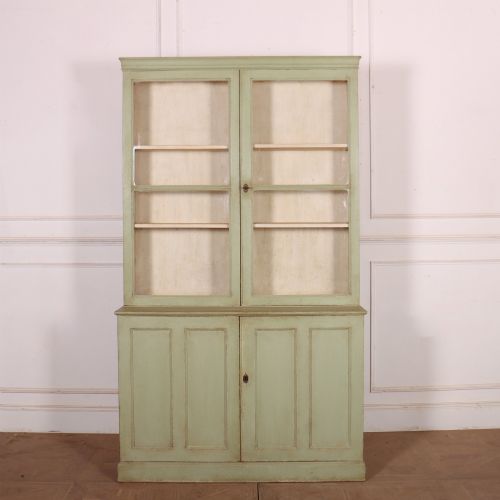
Surface finish preservation influences worth, with patinated wax finishes and original scumble paint surfaces retaining more character than stripped or heavily refinished pine and oak. The retention of original brass hardware and glass panes contributes to a piece's structural and visual integrity.
Minty of Oxford·Lebus·Globe Wernicke·Heals
The Tiered Storage Cabinet Glossary
- Barrister bookcase
- A sectional bookcase featuring stacked modular tiers with glass doors that lift and slide inside the case above each shelf.
- Canterbury
- A low multi-tiered cabinet fitted with vertical partitions, traditionally used for holding sheet music, folios, and newspapers.
- Housekeeper's cupboard
- A large tall storage piece typically featuring upper cupboards and lower drawers or doors, utilised for linen and provisions.
- Secrétaire bookcase
- A tall cabinet incorporating a pull-down writing desk drawer concealed behind the upper shelving or middle section.
Tiered Storage Cabinet: Frequently Asked Questions
What distinguishes a barrister bookcase from standard shelving?
A barrister bookcase uses stacked modular tiers with individual glass doors that lift and slide into the cabinet. This design protects books from dust while allowing sections to be added or rearranged.
Such modular construction made these units popular in offices and libraries from the late nineteenth century onwards.
How were music cabinets used in period homes?
Music cabinets provided dedicated storage for sheet music, folios, and small instruments in Victorian and Edwardian parlours. Interior shelves and vertical partitions kept paper goods organised and protected.
They often featured glass doors or drop-front drawers to display or conceal their contents neatly.
Where should a corner cabinet be placed?
Corner cabinets fit directly into room angles to utilise dead space for display and storage. Eighteenth and nineteenth-century examples work well in dining rooms and living areas.
Their angled backs allow them to anchor room layouts without projecting too far into the floor space.
How do I identify a Georgian bookcase?
Georgian bookcases display classical proportions, often executed in solid mahogany or oak with multi-pane glazed upper doors. Details include bracket feet, dental moulding, and brass hardware.
Interior shelving is typically adjustable on wooden ratchets rather than modern metal pins.