

Tier Wooden Display Stand
A tier wooden display stand offers practical vertical storage, combining sturdy timbers with multiple levels to organise books, ceramics and plants.
Tier Wooden Display Stand
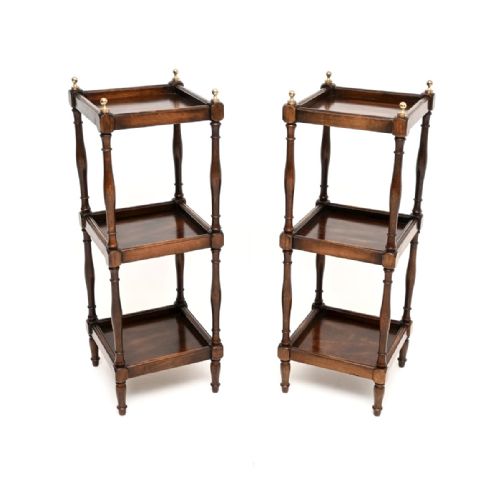
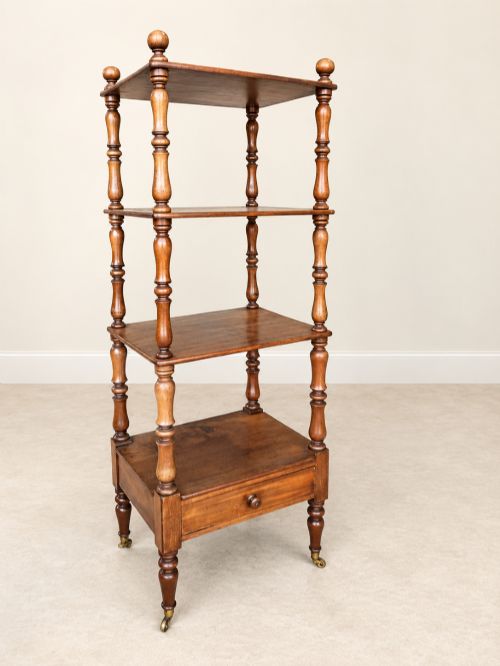
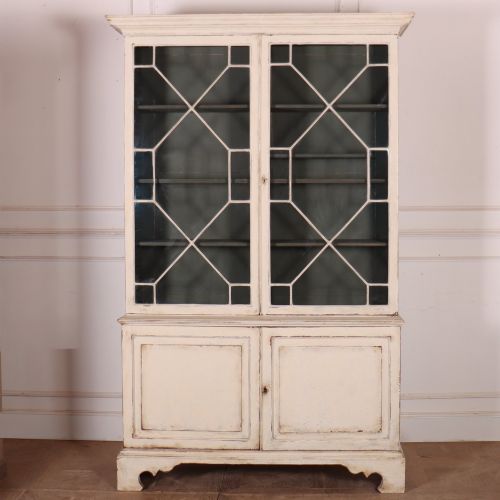
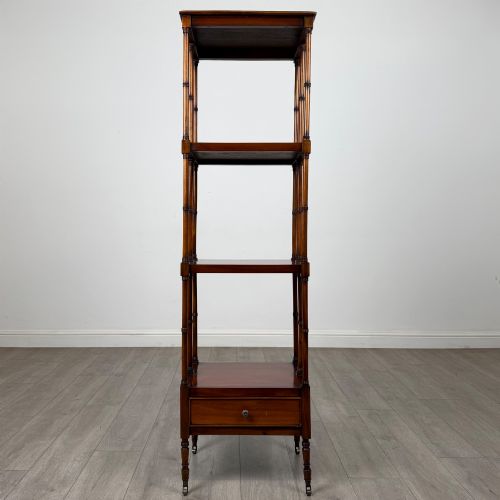
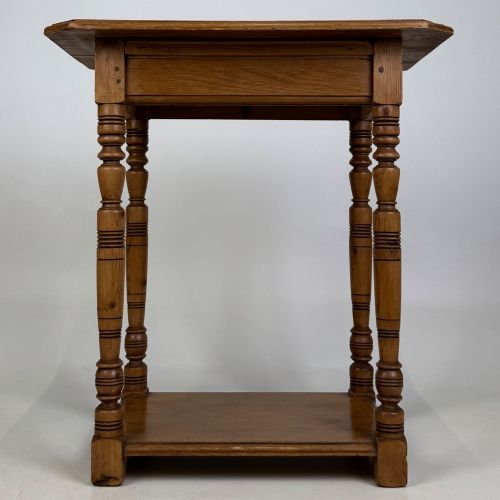
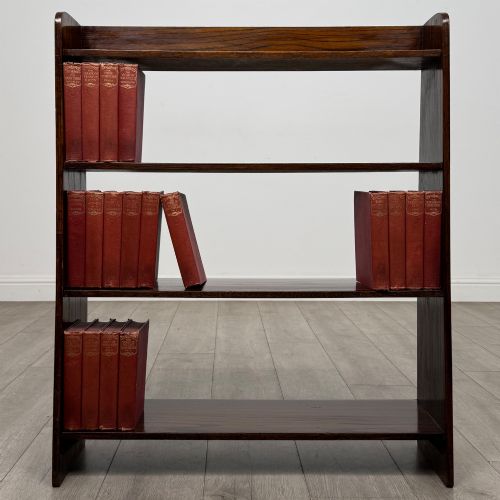
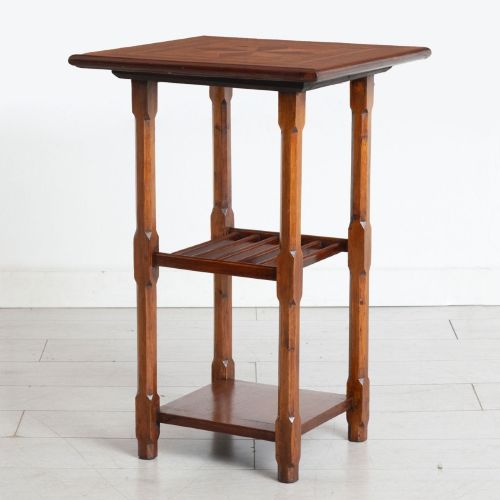
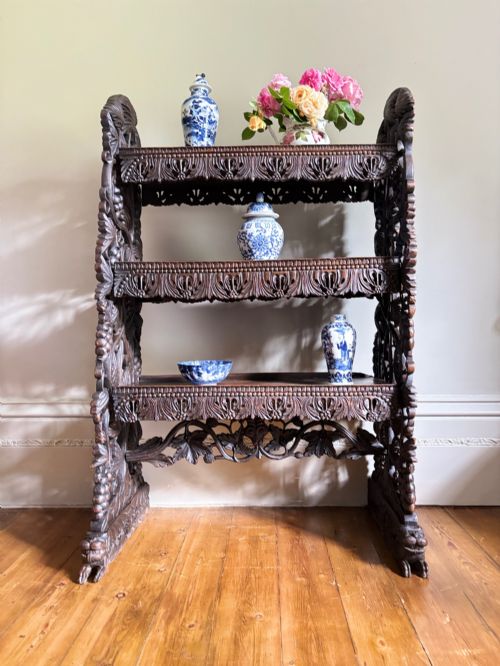
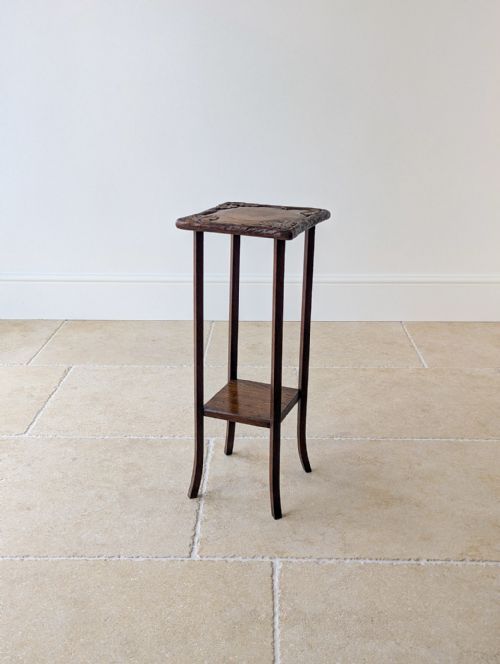
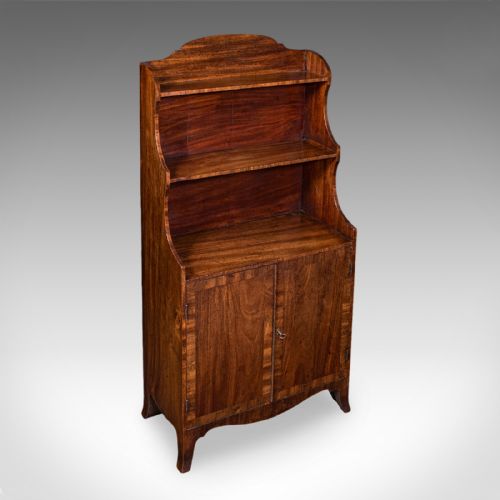
A tier wooden display stand encompasses multi-level furniture such as whatnots, etageres, bookcases, cake stands and plant stands. These pieces are designed to utilise vertical space efficiently in domestic rooms while displaying decorative objects or serving refreshments.
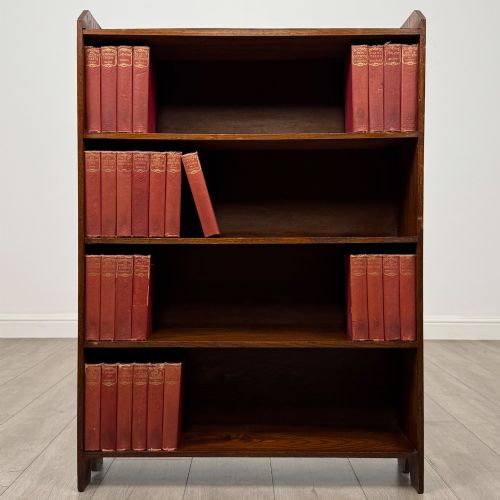
On this page, the most frequent forms are whatnots and tiered bookcases originating from the Victorian, Edwardian and Regency periods. Buyers encounter mahogany, oak and walnut structures built with two, three or four distinct levels.
Origins range from English country workshops to Anglo-Indian and continental makers, incorporating styles from George III designs through to Arts and Crafts simplicity. Each piece serves to elevate items off the floor into organised horizontal tiers.
How they were made
Cabinet makers constructed these multi-level stands using dense hardwoods such as mahogany, oak, walnut and rosewood, often enhanced with burr walnut veneers, satinwood or ebonised wood details. Structural stability required careful joinery to support multiple platforms without sagging.
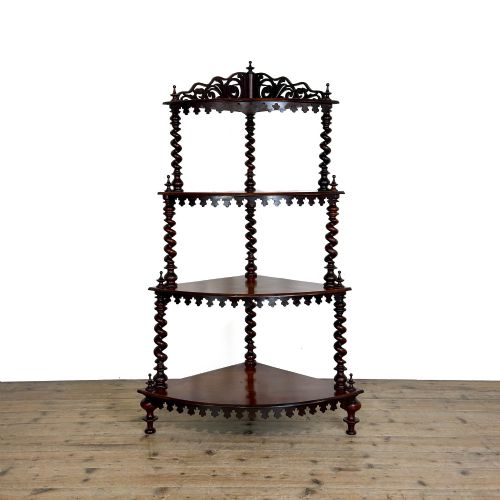
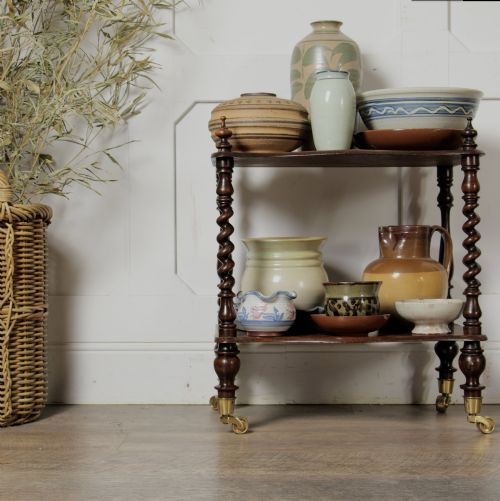
Turning lathes shaped barley twist or spindle legs, whilst specialised techniques produced waterfall bookshelves and folding mechanisms for cake stands and tea tables. Glass panels and marquetry inlay added decorative refinement to premium items.
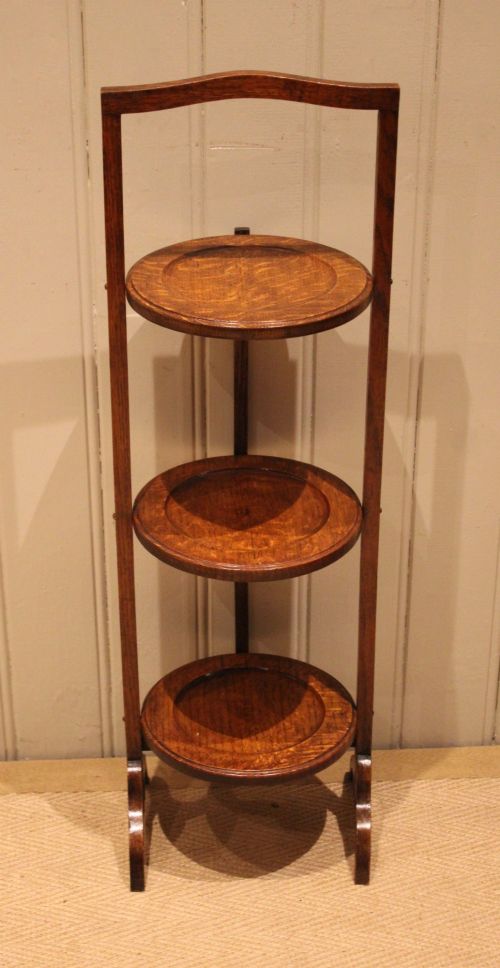
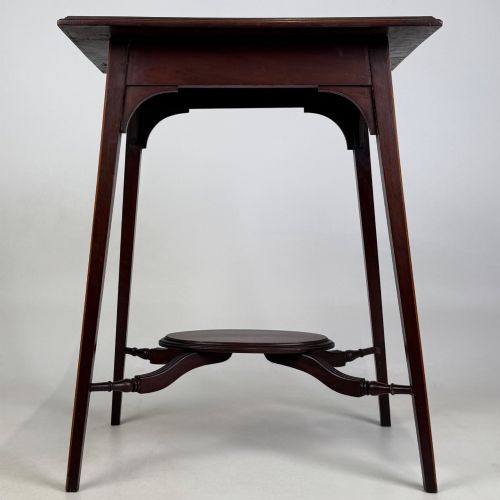
Look out for the ingenious monoplane folding tea table designed to collapse flat when the afternoon gathering concludes.
What varies in quality
Quality in a tier wooden display stand depends upon the selection of timber veneers and the precision of the shelf supports. Superior pieces utilise figured mahogany or burr walnut with tight grain patterns, whereas utilitarian items employ plain deal or simpler softwoods.
Construction rigour distinguishes finer examples; rigid corner posts and cleanly turned spindles prevent the wobbling common in lesser multi-tiered stands. The integration of subtle marquetry or crossbanding indicates workshop ambition.
Liberty of London·Gabriel Viardot
The Tier Wooden Display Stand Glossary
- Whatnot
- A multi-tiered piece of furniture with open shelves designed for displaying ornaments, books or curiosities.
- Etagere
- A set of open shelves or tiers for displaying small objects, usually of French origin.
- Waterfal l bookcase
- A set of open shelves where each tier steps back progressively from the base to the top.
- Torchere
- A tall, slender stand or pedestal originally intended to hold a candle or lamp.
- Barley twist
- A type of turned column or leg carved in a spiral twist resembling coiled barley.
Tier Wooden Display Stand: Frequently Asked Questions
How were tier wooden display stands used?
These stands functioned as versatile furniture for holding books, ceramic ornaments, silver and serving items. They allowed households to display prized possessions in parlours, drawing rooms and libraries.
Some folding variants were utilised temporarily for serving tea or presenting cakes during social gatherings.
Where should I place a tier stand?
A tier wooden display stand suits corners, alcoves or flat wall spaces where vertical storage is required without occupying a large floor footprint. Corner whatnots fit neatly into empty room angles.
Smaller plant stands and occasional tables sit well beside seating or near windows to hold foliage and lighting.
How do I identify the period of a stand?
Dating relies upon timber selection, construction methods and stylistic decorative motifs. Regency and Victorian pieces often feature heavy mahogany or walnut, whilst Edwardian examples frequently showcase lighter oak or inlaid mahogany.
Turned leg styles, such as barley twists, and specific joinery techniques help narrow down the manufacturing decade.