
Tier Bookcase Table
A tier bookcase table combines multi-level display with compact utility, offering a practical surface and accessible shelving for everyday books and objects.
Tier Bookcase Table
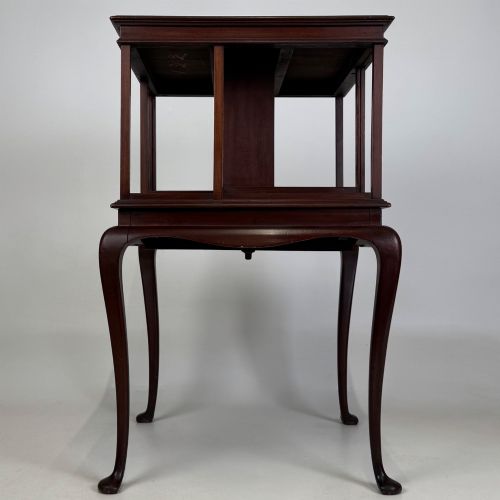
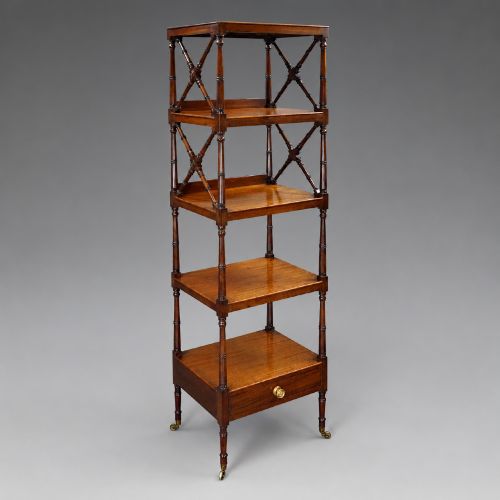
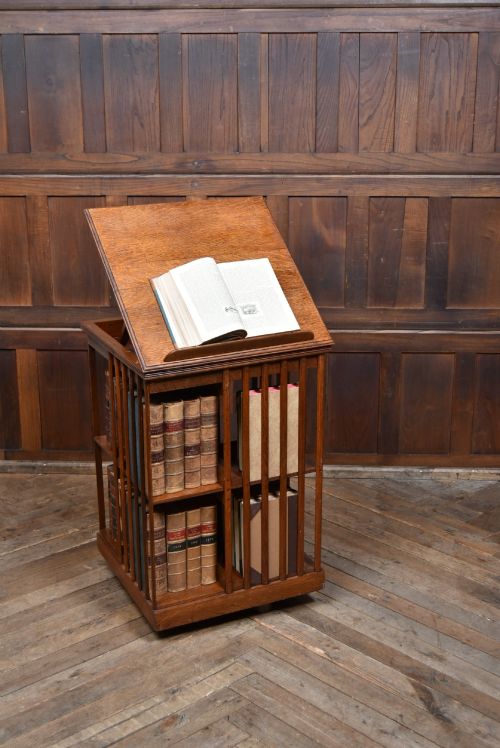
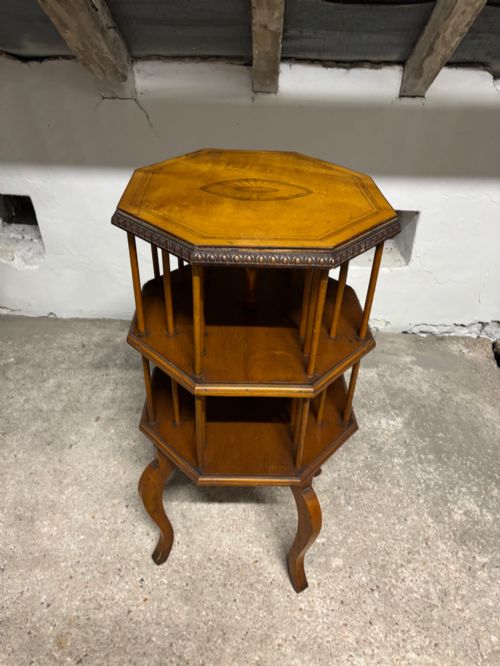
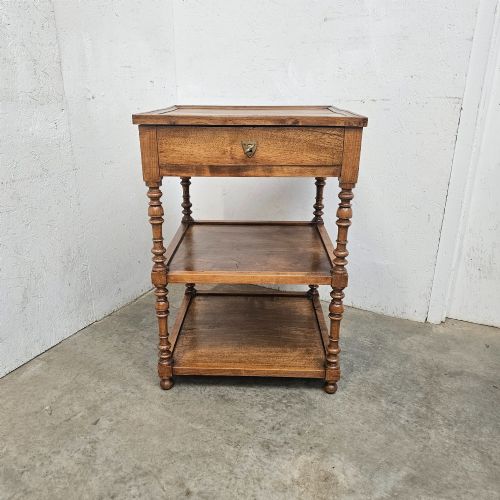
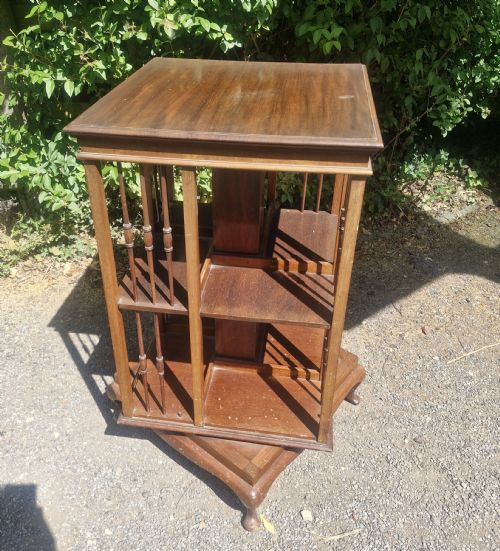
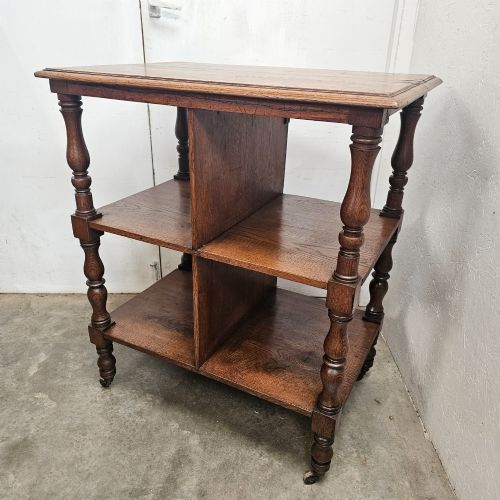
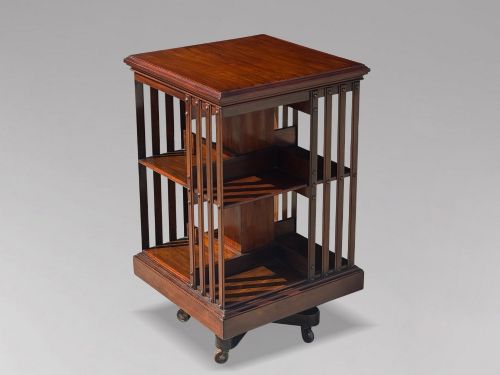
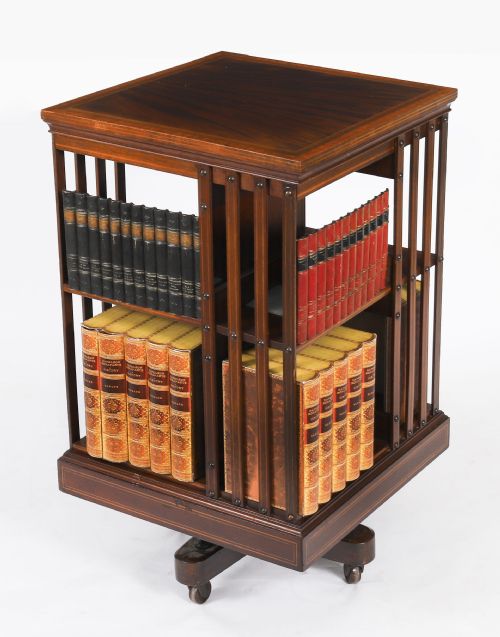
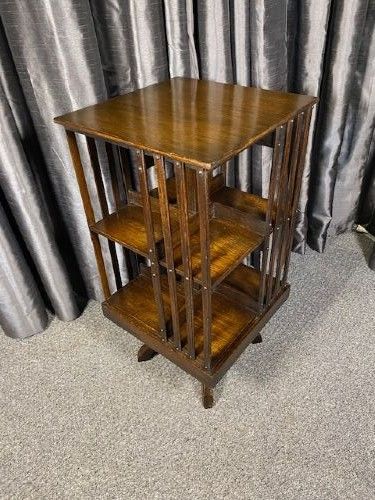
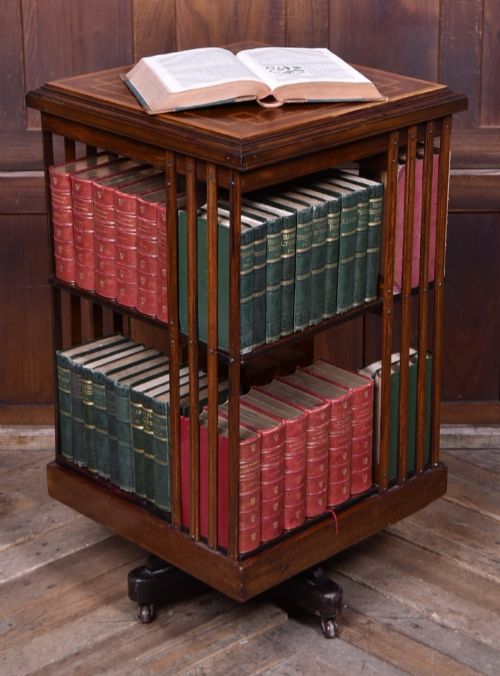
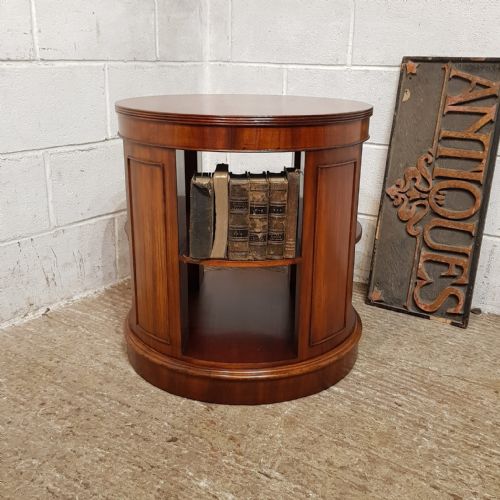
When you search for a tier bookcase table, you encounter practical items designed to hold books and display objects across multiple levels. These pieces range from revolving bookcases and whatnots to étagères, side tables, and library carts.
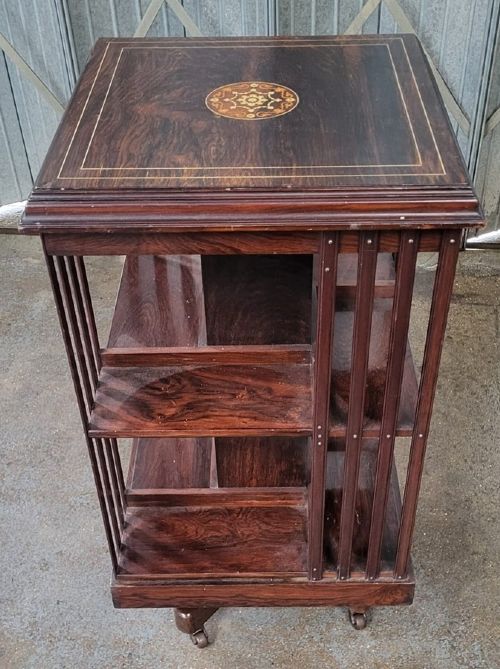
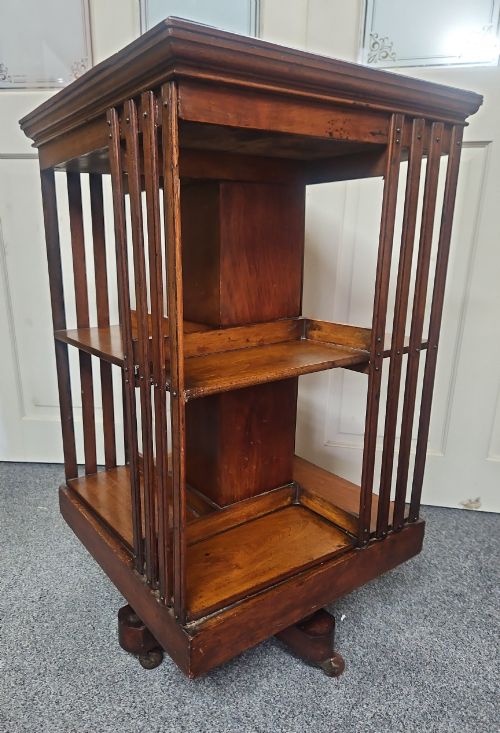
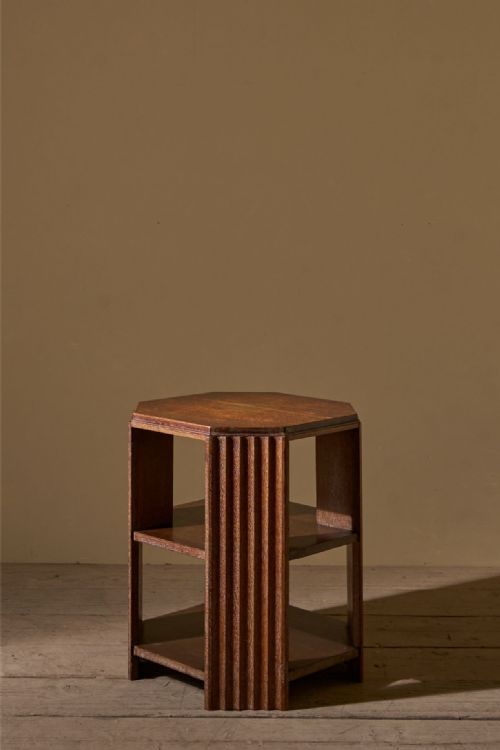
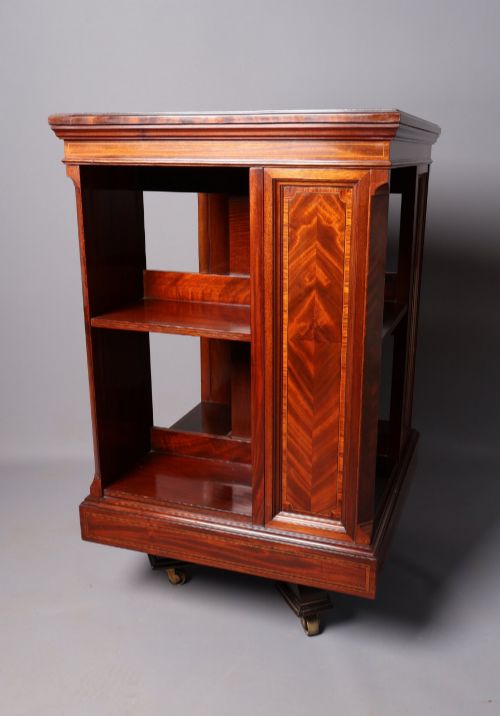
The most common version met on this page is the Edwardian mahogany revolving bookcase, alongside Victorian burr walnut whatnots, Georgian tables, and later oak or art deco examples. They serve efficiently beside seating or within libraries to keep volumes close at hand.
Construction spans several centuries, with pieces originating from Georgian, Victorian, and Edwardian eras, extending into the 1920s and 1930s. Forms vary from multi-tiered open stands to enclosed rotating compartments and specialised book troughs.
Materials and Construction Techniques
Makers utilised a variety of durable timbers, predominantly mahogany, oak, walnut, rosewood, and satinwood, occasionally accented with kingwood or flame mahogany veneers. These hardwoods provided the structural integrity needed for supporting stacked books and tiered shelving.
Metal components such as brass, iron, or ormolu mounts appear in fittings, casters, and revolving mechanisms to ensure smooth rotation and mobility. Inlaid details, turned legs, and carved elements display traditional cabinet-making skills across different periods.
Current listings feature revolving bookcases predominantly from the Edwardian era, alongside Victorian walnut whatnots and 1930s art deco oak tables.
Distinguishing Quality in Construction
The sophistication of the timber selection largely dictates the standing of a piece, with figured grains like flame mahogany, burr walnut, and matched satinwood inlay marking out superior examples. Plain oak or standard mahogany represents more utilitarian production.
Mechanical precision sets revolving models apart, where a smooth, stable turn without wobble indicates careful engineering of the internal pivot. Finer pieces also display refined carving, precise joinery, and high-grade metal mounts rather than simple turned supports.
Maple and Co
The Tier Bookcase Table Glossary
- Whatnot
- A set of open shelves for displaying ornaments or books, popular in the Victorian and Georgian periods. These freestanding stands typically feature three or more tiers supported by slender uprights.
- Etagere
- A piece of furniture consisting of a set of open shelves for holding ornaments, originating in France. This term often interchanges with whatnot to describe tiered display stands.
- Revolving bookcase
- A freestanding bookcase designed to rotate on a central base for easy access to books from any angle. They appear frequently in Edwardian mahogany and Victorian walnut.
- Ormolu
- Gilded bronze mounts applied to furniture for decoration, seen on finer 19th-century pieces. The technique adds metallic contrast to dark woods like kingwood and mahogany.
- Book trough
- A small portable open receptacle for holding a selection of books on a table or desk. These items often feature inlaid decoration and handled ends for mobility.
Tier Bookcase Table: Frequently Asked Questions
What is a revolving bookcase table?
A revolving bookcase table is a low, freestanding piece featuring built-in book compartments that turn on a central pivot, topped by a flat surface for display or utility.
They were designed to sit beside armchairs or desks, keeping a curated selection of reference books or novels within arm's reach while functioning as a small side table.
How do I date a tier bookcase table?
Dating relies on identifying the timber, hardware, and stylistic traits associated with specific eras, such as Georgian proportions, Victorian burr walnut, or Edwardian satinwood inlay.
Looking underneath and inside the piece for construction methods, screw types, and maker signatures helps narrow down the decade of manufacture.
Where should I place a whatnot in my home?
A whatnot suits corners, alcoves, or spaces beside seating where its multiple tiers can hold books, small plants, or decorative ceramics without obstructing walkways.
Because these open display stands are finished on all sides in better examples, they also work well as freestanding room dividers or bedside tables.
What maintenance do these wooden tables need?
Routine care involves dusting with a soft, dry cloth and occasionally applying natural beeswax to nourish the polished mahogany, walnut, or oak surfaces.
Keeping them away from direct heat sources and strong sunlight preserves the wood's moisture and prevents the veneers from drying or splitting over time.