

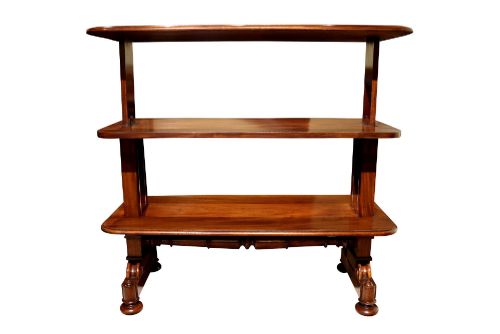
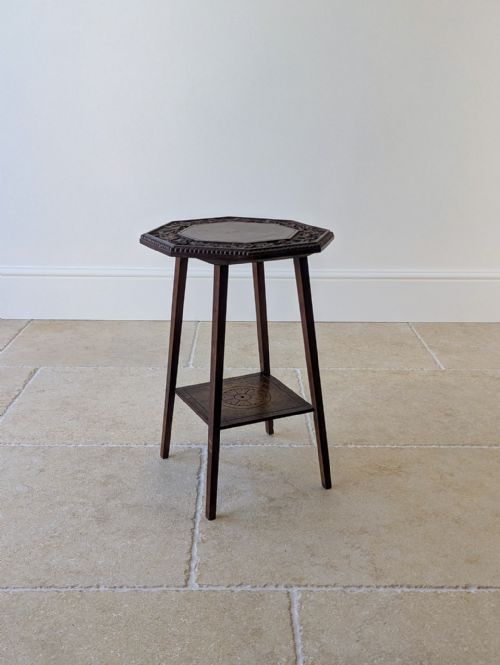
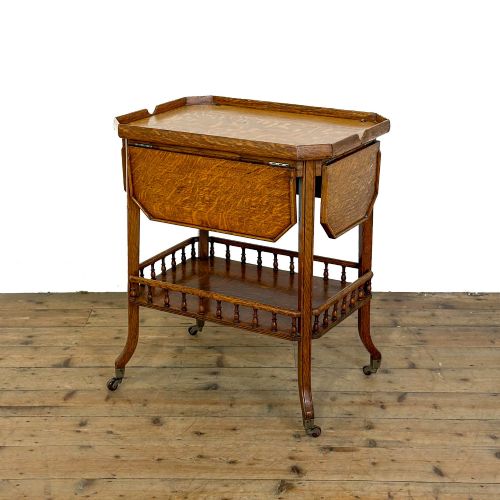
Wooden Tier Side Table
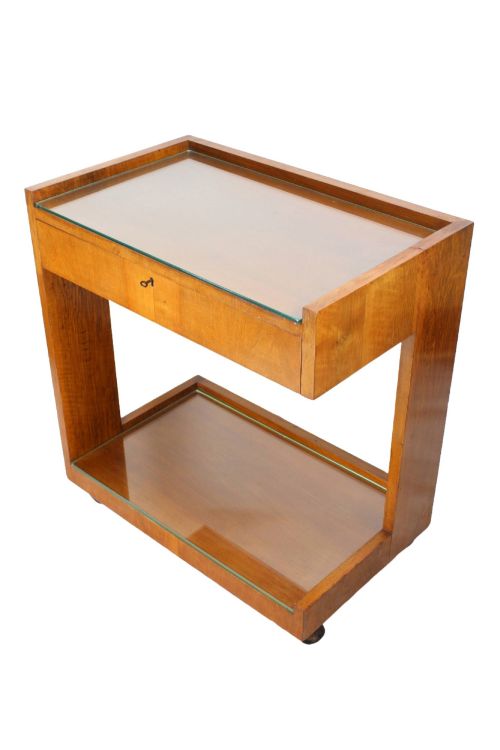
A wooden tier side table provides useful surface space across multiple levels, combining practical utility with period character.
Wooden Tier Side Table
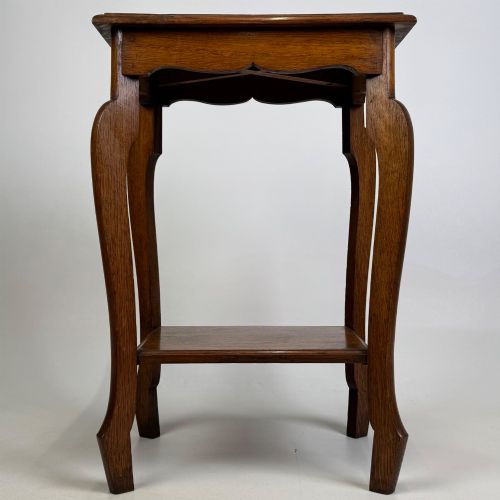
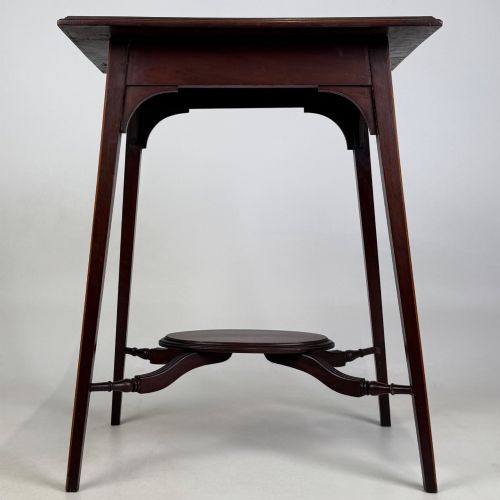
A wooden tier side table unites multi-level design with compact proportions, serving as a versatile surface for lamps, books and decorative objects. When you search for a wooden tier side table, you encounter a wide selection ranging from simple occasional tables to elaborate lamp tables and étagères.
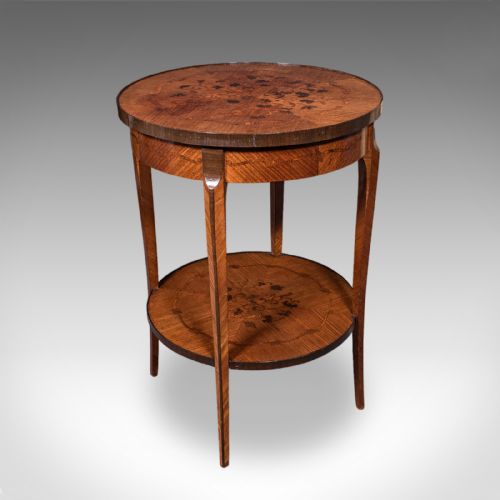
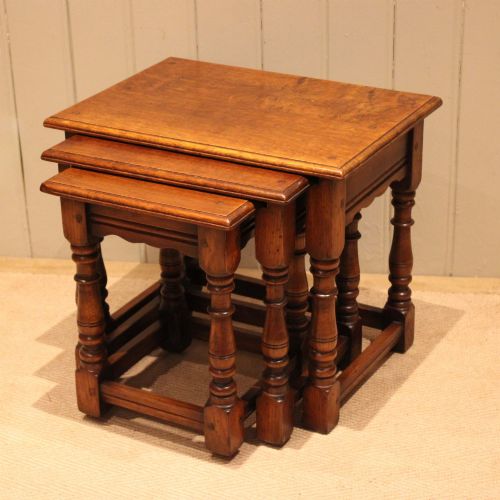
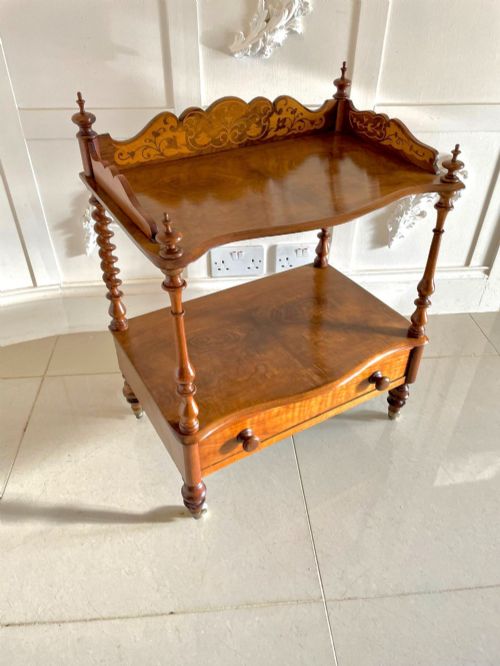
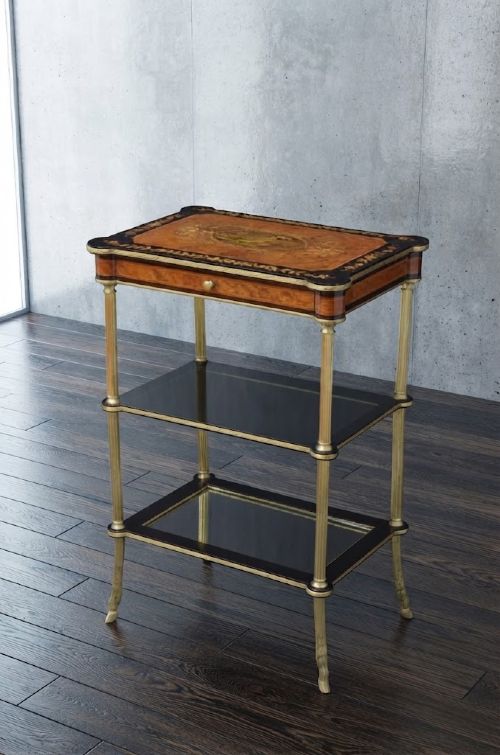
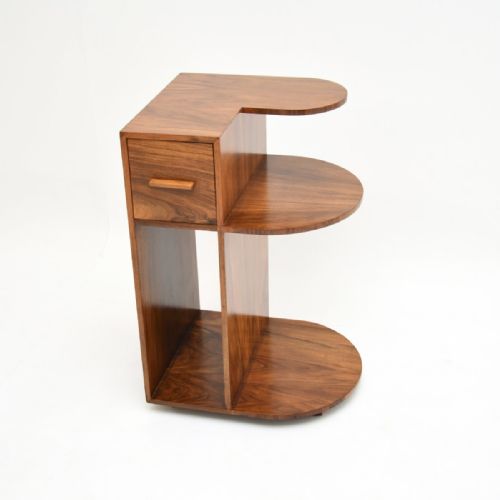
The pieces appearing here span multiple eras, with Edwardian and Victorian examples appearing frequently alongside 19th-century designs and Art Deco variations. Forms include two-tier and three-tier occasional tables, nests of tables, tea trolleys, plant stands and whatnots.
Origins vary between British workshops and continental makers, incorporating styles such as Arts and Crafts, Aesthetic Movement, Regency and French Provincial designs. These tables adapt readily to modern interiors while retaining their historical craftsmanship.
Materials and Construction
Cabinetmakers utilised timber such as mahogany, walnut, burr walnut, oak and ebonised wood to build these structures, frequently applying decorative veneers to enhance the visible grain. Brass mounts, ormolu and mirrors appear on selected pieces to add ornamental detail.
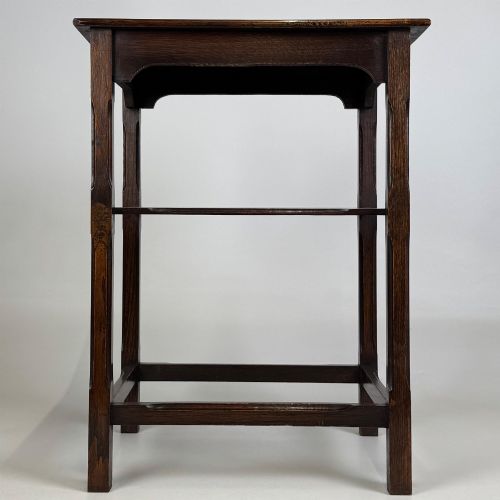
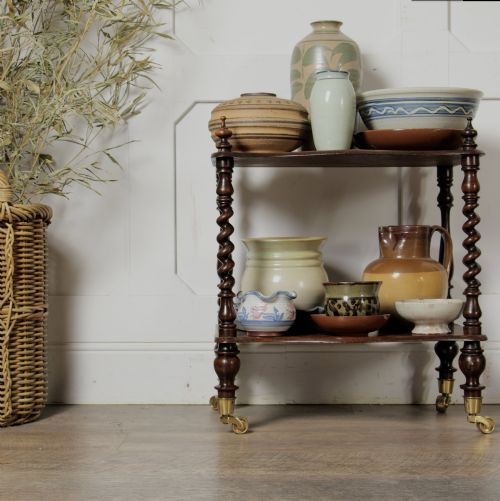
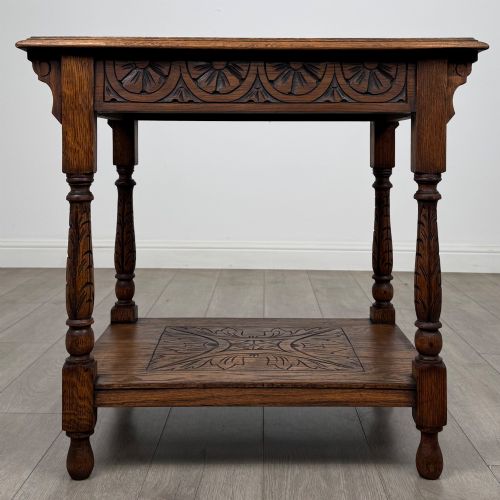
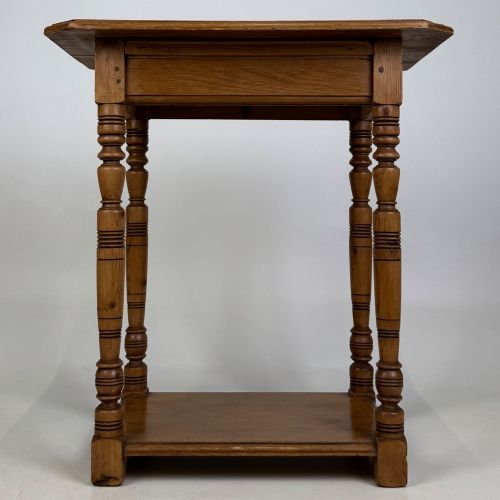
Joinery methods range from traditional mortise and tenon frames to turned legs, barley twist supports and marquetry inlays. Tiered surfaces are secured with sturdy uprights or columns, supporting multiple levels without losing stability.
Some tables feature mirrored tiers, presumably to multiply the reflection of tea services or small lamps.
Distinctions in Execution
Quality reveals itself in the selection of timber figures, such as burr walnut or figured mahogany, and the precision of the veneer work and marquetry. Superior examples exhibit clean joinery, balanced proportions and well-executed turned or carved details like barley twists.
The integrity of the tiered structure determines daily utility, where heavier woods and rigid vertical supports separate robust tables from lighter, purely decorative stands. Original hardware, such as brass fittings or mirrored inserts, further distinguishes finer workshop output.
Gregory and Co·Liberty of London·William Birch·Tehan
The Wooden Tier Side Table Glossary
- Tier
- A single level or shelf in a multi-level piece of furniture. It provides additional surface area while maintaining a compact footprint.
- Etagere
- A piece of furniture consisting of a set of open shelves for displaying small objects. These open tiers are often supported by slender columns.
- Marquetry
- Decorative veneer applied to furniture in patterns using different woods and materials. This technique creates elaborate pictorial or geometric designs.
- Whatnot
- An open set of shelves used for displaying ornaments or books. Victorian and Edwardian examples often feature multiple tiers and turned supports.
- Barley twist
- A type of turning resembling a twisted rope, common on the legs and supports of 19th-century and Edwardian furniture. It adds textural depth to the wooden frame.
Wooden Tier Side Table: Frequently Asked Questions
What is a wooden tier side table used for?
These tables provide extra shelving on multiple levels, making them ideal for holding lamps, books or decorative items in sitting rooms and bedrooms.
Their compact size allows them to fit beside chairs or sofas without crowding the room.
How do I identify an Edwardian tier table?
Edwardian examples often feature lighter timbers like mahogany or satinwood, sometimes with delicate inlay or satin finishes.
They tend to reflect refined domestic comfort, employing simpler decorative schemes than heavier Victorian designs.
Are these tables sturdy enough for daily use?
Most tier tables are constructed from dense hardwoods like oak or walnut, providing stable support across their multiple surfaces.
Heavier items belong on the main lower shelf, while upper tiers suit lighter decorative objects.