



Tibetan Buddhist Figure
These tibetan buddhist figure items are cast metal and carved pieces representing deities and protectors, sought after for ritual significance and artistry.
Tibetan Buddhist Figure
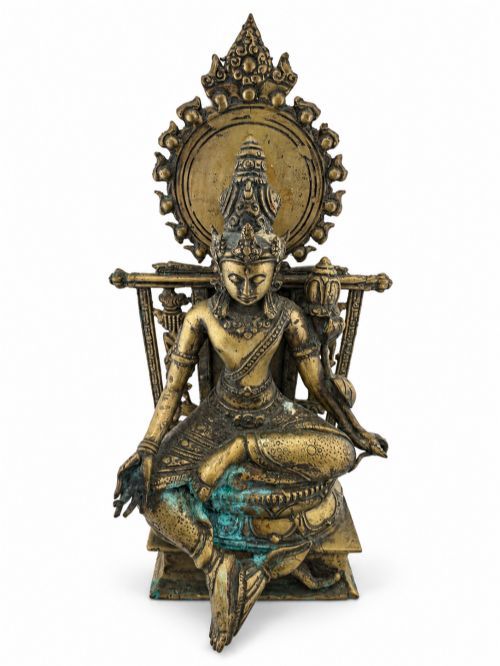
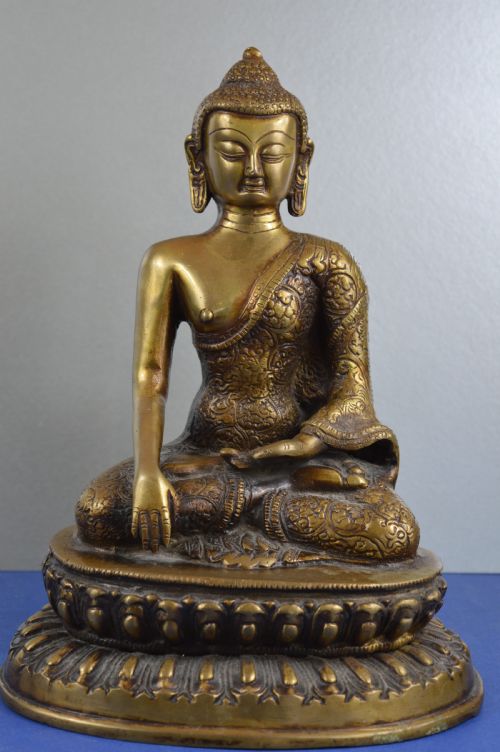
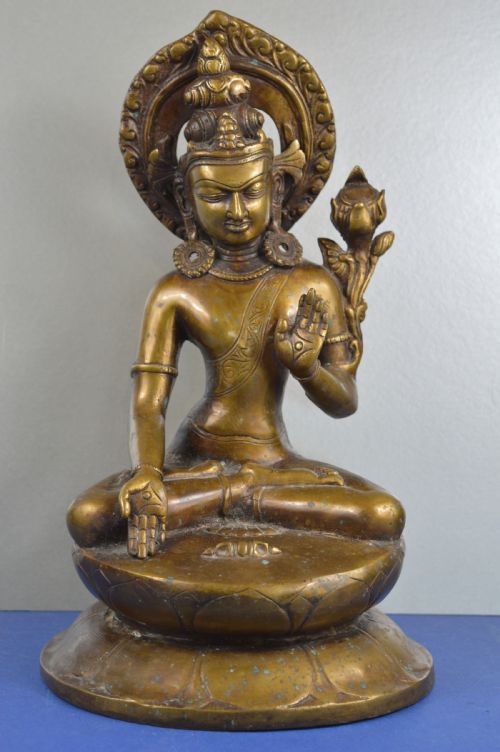
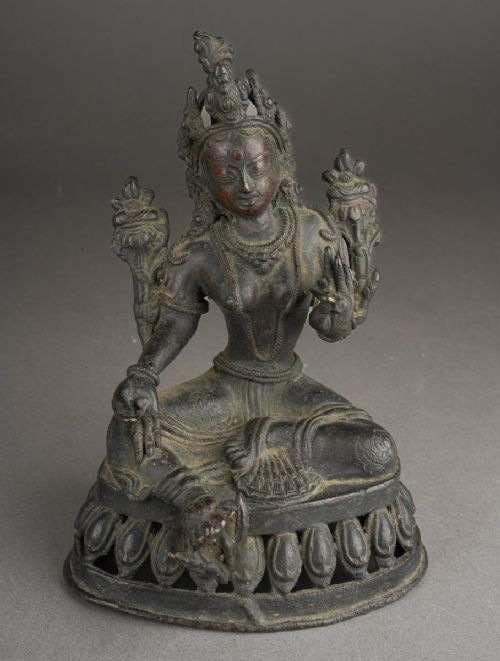
When you search for a tibetan buddhist figure, you encounter cast metal sculptures and statues originating from Himalayan and Sino-Tibetan traditions. These works depict deities, bodhisattvas, protectors, and lamas in traditional seated or standing postures. The selection ranges from miniature shrine figures to large temple statues produced across several centuries.
The pieces on this page span the sixteenth century through the early twentieth century, including Victorian era acquisitions and Tibetan folk art examples. Common forms include multi-armed deities, wrathful protectors seated on animals, and temple lions. Materials vary from gilt bronze to carved wood and bone pendants.
How they were made
Certain pieces involve carved wood and bone, combining sculpture with polychrome finishes or natural patination. Metal statues were cast using traditional methods, resulting in substantial weights in larger temple figures and delicate detailing in miniatures.
Tibetan Buddhist Figure Retail Price Guide 2026
Typical asking prices for tibetan buddhist figure among the pieces listed under this phrase on Sellingantiques today, from the lower quarter to the upper quarter. They describe what is for sale here now, not the wider market.
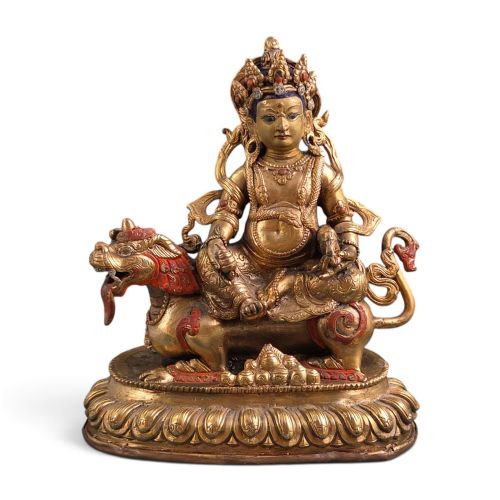
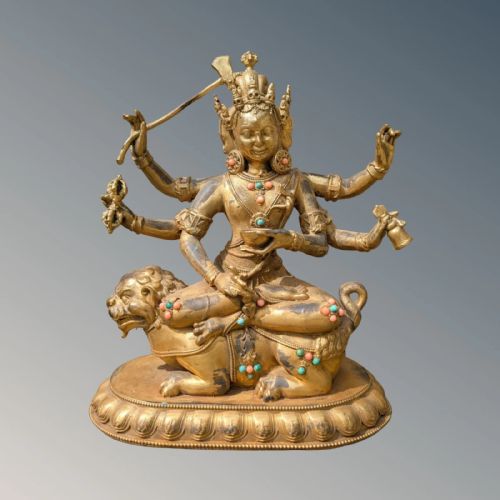
Some wrathful protector deities sit quite comfortably upon tigers and lions while looking fiercely intimidating.
What varies in quality
Proportion and stance dictate visual success, particularly in complex multi-armed or wrathful deity representations. The integration of mineral inlays and the depth of the casting further separate standard regional pieces from masterworks.
The Tibetan Buddhist Figure Glossary
- Gilt bronze
- Metal cast with a layer of gold applied to the surface. This technique produces the characteristic luminous finish seen on many altar sculptures.
- Sino-Tibetan
- A stylistic classification describing pieces that combine Chinese imperial workshop traditions with Tibetan Buddhist iconography. These objects often display refined casting and distinct decorative motifs.
- Bodhisattva
- An enlightened being who delays nirvana to assist others. These figures are typically depicted with princely ornaments and serene expressions.
- Avalokiteshvara
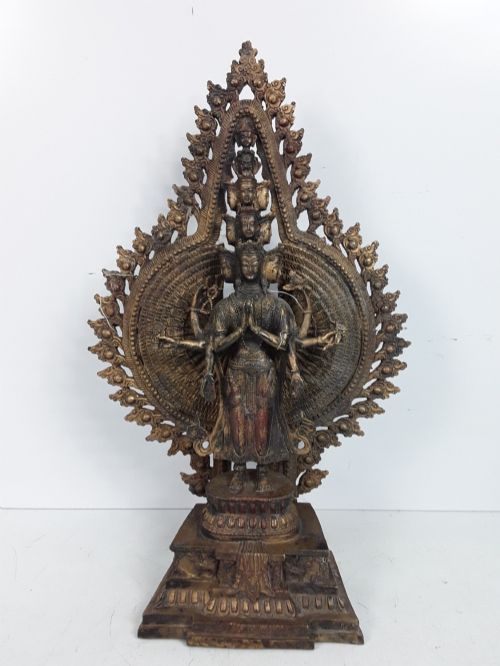
- The bodhisattva of compassion, frequently represented with multiple arms or heads such as the eleven-headed Chenrezig form.
- Votive figure
- An object dedicated to a shrine or temple for devotional purposes. Such pieces functioned as focal points for meditation and prayer.
Tibetan Buddhist Figure: Frequently Asked Questions
What is a tibetan buddhist figure?
A tibetan buddhist figure is a sculpted representation of a deity, protector, or revered teacher used in devotional practices and monastic settings.
These objects include cast metal statues, wood carvings, and bone pendants originating from Tibet, Nepal, and Sino-Tibetan workshops.
How were these figures used?
Monks and practitioners placed these statues on household shrines or temple altars to aid in meditation and visualization practices.
Larger temple lions and statues served as protective guardians and focal points for communal rituals within monasteries.
What materials are common?
Bronze, brass, and copper alloys form the primary metal medium, frequently enhanced with fire gilding, cold painted pigments, and turquoise inlays.
Some examples also utilise carved wood, bone, and mineral elements depending on the region and the object type.