



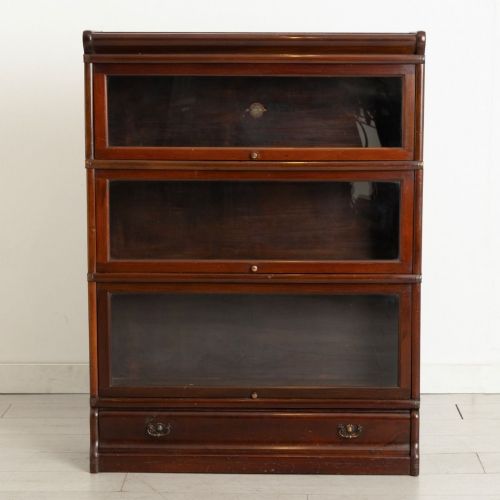


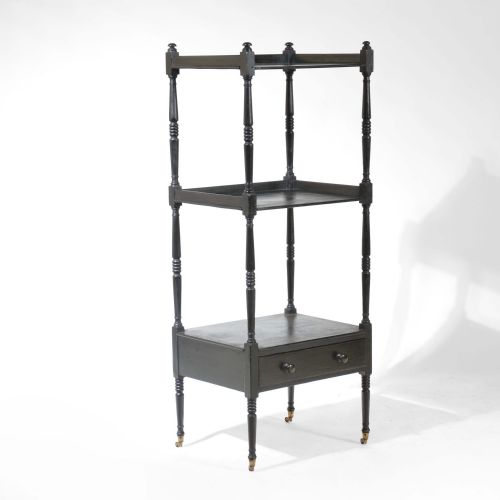

Three Tier Book Shelf
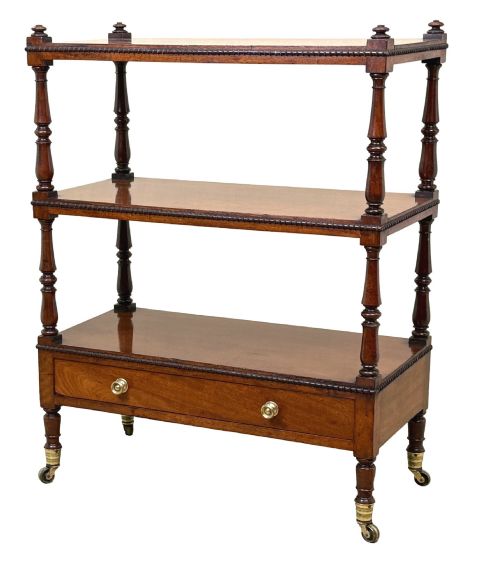
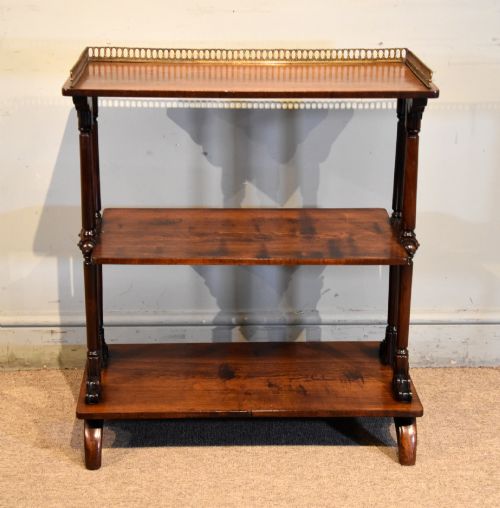
A three tier book shelf brings orderly display and tiered storage to a room, spanning compact wall units and freestanding rosewood whatnots.
Three Tier Book Shelf
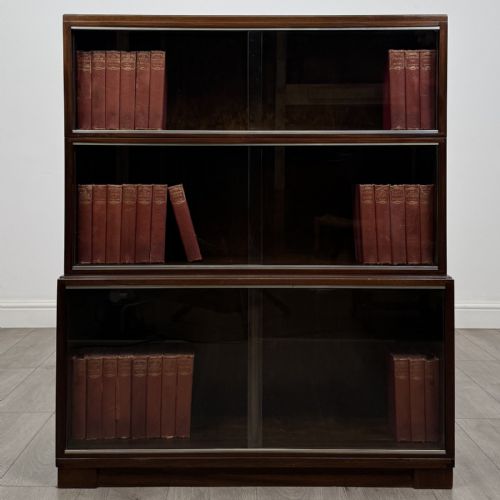
A three tier book shelf encompasses open bookcases, whatnots, etageres, and wall hanging shelves designed across multiple levels for books and display. When searching for a three tier book shelf, buyers encounter pieces primarily from the nineteenth century, the Edwardian period, and the nineteen twenties.
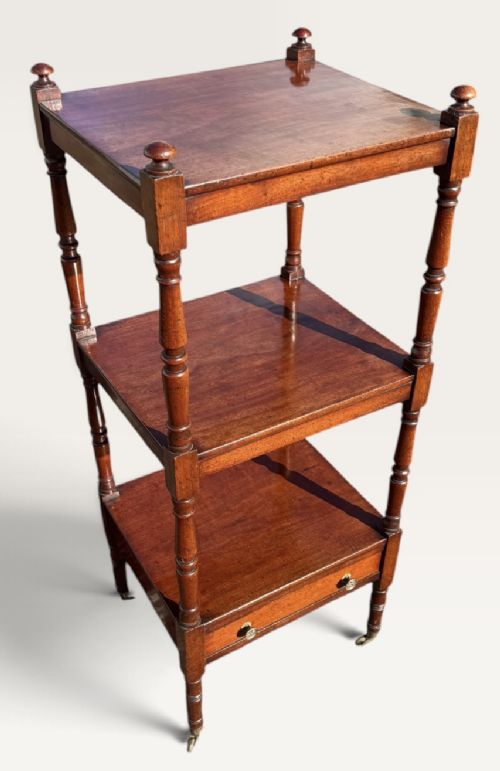
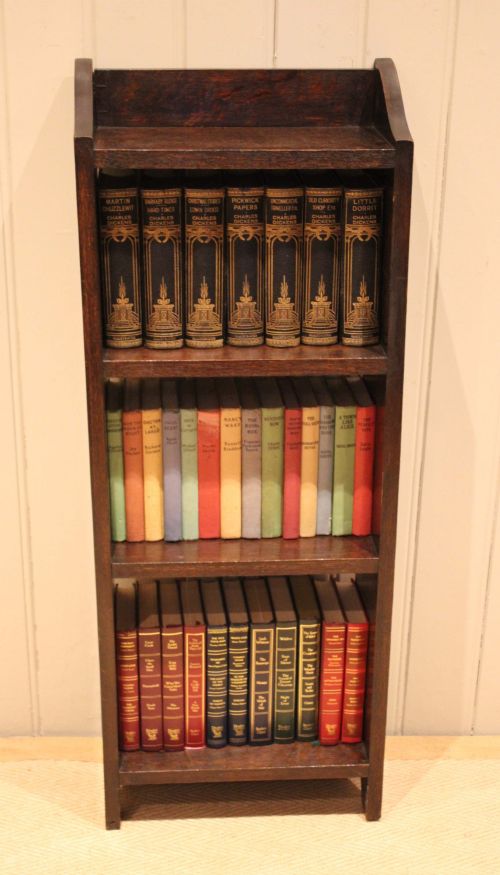
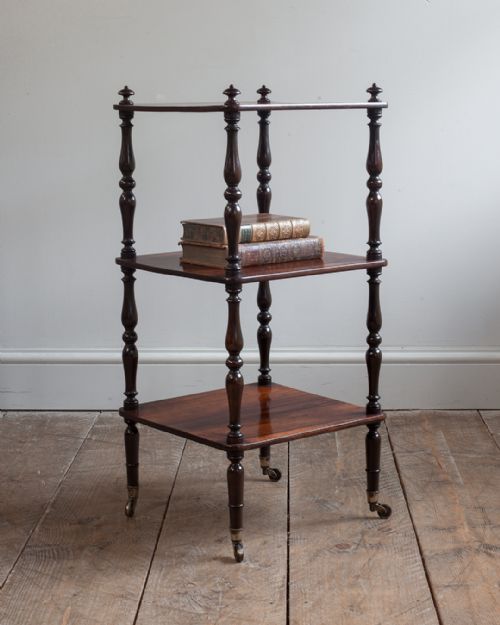
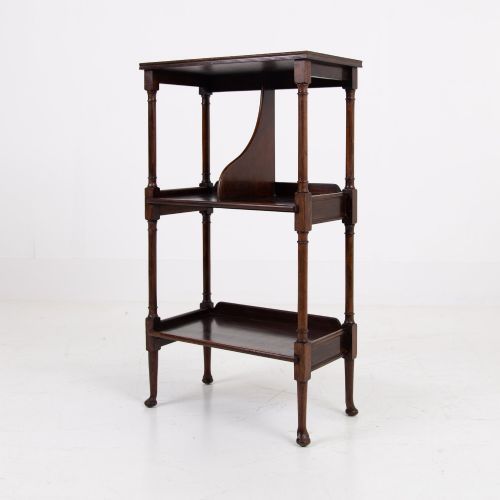
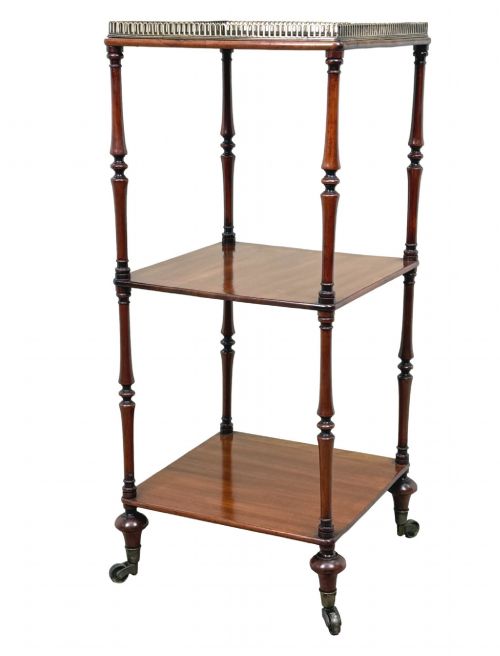
The most common forms on this page include mahogany and oak open bookcases, alongside multi-tiered whatnots and etageres in rosewood, birdseye maple, and ebonised wood. These items function equally well as bedside tables, night stands, and portable bookshelf units.
The regional origins and stylistic influences range from Georgian and Regency through to Victorian, William IV, and Arts and Crafts designs. Buyers select these tiered units to organise volumes and display objects within domestic spaces.
What varies in quality
The distinction between tiers rests upon the choice of timber and the fidelity of the period style, from Regency mahogany to Edwardian oak. Grain selection in rosewood and birdseye maple elevates the visual impact of the piece.
Joinery execution and the integration of brass or cast iron components dictate the structural integrity of a three tier book shelf. Pieces attributed to specific workshops demonstrate refined cabinet making traditions compared to standard utilitarian shelving.
Three Tier Book Shelf Retail Price Guide 2026
Typical asking prices for three tier book shelf among the pieces listed under this phrase on Sellingantiques today, from the lower quarter to the upper quarter. They describe what is for sale here now, not the wider market.
Portable mahogany bookshelves let nineteenth-century readers pack up their favourite volumes and take their library on tour.
Globe Wernicke·Gillows
The Three Tier Book Shelf Glossary
- Etagere
- A set of open shelves for displaying small objects or books, often synonymous with a whatnot. These French-derived pieces gained popularity during the nineteenth century.
- Regency Revival
- A style reproducing or drawing heavily upon the neoclassical designs of the Regency period. Pieces under this banner often date from the late nineteenth or early twentieth century.
- William IV
- A transitional design period bridging Regency and early Victorian eras. Furniture from this time frequently employs heavy rosewood and bold architectural proportions.
- Ebonised wood
- Timber treated with a chemical stain or finish to imitate ebony. This dark surface was favoured for dramatic contrast in nineteenth-century cabinet making.
Three Tier Book Shelf: Frequently Asked Questions
What is a three tier book shelf used for?
These tiered units were originally designed to hold books, portfolios, and decorative objects within living spaces or bedrooms. Their compact vertical footprint made them versatile additions to various rooms.
Today, buyers utilise them as bedside tables, night stands, or small bookcases to display collections while maintaining an open, uncluttered interior.
How do I date a three tier book shelf?
Dating relies on identifying the prevailing timber, style, and construction methods characteristic of periods like the Georgian era, Regency, or Edwardian epoch. Rosewood and heavy mahogany often point to nineteenth-century manufacture.
Lighter oak construction and simpler uprights frequently indicate later Edwardian or nineteen-twenties production, reflecting changing domestic tastes.
Are whatnots and etageres the same thing?
The terms are largely interchangeable in nineteenth-century British furniture trade, both describing multi-tiered open shelving units. An etagere sometimes implies a more decorative focus for ornaments.
A whatnot frequently serves practical book storage alongside display, though makers applied both labels to three-tier freestanding shelving.
Can these shelves support heavy books?
Freestanding open bookcases in solid oak or mahogany provide sturdy support for standard volumes across their multiple tiers. Portable shelves and lighter etageres are better suited to lighter collections.
Evaluating the thickness of the timber shelves and the stability of the upright supports indicates the practical weight capacity of each specific piece.