



Three Light Gilt Candelabra
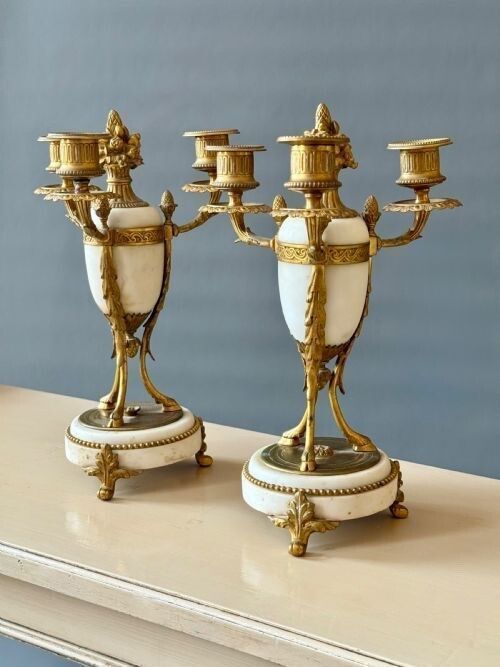
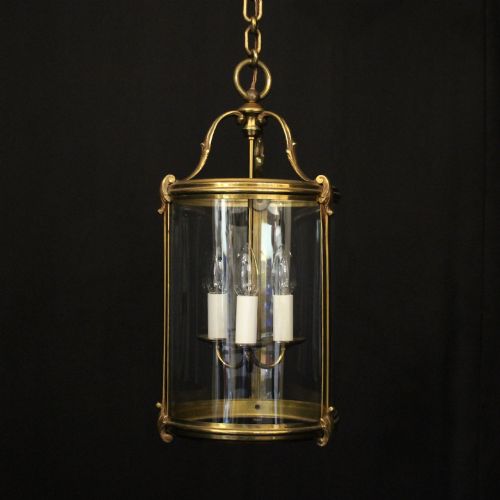
These three light gilt candelabra bring bright candlelight and gilded reflection to a room, cast in bronze, brass, giltwood and ormolu.
Three Light Gilt Candelabra
When you search for three light gilt candelabra, you are looking at branched lighting fixtures designed to hold three candles, surfaced in gold-toned finishes across French and Italian workshop traditions. These objects emerge most frequently from nineteenth century periods spanning Regency, Empire, and various revival movements, fashioned as tabletop pairs or wall sconces.
The materials that carry this gilding include bronze, ormolu, brass, and giltwood, sometimes paired with white marble, slate, or glass elements. Alongside traditional candelabra forms, the listings show related three branch formats including wall lights, wall sconces, and table lamps converted from earlier lighting.
Makers and designers referenced in the pieces include Rabiat, alongside models attributed to Clodion, demonstrating the sculptural ambitions of these lighting items. They serve as ornamental centrepieces that combine functional branch arms with decorative figures such as cherubs.
How they were made
The construction of these pieces relies on metal casting in bronze, brass, or gilt bronze, supplemented by hand-carved giltwood in Italian examples. Artisans applied mercury gilding or modern gold leaf finishes to create the characteristic golden sheen upon the metal surfaces.
Casting methods allowed workshops to produce detailed figures, scroll arms, and drip pans that were then assembled with threaded rods or pins. Combinations of patinated bronze and bright ormolu provided tonal contrast within a single piece.
Three Light Gilt Candelabra Retail Price Guide 2026
Typical asking prices for three light gilt candelabra among the pieces listed under this phrase on Sellingantiques today, from the lower quarter to the upper quarter. They describe what is for sale here now, not the wider market.
Listings include items spanning the nineteenth century alongside later twentieth century revivals in brass, bronze, and giltwood.
What varies in quality
Quality in these items rests upon the crispness of the original metal chasing and the depth of the gilding layers. Finer examples retain sharp relief in sculptural details like cherubs and acanthus leaves, whereas lesser pieces show smoothed edges from worn moulds.
The choice of secondary materials, such as solid marble bases rather than lighter substitutes, shifts the weight and stability of the candelabrum. Precision in the alignment of the three branches also separates standard production items from workshop pieces.
Rabiat·Clodion
The Three Light Gilt Candelabra Glossary
- Ormolu
- Gilded bronze produced through a mercury amalgamation technique. This historic process creates a durable, warm golden surface finish.
- Giltwood
- Timber carved and coated with gold leaf or gesso. It appears frequently on Italian wall lights and sconces.
- Candelabra
- A branched candlestick holder designed to support multiple candles simultaneously. These pieces typically feature three arms in the current selection.
- Patinated bronze
- Bronze that has been chemically darkened or aged to provide contrast against polished gilt highlights. This technique accentuates the sculptural forms.
- Regency
- An architectural and design style dating from the early nineteenth century. Pieces from this period often combine classical bronze and ormolu mounts.
Three Light Gilt Candelabra: Frequently Asked Questions
How do I clean three light gilt candelabra?
Dust the metal surfaces gently with a soft, dry brush to prevent accumulation in the recesses of the casting. Avoid abrasive commercial cleaners that can strip the delicate gold leaf or ormolu layers.
Use caution around marble or wooden sections to ensure moisture does not damage the porous materials. Regular light maintenance preserves the historic surface finish without altering the metal.
Were these candelabra wired for electricity?
Many examples retain their original configuration for wax candles, while others have been converted into table lamps over time. Conversions often integrate wiring through the central stem while keeping the branch arms intact.
Buyers can find both purely historic lighting and adapted pieces depending on modern room requirements. Check the specific listing details to confirm the current wiring status of each item.
How do I distinguish French Empire from Regency styles?
French Empire pieces lean towards strict neoclassical symmetry, military motifs, and heavy ormolu contrasts against dark patinated bronze. Regency designs from Britain often incorporate lighter, more linear interpretations of classical themes with adjustable arm mechanisms.
Both styles utilise similar gilt bronze materials but differ in their overall silhouette and decorative vocabulary. Examining the base and mount construction helps clarify the regional workshop origin.
Can I use these candelabra on a dining table?
These three branch pieces fit well on dining tables or sideboards as decorative focal points during gatherings. Their height allows guests to converse across the table while providing ambient candlelight.
Ensure stable placement on flat surfaces and use appropriate drip guards if burning real wax candles. Many collectors also display them unlit on mantelpieces or console tables.