

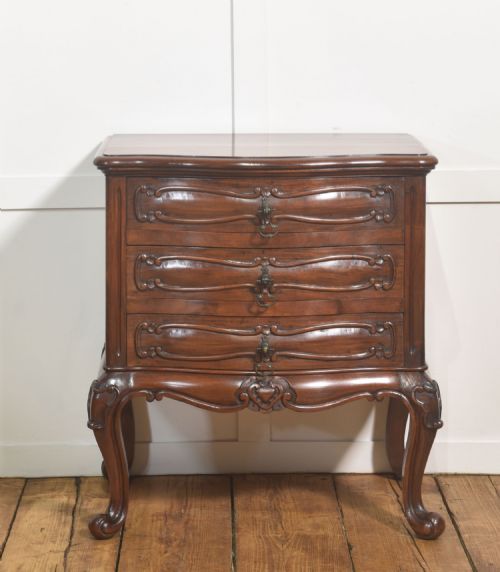
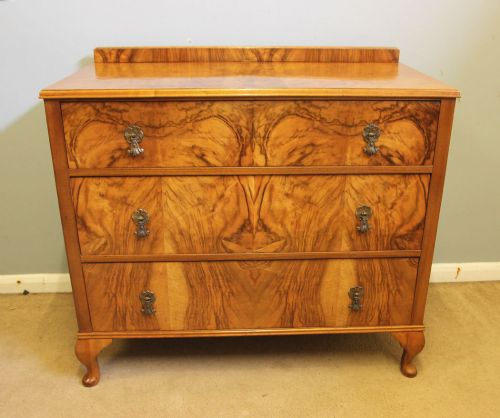
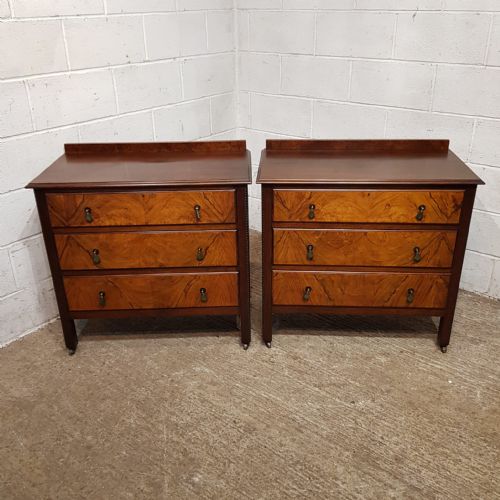
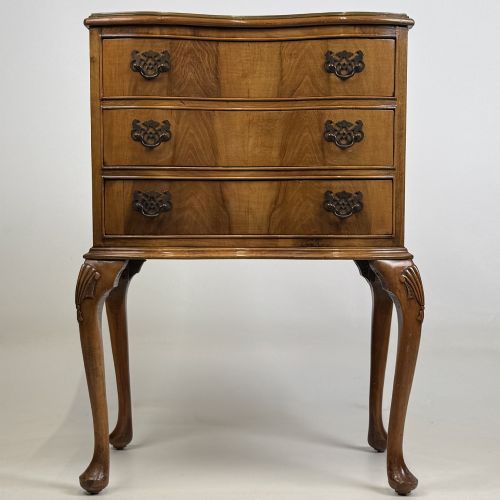
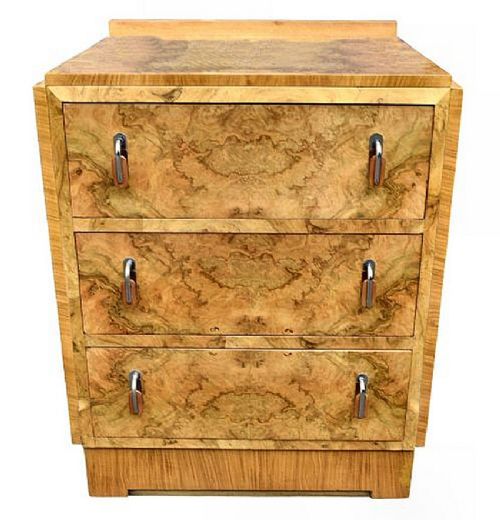


Three Drawer Walnut Commode
A three drawer walnut commode brings warmth and architectural presence to a room, offering deep timber drawers beneath a useful surface.
Three Drawer Walnut Commode
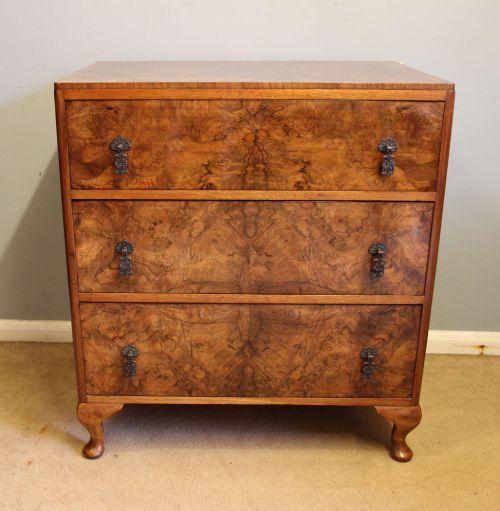
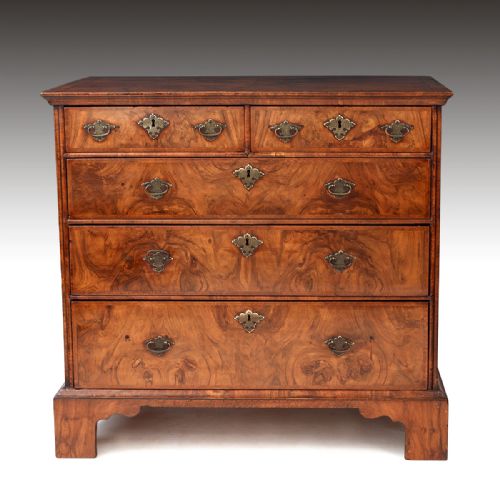
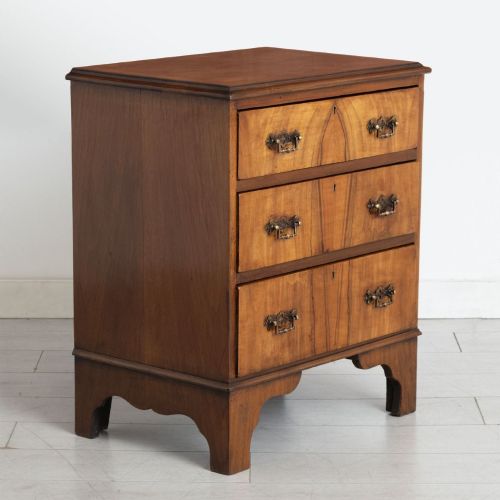
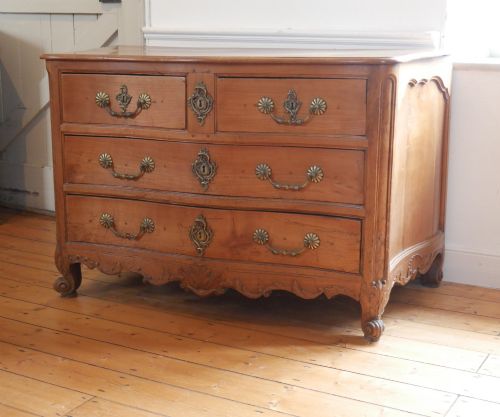
A three drawer walnut commode is a low storage chest or bedside table defined by its timber and proportion, spanning periods from the late seventeenth century through the Georgian era and into twentieth century revivals. When you search for this phrase, you meet continental European commodes alongside British chests of drawers, French Provincial pieces, and serpentine or bombe forms.
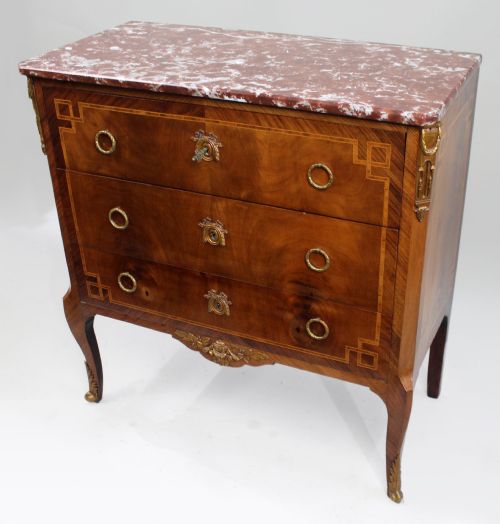
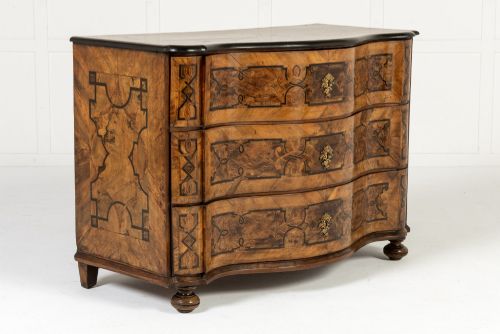
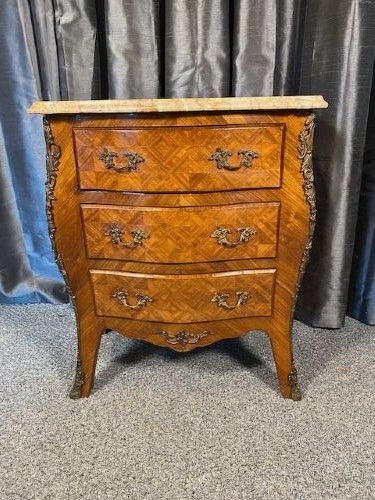
The version you are most likely to encounter on this page is either an eighteenth century continental design with marquetry and marble tops or a twentieth century walnut veneer revival piece. These items function equally well as bedside tables, freestanding side tables, or principal chest storage in a bedroom.
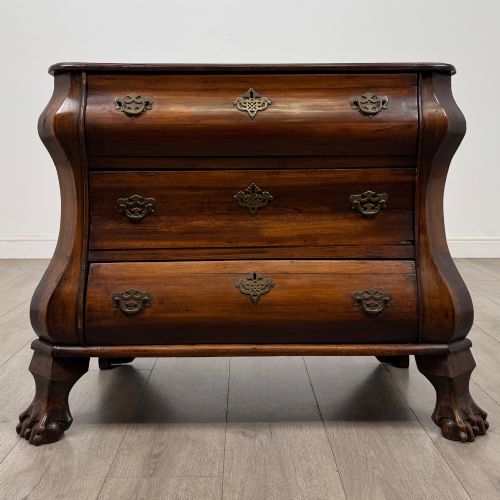
The form embraces distinct regional interpretations, ranging from Dutch bombe shapes to German inlaid carcases and French Louis XV styles. Each iteration maintains the characteristic three drawer horizontal arrangement while employing local stylistic flourishes.
How they were made
Cabinetmakers constructed these carcases using solid walnut, burr walnut, fruitwood, and oak, frequently applying finely figured walnut veneers to achieve rich grain patterns across the drawer fronts. Secondary timbers such as oak provide structural stability behind the decorative exterior surfaces.
Surface ornamentation relies on contrasting marquetry inlays, polished rouge or white marble tops, and cast brass handles or gilt ormolu mounts. Joinery methods include traditional dovetails on the drawer construction and precise veneering techniques that wrap the grain around serpentine and bombe contours.
Some continental pieces feature concealed small drawers hidden beneath the main marble top for keeping secret correspondence.
What varies in quality
The standard of a three drawer walnut commode rests upon the selection of the timber veneers and the crispness of the carving or marquetry inlay. Figured burr walnut and symmetrical grain matching indicate superior workshop ambition compared to plain veneer applications.
Construction integrity and original hardware define the upper tier of pieces, where heavy brass handles, integrated ormolu mounts, and fitted marble tops remain intact. The fluidity of the serpentine or bombe curve also dictates quality, requiring immense skill from the cabinetmaker to shape timber successfully.
The Three Drawer Walnut Commode Glossary
- Commode
- A low French chest of drawers or cabinet designed for domestic storage. It typically sits lower than a traditional British tall chest.
- Bombe
- A swelling or bulging contour characteristic of continental furniture design. This curvaceous profile requires advanced veneer shaping.
- Ormolu
- Gilded bronze mountings applied to furniture for decorative effect. They frequently accent French commodes from the eighteenth and nineteenth centuries.
- Marquetry
- Decorative patterns formed by inserting pieces of coloured wood into a veneer surface. It creates geometric or floral imagery across drawer fronts.
- Serpentine
- A furniture front curving inward centrally and outward at the ends. This undulating profile demands precise carpentry.
Three Drawer Walnut Commode: Frequently Asked Questions
How do I date an antique walnut commode?
Dating relies on examining the construction methods, handle fixings, and secondary timbers used inside the carcase. Eighteenth century pieces typically show hand cut dovetails and native woods like oak beneath the walnut veneer.
Twentieth century revival examples display more uniform machining and modern internal fixings. Comparing the drawer linings and hardware against known period styles helps confirm the decade of manufacture.
Where should I place a commode at home?
These pieces suit bedrooms as principal drawer storage or compact bedside tables depending on their overall dimensions. Their decorative marble tops and figured grain also make them effective hallway or living room side tables.
Ensure the room maintains stable humidity levels to protect the delicate walnut veneers from drying out or lifting over time.
How do I care for walnut veneer?
Protect walnut timber by keeping it away from direct sunlight and strong heat sources that can dry out the natural wood. Dust gently with a dry microfibre cloth and avoid using silicone polishes.
Waxing occasionally with a quality beeswax nourishes the grain and maintains the surface sheen without building up residue.