

Three Drawer Table
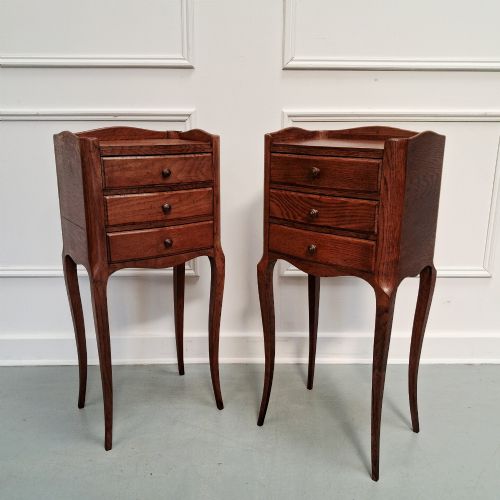
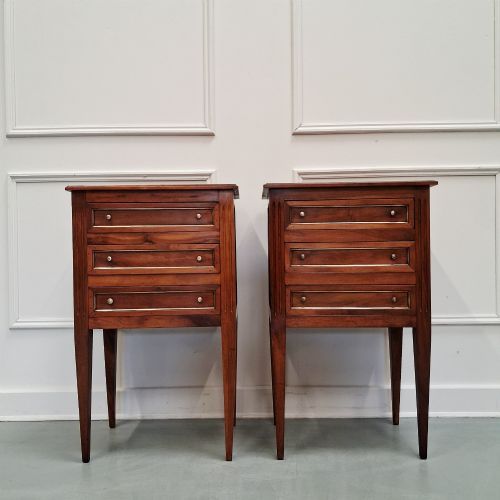
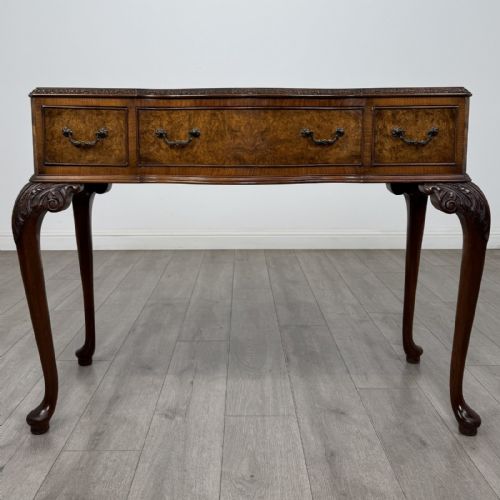
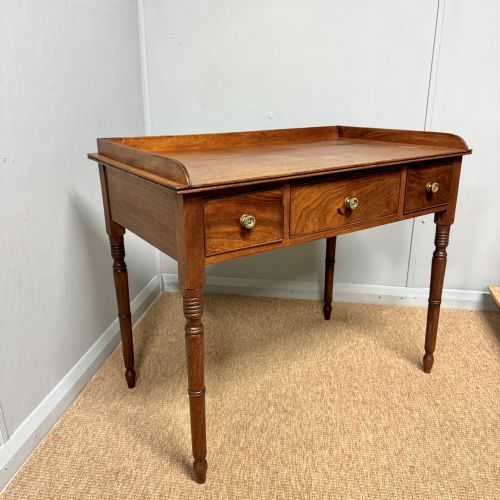
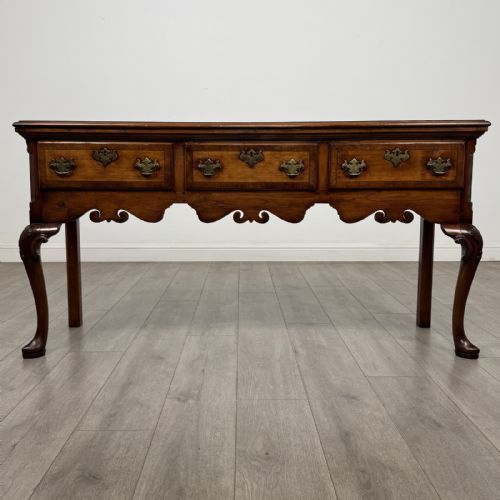
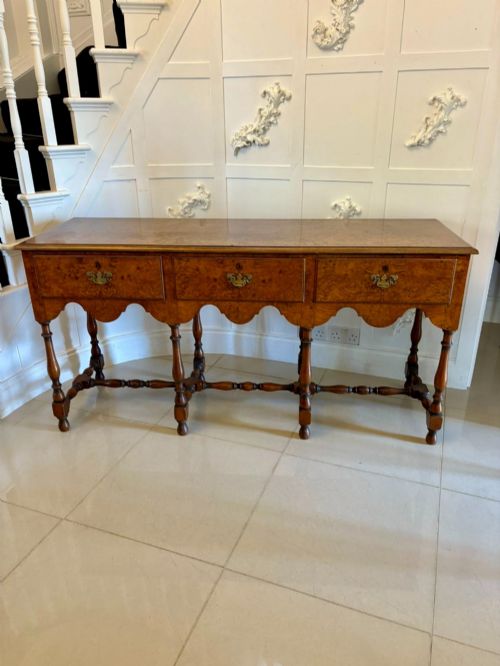
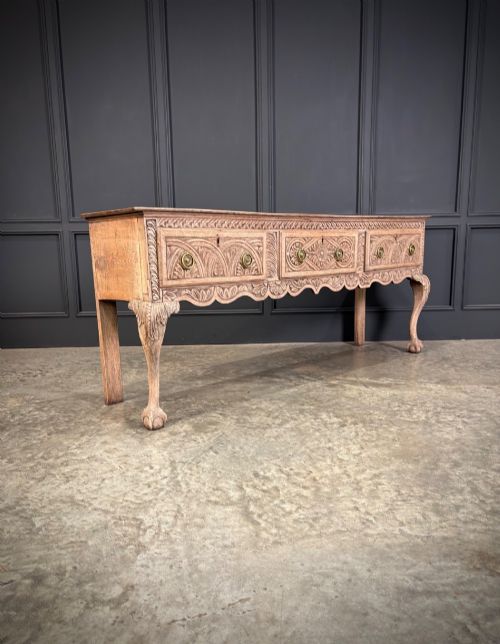
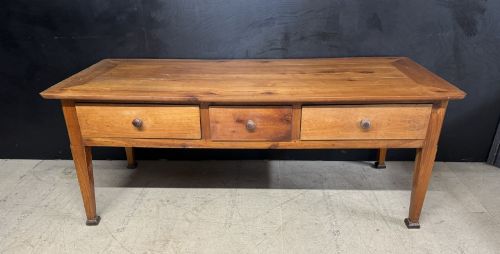
A three drawer table offers practical storage with balanced proportions, emerging in formats from oak lowboys to mahogany writing desks.
Three Drawer Table
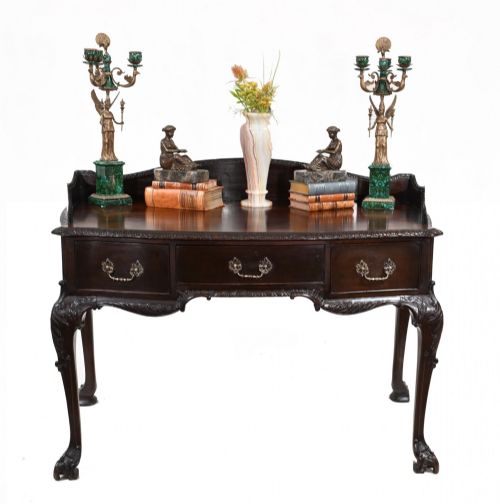
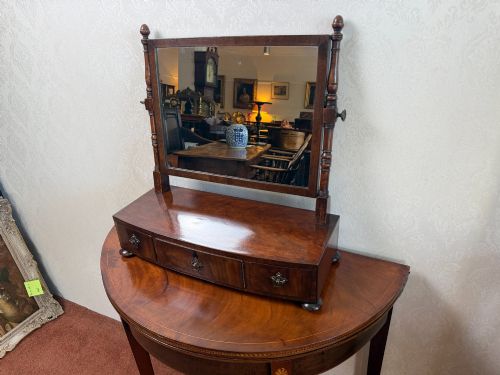
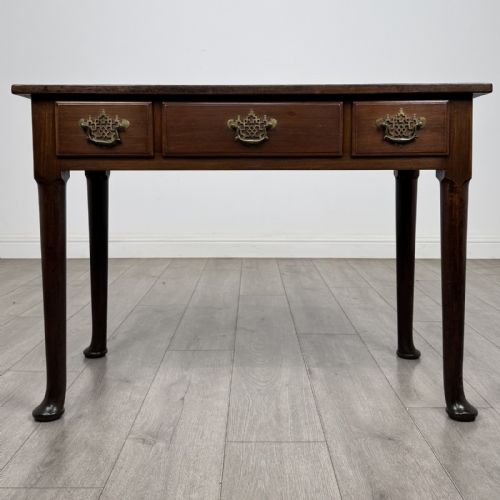
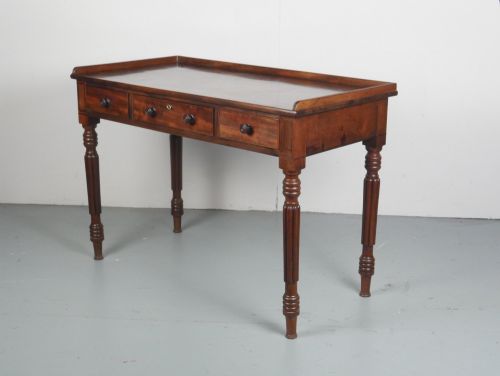
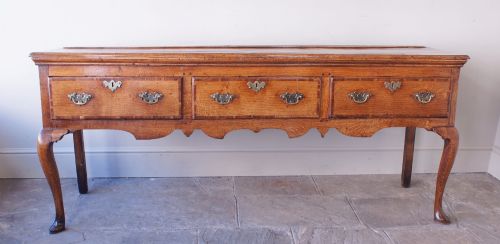
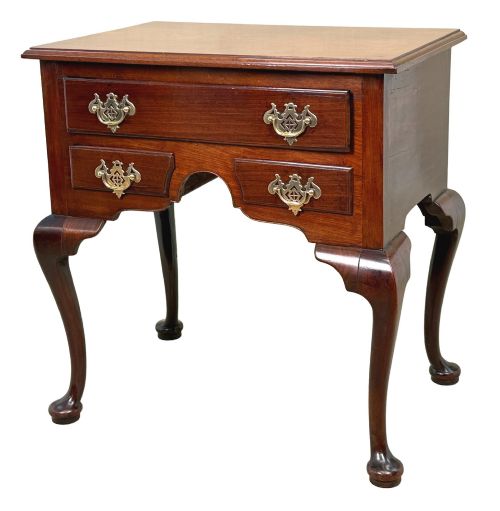
A three drawer table encompasses lowboys, writing tables, dressing tables, and dresser bases originating from the eighteenth, nineteenth, and early twentieth centuries. Georgian and Victorian examples appear frequently alongside Edwardian and later interpretations.
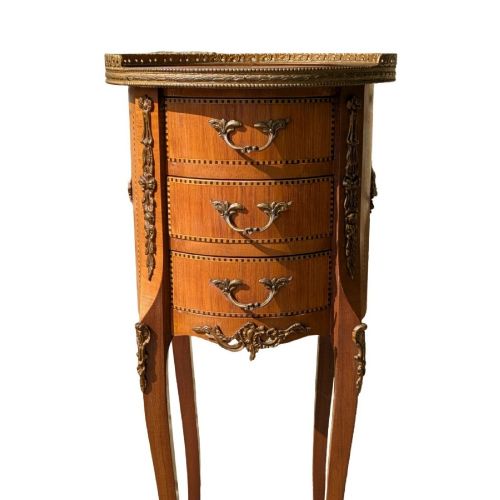
Makers adapted this three-drawer arrangement across various rooms, producing compact bedside cabinets, kitchen scullery tables, and grand console tables. Oak and mahogany dominate the older iterations, while walnut and burr walnut gain prominence in later decades.
Materials and construction
Cabinetmakers utilised solid timbers including oak, mahogany, walnut, and pine, frequently applying decorative veneers like burr walnut or marquetry. Brass handles and escutcheons punctuate the drawer fronts, while glass occasionally tops specific writing or dressing variants.
Joinery methods reflect the period of origin, incorporating hand-cut dovetails within drawer construction and stable framing. Surfaces range from polished timber finishes to painted wood and faux bamboo treatments.
Three Drawer Table Retail Price Guide 2026
Typical asking prices for three drawer table among the pieces listed under this phrase on Sellingantiques today, from the lower quarter to the upper quarter. They describe what is for sale here now, not the wider market.
Listings span the eighteenth, nineteenth, and early twentieth centuries, featuring oak, mahogany, walnut, and pine across numerous regional styles.
Evaluating the pieces
Construction integrity and timber selection define the upper tier of these tables, where well-figured grain and original brass hardware remain intact. Lesser examples show replacement elements or heavy later adaptation.
Proportion and decorative restraint separate standard utility pieces from finer formal furniture, such as lowboys with carved knees and cabriole legs.
The Three Drawer Table Glossary
- Lowboy
- A small table with drawers, typically standing on four legs and originating in the eighteenth century. These versatile pieces often functioned as dressing tables or side tables.
- Dresser base
- The lower section of a traditional kitchen or dining room dresser, featuring multiple drawers above a pot board or open space. Many survive independently as sideboards.
- Cabriole leg
- A furniture leg that curves out and then in, resembling an animal's leg. This design frequently terminates in pad or claw-and-ball feet on Georgian pieces.
- Gallery
- A raised rail or rim surrounding the top edge of a table or desk. It prevents items from rolling off the surface.
Three Drawer Table: Frequently Asked Questions
What is a lowboy?
A lowboy is a small antique table fitted with drawers, primarily produced during the eighteenth century. They served various domestic purposes including dressing and writing.
Their compact size allows them to function well as modern side tables or hallway furniture.
How do I date an oak table?
Dating oak furniture involves examining the construction methods, tool marks, and hardware. Eighteenth-century pieces typically feature hand-cut dovetails and pegged joints.
Later reproductions and Edwardian adaptations often display uniform machine sawing and different internal timber characteristics.
Where should I place a dresser base?
Dresser bases work effectively in hallways, dining rooms, and kitchens as sideboards or serving tables. Their shallow depth makes them suitable for narrow circulation spaces.
The lower drawers provide practical concealed storage for everyday items.
Are writing tables practical for daily use?
Antique writing tables provide functional surface areas and storage drawers suited for contemporary laptops and paperwork. Mahogany and walnut variants offer sturdy construction for daily tasks.
Leather or wooden writing surfaces require basic maintenance to prevent scratches and staining.