
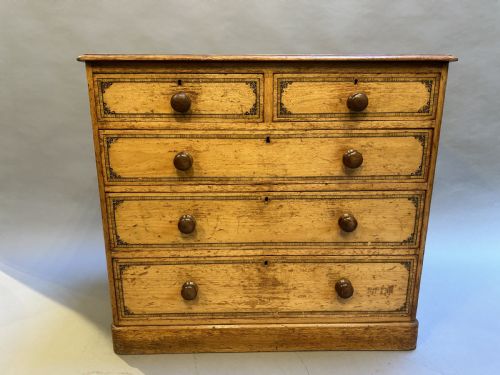
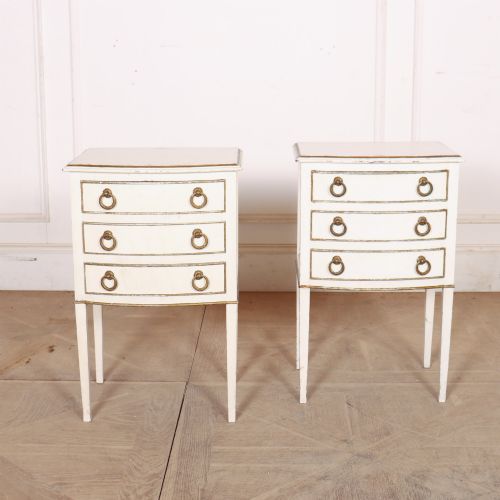

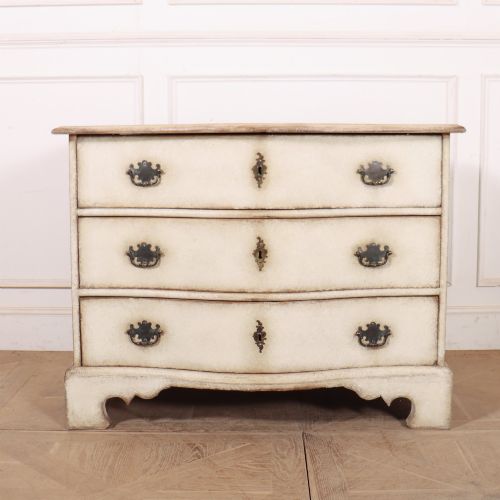
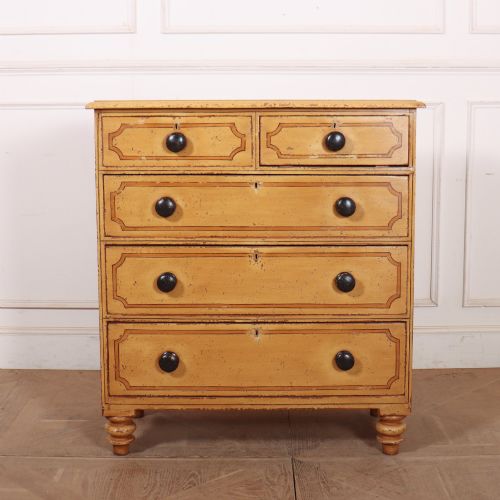


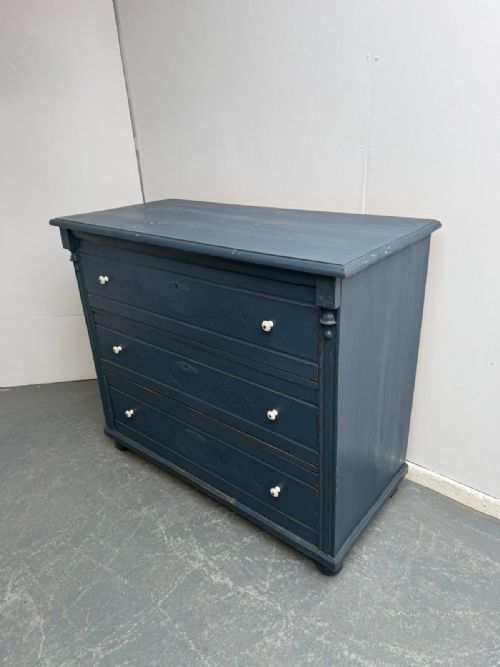
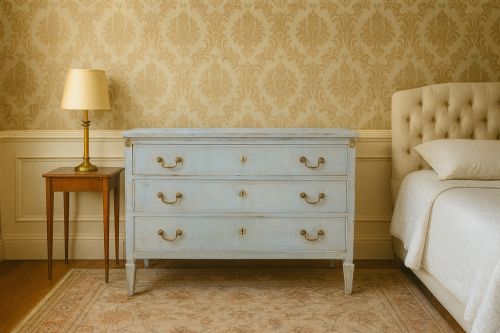


Three Drawer Painted Commode
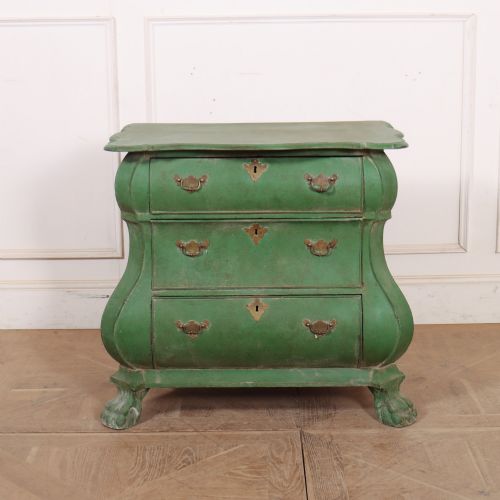
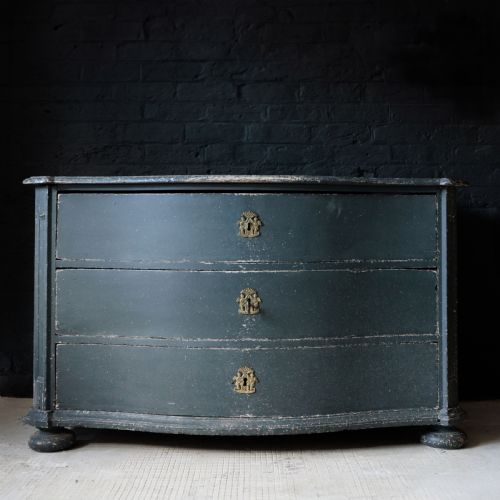
A three drawer painted commode brings continental elegance and practical storage together through characterful surface finishes and serpentine or bow front profiles.
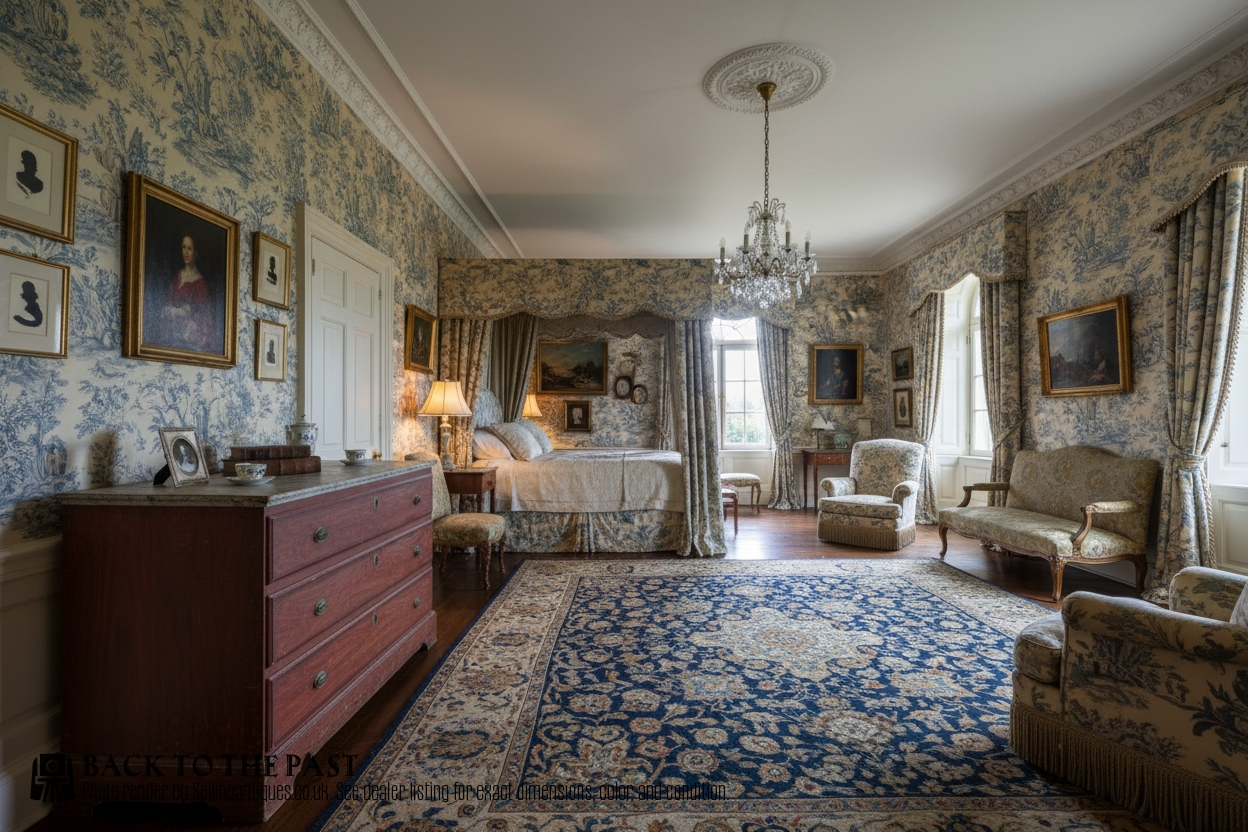
Three Drawer Painted Commode
A three drawer painted commode serves as a versatile storage piece combining functional drawer space with decorative painted surfaces. When searching for a three drawer painted commode, buyers encounter items ranging from compact bedside tables to larger statement chests.
The pieces on this page span several centuries and regions, showing influences from French Provincial, Gustavian, and Victorian country traditions. Pine and oak form the primary carcases, while decorative paintwork, stencilling, and scumble finishes define the exterior aesthetic.
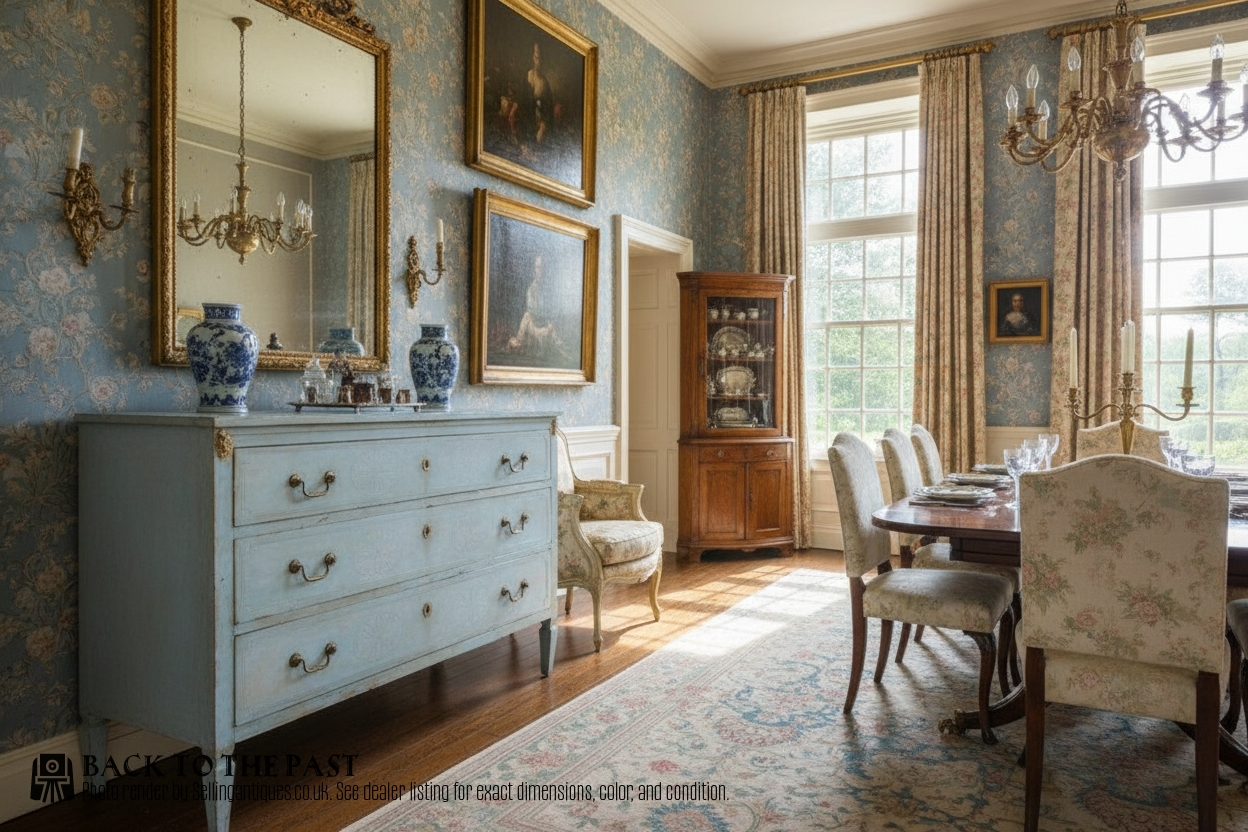
Materials and construction
Local timbers such as pine, oak, and general wood provide the foundational carcases for these chests, often paired with brass hardware and occasionally marble tops. Artisans constructed the drawers using traditional joinery before applying layers of paint, stencilling, or simulated wood effects.
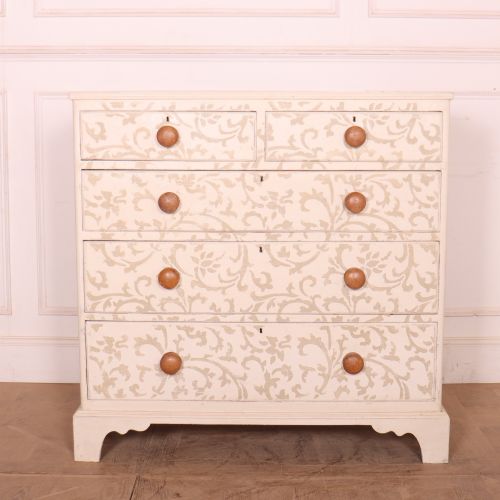
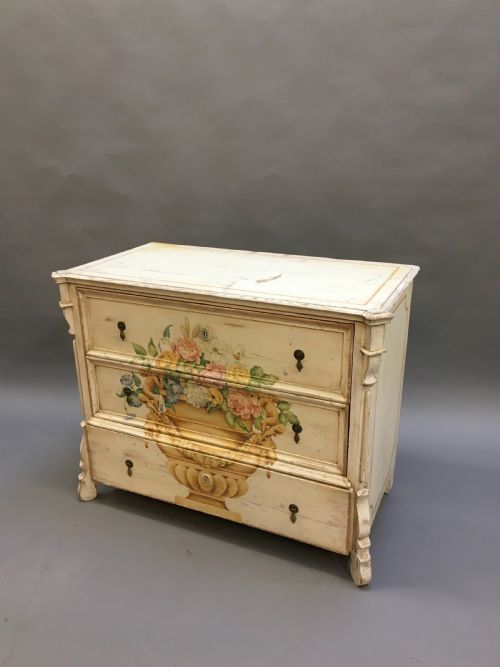
Surface treatments vary widely from simple blue or black coats to intricate decorative schemes reflecting Swedish, French, Italian, and English provincial traditions. The integration of carved details on oak structures or serpentine contours on pine demonstrates the diverse techniques employed by period makers.
Three Drawer Painted Commode Retail Price Guide 2026
Typical asking prices for three drawer painted commode among the pieces listed under this phrase on Sellingantiques today, from the lower quarter to the upper quarter. They describe what is for sale here now, not the wider market.
Listings feature items spanning the 18th century through to 1920, incorporating pine, oak, marble, and brass materials across French, Swedish, and English styles.
What separates the finest examples
Quality in these chests rests upon the harmony of proportions, the sophistication of the painted surface, and the crispness of any carved detailing. Serpentine and bombe profiles require greater woodworking skill than straight fronts, lifting the visual weight of the piece.
The integrity of the original paint layer and the subtlety of decorative stencilling or scumbling dictate the visual success of the surface. Finer examples retain authentic patination across the timber and hardware, showing balanced wear rather than heavy modern intervention.

The Three Drawer Painted Commode Glossary
- Commode
- A low chest of drawers or cabinet, typically originating from French furniture design. These pieces often feature decorative painted finishes and serpentine fronts.
- Serpentine
- A furniture front shape that curves outward in the centre and inward at the sides. This flowing contour appears frequently on 18th and 19th-century commodes.
- Scumble
- A decorative painting technique involving layers of translucent colour dragged or mottled over a paler base to imitate wood grain. Victorian pine chests often utilise this finish.
- Gustavian
- The Swedish interpretation of French neoclassical style, characterised by restrained carving and pale painted finishes. Gustavian commodes frequently exhibit light grey or cream colour schemes.
- Bombe
- A swelling, outward-curving chest profile associated with continental commodes. This bulbous shape demands advanced cabinet-making skill.
Three Drawer Painted Commode: Frequently Asked Questions
Where should I place a painted commode?
These chests work well in hallways, living rooms, or bedrooms where surface space and drawer storage are equally needed. Their decorative painted finishes allow them to function as focal points against neutral walls.
Matching the scale of the commode to the room ensures the serpentine or bow front profile remains a feature rather than an obstruction.
How do I clean a painted wooden surface?
Dust the surface regularly with a soft, dry cloth to prevent dirt accumulation. Avoid harsh chemical cleaners that can damage historic paint layers or scumble finishes.
Applying a light, microcrystalline wax can protect original painted wood surfaces without altering their sheen.
Are marble top commodes heavy?
The addition of a stone top significantly increases the weight of the chest of drawers. This stone component provides a durable, heat-resistant surface historically favoured for washing or display.
When positioning a marble topped commode, ensure the floor surface is level and capable of supporting the concentrated weight.
What is the difference between an English and a Swedish commode?
English examples tend to use pine or oak with straightforward proportions, sometimes featuring simulated wood grain. Swedish Gustavian pieces typically display brighter pale palettes and neoclassical carved accents.
Both regional styles utilise three drawer configurations but reflect distinct aesthetic priorities in their painted decoration.