




Terrier Oil Painting Framed
A terrier oil painting framed brings the sharp character and working spirit of the breed directly into a room.
Terrier Oil Painting Framed
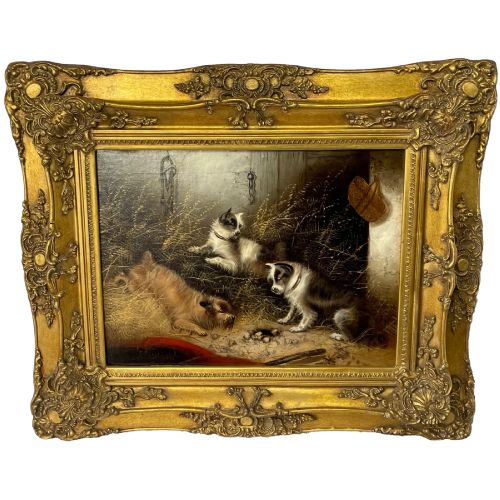
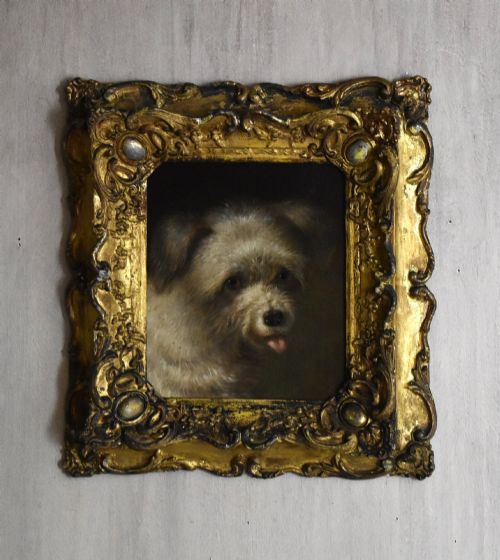
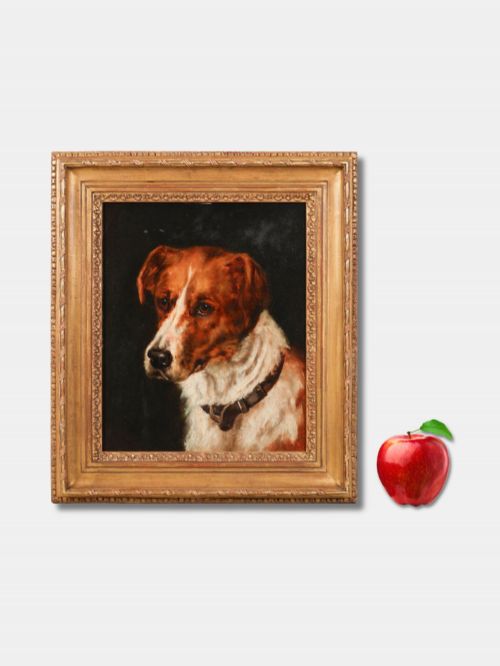
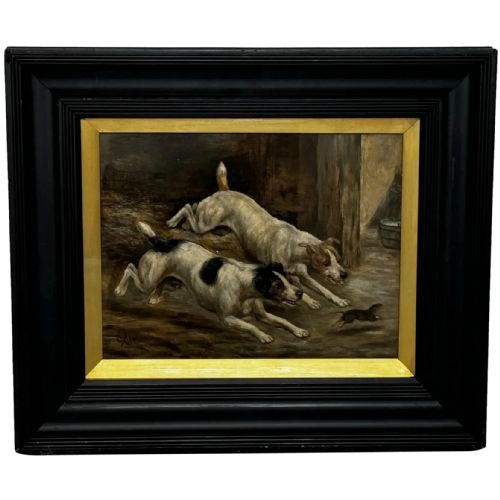
A terrier oil painting framed presents canine portraits and sporting scenes executed in oil paint across the Victorian era, the nineteenth century, and into the mid-twentieth century. Buyers seeking this subject matter encounter depictions of individual dogs, pairs, and working scenes involving ratting or farm life.
The selections span distinct periods from the Regency era through to nineteen-forty, reflecting shifting approaches to animal painting. Canvases range from intimate studies of Jack Russells, Cairn terriers, and fox terriers to larger compositions framed in period giltwood.
Makers and followers represented in the field include recognised animaliers such as John Emms, Valentine Thomas Garland, and George Armfield. These works capture the tenacity and alertness characteristic of the breeds through traditional oil techniques.
Materials and technique
Artists painted primarily with oil paint on stretched canvas or board, building up rich textures to render the wiry coats and expressive eyes of the subjects. Pigments were manipulated to catch the light on fur and surrounding details such as barns, walled gardens, or domestic interiors.
Frames are constructed from wood, frequently finished in gilt or giltwood to complement the tonal depth of the oil paintings. These housings range from simple moulding to ornate Victorian surrounds that enhance the presence of the artwork.
Several canvases capture terriers mid-action guarding caged rats, proving that Victorian dogs took their pest control duties with utmost seriousness.
Quality and execution
Quality rests upon the artist's command of canine anatomy, expression, and posture, distinguishing a lifelike character study from a stiff reproduction. Superior works demonstrate a confident handling of brushwork in the rendering of fur and the surrounding narrative context.
The integration of the painting with its frame plays a significant part in the overall integrity of the piece. Period frames that harmonise with the age and style of the canvas elevate the presentation, while later replacements alter the historical balance.
Valentine T Garland·Martin Theodore Ward·Sir Edwin Landseer·Edwin Frederic Holt·John Emms·George Armfield·Edward Armfield·Samuel Fulton
The Terrier Oil Painting Framed Glossary
- Oil on canvas
- Pigments suspended in a drying oil applied to a woven fabric support. This traditional medium allows for smooth blending and rich surface texture.
- Giltwood
- Wood carved and coated with a thin layer of gold leaf or metallic gilt paint. It is commonly found on traditional frames from the nineteenth century.
- Sporting art
- Depictions of animals, hunting, and rural pursuits. This genre gained immense popularity during the Victorian period.
- Follower
- An artist working in the style of a master without being a direct pupil. Such works often share the palette and compositional approach of a well-known painter.
Terrier Oil Painting Framed: Frequently Asked Questions
How do I date a terrier painting?
Dating relies upon stylistic clues within the canvas, the construction and material of the stretcher frame, and biographical details of the artist where signed. Victorian works often display specific framing styles and subject matter associated with nineteenth-century rural life.
Examining the canvas preparation and any inscriptions on the reverse provides further chronological markers. Comparison with dated works by the same hand or follower school helps narrow the period.
Where should I hang these paintings?
These works suit traditional studies, living rooms, or hallways where their rich oil textures and wooden frames can be appreciated at close range. Positioning them away from direct sunlight protects the oil pigments and gilt surfaces from fading.
Pairing a framed terrier painting with period furniture creates a cohesive historical display. Smaller portraits fit well in intimate spaces or grouped alongside other canine art.
What is ratting in these paintings?
Ratting scenes depict terriers engaged in their traditional working role of hunting vermin around farmyards and barns. Artists like George Armfield captured the intense focus and physical energy of the dogs during these tasks.
Such compositions highlight the utilitarian history of breeds like the Jack Russell. They reflect the nineteenth-century appreciation for working animals performing their natural duties.
Are these works original or copies?
The selection includes both original compositions from life and period copies after renowned animal painters such as Sir Edwin Landseer. Signatures, inscriptions, and brushwork analysis help distinguish an original hand from a studio replica.
Period copies from the nineteenth century hold their own historical interest as examples of contemporary study. Documentation and provenance records often clarify the origin of each piece.