

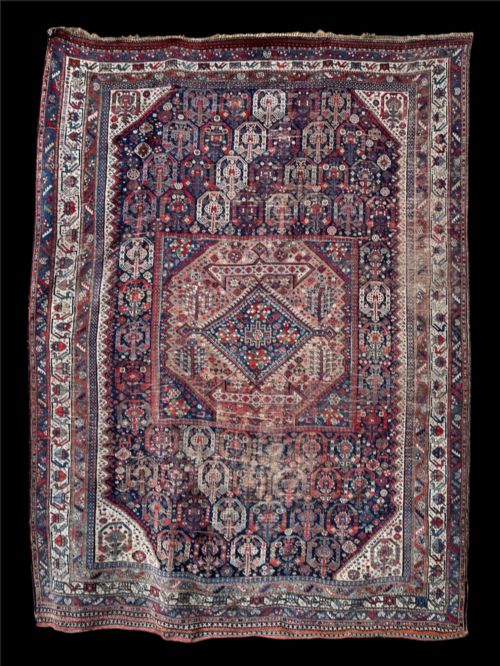
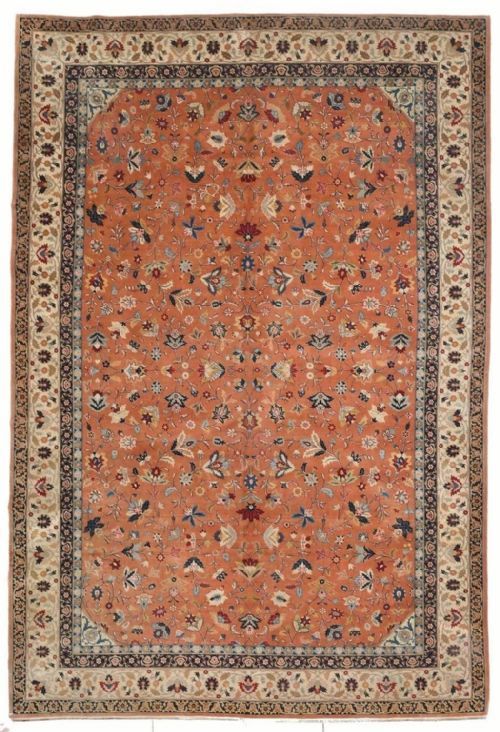
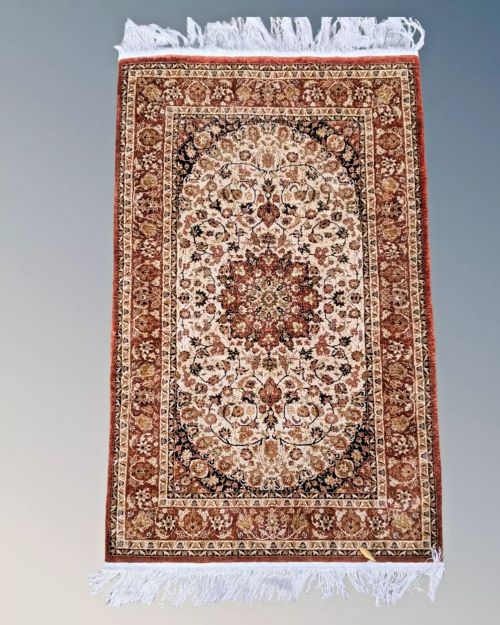

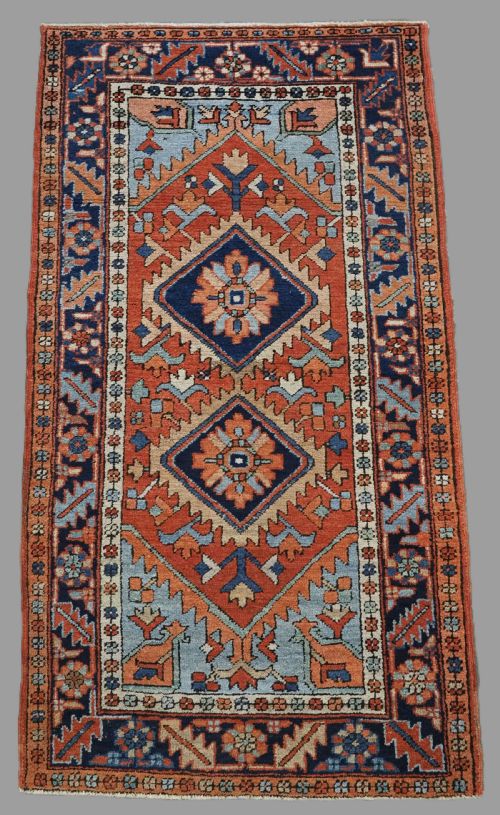
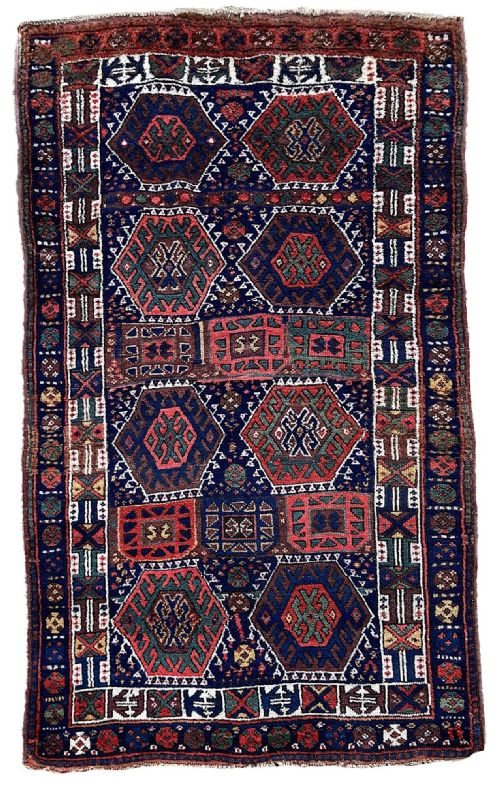
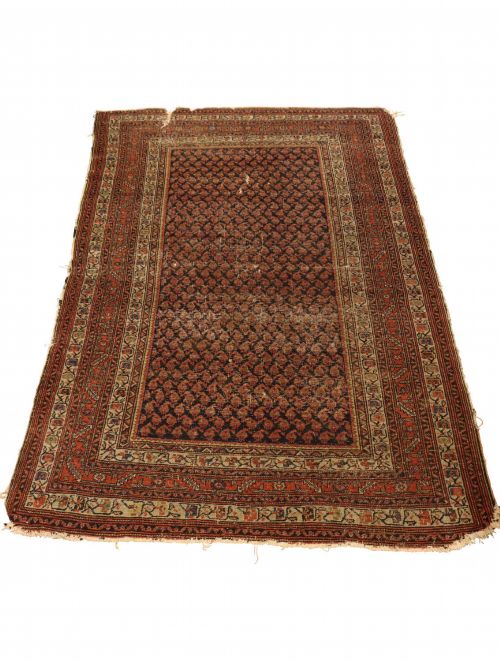


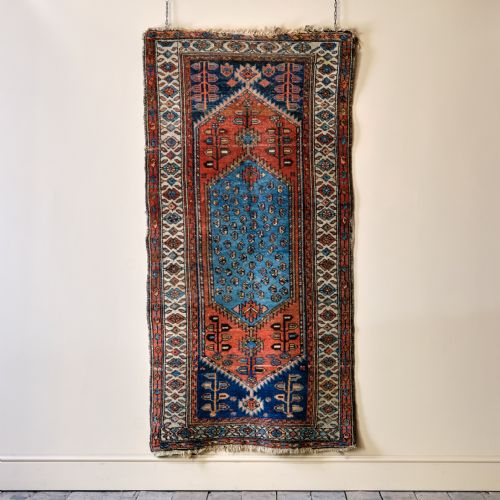

Terracotta Woven Runner
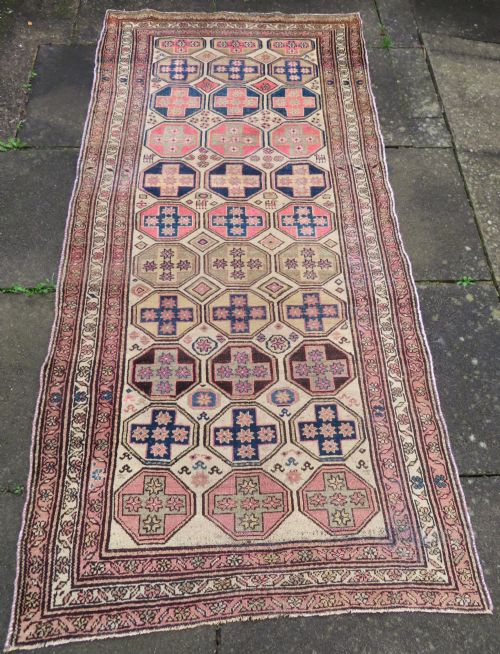
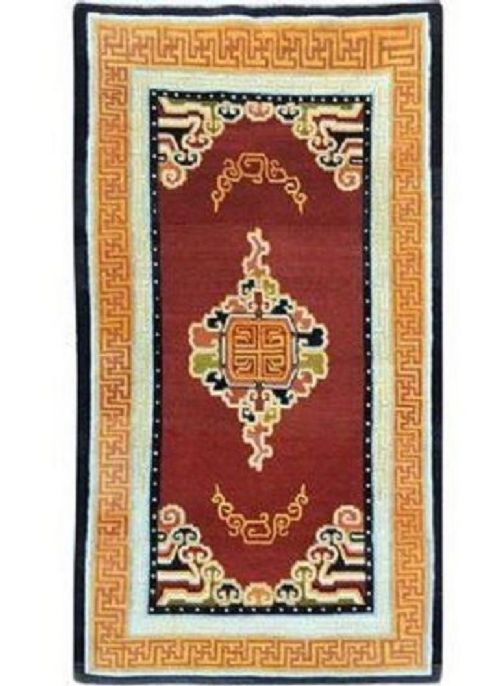
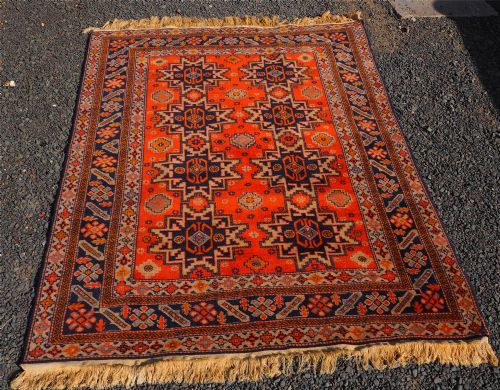
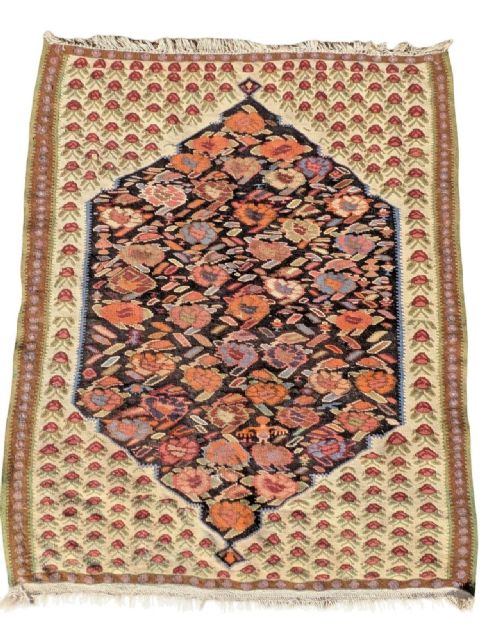
These terracotta woven runner selections bring earthy warmth and tribal geometry into a hallway or narrow space.
Terracotta Woven Runner
A terracotta woven runner is a long, narrow textile designed for corridors, stairs, and passageways, often originating from tribal and village traditions.
The pieces on this page span from the nineteenth century into the early twentieth century, showing the enduring utility of hand-knotted and flat-woven formats.
Makers from Persian, Caucasian, and Central Asian regions dominate these selections, bringing rich regional patterns and motifs to narrow floor spaces.
How they were made
Weavers utilised natural dyes derived from plants and minerals, creating the mellow terracotta hues and earthy tones seen across these carpets.
Materials such as hand-spun wool, cotton, goat hair, and silk provide the tactile foundation, knotted or woven tightly by hand on traditional vertical looms.
Many old nomadic weavers tucked tiny intentional flaws into their carpets to ward off the evil eye.
What varies in quality
Knot density and structural tightness dictate the resilience of a runner, separating sturdy floor coverings from more delicate decorative panels.
The purity and complexity of the natural dye palette determine the depth of the terracotta colouration, influencing how the piece ages under foot.
The Terracotta Woven Runner Glossary
- Runner
- A long, narrow carpet format specifically suited for hallways, corridors, and staircases.
- Kilim
- A flat-woven carpet or rug produced without a pile, resulting in a thin and durable textile.
- Natural Dyes
- Colourants extracted from plants, insects, and minerals rather than synthetic chemical sources.
- Hand-Spun Wool
- Wool yarn spun manually on a drop spindle or wheel, giving the wool variable thickness and texture.
Terracotta Woven Runner: Frequently Asked Questions
Where should a terracotta woven runner be placed?
These long, narrow formats suit high-traffic corridors, hallways, and stairs where a warm, grounding floor covering is needed.
The earthy terracotta tones complement both modern and traditional interiors without overwhelming the surrounding space.
How do I maintain an antique woven runner?
Regular gentle vacuuming without a rotating brush roll helps remove embedded dust and grit from the wool pile or flat weave.
Professional specialist cleaning is recommended for antique textiles to protect the natural dyes and hand-knotted structure.
What materials are used in these runners?
Most examples utilise hand-spun wool for the pile or face, combined with cotton foundations for stability and strength.
Some pieces incorporate goat hair or silk accents to define specific tribal motifs and structural borders.
How can I tell the age of a runner?
Age is assessed through the specific knotting technique, structural wear patterns, and the chemical composition of the natural dyes used.
Nineteenth and early twentieth-century pieces often display organic variations in colour and hand-spun texture that distinguish them from later reproductions.