

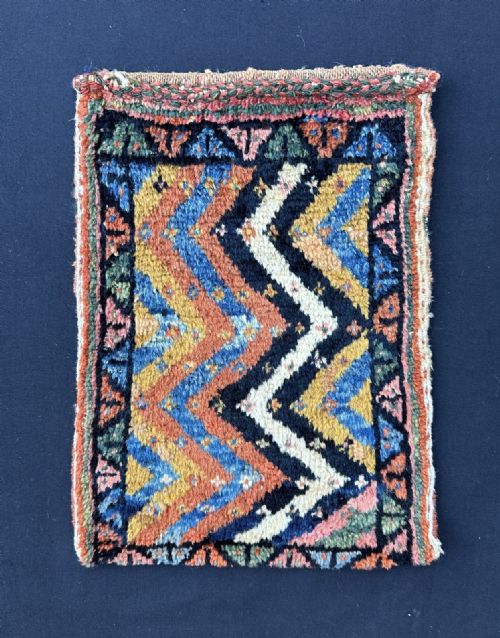
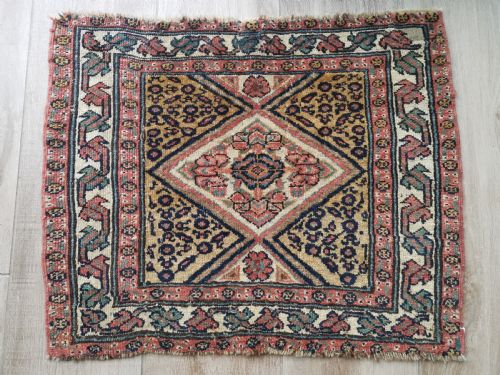

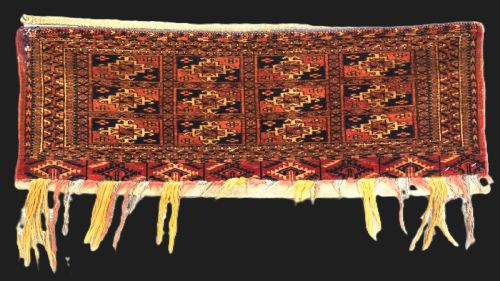
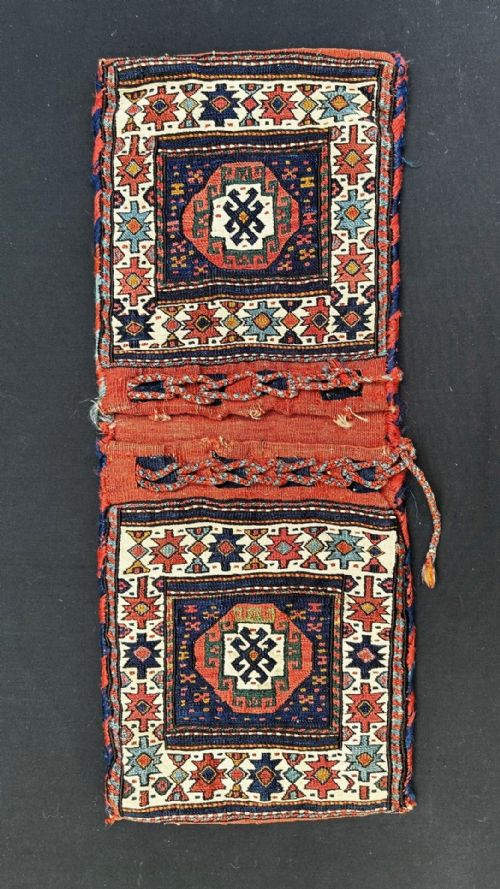


Terracotta Wool Tribal Textile
When you search for a terracotta wool tribal textile, you are looking at hand-woven nomadic weavings created with rich earthy hues and traditional patterns.
Terracotta Wool Tribal Textile
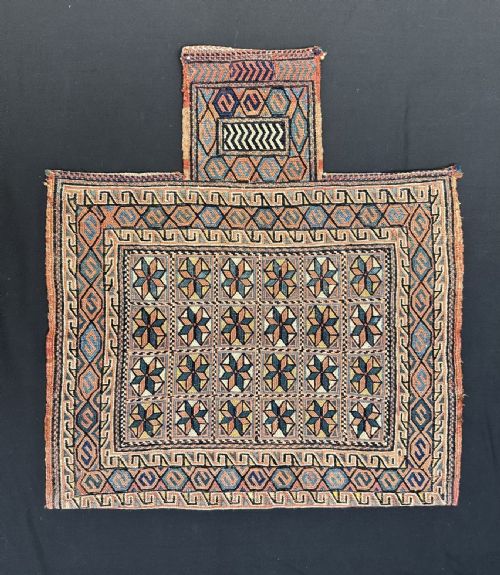
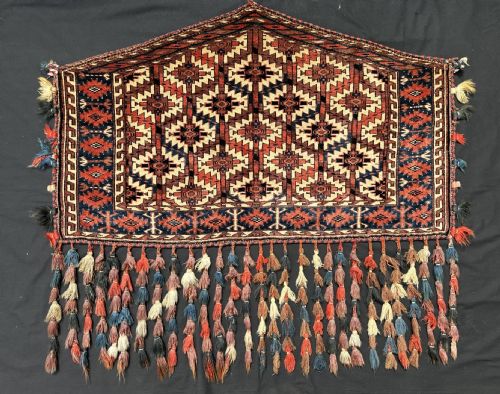
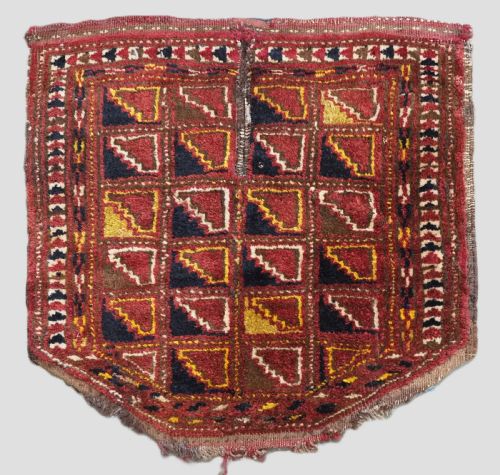
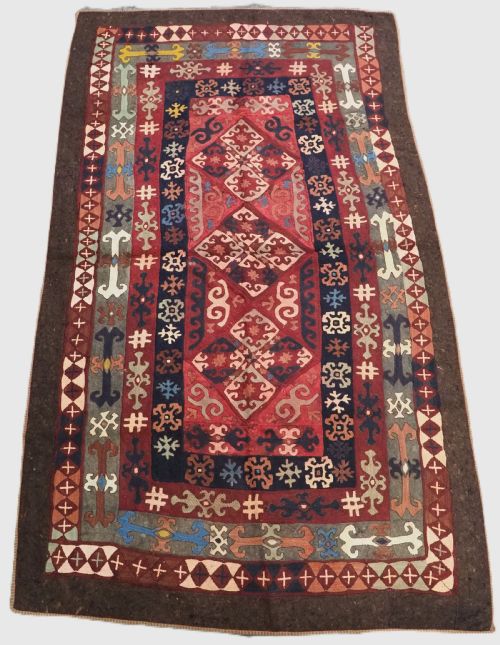
The selections available on this page reflect nineteenth and early twentieth-century production, spanning from the 1850s to the 1930s. Buyers frequently encounter regional formats such as Turkmen asmalyks, Shahsevan soumac panels, and Uzbek kilims.
Nomadic groups utilised these textiles within portable dwellings or for animal transport, embedding distinct tribal motifs into every formation. The resulting objects function as durable wall hangings, rugs, and textile art today.
How They Were Made
Weavers relied primarily on hand-spun wool and natural dyes to build durable surfaces capable of withstanding harsh nomadic conditions. Artisans integrated auxiliary materials like cotton foundations, wooden supports, and decorative glass beads depending on the specific tribal workshop.
Construction methods varied from pile knotting to flatweave techniques, soumac work, and embroidered felt applications. Individual panels were often woven in separate strips and subsequently joined to form complete storage bags or tent trappings.
Terracotta Wool Tribal Textile Retail Price Guide 2026
Typical asking prices for terracotta wool tribal textile among the pieces listed under this phrase on Sellingantiques today, from the lower quarter to the upper quarter. They describe what is for sale here now, not the wider market.
Some storage bags survived decades strapped to camels before finding a quiet retirement on a modern wall.
What Varies In Quality
Quality rests in the fineness of the knotting or weave density, which dictates the crispness of geometric guls and graphic motifs. Pieces featuring tight, consistent structures and complete original backs or tassels command greater attention.
The purity and depth of natural dye palettes distinguish exceptional examples from simpler village work. Preserved proportions, intact structural components, and clear tribal attribution elevate individual weavings within the historical record.
The Terracotta Wool Tribal Textile Glossary
- Torba
- A small storage bag produced by Turkmen tribes, typically hung inside a yurt to hold personal possessions.
- Gul
- A primary octagonal medallion motif repeated across Turkmen and Central Asian tribal weavings.
- Soumac
- A flatweave technique utilising wrapping threads over warp strings to produce a durable, textured surface.
- Mafrash
- A large rectangular storage bag used for bedding and household goods during nomadic migrations.
- Asmalyk
- A decorative pentagonal trapping hung on the flanks of a camel during Turkmen wedding processions.
- Chanteh
- A small personal carrying bag or container woven by nomadic women for daily use.
Terracotta Wool Tribal Textile: Frequently Asked Questions
What is a tribal textile?
A tribal textile is a utilitarian weaving produced by nomadic or village groups for practical camp and animal use.
These pieces utilise wool and natural dyes to form durable containers, wall hangings, and rugs.
How were saddlebags used?
Nomads used saddlebags to transport personal belongings and household goods across regional trade routes and seasonal migrations.
They were slung over horses, camels, or donkeys before being repurposed inside tents for storage.
How do I date an antique rug?
Dating relies on assessing the wool quality, natural dye characteristics, structural wear, and traditional tribal designs.
Earlier nineteenth-century pieces often display finer knotting and distinct regional colour palettes compared to later examples.
Can I hang these on walls?
Many collectors display bag faces, panels, and tent bands directly on walls as textile art.
Proper mounting distributes the weight evenly across the backing without damaging the historic wool fibres.