



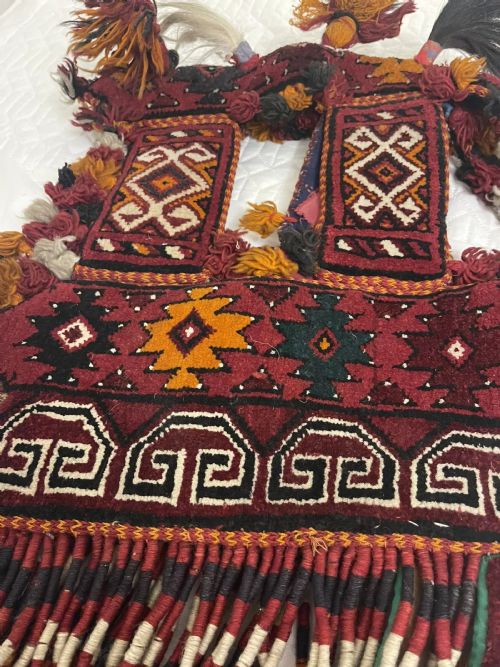


Antique Afghan Rug Hanging
These antique afghan rug hanging pieces are woven textiles and trappings from nomadic traditions, offering rich geometric colour for interiors.
Antique Afghan Rug Hanging
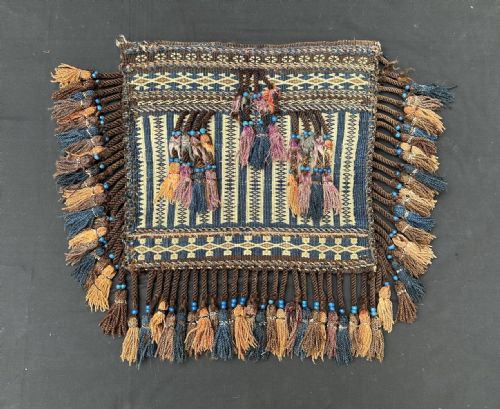
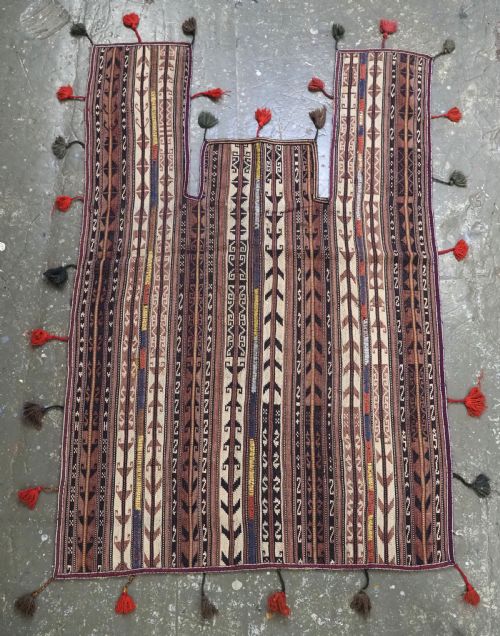
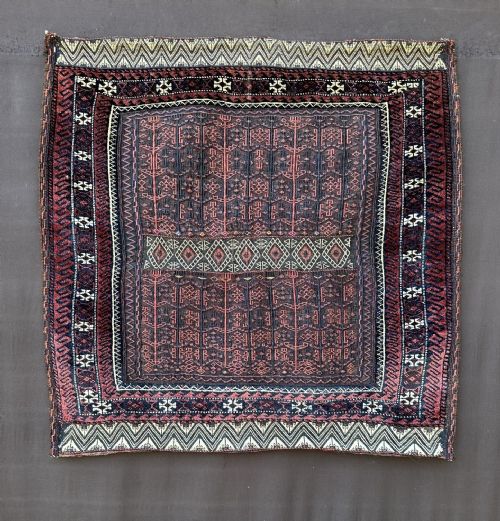
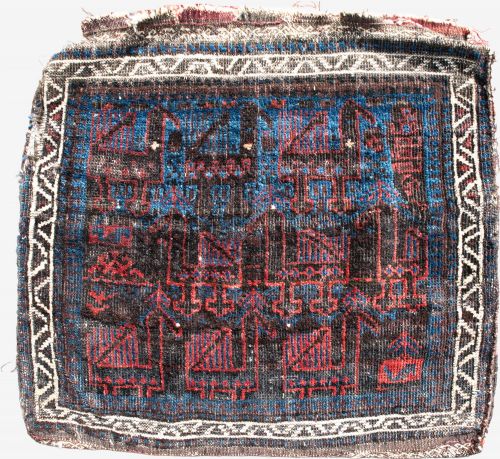
An antique afghan rug hanging encompasses a diverse range of tribal textiles, utility bags, and ceremonial trappings originating from nomadic and village communities in Afghanistan. These pieces include storage bags, horse blankets, door portieres, and sofreh eating cloths produced across the late nineteenth and early twentieth centuries.
You are most likely to encounter wool flatweaves and pile-woven items associated with Baluch, Timuri, and Ersari tribal groups. These items served practical daily functions within nomadic tents before being repurposed as decorative wall hangings in modern homes.
How they were made
Weavers utilised hand-spun wool and cotton foundation threads, often incorporating goat hair for durability along the edges and structure of utilitarian bags. Natural dyes provided the deep reds, browns, and dark tones characteristic of these regional textiles.
Construction techniques combine flatweaving, pile knotting, and occasional embroidery or glass bead embellishment. Artisans constructed heavy door hangings and ceremonial covers to withstand harsh nomadic conditions while displaying intricate tribal motifs.
Antique Afghan Rug Hanging Retail Price Guide 2026
Typical asking prices for afghan rug hanging among the pieces listed under this phrase on Sellingantiques today, from the lower quarter to the upper quarter. They describe what is for sale here now, not the wider market.
The documented pieces span from eighteen eighty to nineteen thirty, constructed predominantly in wool and cotton with natural dyes.
What varies in quality
The sophistication of the tribal design and the fineness of the wool spinning dictate the visual impact of each hanging. Tightly packed knots and complex secondary motifs distinguish superior examples from standard utilitarian work.
The preservation of original side cordings, complete flatweave backs, and vibrant natural dye palettes influences the overall character. Pieces retaining complete ceremonial trappings or unusual pictorial elements demonstrate higher artistic ambition.
The Antique Afghan Rug Hanging Glossary
- Sofreh
- A flatwoven cloth used for spreading meals or kneading bread within the nomadic tent. These textiles feature minimalist geometric layouts.
- Kapunuk
- A tent hanging traditionally placed around the wooden frame of a yurt door. They display distinctive triangular flaps and rich pile ornamentation.
- Balisch
- A small storage or grain bag produced by nomadic weavers for household organisation. Their compact format makes them ideal for wall display.
- Chuval
- A large tent storage bag designed for bedding and household goods. They typically present rows of primary guls across the face.
Antique Afghan Rug Hanging: Frequently Asked Questions
How were these textiles originally used?
Nomadic families utilised these woven items for storage, animal trappings, and household divisions within tents.
Bags held grain, salt, or bedding, while horse blankets and headdresses served ceremonial functions during weddings and migrations.
How do I hang a rug on the wall?
Mounting requires a method that distributes the weight evenly across the entire upper edge of the textile.
Conservation-grade velcro stitched to a cotton sleeve or specialised brass rug clamps prevent distortion of the historic wool and cotton foundation.
How can I tell different tribal groups apart?
Weavers from distinct regions utilised specific colour palettes, knotting structures, and iconic geometric motifs.
Baluch pieces often favour deep indigo and dark madder red, whereas Ersari works incorporate prominent octagonal gul patterns.
What is the difference between pile and flatweave?
Flatweaves are constructed by interweaving warp and weft threads without knotted pile, resulting in a smooth, tapestry-like fabric.
Pile rugs incorporate hand-tied knots that create a plush surface texture and greater depth of colour.