


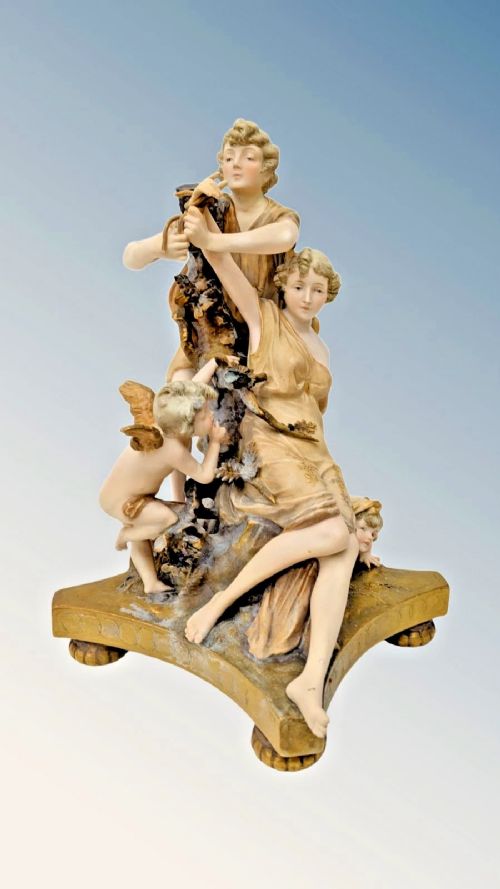


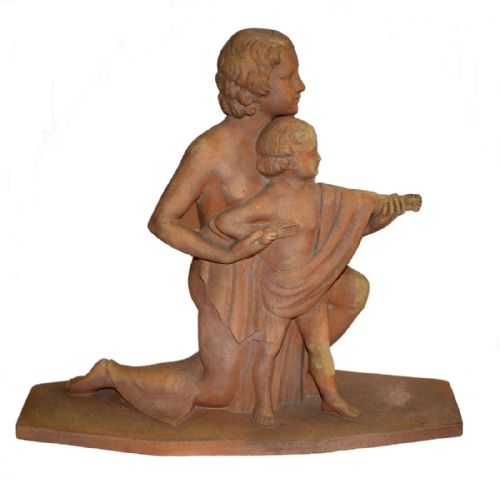
Terracotta Porcelain Figurine
These terracotta porcelain figurine examples combine earthenware and glazed ceramic modelling from the Victorian, Edwardian, and Art Deco eras to anchor any mantelpiece.
Terracotta Porcelain Figurine
A terracotta porcelain figurine search brings together glazed and unglazed sculptural works across multiple historic periods. Buyers encounter figurative models spanning Victorian, Art Nouveau, and Art Deco aesthetics.
The selections on this page most commonly present nineteenth and early twentieth-century ceramic figures. Makers utilise porcelain, earthenware, and terracotta to form decorative ornaments and table sculptures.
Origin points range from European factories like Royal Dux to Asian ceramic traditions. Each piece captures a specific historical style, from Neoclassical subjects to Japanese Meiji and Chinese Shiwan pottery.
Materials and Techniques
The creation of these works relies on shaping terracotta, earthenware, or biscuit porcelain. Artisans mould the clay bodies before applying intricate glazes, enamel, and occasional gilt highlights.
Firing techniques determine the final density and surface finish of each sculpture. Factories combine traditional modelling methods with hand-painted details to define drapery, expression, and texture.
The listings span from the mid-nineteenth century through the 1930s, incorporating Victorian, Art Nouveau, and Art Deco styles.
Assessing Quality
Quality rests upon the crispness of the modelling and the precision of the hand-applied enamel and glaze. Superior examples retain fine facial expressions and distinct details in clothing and hair.
The depth of historical provenance and the preservation of original gilt or paint surfaces elevate individual pieces. Stronger works demonstrate balanced proportions and deliberate stylistic execution without surface blurring.
Royal Dux Bohemia·Thomas Parr·Ernst Wallace·Ernst Whaliss
The Terracotta Porcelain Figurine Glossary
- Terracotta
- A porous earthenware clay fired at relatively low temperatures, leaving a reddish-brown or buff body. It serves as a primary structural material for unglazed or partially glazed sculptural figures.
- Biscuit Porcelain
- Unglazed porcelain fired once to a porous state, offering a matte, marble-like texture. Collectors prize this surface for its ability to display subtle anatomical and sculptural detail.
- Glaze
- A vitreous coating fused to the ceramic body through high-temperature firing. It provides colour, waterproofing, and a glossy finish across many decorative figures.
- Gilt
- A thin layer of gold applied to specific areas of the ceramic surface for ornamentation. It accentuates borders, garments, and architectural elements on nineteenth-century pieces.
- Enamel
- Opaque vitreous compositions applied over the fired ceramic body to add colourful details. Artisans fire these pigments a second time to fuse them permanently to the glaze.
Terracotta Porcelain Figurine: Frequently Asked Questions
How do I clean an antique ceramic figure?
Dust these pieces gently with a soft dry brush to protect delicate glazes and unglazed biscuit porcelain surfaces. Avoid using water or liquid cleaners, which can damage historic enamels and gilt highlights.
Keep figures away from direct sunlight and damp environments to preserve the integrity of the clay and paint over time.
Where were these figures typically displayed?
Victorian and Edwardian households placed these sculptural ornaments on mantelpieces, sideboards, and dedicated display cabinets. They served as focal points in formal reception rooms.
Later Art Deco examples often functioned as vanity table accessories or decorative powder boxes in private dressing spaces.
How can I tell Victorian pieces from Art Deco ones?
Victorian and Edwardian works often feature ornate Neoclassical or romantic subjects with detailed drapery and rich gilt accents. They lean towards naturalistic rendering and traditional studio styles.
Art Deco figures, dating from the twentieth century, display stylised geometry, clean lines, and subjects like flapper girls reflecting modern design movements.
What is the difference between terracotta and porcelain?
Terracotta is a coarse, porous earthenware fired at lower temperatures, resulting in an opaque, reddish or buff body. It provides a robust matte base for sculptural modelling.
Porcelain is a vitrified ceramic fired at much higher heats until non-porous and translucent, allowing for finer details and glossy or biscuit finishes.