
Terracotta Figure Sculpture
These terracotta figure sculpture pieces bring sculptural form into a room through shaped clay, earthenware and ceramic.
Terracotta Figure Sculpture
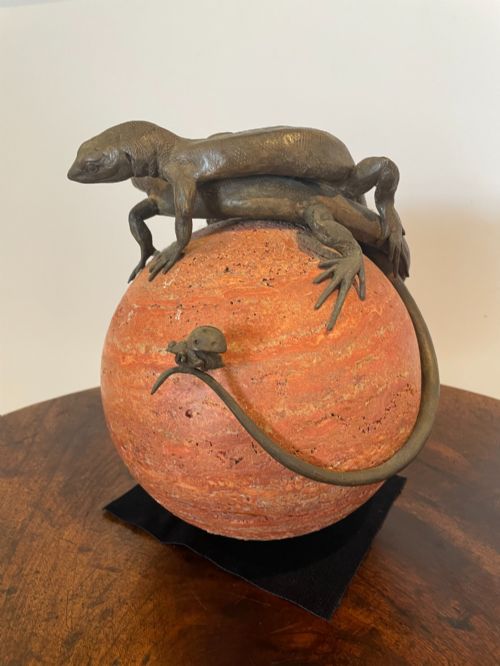
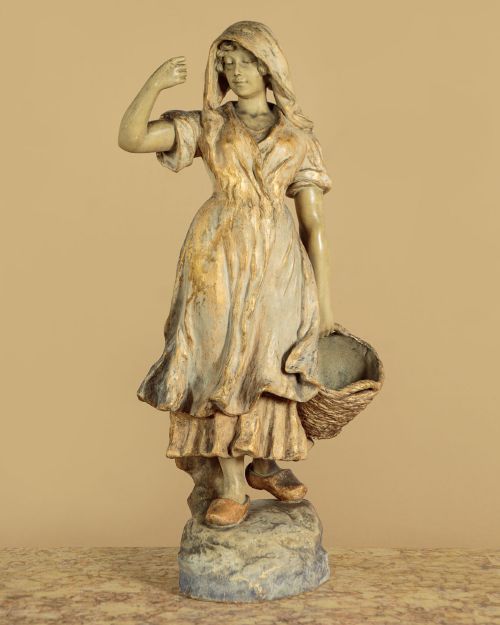
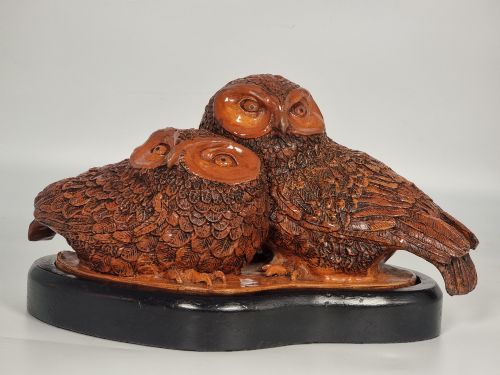
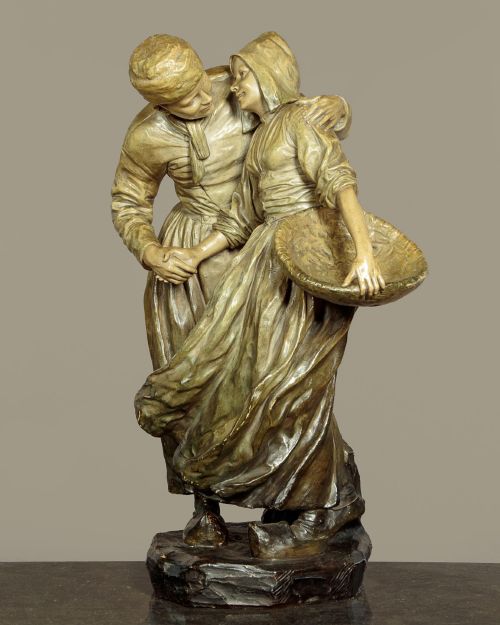
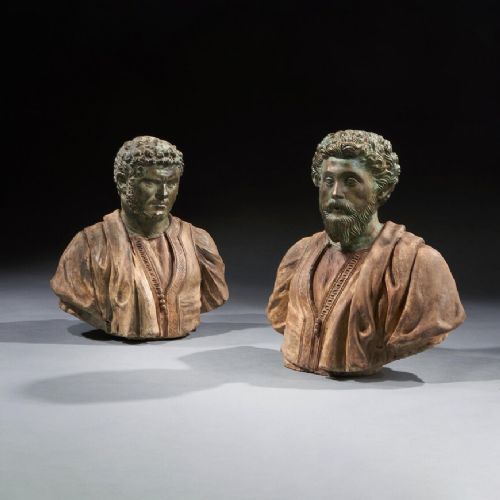
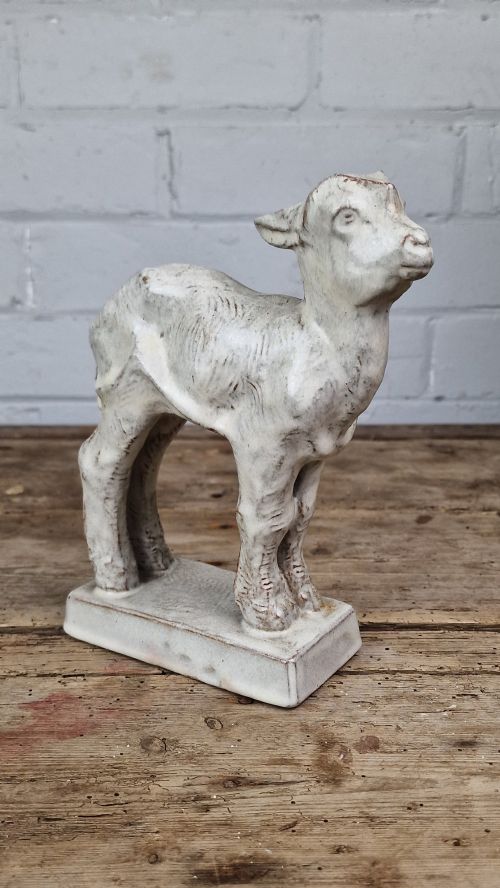
A terracotta figure sculpture takes many forms, spanning classical busts, animal models and human figures from various periods. When exploring this selection, buyers frequently encounter Victorian and late 19th-century European works alongside earlier pieces from ancient traditions.
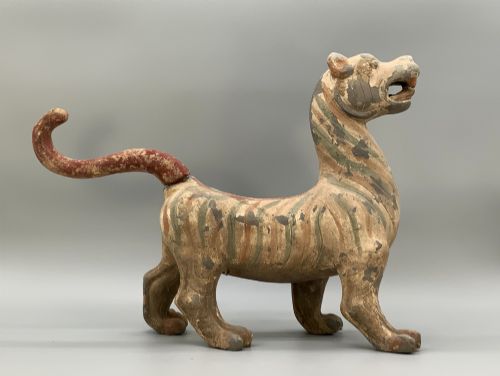
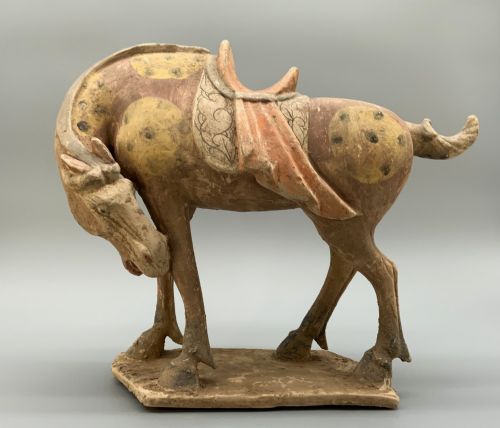
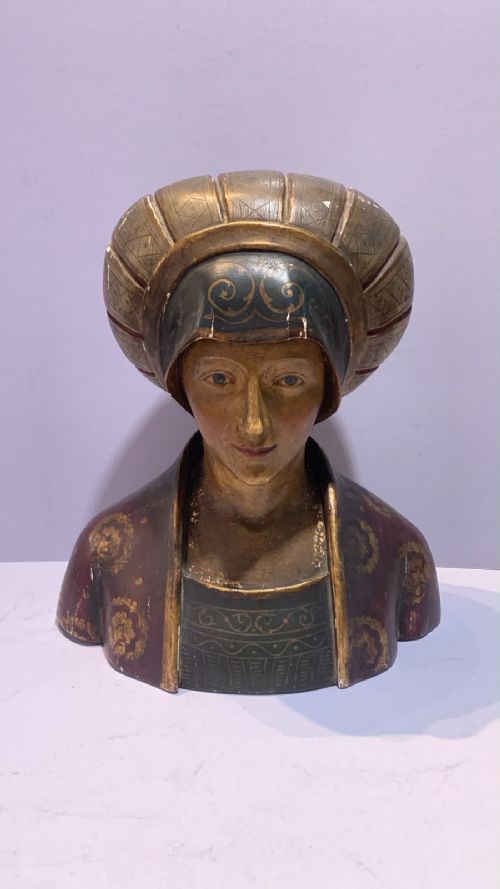
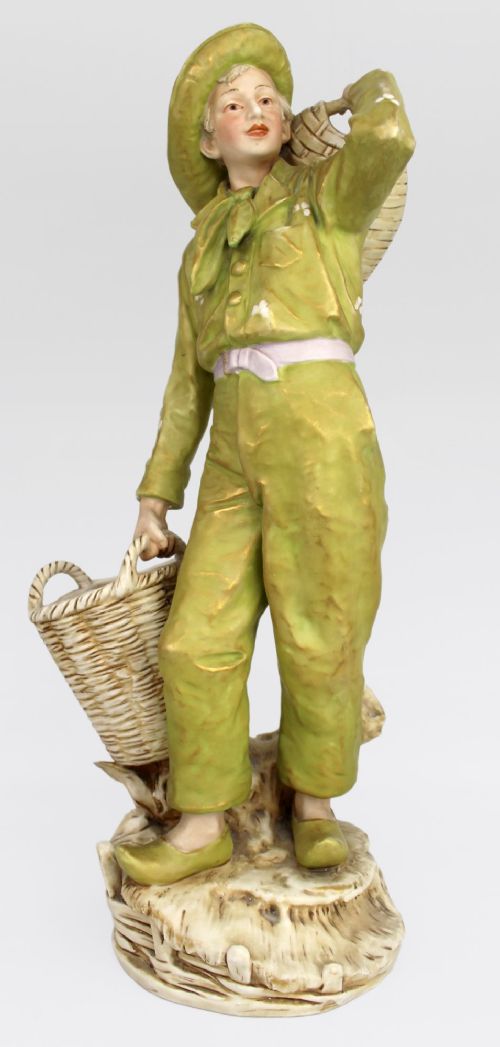
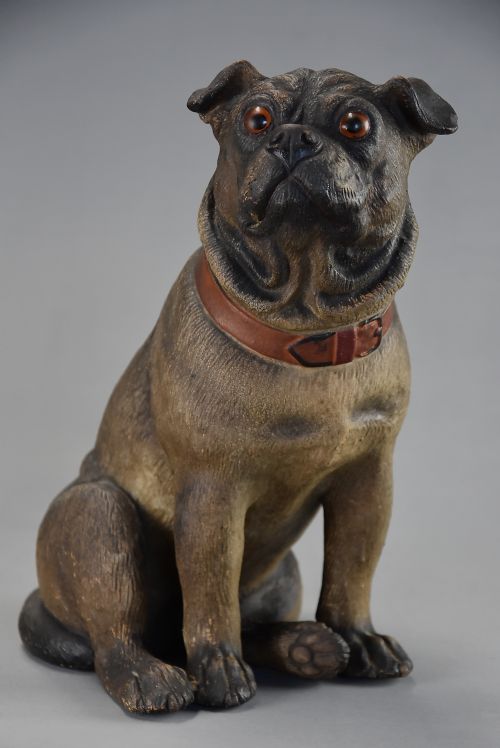
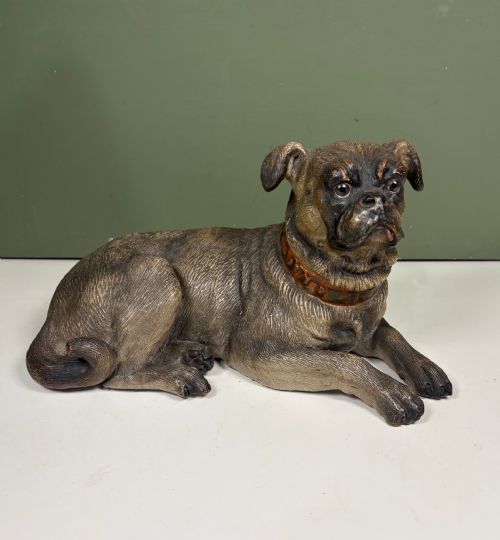
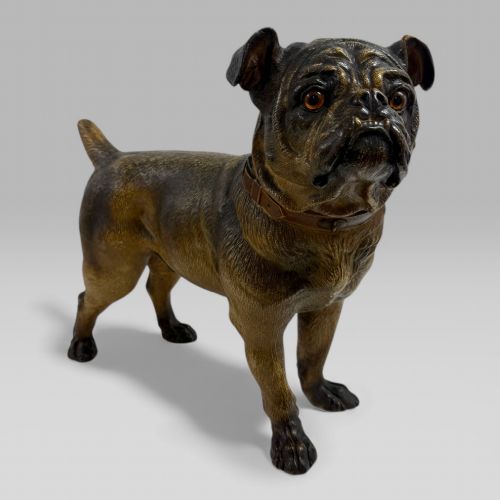
The objects range from Austrian terracotta animal models and portrait busts to grander mythological and classical figures. Makers such as Goldscheider and Royal Dux appear frequently among the European entries, alongside ancient ceramic guardians and horses.
These sculptures function primarily as decorative ornaments, whether displayed as a pair of pugs on a base or a single monumental maiden. The materials stretch from unglazed clay to painted earthenware and glazed pottery.
Materials and construction
The creation of these works relies on clay, terracotta and earthenware, shaped either by hand or through slip casting and moulds. Many pieces receive a surface treatment of paint, glaze or bronze-like finishes to alter their visual texture.
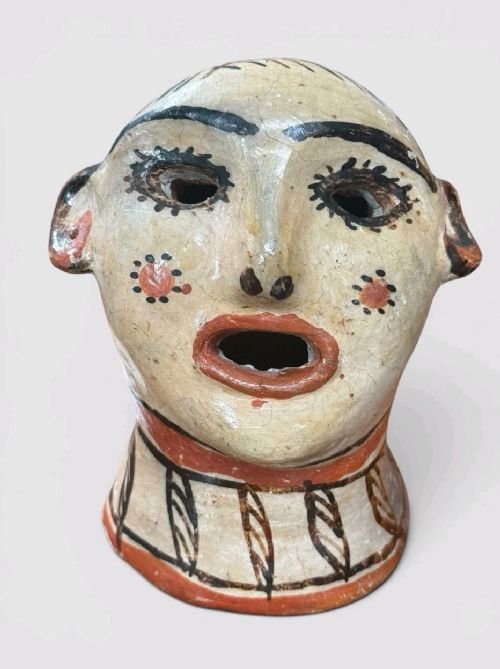
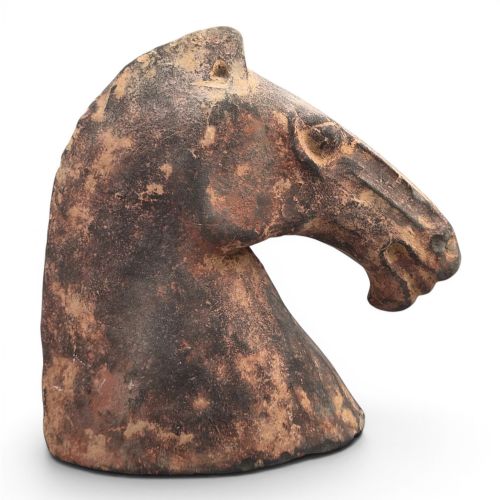
Early and ancient examples often utilise simple grey or red pottery, sometimes enhanced with painted pigments or sancai glaze. Later European workshops employ refined terracotta and ceramic bodies, occasionally mounted on ebonised bases for stability.
Materials represented across the selection include terracotta, earthenware, porcelain, glass and paint over clay.
Assessing quality in terracotta sculpture
The finish also dictates worth, where original paint, rich glazes or patination remain intact without heavy modern restoration. Recognised foundry or maker marks, such as those from Austrian manufactories, elevate the standing of a piece.
Goldscheider·Royal Dux Bohemia·E Villanis·George Kemper·Thomas Parr·Ernst Wallace·Bernard Bloch
The Terracotta Figure Sculpture Glossary
- Terracotta
- A porous earthenware clay fired at relatively low temperatures, typically reddish-brown in colour. It serves as the primary medium for much of the figurative sculpture found in this category.
- Sancai
- A type of lead-glazed pottery characteristic of Chinese art, featuring a tri-colour palette usually consisting of amber, green and creamy white. This glaze frequently appears on Tang Dynasty style horses and figures.
- Slip cast
- A manufacturing technique where liquid clay slip is poured into a plaster mould to create hollow figures with consistent wall thickness. This method became common in the 19th and 20th centuries for commercial pottery production.
- Mingqi
- Spirit objects or burial goods placed in tombs during ancient Chinese dynasties to accompany the deceased. These terracotta and pottery figures often depict attendants, animals and guardians.
- Cold painted
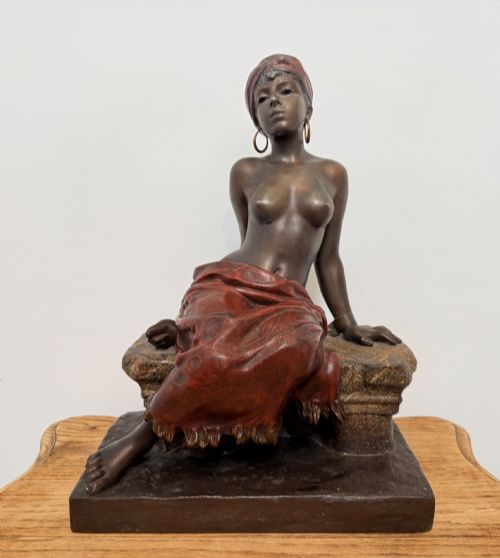
- A method where paint is applied to a bronze or terracotta surface after firing, without being subjected to a high-temperature kiln. This finish is delicate and susceptible to flaking over time.
Terracotta Figure Sculpture: Frequently Asked Questions
How do I care for a terracotta sculpture?
Keep the sculpture in a stable indoor environment away from direct sunlight and damp conditions to protect the porous clay and any applied paint.
Dust the surface gently with a soft, dry brush, avoiding water or chemical cleaners that might penetrate unglazed earthenware.
Where were these figures typically displayed?
In 19th-century European homes, terracotta busts and animal models stood on mantelpieces, pedestals and side tables as decorative art.
Earlier ancient examples served as tomb figures or spiritual guardians placed within burial sites before eventually entering collections.
Are all terracotta figures solid clay?
Many larger sculptures and slip-cast pieces are hollow inside to reduce weight and ensure even drying and firing in the kiln.
Hand-sculpted or smaller items may contain solid sections, but hollow construction remains standard for larger busts and animal figures.
How can I distinguish period styles?
European pieces often reflect Neoclassical, Art Nouveau or Victorian tastes through subject matter like classical maidens, pugs and historical busts.
Ancient works show distinct regional characteristics, such as the grey pottery of Han Dynasty figures or the colourful glazes of Tang ceramics.