

Terracotta Earthenware Vessel
A terracotta earthenware vessel brings ancient utility and tactile warmth into a modern room through porous clay and weathered glaze.
Terracotta Earthenware Vessel
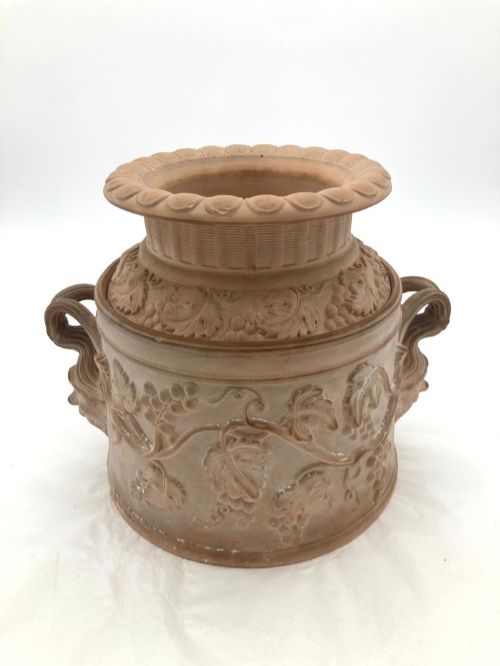
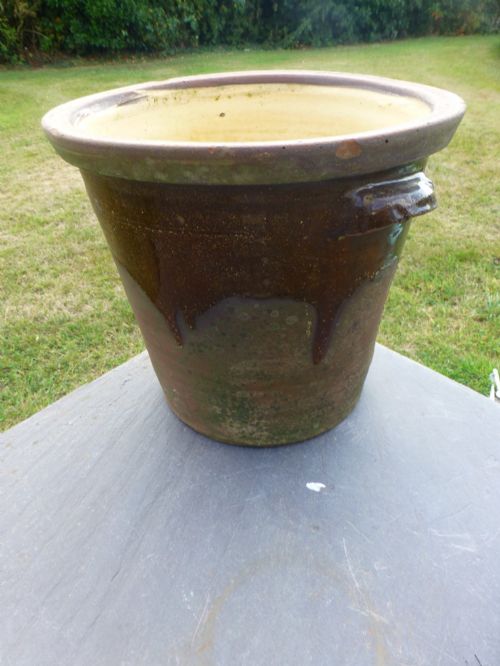
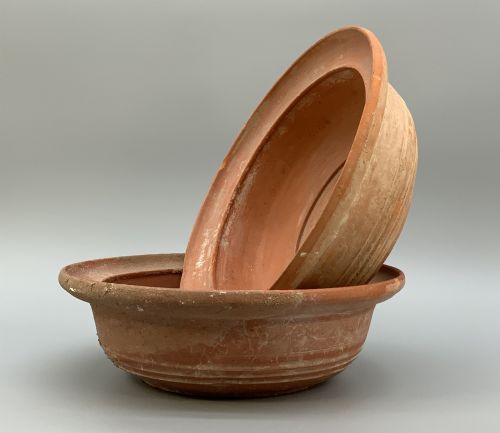
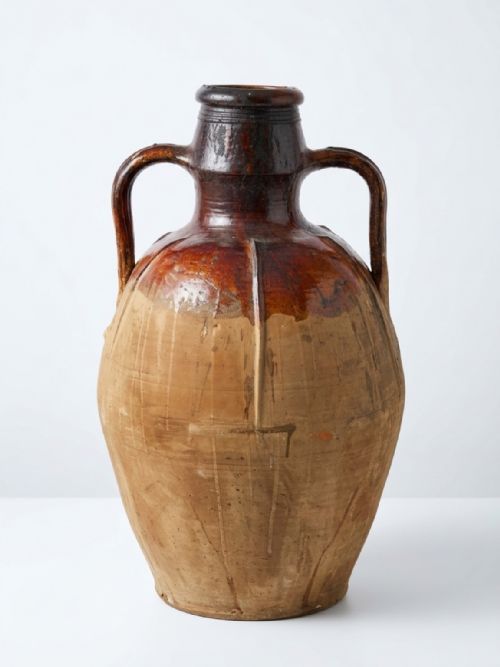
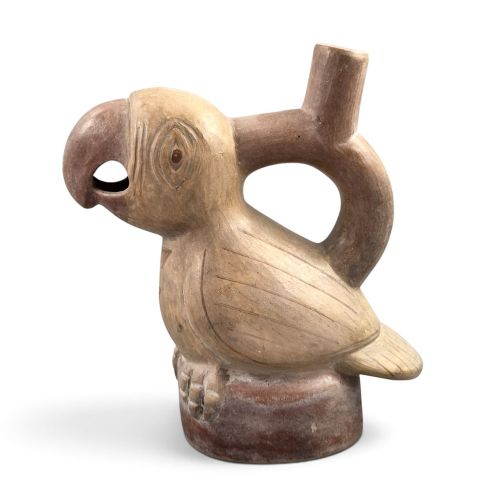
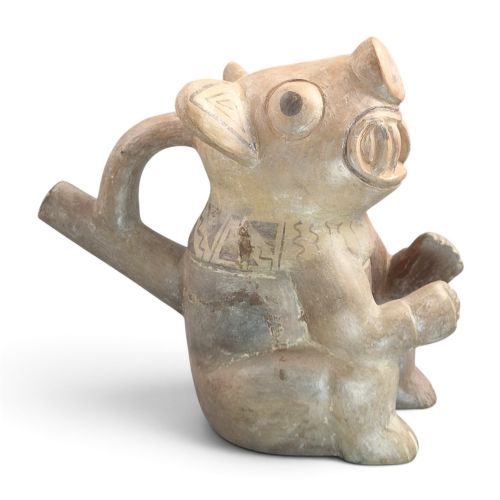
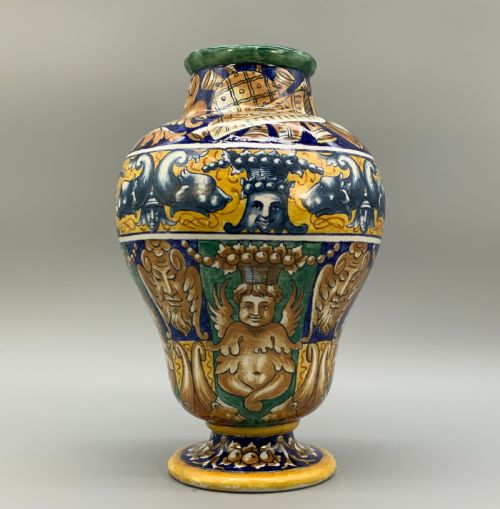
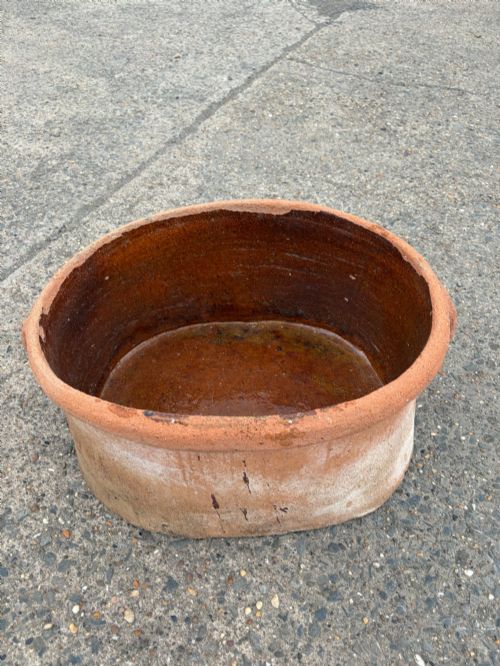
A terracotta earthenware vessel encompasses diverse historical forms, ranging from ancient Pre-Columbian zoomorphic pieces and Chinese Han pottery bowls to seventeenth-century Dutch slipware jugs and nineteenth-century Mediterranean olive jars. Buyers searching this phrase meet domestic storage jars, dairy crocks, confit pots, and decorative amphorae spanning multiple centuries and continents.
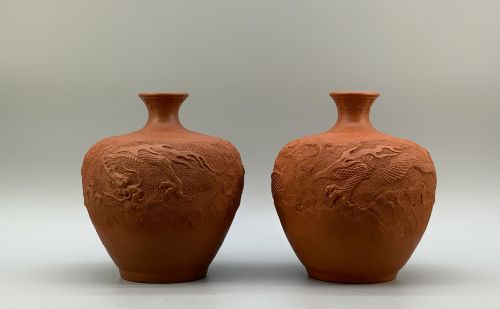
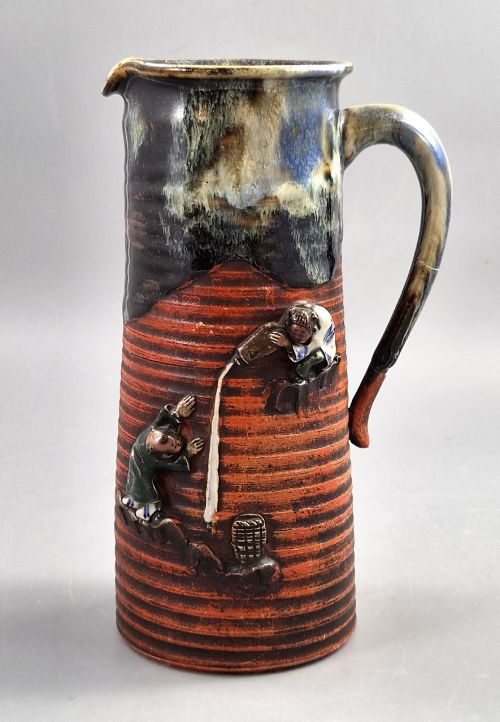
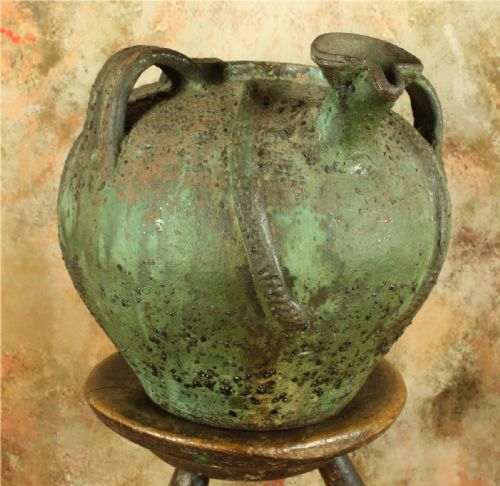
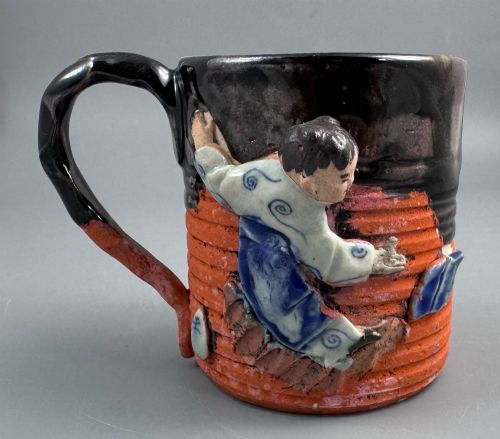
The selection leans heavily toward utilitarian nineteenth-century European vessels alongside ancient Asian and Mediterranean artefacts, reflecting both daily agricultural work and early decorative arts. French provincial confit pots, Italian wine jars, and English slipware jugs appear alongside Japanese red clay vases and ancient Persian bowls.
These objects served practical roles in domestic and agricultural life, containing oil, wine, water, or dairy produce before transitioning into decorative garden and interior pieces. Their enduring appeal rests in the combination of robust earthen bodies and the subtle variation left by hand-forming techniques.
Evaluating Quality
Quality rests in the harmony between the vessel's utilitarian function and the skill of the hand that formed it, visible in the balance of the proportions and the directness of the throwing lines. Early pieces show the rhythmic marks of the potter's fingers, where utility dictated the unpretentious thickness of the walls.
The character of the surface finish distinguishes standard utilitarian ware from finer studio or factory output, seen in the depth of a lead glaze or the crispness of incised decoration. Weathering and historical wear contribute to the presence of the object, provided the structural integrity of the porous body remains sound.
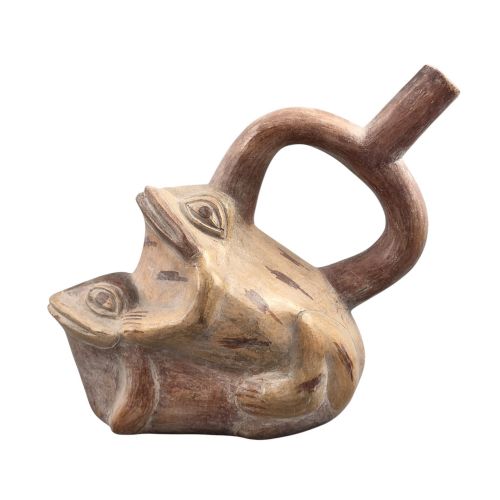
Mating frogs decorate one ancient Pre-Columbian vessel, proving that ancient potters enjoyed a sense of humour.
Davenport·Burmantoft s Pottery·Cantagalli
The Terracotta Earthenware Vessel Glossary
- Terracotta
- A porous, unglazed or glazed fired red earthenware clay used for utilitarian and decorative vessels.
- Slip
- A liquid mixture of clay and water applied to the surface of a vessel before firing to add colour or smooth the texture.
- Confit Pot
- A French earthenware jar featuring a glazed interior, traditionally used for preserving meat and food in fat.
- Majolica
- Tin-glazed earthenware decorated with opaque coloured pigments on a white or buff background.
- Amphora
- A tall ancient storage vessel with two handles and a narrow neck, designed for transporting liquids such as wine or oil.
Terracotta Earthenware Vessel: Frequently Asked Questions
What were terracotta earthenware vessels used for?
These vessels fulfilled practical storage and transport needs in domestic and agricultural settings, holding liquids like wine, oil, and water, or storing food such as confit and dairy produce.
Over time, many utilitarian storage jars and utility pots transitioned into decorative roles within homes and gardens, prized for their weathered surface textures.
How do I care for an antique earthenware vessel?
Antique earthenware and terracotta remain porous, meaning unglazed bodies can absorb moisture and minerals if exposed to damp ground or standing water.
Keep them indoors in stable environments, dust them gently with a dry cloth, and avoid using harsh cleaning agents or submerging them in water.
How can I tell the age of a clay vessel?
Age is indicated by the consistency of the clay body, the presence of historical wear, tool marks from hand-forming, and the composition of the glaze or slip.
Comparing the form, firing characteristics, and regional style against established historical examples helps place the piece within a specific century or period.
Are these pots suitable for garden use?
While many nineteenth-century Mediterranean olive jars and dairy crocks were made for outdoor or agricultural use, historical and antique pieces are vulnerable to frost damage.
Freezing temperatures can cause porous earthenware to crack as trapped moisture expands, so vulnerable or ancient pieces are best kept indoors.