
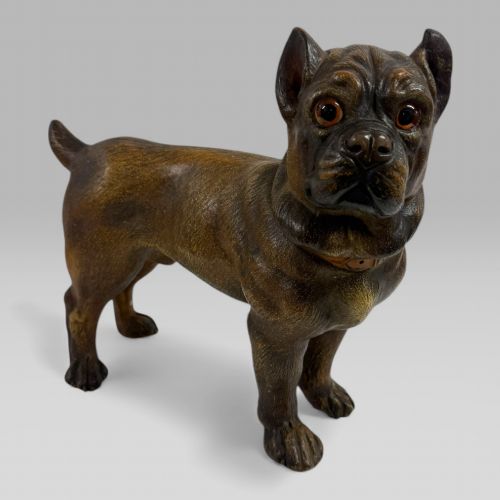


Terracotta Dog Statue
These terracotta dog statue pieces bring unmistakable character to a room, ranging from life-size pugs to traditional temple guardians.
Terracotta Dog Statue
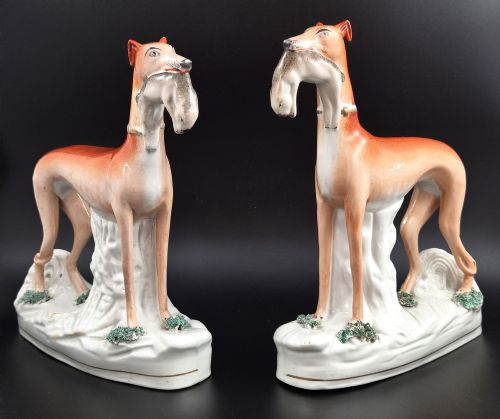
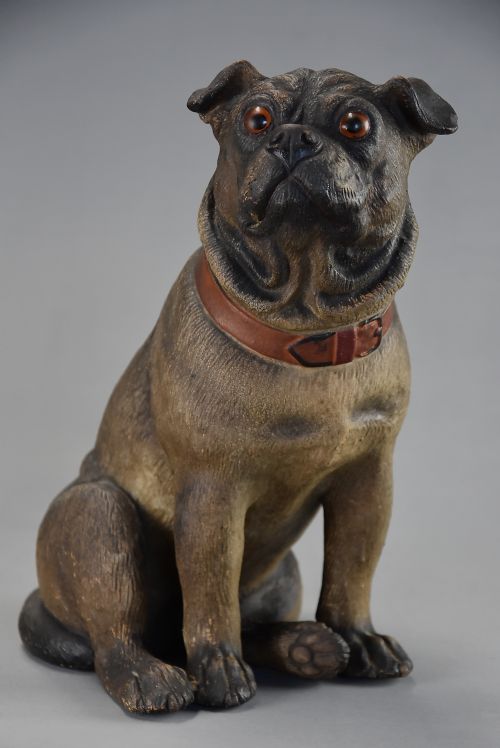
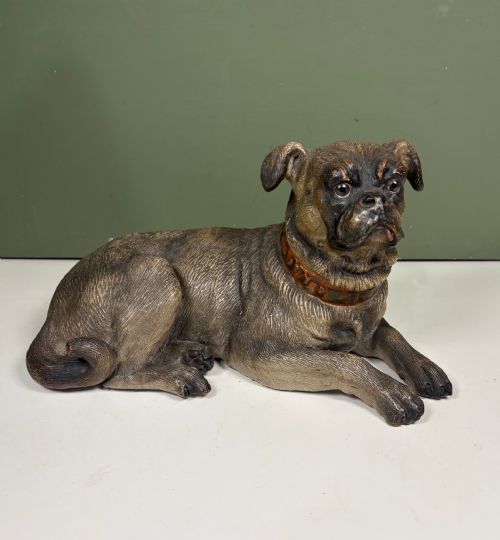
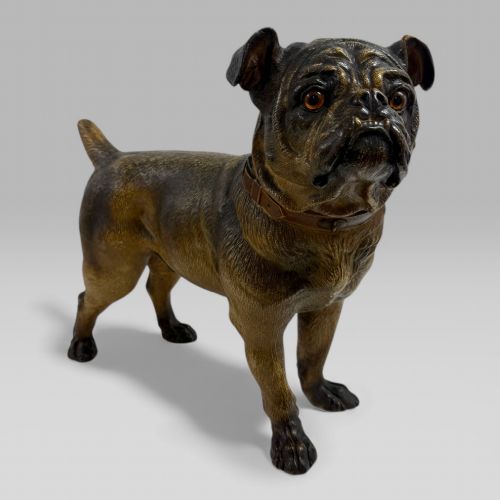
A terracotta dog statue represents a diverse group of sculptural works spanning the nineteenth and early twentieth centuries. Buyers seeking these figures encounter various breeds, from Victorian greyhounds to Austrian pugs and Chinese temple guardians.
The selection on this page leans heavily toward nineteenth-century European animalier pieces and Asian ceramics. These sculptures function primarily as decorative floor or mantel figures, capturing domestic pets and mythical beasts alike.
How they were made
Larger lifesize examples required careful kiln firing to stabilise thick clay bodies before artists applied decorative cold painting techniques. Some pieces incorporate glass elements for realistic eyes, adding depth to the finished sculpture.
Several pug sculptures stand ready to guard the hearth without demanding any midnight walks.
What varies in quality
Sculptural fidelity defines the upper tier of these figures, where anatomical precision and expressive modelling elevate simple pottery into fine art. Master modellers captured the distinct wrinkles of pugs or the taut muscle of greyhounds with convincing realism.
Bernard Bloch Austria·Royal Dux
The Terracotta Dog Statue Glossary
- Animalier
- A nineteenth-century artistic movement dedicated to the realistic portrayal of animals. Sculptors in this tradition focused on capturing the accurate anatomy and natural behaviour of various species.
- Cold painted
- A method where bronze or terracotta objects are painted with non-heat-set pigments after firing. This technique allows for subtle colouration but requires careful handling to prevent flaking over time.
- Terracotta
- Fired unglazed or glazed clay of an earthy brownish-red hue. It serves as an ancient and enduring medium for both architectural ornaments and freestanding sculptural figures.
- Foo dog
- A traditional Chinese guardian lion depicted as a stylized canine protector. These temple statues traditionally guarded Buddhist shrines and imperial buildings.
- Earthenware
- Pottery fired at lower temperatures resulting in a slightly porous ceramic body. It forms the base material for many traditional figurines and decorative sculptures.
Terracotta Dog Statue: Frequently Asked Questions
Where should I place a large terracotta dog?
Lifesize pieces sit well directly on stone or wooden floors as focal points in hallways or studies. Smaller figurines suit tabletops, sideboards, and mantelpieces.
Keep them away from damp areas and direct heat sources to protect the clay and any surface paint.
How do I clean an antique terracotta sculpture?
Dust gently with a dry, soft brush to remove surface debris without disturbing the material. Avoid using water or liquid cleaners, particularly on cold-painted surfaces.
Harsh cleaning agents strip away original finishes and pigments accumulated over the decades.
Are these statues suitable for outdoor gardens?
Most antique terracotta figures are fired for interior display and lack frost resistance. Freezing temperatures cause moisture trapped within the porous clay body to expand and crack the structure.
Keep them indoors to preserve the integrity of the ceramic and any historic paintwork.
How do I distinguish nineteenth century pieces?
Examine the weight, clay density, and the handling of the surface finish under natural light. Nineteenth-century European animalier works and Chinese temple pieces display distinct stylistic conventions of their respective periods.
Signatures, stamps, and manufacturing marks provide additional clues to origin and approximate date.