


Brown Ceramic Dog Figures
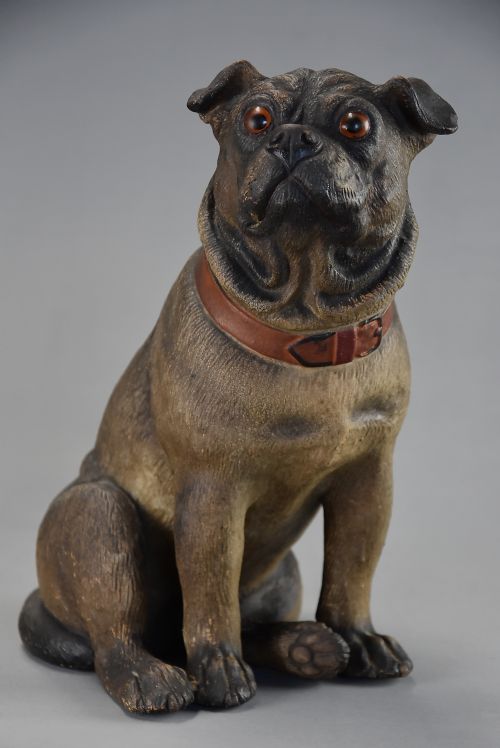
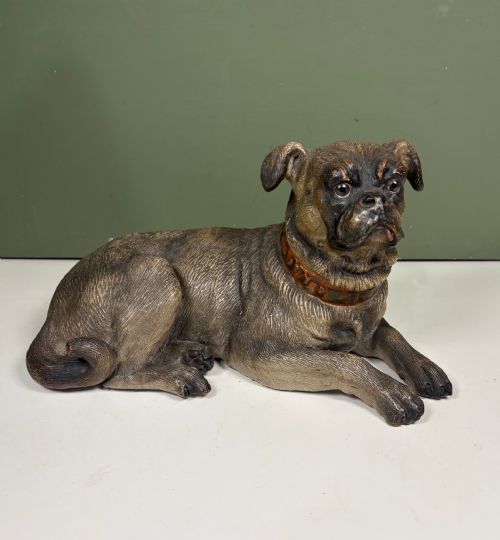
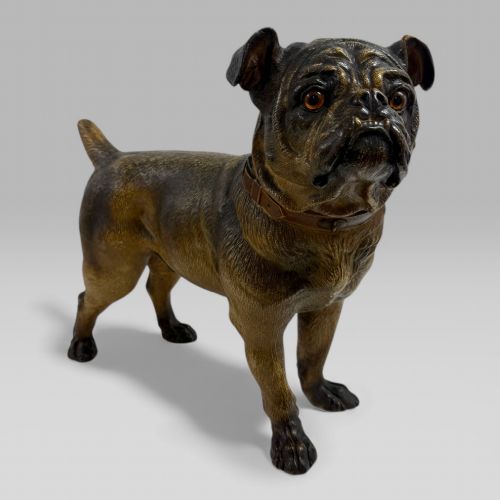
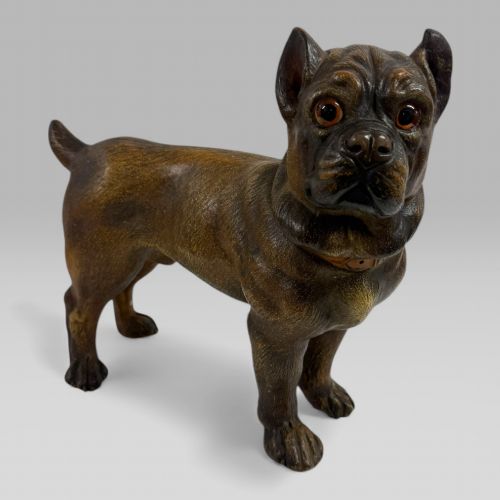
Brown ceramic dog figures bring character and presence to a room, spanning lifelike pugs, spirited spaniels and traditional guardian lions.

Brown Ceramic Dog Figures
When you search for brown ceramic dog figures, you encounter a diverse collection of sculptural pottery and earthenware spanning the nineteenth and early twentieth centuries. The selection ranges from domestic companion animals like pugs, greyhounds and spaniels to mythological guardian beasts such as Chinese Foo Dogs and Japanese ShiShi.
Staffordshire pairs dominate the traditional British pieces, often modelled as spaniels or greyhounds intended to sit on mantelpieces. Alongside these, continental European workshops produced life-size terracotta sculptures, while Asian potteries contributed glazed pottery and terracotta models of Buddhist lions.
How they were made
The majority of these pieces utilise earthenware and terracotta, shaped either by hand or moulded in sections before firing in a kiln. Artisans then applied coloured glazes, enamel or slip to achieve the rich brown tones characteristic of the animals' coats.
Details such as facial expressions and fur texture were frequently hand-painted or incised into the damp clay prior to glazing. Some Staffordshire examples incorporate inset glass eyes to heighten the lifelike appearance of the spaniels and greyhounds.
Dating primarily from the nineteenth and early twentieth centuries, these pieces showcase Victorian, Edwardian, Art Deco and Meiji period aesthetic traditions.
What varies in quality
The depth and consistency of the glaze also distinguish superior examples, where pooling and variation enhance the contours of the clay. Marks left by named continental manufacturers or established Staffordshire potteries further elevate the standing of a piece.
Wedgwood and Company Limited·Bernard Bloch
The Brown Ceramic Dog Figures Glossary
- Terracotta
- A porous, unglazed or glazed baked red clay used extensively for sculptural figures. It provides a warm brown base for modelling.
- Staffordshire
- Pottery manufactured in the Stoke-on-Trent region of England, famous for domestic animal figures intended for cottage mantelpieces.
- ShiShi
- A traditional Japanese term for guardian lion dogs, often rendered in Bizen pottery. These mythological beasts served protective functions.
- Earthenware
- Pottery fired at lower temperatures than stoneware, requiring a glaze to achieve impermeability. Most nineteenth-century figures utilise this body.
Brown Ceramic Dog Figures: Frequently Asked Questions
Where were brown ceramic dog figures displayed?
In nineteenth-century British homes, Staffordshire dog figures traditionally flanked the fireplace on mantelpieces. Pairs were arranged facing inward toward each other.
Larger terracotta sculptures and continental pieces stood directly on the floor or upon heavy furniture to anchor a room's decor.
How do I care for antique ceramic dogs?
Dust these figures gently with a dry, soft brush to prevent the accumulation of dirt in recessed crevices and glaze crazing. Avoid using liquid cleaners, which can seep into porous terracotta or damage fragile enamel.
Keep them away from direct sunlight and damp environments to preserve the integrity of the clay and any applied surface decoration.
How do I distinguish Staffordshire dogs from continental figures?
Staffordshire dogs typically feature simpler earthenware bodies, often painted with copper lustre or underglaze enamel details, designed specifically for British domestic mantels. They frequently appear in seated pairs.
Continental figures, such as those from Austrian or French terracotta foundries, often show greater anatomical realism, larger scale and maker stamps impressed into the clay.