




Terracotta and Blue Carpet
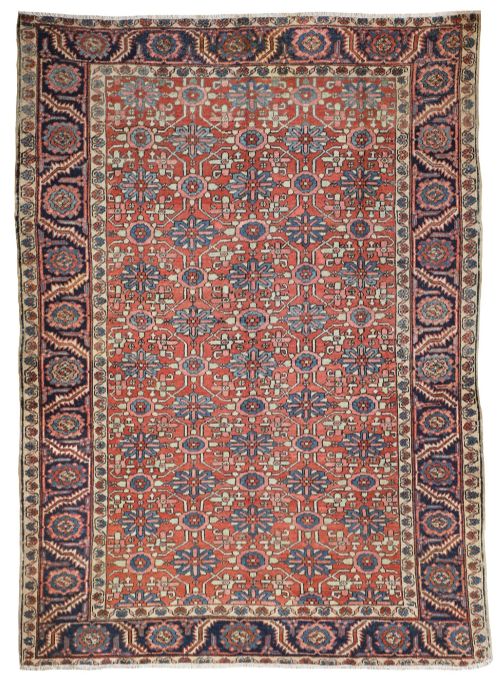
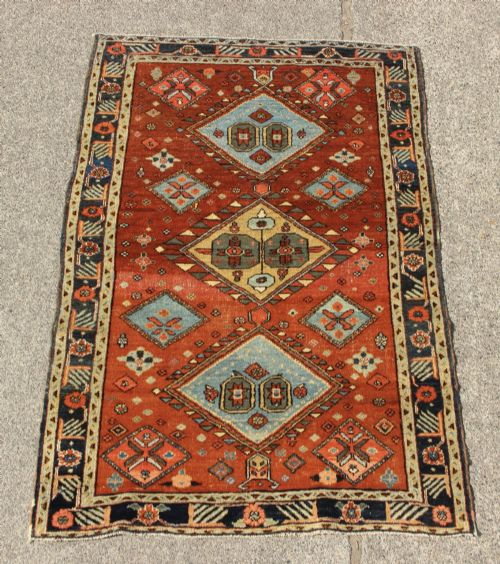
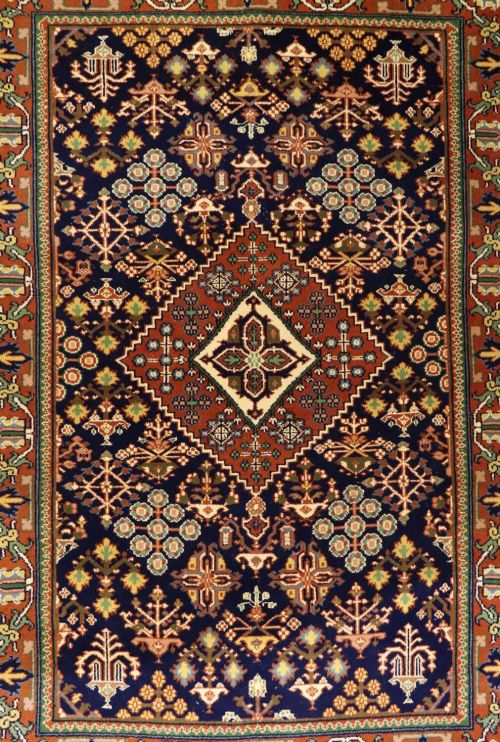
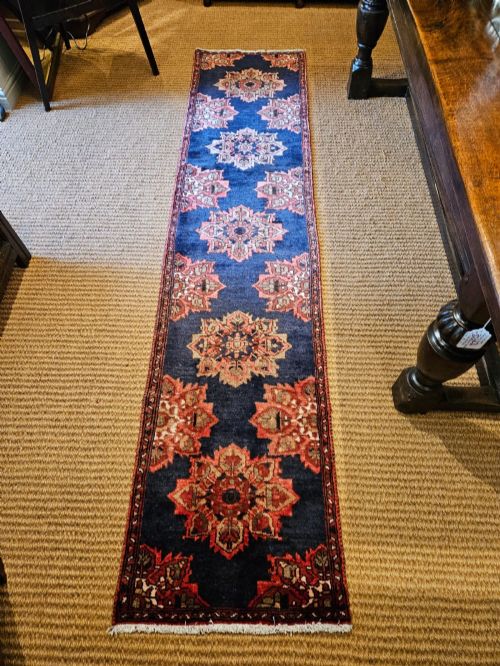
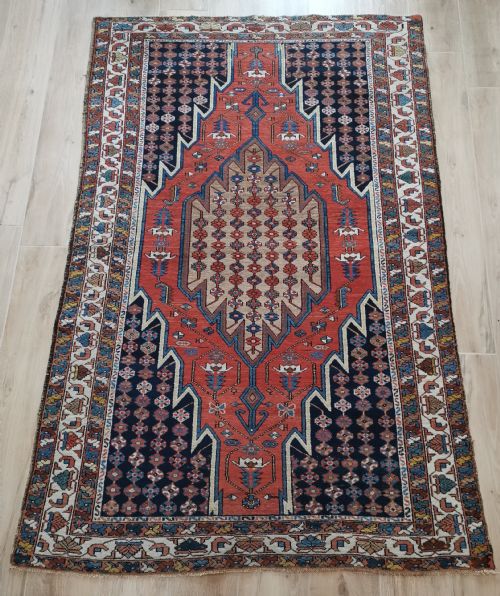
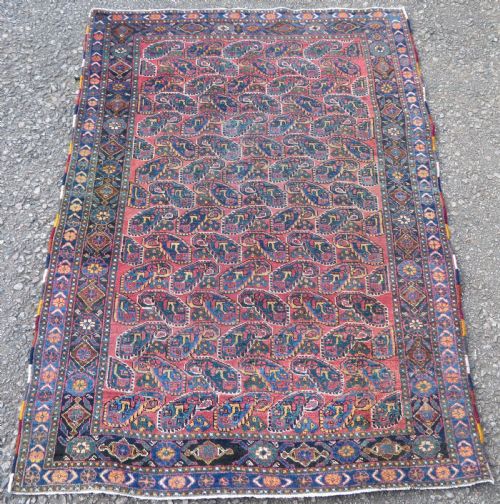
A terracotta and blue carpet brings rich earthy tones and contrasting cool shades to a room through traditional hand-knotted textile artistry.
Terracotta and Blue Carpet
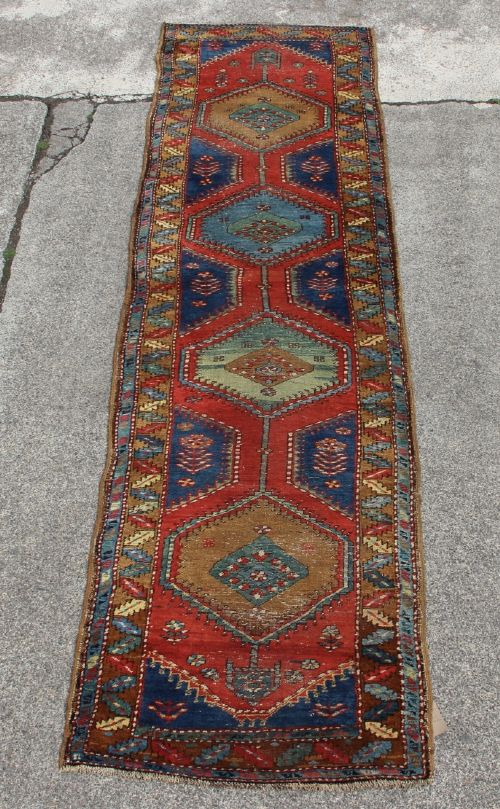
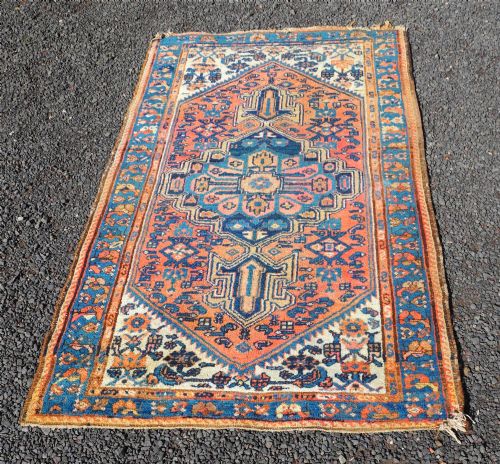
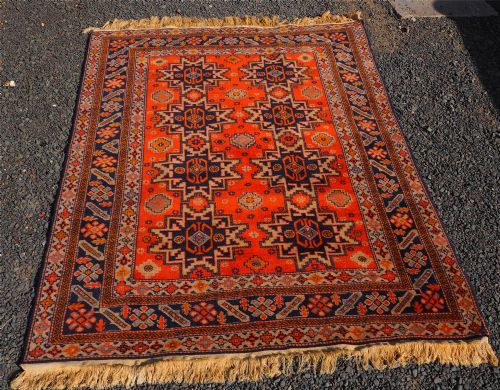
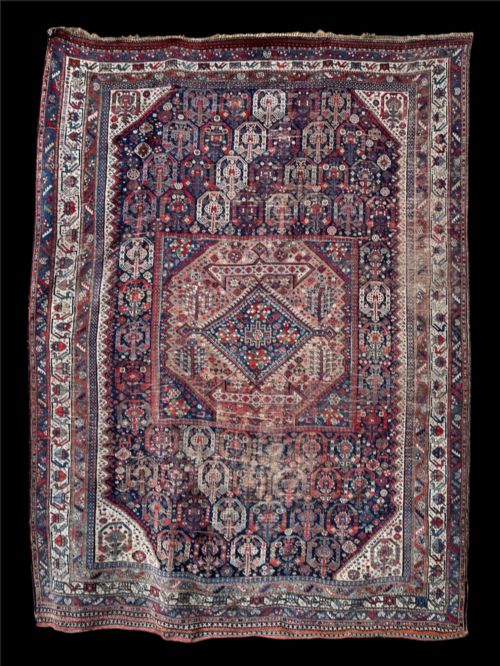
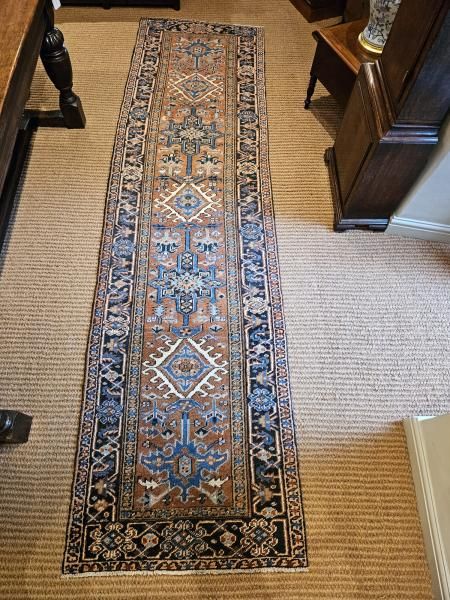
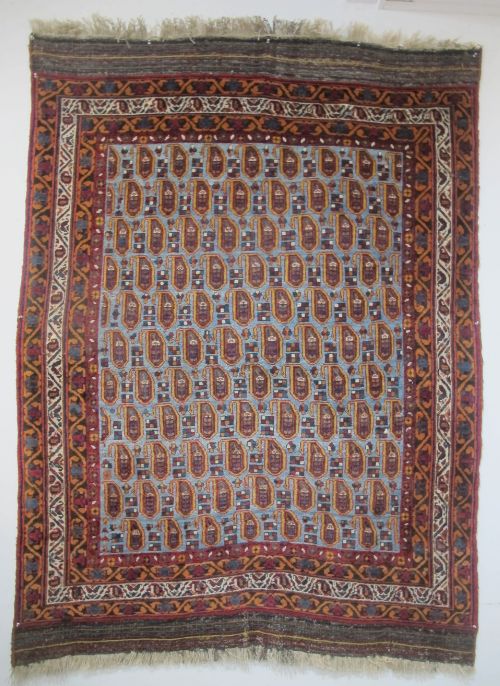
A terracotta and blue carpet encompasses antique and vintage floor coverings originating primarily from Persian, Caucasian, and Ottoman or Turkish weaving traditions. Buyers searching this phrase encounter hand-knotted wool rugs and carpets in regional styles such as Heriz, Afshar, Bakhtiari, and Oushak.
The selection ranges from large room-size carpets down to runners and smaller tribal weaving formats like salt-bags. Production dates span the nineteenth century through the mid-twentieth century, capturing diverse geometric medallions and all-over compositional layouts.
How they were made
Weavers constructed these textiles using wool yarn spun by hand and dyed with natural colourants, often set on cotton foundations. Artisans tied individual knots by hand to build dense pile surfaces capable of withstanding generations of daily use.
Nomadic and village workshops utilised upright looms to execute traditional tribal designs, incorporating local dyeing recipes that produced characteristic terracotta reds alongside sky blue and navy tones.
Some nomadic weavers included tiny intentional imperfections in their geometric patterns to ward off the evil eye.
What varies in quality
The fineness of the knotting and the complexity of the design define the upper tier of these textiles, requiring greater artisan skill and time. Superior examples display harmonious interactions between natural dye variations and crisp execution of geometric or floral motifs.
Structural integrity of the foundation and wool pile determines the longevity of each piece. Carpets retaining balanced proportions and well-preserved borders command stronger interest among collectors.
The Terracotta and Blue Carpet Glossary
- Pile
- The upright yarn loop surface of a carpet that forms the soft layer walked upon. It is created by knotting wool or cotton strands onto the warp threads.
- Warp
- The vertical foundation threads stretched tightly on a loom before weaving begins. Weft threads are subsequently passed across these structural elements to secure the knots.
- Natural Dyes
- Colouring agents derived from plants, insects, and minerals rather than synthetic chemical sources. They yield organic hues that age with subtle tonal variations.
- Runner
- A long, narrow carpet format traditionally suited for hallways, corridors, or alongside beds. These pieces emphasise linear pattern sequences over central medallions.
Terracotta and Blue Carpet: Frequently Asked Questions
Where were these carpets made?
Most pieces originate from weaving centres and tribal regions across Persia, the Caucasus, and Turkey. Specific towns and confederacies such as Heriz, Tabriz, Ushak, and Afshar developed distinct local patterns.
Production methods varied from village workshops using upright looms to nomadic groups weaving on portable ground looms. Each geographic area imparted characteristic wool qualities and palette combinations onto the finished textiles.
How do I clean an antique rug?
Gentle regular vacuuming without a rotating brush helps remove embedded dust and grit from the wool pile. Professional conservation cleaning is recommended for deeper maintenance to protect natural dyes and fragile foundations.
Avoiding excessive moisture and direct sunlight preserves the structural integrity of older wool and cotton materials. Rotating the carpet periodically ensures even wear patterns across high-traffic areas.
What is a tribal carpet?
Tribal carpets are hand-knotted textiles produced by nomadic or semi-nomadic groups rather than urban manufactories. These pieces frequently exhibit memory-based geometric designs, stylised animals, and bold medallion layouts.
Weavers utilised local materials and traditional dyeing methods passed down through generations. This heritage results in authentic, expressive floor coverings with high individuality.
How do I date an old carpet?
Dating relies on examining stylistic markers, structural materials, and the characteristics of natural dyes used in the weave. Nineteenth-century examples often display subtle colour shifts known as abrash and denser hand-spun wool structures.
Comparing knot types, edge finishes, and regional design evolution helps narrow the period of production. Secondary elements like cotton or wool foundation thread colour further assist in establishing age.