

Tapered Leg Kitchen Table
A tapered leg kitchen table offers practical domestic utility combined with straightforward provincial charm, bringing enduring functional surface space into daily life.
Tapered Leg Kitchen Table
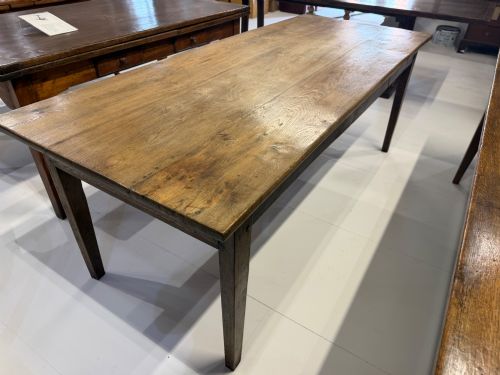
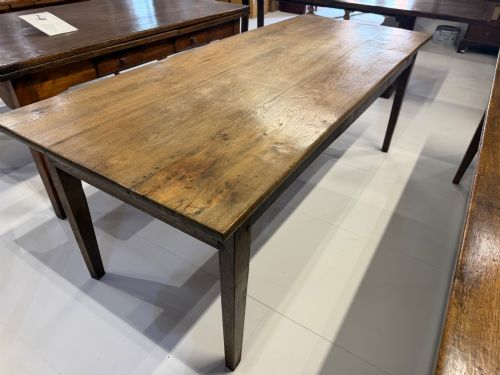
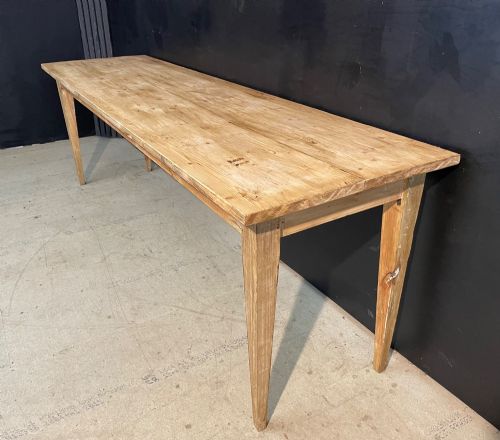
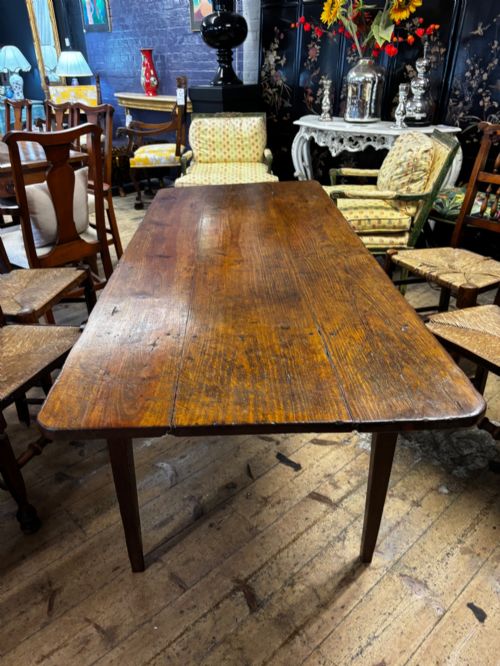
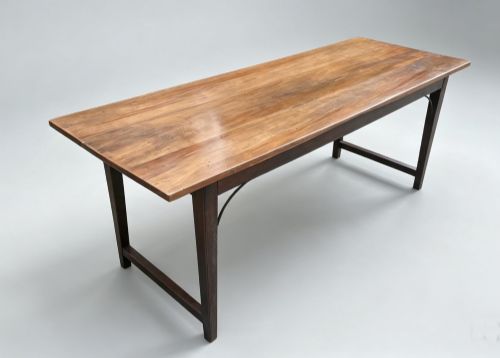
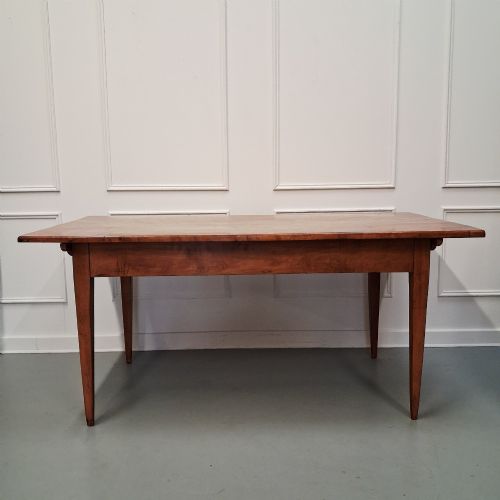
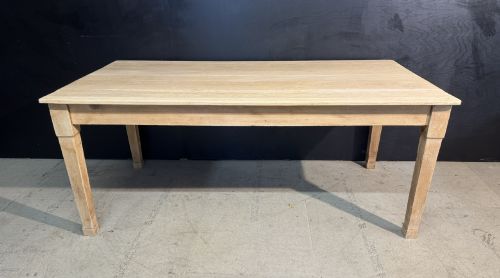
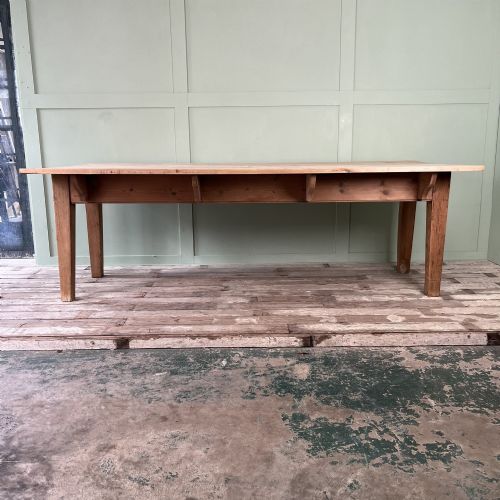
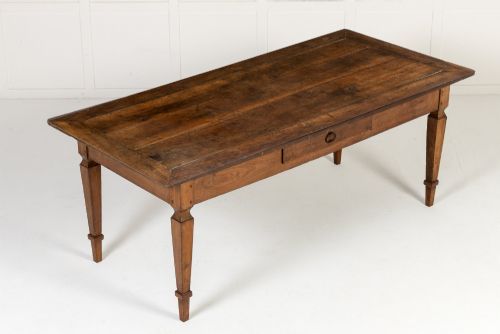
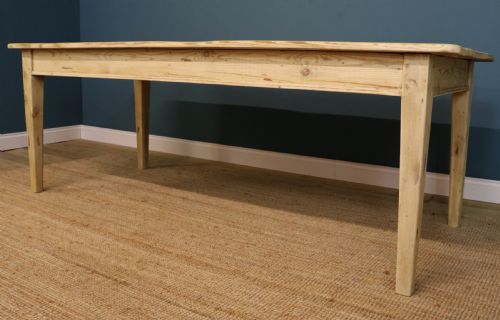
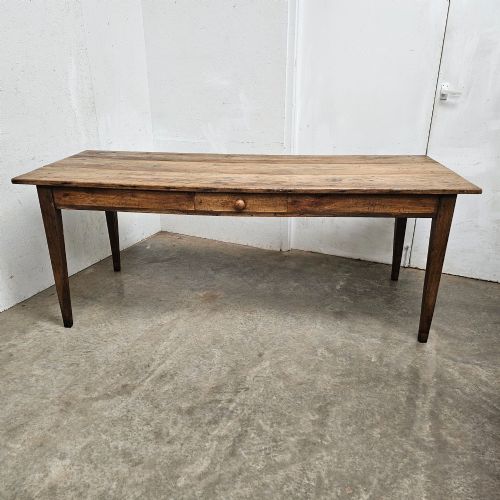
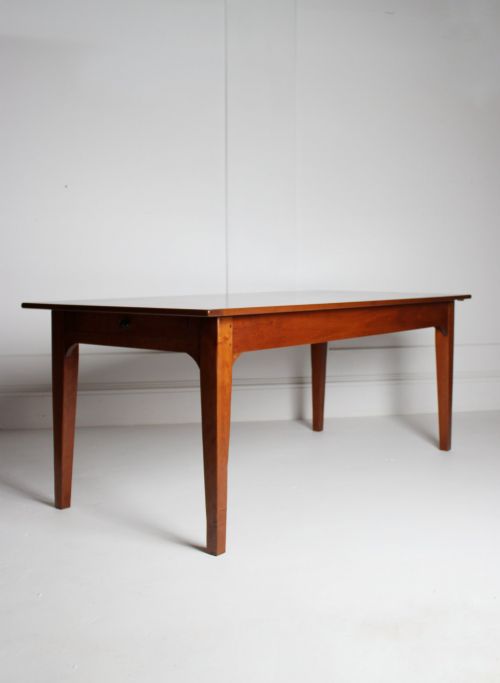
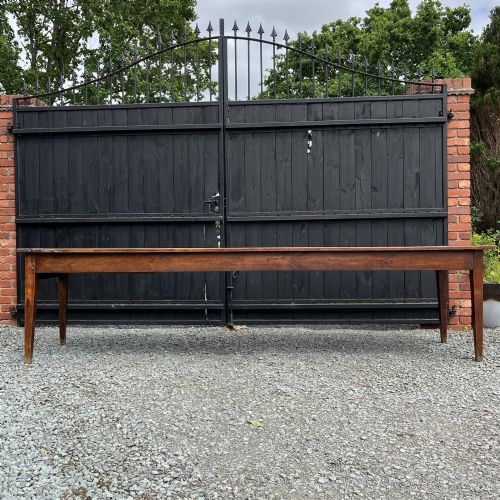
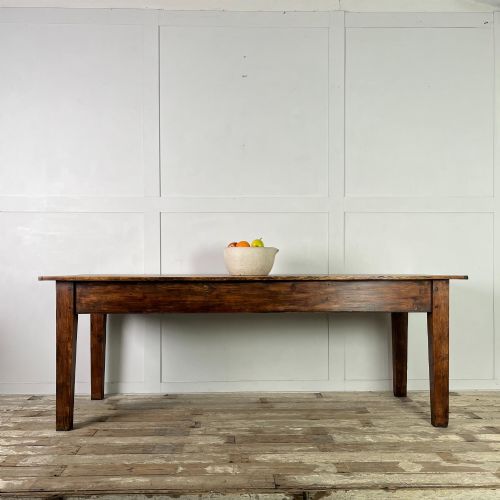
A tapered leg kitchen table is typically a sturdy domestic surface designed for daily family use, drawing on historical forms from the eighteenth, nineteenth, and early twentieth centuries. These pieces appear frequently in pine, oak, and fruitwood, spanning regional styles such as French provincial, rustic farmhouse, and Victorian country.
How they were made
Makers relied on domestic timbers like pine, oak, fruitwood, and cherrywood, frequently pairing scrubbed softwoods with robust hardwood frames. Construction methods prioritised utility and endurance, utilising thick plank tops joined securely to straight or tapered supports.
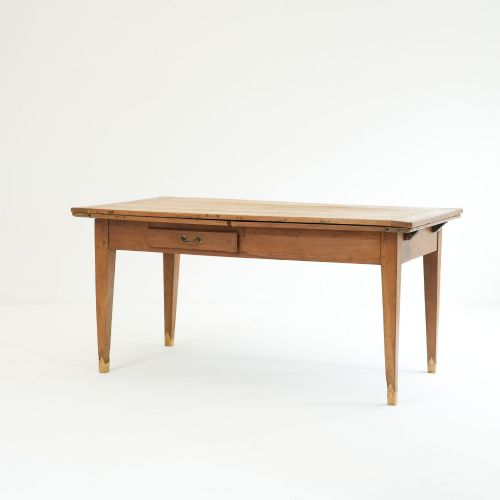
Surfaces often show evidence of traditional hand-working, from pegged mortise and tenon joints to simple single-drawer friezes fitted with brass hardware. Paint finishes and bleached treatments appear alongside natural timber patinas shaped by decades of domestic service.
The inventory records regional styles spanning French provincial, Gustavian, and Victorian country traditions.
What varies in quality
The distinction between tiers rests upon timber selection and the integrity of the original construction, where dense old-growth oak or finely figured fruitwood elevates a piece above standard utility furniture. Proportion and stance also dictate worth, as clean lines on a tapered leg frame provide visual balance without bulk.
Surface character marks the upper echelon, distinguishing tables that retain honest patination from those over-restored. Original fittings, such as untouched frieze drawers and well-joined multi-plank tops, separate utilitarian survivors from exceptional examples of regional cabinet-making.
The Tapered Leg Kitchen Table Glossary
- Frieze
- The horizontal band running beneath the table top, frequently housing a functional single drawer.
- Scrub-top
- A bare timber surface designed to be scrubbed clean with water and a brush after food preparation.
- Draw-leaf
- An extension mechanism where sliding leaves pull out from beneath the main top to lengthen the surface.
- Refectory
- A long dining form traditionally utilised for communal meals in large halls or monastic settings.
- Provincial
- Descriptive of furniture made in regional areas rather than capital cities, reflecting local vernacular tastes.
Tapered Leg Kitchen Table: Frequently Asked Questions
What is a tapered leg kitchen table?
A tapered leg kitchen table is a domestic dining or work surface featuring legs that narrow gradually toward the floor, a design common in nineteenth-century and earlier provincial furniture.
These tables were built for heavy daily use in farmhouses and country houses, typically constructed from solid timbers like pine, oak, and fruitwood.
How were these kitchen tables used?
They served as central hubs for food preparation, daily dining, and domestic labour in the heart of the home.
Many examples include single drawers for storing utensils, reflecting their practical role in the working kitchen.
How do I care for a scrub-top table?
Scrub-top tables tolerate traditional cleaning methods well, as their bare timber surfaces were designed to withstand vigorous washing with soap and water.
Maintaining them simply requires wiping up spills promptly and allowing the wood to retain its natural, unvarnished character.
How do I identify the period of a farmhouse table?
Dating relies on examining construction marks, timber choice, and hardware, such as hand-cut joints or early brass pulls on frieze drawers.
Regional styles and wear patterns also help place a table within eras like the Georgian, Victorian, or Edwardian periods.