
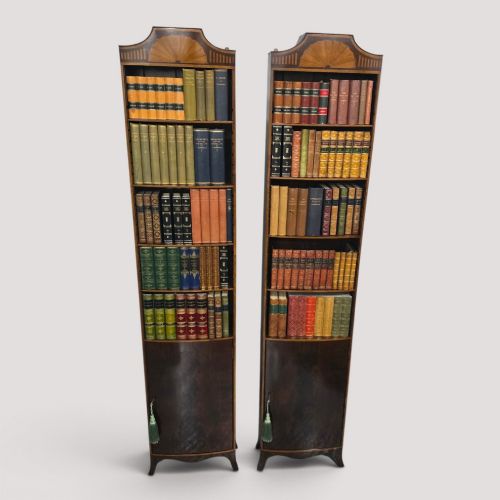
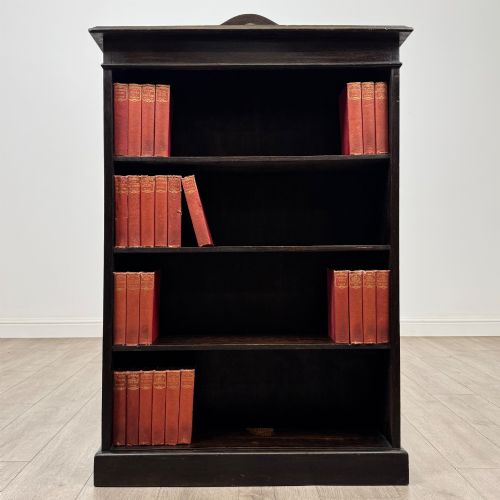

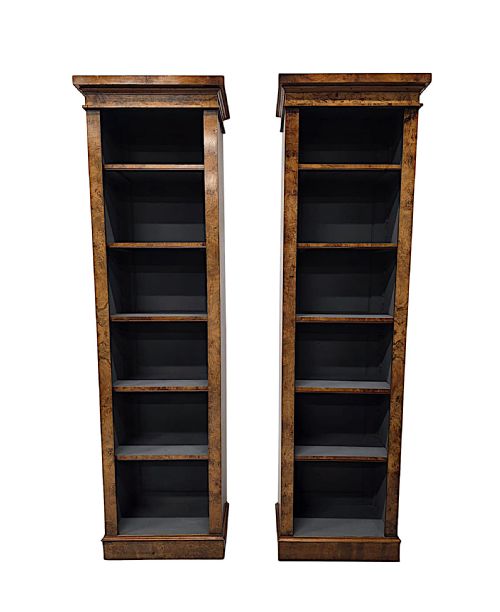
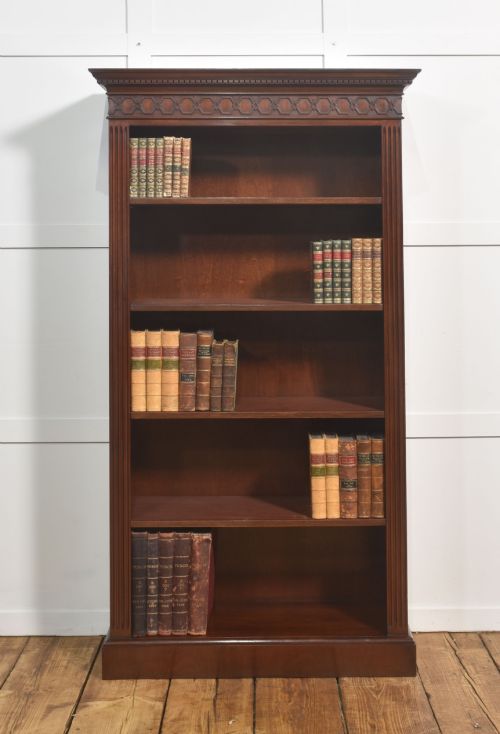
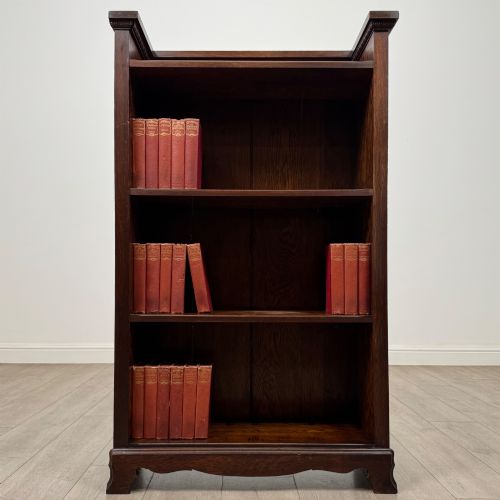
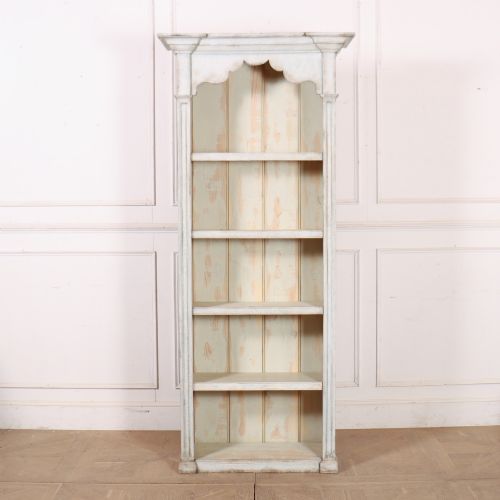
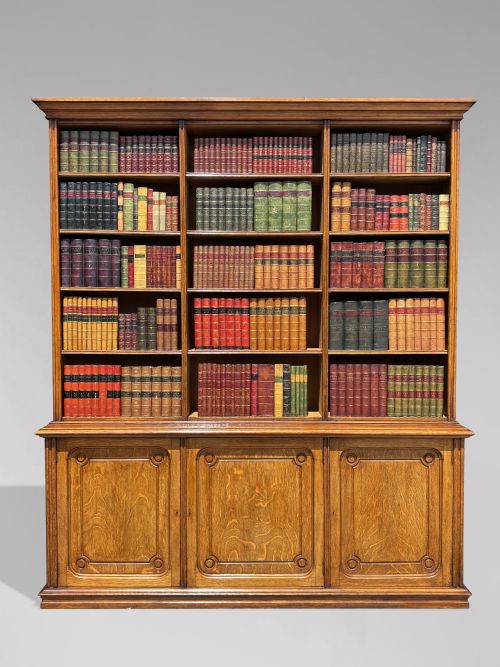
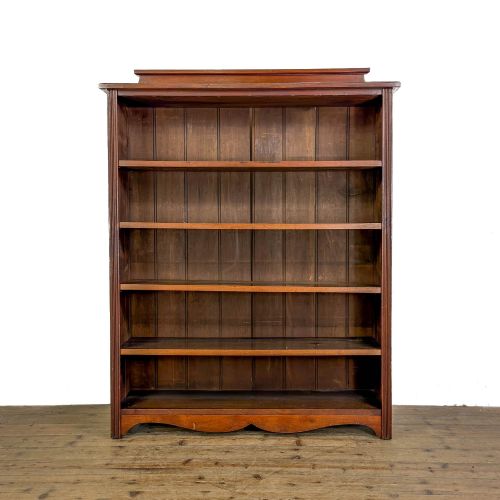
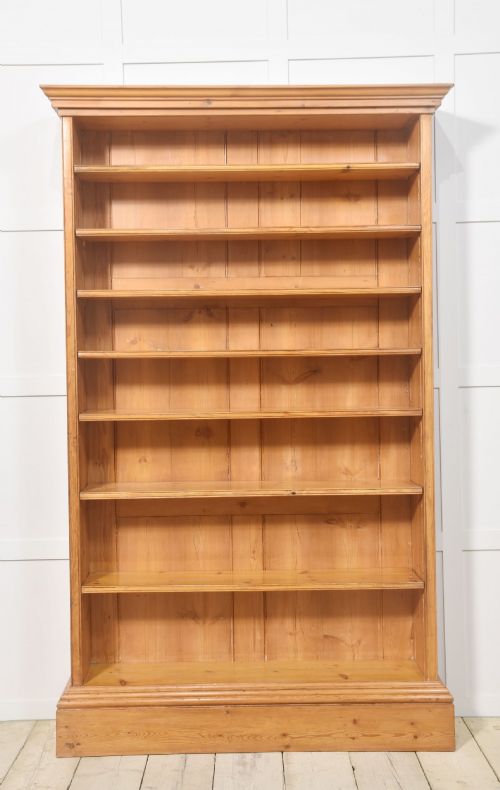
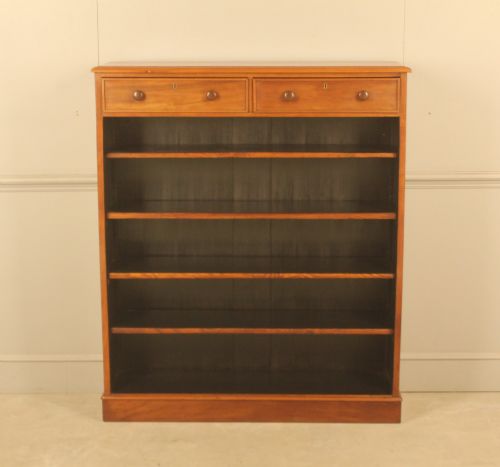


Tall Wooden Shelving Unit
A tall wooden shelving unit offers upright storage for volumes and display, combining utility with period timber character.
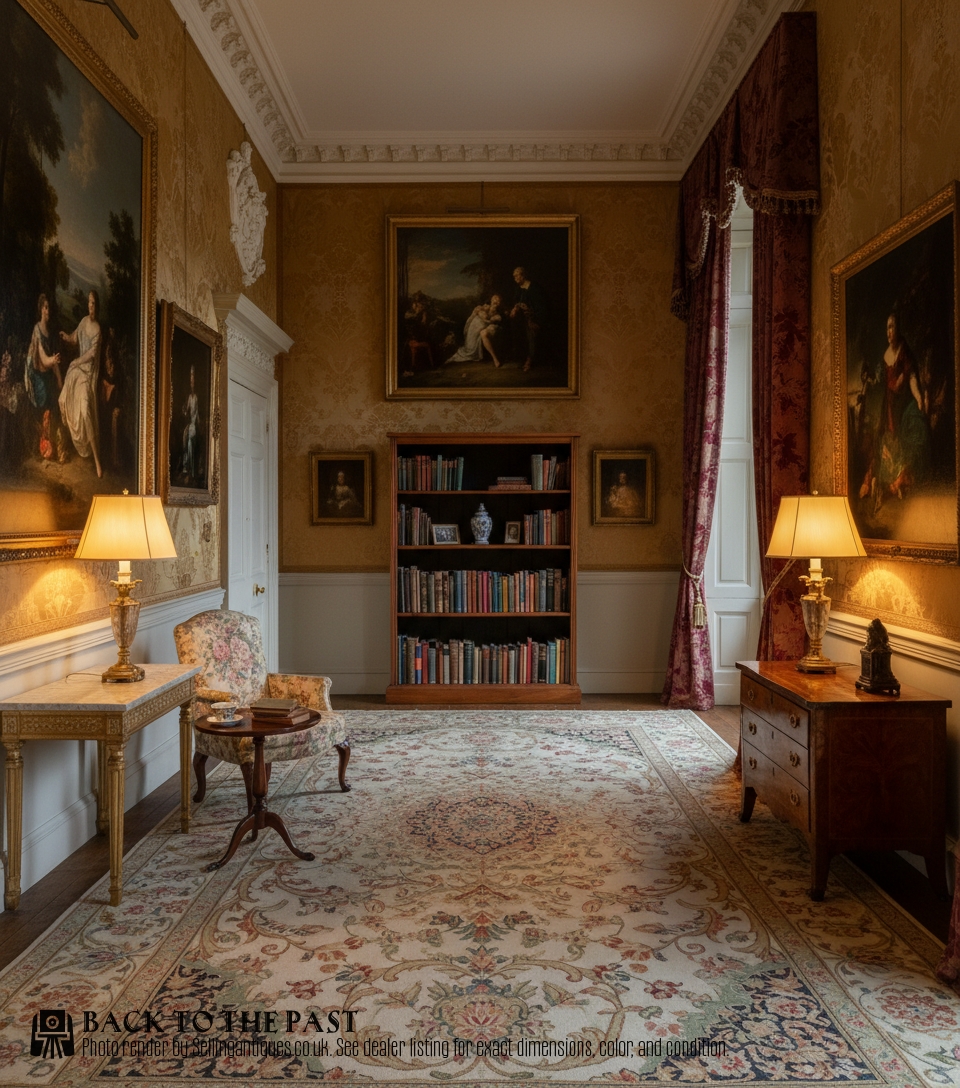
Tall Wooden Shelving Unit
A tall wooden shelving unit provides vertical display and storage across open fronts, corner formats and tiered arrangements. When exploring a tall wooden shelving unit, buyers frequently encounter open bookcases, waterfall designs and corner units from the nineteenth and early twentieth centuries.
The material palette spans dense hardwoods like mahogany, walnut and oak alongside softer deal, pine and painted softwood. Pieces originate from various eras including the Victorian and Edwardian periods, as well as the 1930s and Art Deco styling.
Most examples function as open front bookcases with adjustable shelves or fixed tiers designed to hold substantial libraries. French provincial and regional British workshops both contributed to this diverse category of vertical storage furniture.
How they were made
Cabinet makers utilised solid timbers such as mahogany, oak, walnut and pine, often selecting burr walnut or satinwood veneers for decorative impact. Brass fittings occasionally appear as structural or ornamental accents, while other surfaces received traditional paint finishes.
Construction methods focused on stability for heavy vertical loads, incorporating adjustable wooden shelf supports and moulded cornices. Backboards typically consist of tongue and groove boarding in matching softwood or hardwood.
Several examples incorporate tiered galleries that let a book collection tumble downhill in miniature.
What varies in quality
Timber selection and grain matching set finer pieces apart, particularly where burr walnut or figured mahogany adorns the exterior surfaces. Superior craftsmanship is evident in the precision of adjustable shelf mechanisms and the integration of classical mouldings.
Proportion and scale dictate overall harmony, with neat narrow footprints and multi-tiered waterfall galleries representing more ambitious design execution than standard utility shelving.
The Tall Wooden Shelving Unit Glossary
- Waterfall bookcase
- A set of open shelves where each tier steps back progressively from the one below it, creating a cascading profile.
- Breakfront
- A cabinet or bookcase whose central section projects forward from the flanking wings.
- Deal wood
- An old trade term for softwood timber, typically fir or pine, commonly used for utilitarian furniture carcasing and shelving.
- Gallery
- A raised ornamental border or railing fitted around the top tier of a piece of furniture.
- Open bookcase
- A bookcase without doors, designed for immediate access to books and display items.
Tall Wooden Shelving Unit: Frequently Asked Questions
How do I adjust the shelves?
Many period bookcases utilise traditional wooden support slips or brass ratchets inset into the interior sides.
Lifting the shelf slightly allows the ends to clear the supports so you can reposition the board at a desired height.
Are these suitable for heavy books?
Solid hardwood versions in oak or mahogany handle heavy volumes easily.
Shorter shelf spans also prevent sagging over time compared to very wide unsupported boards.
How do I identify an Edwardian piece?
Edwardian items often display lighter oak timbers and simpler linear detailing dating around the early twentieth century.
They reflect a shift away from heavier Victorian dark finishes towards brighter domestic interiors.
Can I fit a corner unit in a small room?
Corner shelves utilise awkward wall junctions efficiently without protruding far into the primary floor space.
Their triangular footprint makes them practical for compact studies or sitting rooms.