



Tall Wooden Case Clock
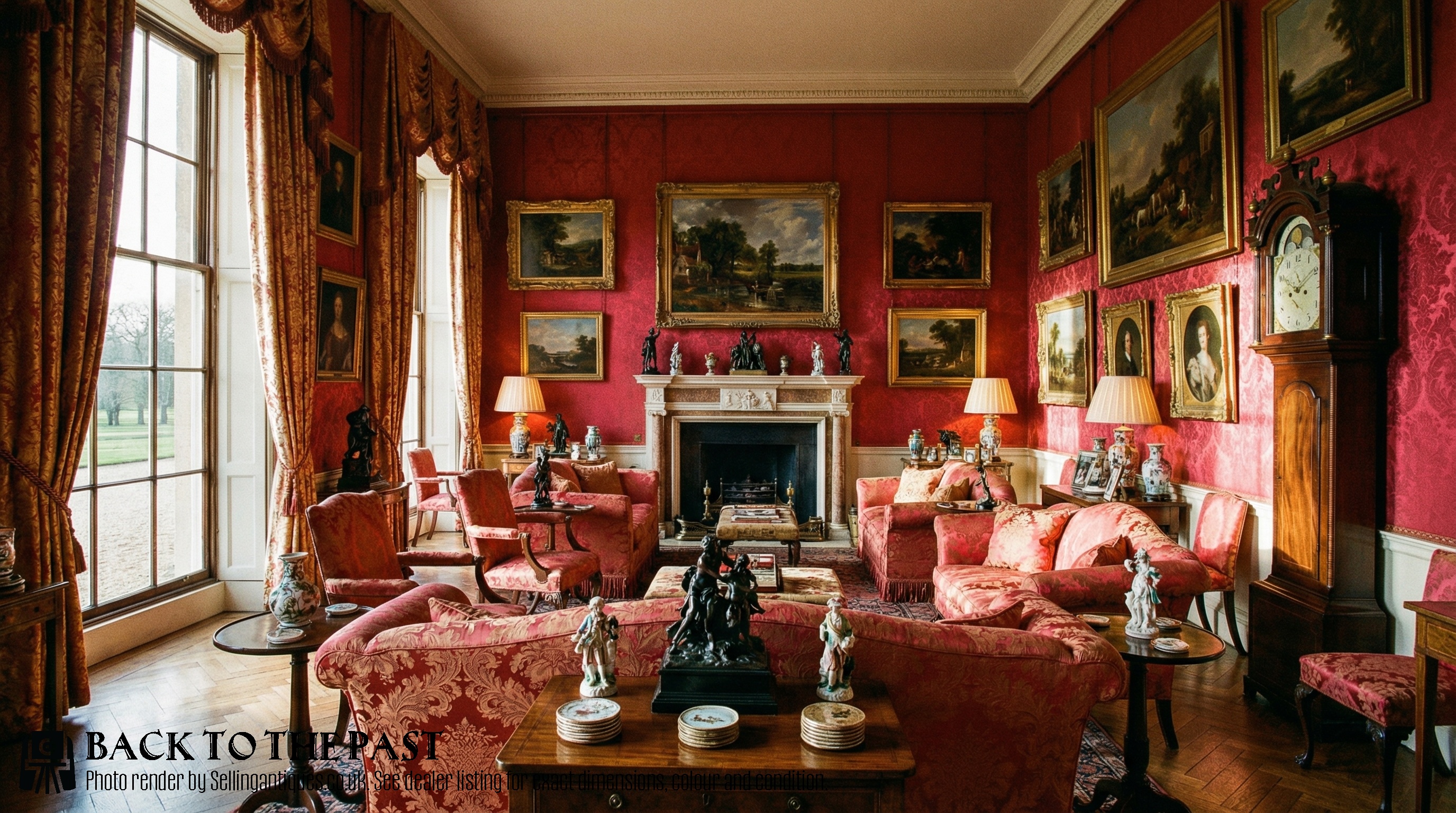
A tall wooden case clock anchors a room with mechanical precision and centuries of presence.
Tall Wooden Case Clock
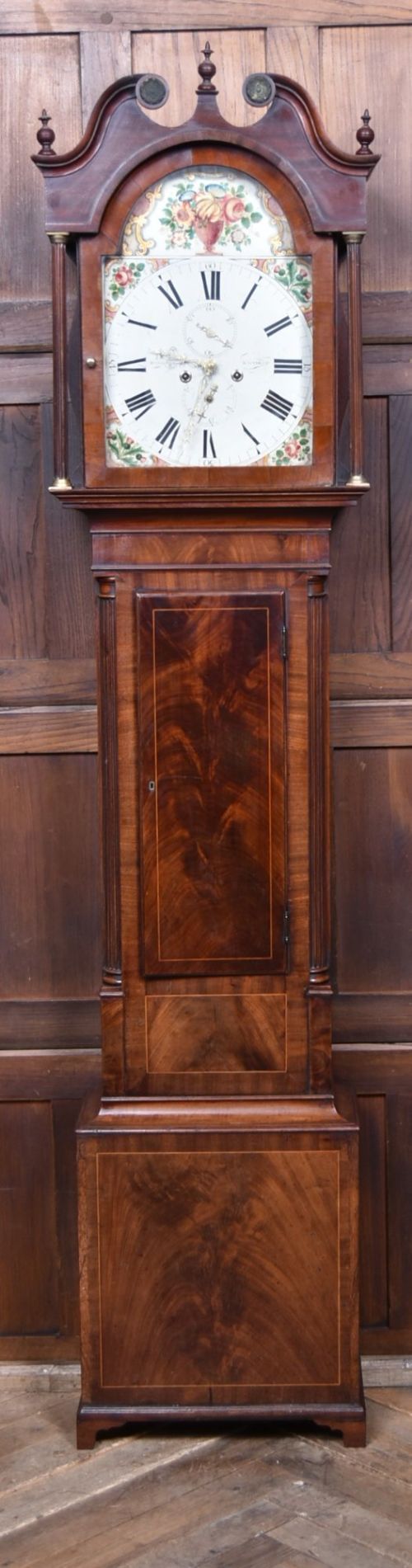
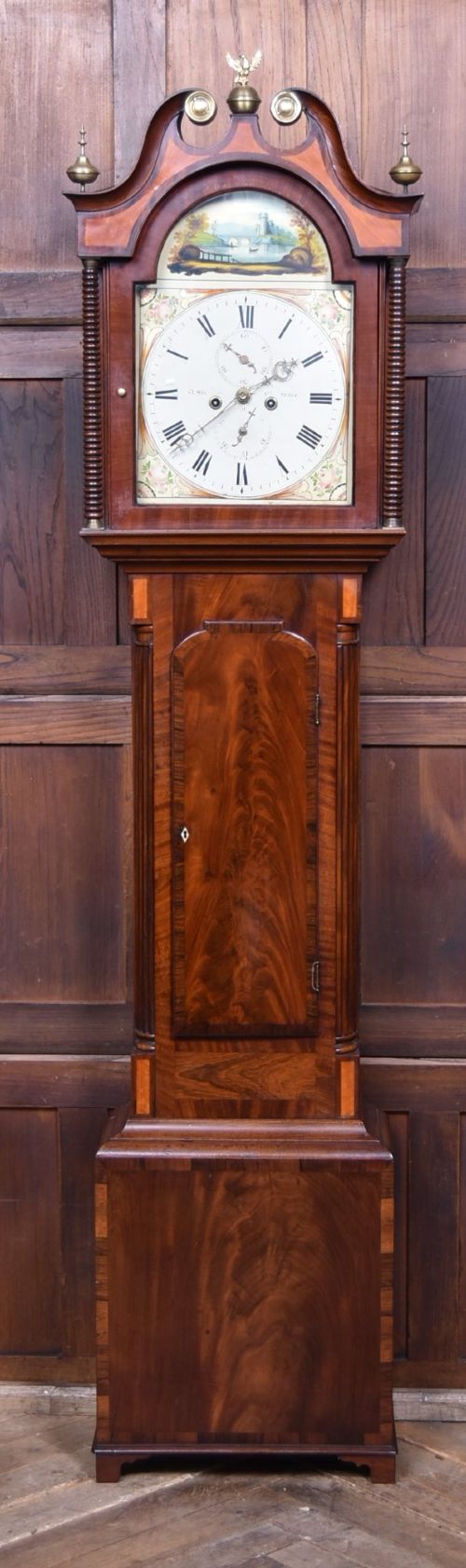
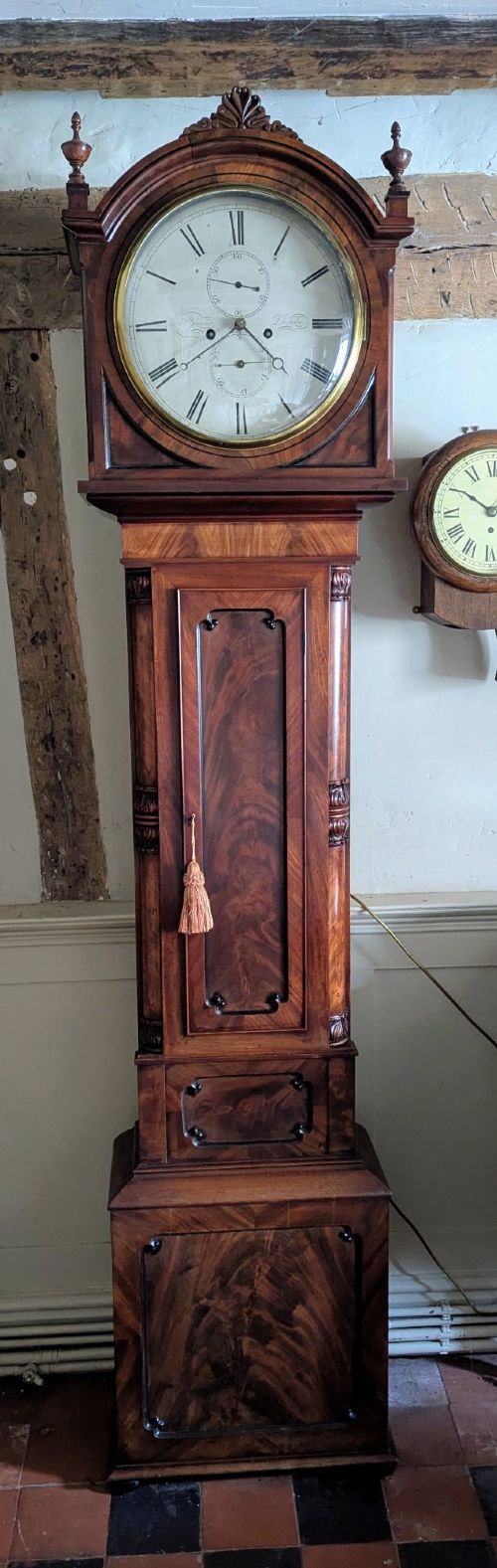
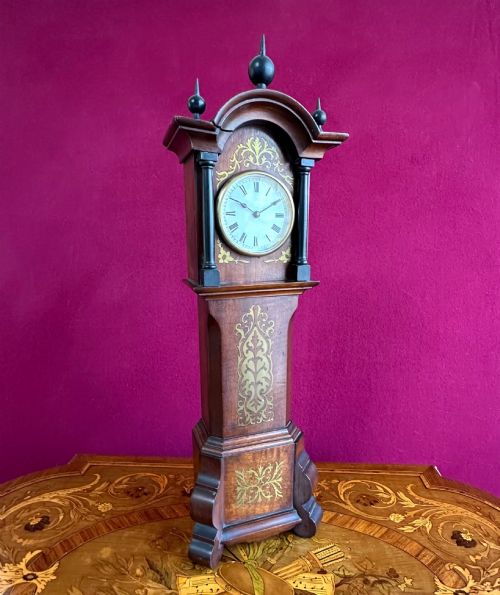
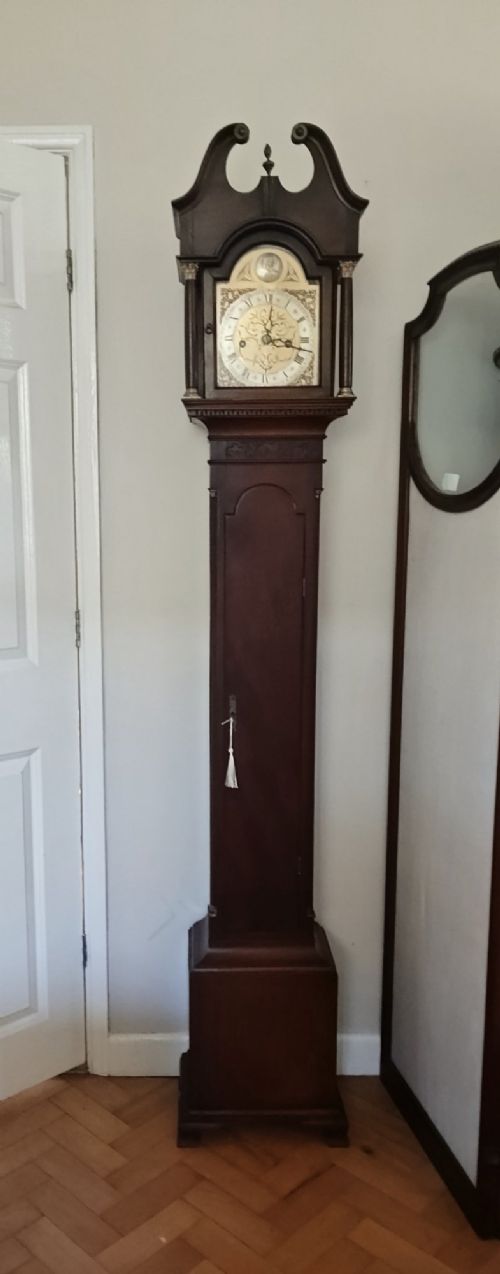
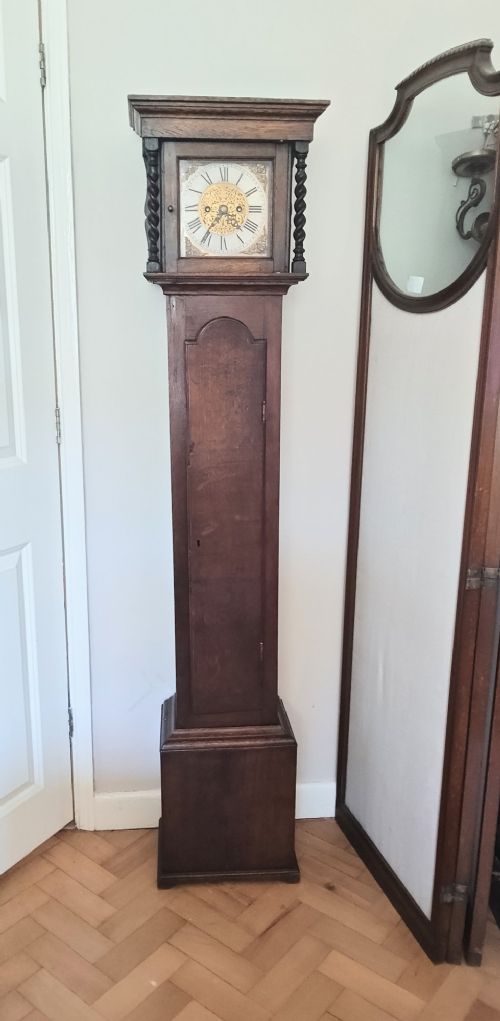
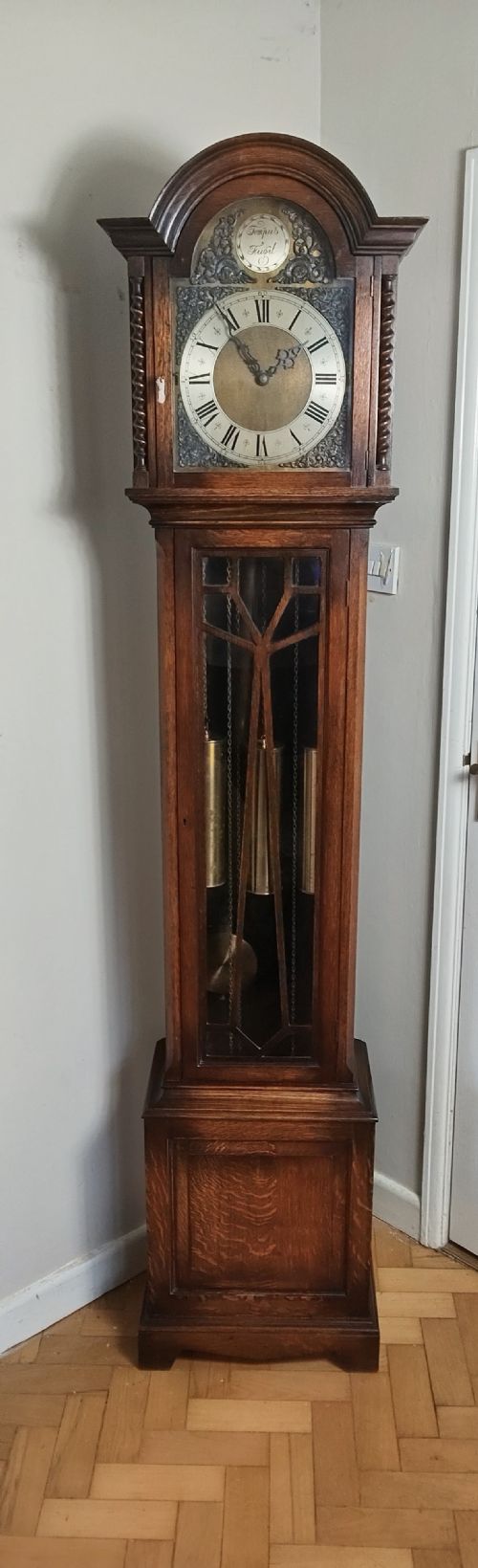
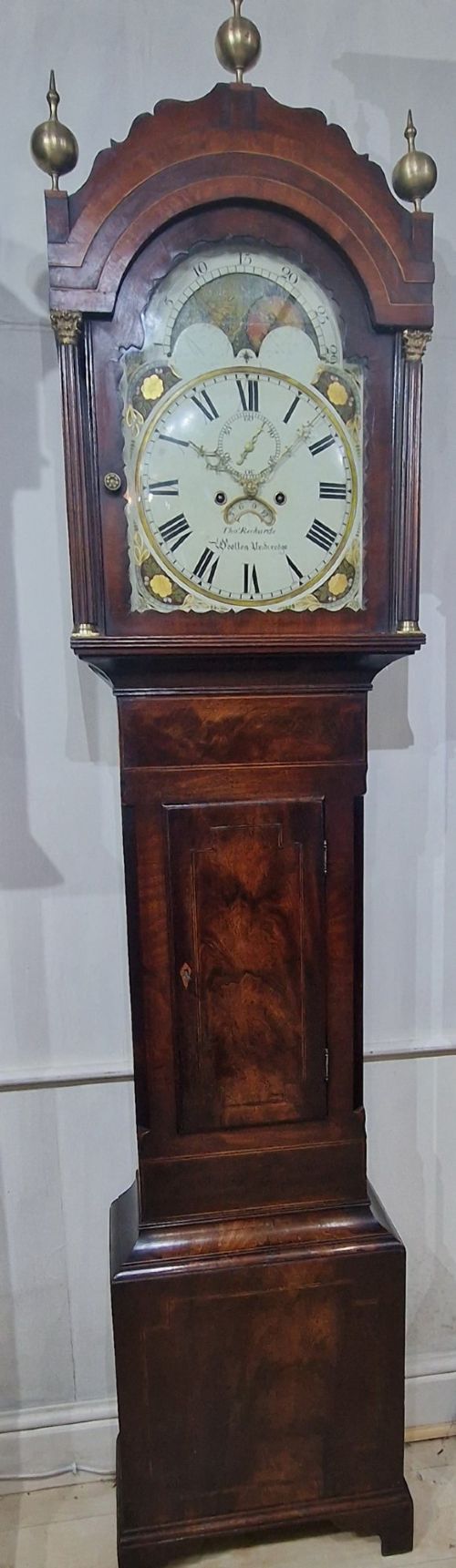
When you search for a tall wooden case clock, you encounter longstanding timepieces spanning the seventeenth century through the Victorian era and beyond. These pieces encompass forms known variously as longcase clocks, grandfather clocks, and smaller grandmother or miniature iterations. Mahogany and oak dominate the selection, alongside walnut examples originating from distinct regional makers.
The pieces on this page lean heavily toward nineteenth-century Scottish mahogany longcases and Georgian oak specimens. You will frequently find arched dials, painted or brass faces, and complex movements such as eight-day mechanisms or rolling moon phases. Cabinet heights vary from full-scale imposing proportions down to compact domestic regulators and miniatures.
Materials and construction
Cabinet makers utilised solid timbers like oak and mahogany, often enhanced with walnut veneers or contrasting crossbanding. Wood selection dictated the structural integrity and visual warmth of the tall case housing the pendulum and weights.
Dial construction combined brass, painted enamel, and glass to protect the face, while interior movements incorporated iron and brass gearing driven by hanging weights.
Listings feature movements ranging from standard time-and-strike configurations to complex musical mechanisms and rolling moon phases.
Judging quality
Quality rests in the harmony between the cabinet proportions and the sophistication of the movement inside. Finer examples display crisp cabinet joinery, selected timber grain, and signed dials by established makers rather than mass-produced generic components.
The nuance lies in regional cabinet-making signatures, the complexity of movements such as triple-weight musical systems or moonphase complications, and the preservation of original surfaces.
Hendrie Ogg·D. Straiton·Tait·James Coster·Edward East·Joseph Knibbs·John Banks Oldham·Garman Meonstoke·Samuel Young·Nicholas of Birmingham·Wm Stanford·Dent of London·Jn Wright Linton
The Tall Wooden Case Clock Glossary
- Longcase clock
- A tall pendulum clock enclosed in a wooden case designed to stand on the floor. This is the formal term for what is commonly called a grandfather clock.
- Crossbanded
- A decorative technique where veneer is applied across the grain of the primary wood panel, creating a contrasting border. It appears frequently on Georgian mahogany cases.
- Rolling moon
- A mechanical dial feature that tracks the lunar cycle behind a shaped aperture. It adds visual movement and complexity to the clock face.
- Regulator
- A precision clock designed to keep exceptionally accurate time, often featuring a simplified dial layout for easy reading. Domestic variants served important timekeeping roles in households.
Tall Wooden Case Clock: Frequently Asked Questions
What is a tall wooden case clock?
A tall wooden case clock is a weight-driven pendulum clock housed in a tall vertical wooden enclosure that stands directly on the floor. These pieces combine cabinet-making with horological mechanics.
They serve as both reliable timekeepers and substantial architectural furniture elements within domestic spaces.
How do I wind an eight-day clock?
An eight-day clock requires winding approximately once a week by lifting the weights or turning the dial winding arbors using a dedicated key. Care must be taken not to overwind the mechanism.
Maintaining a regular winding schedule helps preserve the tension and accuracy of the internal gear train.
Where should I place a longcase clock?
A longcase clock requires a stable, vibration-free interior wall where it can stand perfectly plumb and level on a solid floor. Proper placement ensures the pendulum swings evenly and the escapement ticks reliably.
Avoid locations subject to extreme temperature fluctuations or direct sunlight to protect the wooden case and movement.
How do I date a wooden case clock?
Dating relies on examining the architectural style of the wooden case, the construction methods of the movement, and the signature of the maker inscribed on the dial. Oak pieces often point to earlier Georgian or seventeenth-century periods, while mahogany variants frequently align with later Georgian and nineteenth-century eras.
Changes in dial materials, from brass to painted enamel, also provide clear chronological markers.