
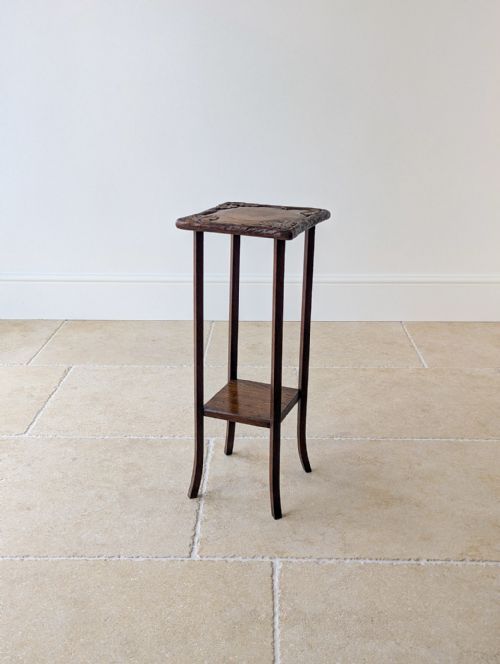
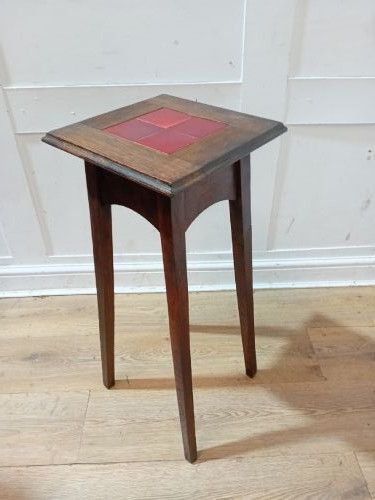


Tall Oak Display Stand
A tall oak display stand serves to elevate objects or books, bringing them to eye level through sturdy construction and varied regional styles.
Tall Oak Display Stand
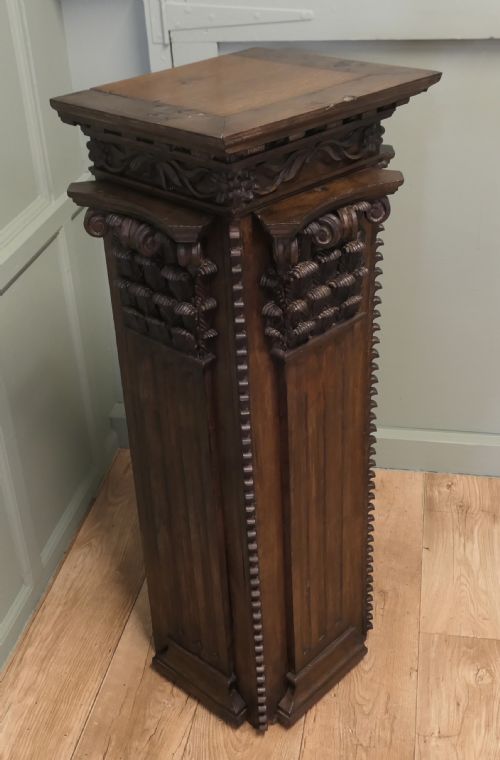
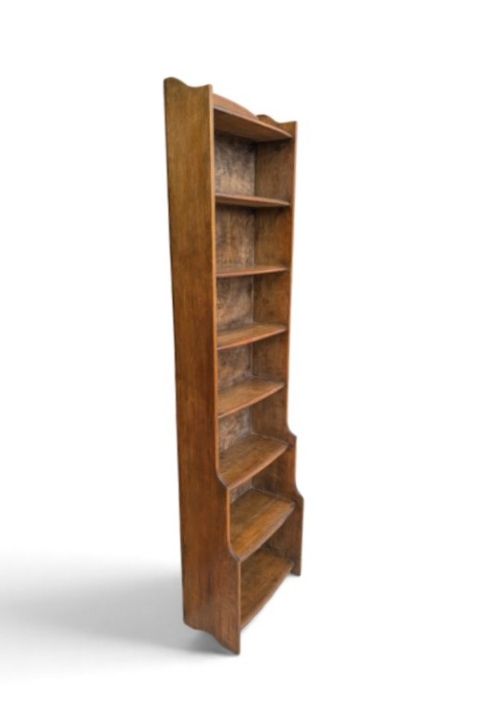
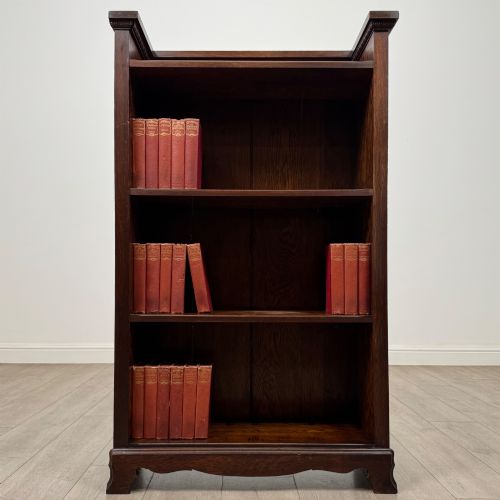
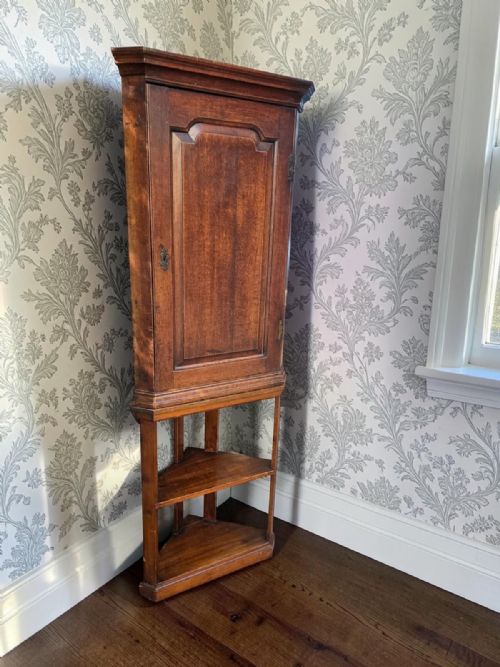
A tall oak display stand encompasses vertical forms designed to showcase objects, plants, or books within a room. These pieces range from plant stands and torchere columns to open bookcases and display cabinets mounted on stands.
The selection draws from periods spanning the nineteenth century through the 1930s, incorporating Edwardian, Victorian, and Art Deco aesthetics. Buyers frequently encounter tall open bookcases alongside tiered plant stands and carved pedestals.
Origins vary from English workshops to North European makers, offering functional height through shelving, glazed cabinets, or raised platforms. Each form provides a distinct vertical profile suited to domestic display.
What varies in quality
The standard of carving and the crispness of turned details define the upper tier of these pieces. Hand-carved motifs and substantial timber thickness distinguish finer workshops from simpler production.
Proportion and structural integrity dictate the overall calibre. Pieces featuring adjustable shelving, integrated drawers, or matched pairs demonstrate superior craftsmanship compared to plain utility items.
Several stands employ twisting barley legs that seem determined to spiral upward forever.
The Tall Oak Display Stand Glossary
- Torchere
- A tall stand designed to hold a light or a decorative plant. These slender supports raise items well above floor level.
- Barley twist
- A type of turned wooden leg resembling a spiral rope. This decorative feature appears frequently on early twentieth-century stands.
- Jardiniere
- A decorative pot or stand for holding plants and flowers. Examples often incorporate waterproof liners or raised platforms.
- Pedestal
- A solid upright support used to elevate a bust, vase, or display item. They provide a classical vertical focus in a room.
- Glazed bookcase
- A piece of furniture featuring glass-fronted doors to protect books while keeping them visible. These often sit upon an elevated stand or base.
Tall Oak Display Stand: Frequently Asked Questions
How do I style a tall stand?
Position the piece in an empty corner or flanking a doorway to draw the eye upward. Balance heavy books on lower shelves with lighter objects near the top.
Ensure items placed on top platforms remain secure and proportional to the diameter of the stand. Allow sufficient surrounding space to appreciate the turned or carved wooden details.
Can these stands support heavy plants?
Sturdy plant stands and torchere columns handle substantial ceramic pots when the base construction is sound. Check the stability of the legs and the flatness of the top platform.
Use protective saucers underneath planters to prevent moisture from damaging the polished timber surface over time. Regular tightening of joints helps maintain load-bearing strength.
How do I date an oak stand?
Examine the style of the carving, the turning technique, and the overall joinery methods used in the construction. Edwardian and Arts and Crafts pieces often display hand-craftsmanship, whereas 1930s items show simpler geometric mouldings.
Hardware such as brass hinges or handles can also indicate the period of manufacture. Tool marks left on the underside provide clues about workshop practices.
Where should I place a display cabinet?
Keep glazed bookcases and display cabinets away from direct sunlight to protect book bindings and stored items from fading. Place them against interior walls with stable temperature and humidity levels.
Ensure the floor beneath is level so the tall structure remains upright and the doors open smoothly. Leave adequate clearance for opening glass doors without obstruction.