


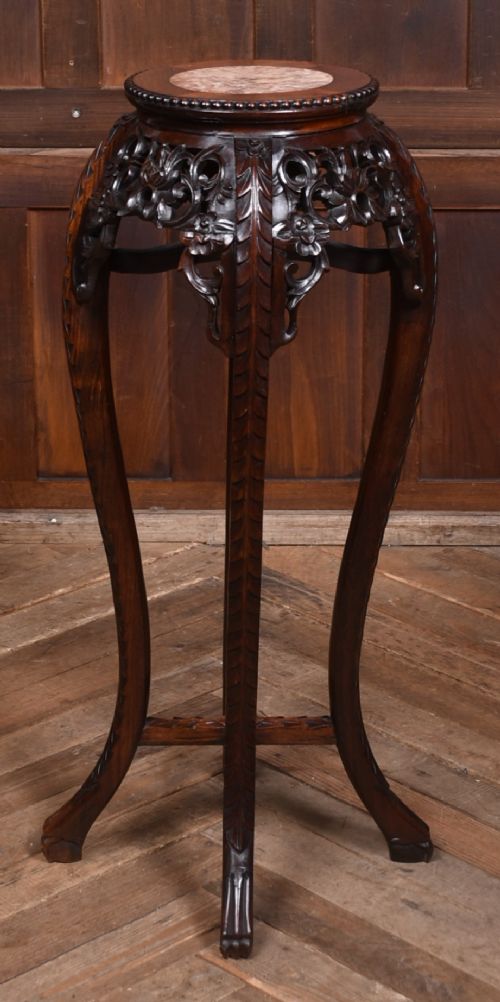


Tall Marble Stand
A tall marble stand elevates a vase, plant, or bust to catch the light, bringing architectural presence into a room.
Tall Marble Stand
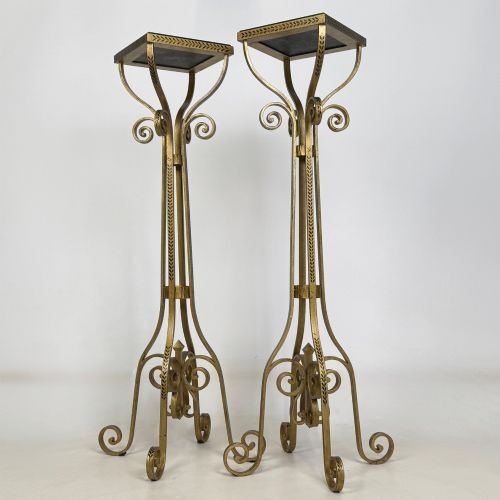
A tall marble stand serves primarily to display decorative objects, from heavy ceramic planters to classical portrait busts. When searching for a tall marble stand, buyers encounter a diverse selection of nineteenth-century and early twentieth-century forms ranging from Chinese hardwood tables with inset stone tops to European neoclassical columns. Plant stands, pedestals, and torchere columns dominate the selections available on this page, reflecting decades of domestic display traditions.
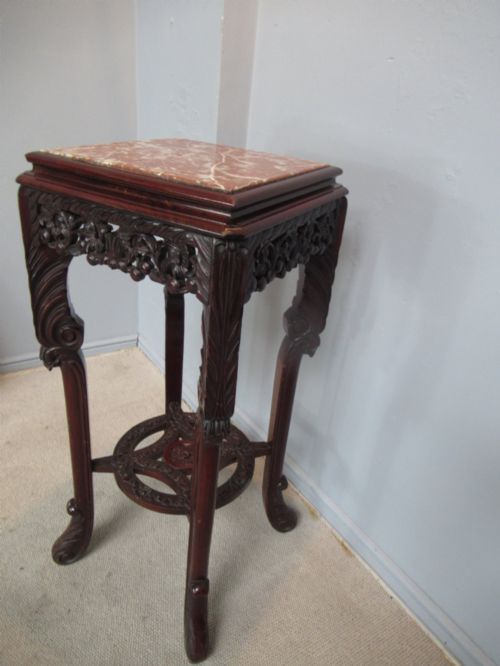
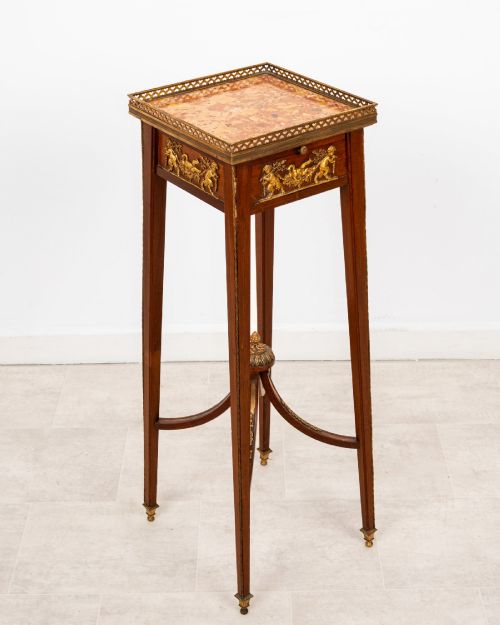
Origin and regional style shape these furnishings significantly. Chinese export and Qing Dynasty pieces utilise dense hardwoods such as hongmu, frequently inlaid with mother-of-pearl around circular marble inserts. Simultaneously, European workshops produce Neoclassical revival columns and side tables in mahogany, walnut, and gilt bronze, pairing carved timber or cast brass with contrasting stone surfaces like rouge marble or onyx.
Form follows function across these varied examples. Some items function as dedicated jardiniere stands designed to hold damp pots safely atop impermeable stone, while others act as pedestals and columns intended solely to lift sculpture into the line of sight. Occasional tables and console tables also appear, offering broader surfaces combined with marble tops for room corners and hallways.
How they were made
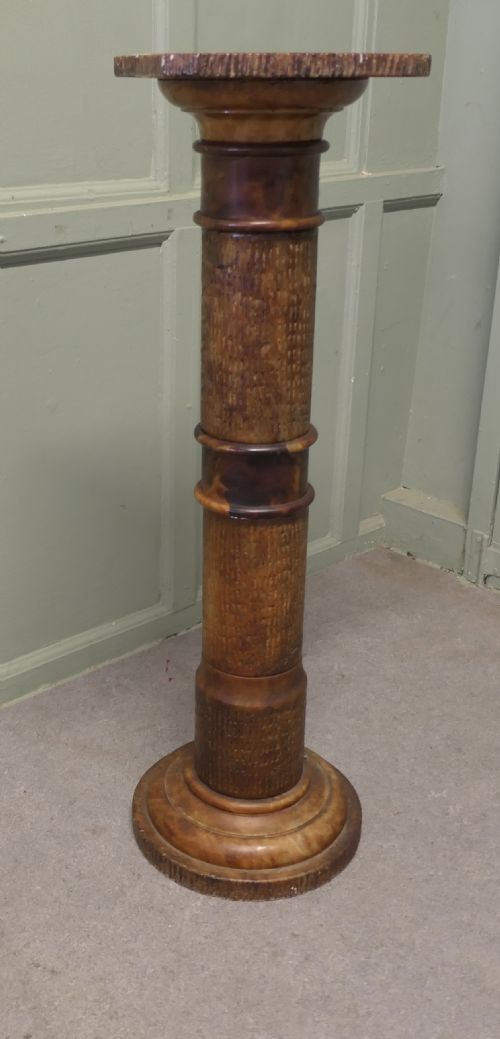
Construction relies upon the marriage of heavy natural stone with supportive timber or metal frames. Marble, onyx, and alabaster form the inset panels or solid upper columns, secured within turned wooden bezels or mounted on cast bronze and brass structures. Hardwoods like mahogany and walnut provide the dense structural strength required to bear substantial stone weight without warping.
Decorative techniques define the surface character of these stands. Chinese pieces employ intricate wood carving and precise joinery to frame stone insets, whereas European examples utilise gilding, brass mounts, and faux marble paint effects on pine or plaster to simulate solid stone or precious metals.
Listings feature nineteenth-century and early twentieth-century forms, predominantly pairing marble, hardwood, and brass.
What varies in quality
Material selection establishes the baseline calibre of each piece. Superior examples feature dense, highly figured marbles, flawless alabaster, or heavy hongmu timber rather than soft pine or painted plaster substrates. The purity and depth of the stone grain directly reflect the maker's investment in raw materials.
Execution of detail separates standard production from exceptional craftsmanship. Hand-carved foliage, tight joinery in hardwood frames, and crisply cast brass mounts demonstrate superior skill compared to mechanical milling or soft, indistinct mouldings. The integration between the stone top and its supporting frame must demonstrate stability and precision.
François Linke
The Tall Marble Stand Glossary
- Torchere
- A tall stand or pedestal designed to carry a lamp, candle holder, or decorative vase. These tall supports elevate illumination sources to room height.
- Jardiniere stand
- A specialised table or column intended to hold indoor plant pots. Their tops often incorporate water-resistant materials like marble to handle damp soil.
- Hongmu
- A traditional Chinese term for dense red hardwoods used in fine furniture making. It provides the heavy structural integrity found in exported stands.
- Rouge marble
- A distinct decorative limestone featuring rich red, grey, and white tones. French makers frequently paired this colourful stone with mahogany frames.
- Neoclassical
- A revival style drawing inspiration from classical Greek and Roman architecture. Columns and pedestals from this tradition feature clean architectural proportions.
Tall Marble Stand: Frequently Asked Questions
What were tall marble stands used for?
Historically, these stands served as elevated platforms for Chinese porcelain vessels, trailing plants, and classical portrait busts. Placing objects higher allowed them to catch more window light and command attention within Victorian and Edwardian reception rooms.
They also functioned as decorative focal points in conservatories and drawing rooms, protecting valuable carpets and floors from heavy ceramic planters while displaying botanical collections.
How do I tell Chinese export stands from European ones?
Chinese stands typically utilise dense hardwoods such as hongmu, featuring pierced carvings, bracket feet, and inset circular marble panels. Their construction often reflects traditional joinery methods without metal fasteners.
European pieces from the nineteenth century generally lean towards classical vocabulary, utilising turned mahogany columns, brass mounts, or painted pine styled after French Louis periods or Neoclassical revival designs.
Can these stands support heavy plants?
Most of these pieces were engineered specifically to bear considerable weight, given that stone tops and large ceramic pots are naturally heavy. Hardwood frames and solid stone columns offer robust stability for substantial indoor flora.
However, plaster or lighter decorative columns require more care regarding weight distribution. Checking the structural soundness of the underlying wood and joints ensures safe daily use.
How do I clean a marble top?
Stone surfaces require gentle maintenance using soft, damp cloths without harsh chemical cleaners. Mild soap handles basic dust and marks, while abrasive scourers must be avoided to preserve the polish.
Regular dusting keeps timber frames and brass mounts secure, preventing grime accumulation in carved crevices and intricate joints on both Asian and European pieces.