





Tall Mahogany Urn Stand
A tall mahogany urn stand is a slender, elevated support designed to hold decorative vessels, and collectors choose them for their refined vertical presence.
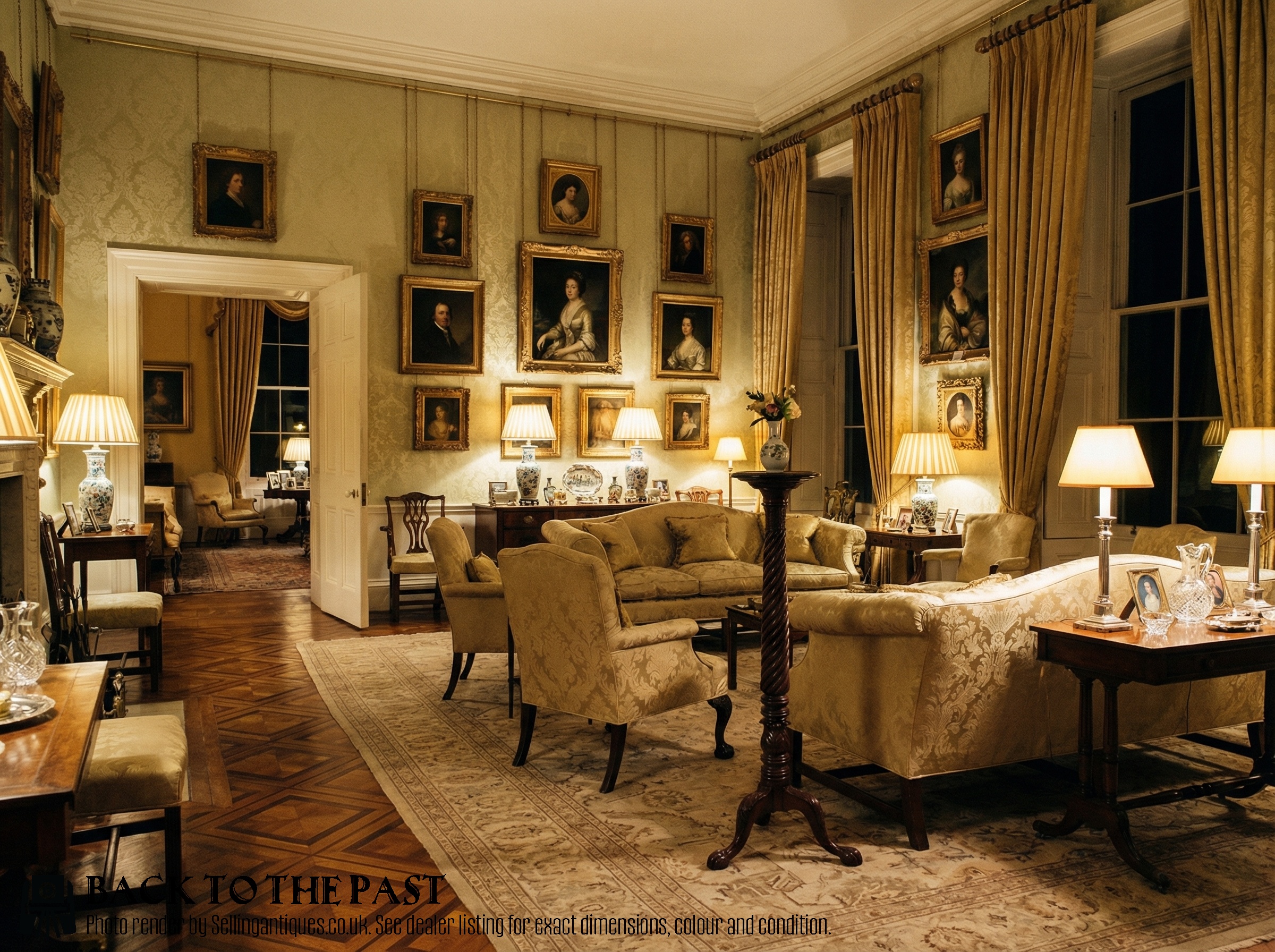
Tall Mahogany Urn Stand
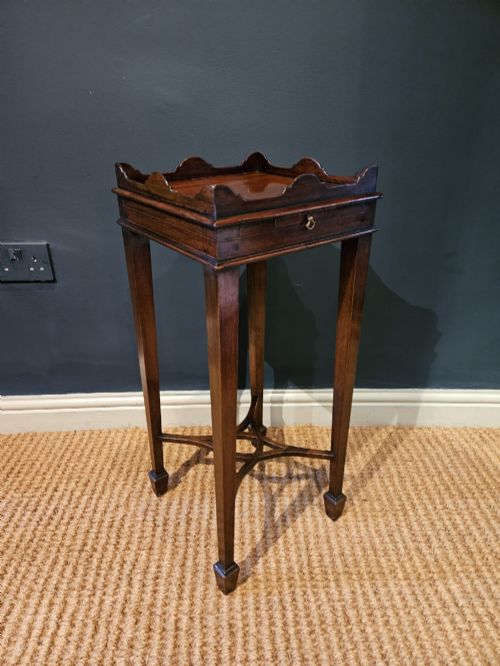
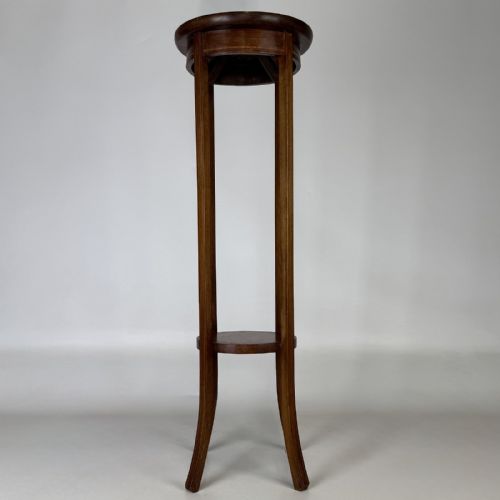
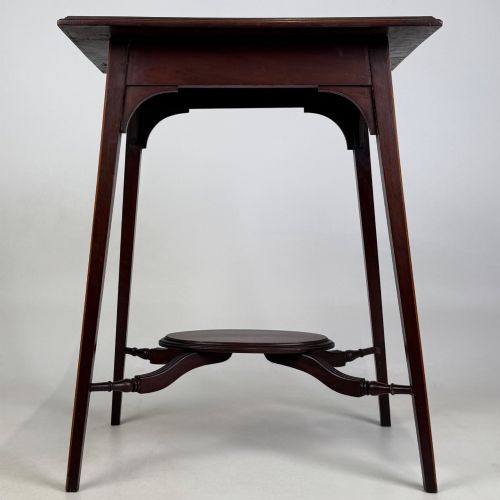
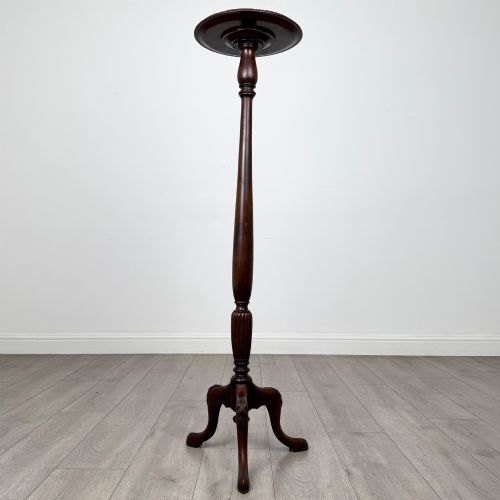
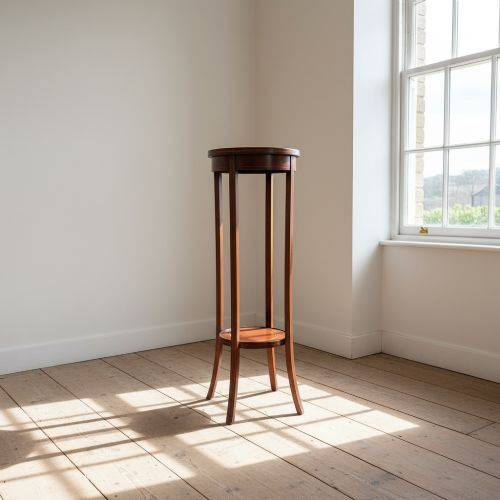
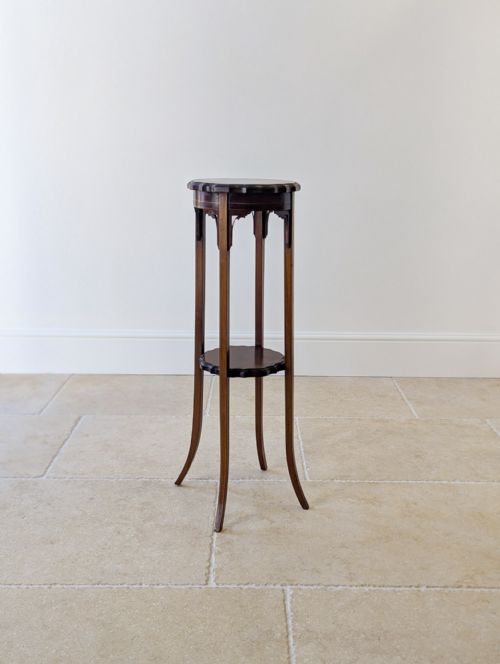
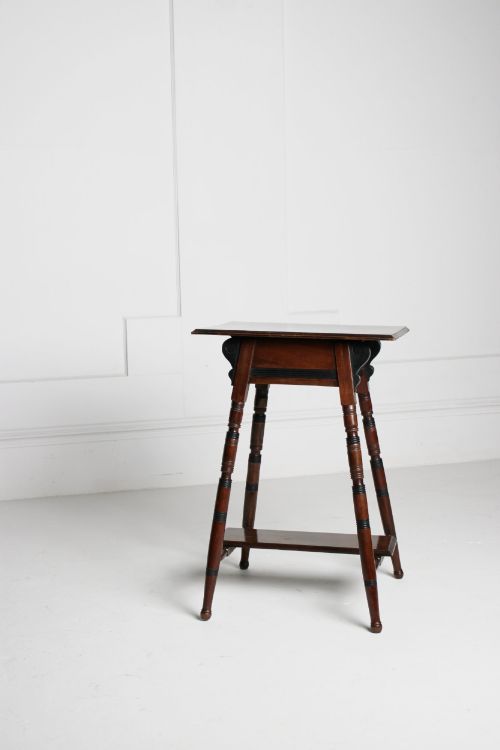
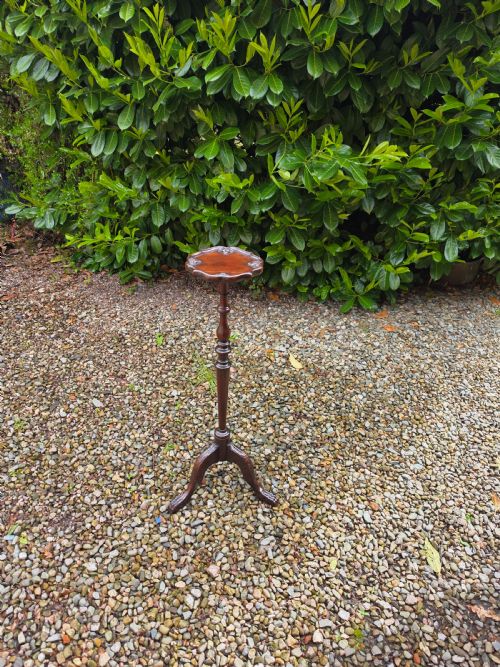
When you search for a tall mahogany urn stand, you encounter pieces that function primarily as torcheres, plant stands, kettle stands, and occasional tables. These upright forms elevate decorative vessels, lamps, or small plants to eye level within a room.
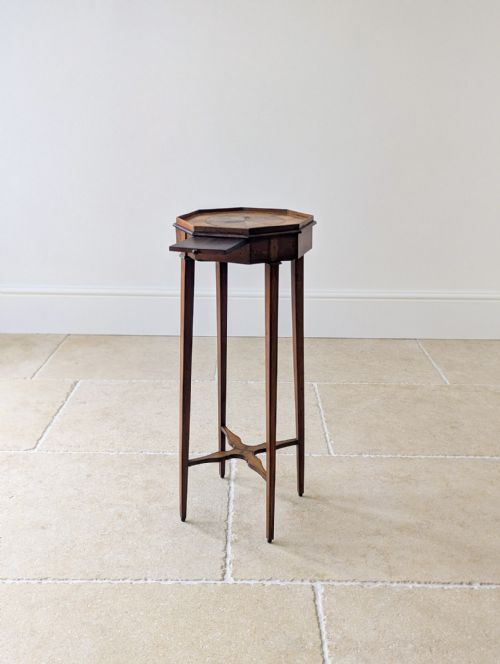
The selections span the eighteenth century, the Victorian and Edwardian eras, alongside Georgian Revival and Sheraton Revival interpretations. Examples range from simple octagonal platforms to intricately carved columns and inlaid surfaces.
Originating as practical furniture for holding heated water urns or lighting, these tall stands now serve primarily as display pedestals. The majority of pieces on this page reflect the slender proportions and dark timber tones characteristic of traditional British cabinetmaking.
Materials and construction
Makers utilised solid and veneered mahogany as the primary timber, valued for its rich grain pattern and structural stability. This dark wood frequently serves as the canvas for delicate contrasting details.
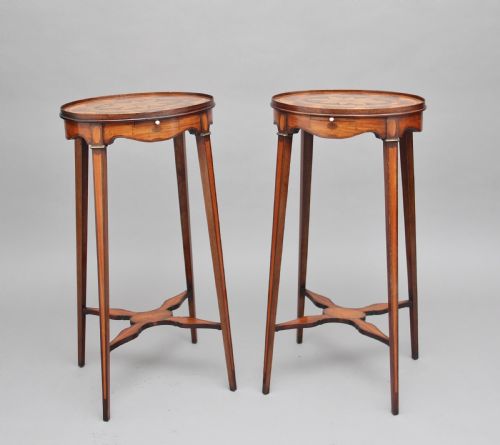
Satinwood, boxwood, and general inlay provide lighter geometric or floral ornamentation against the deep mahogany body. Brass fittings and occasional marble inserts also appear on specific forms.
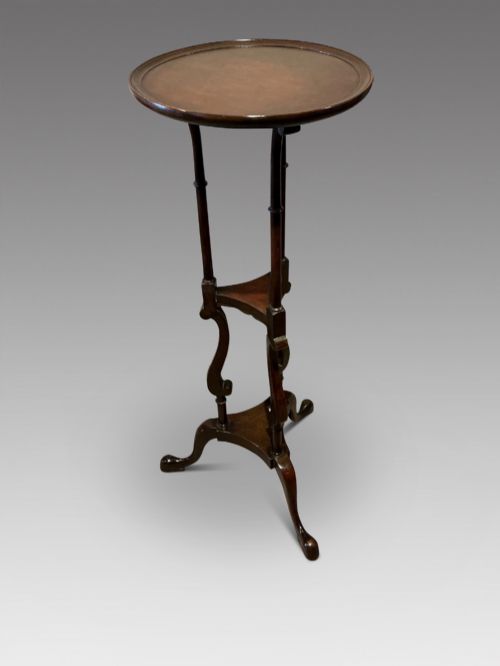
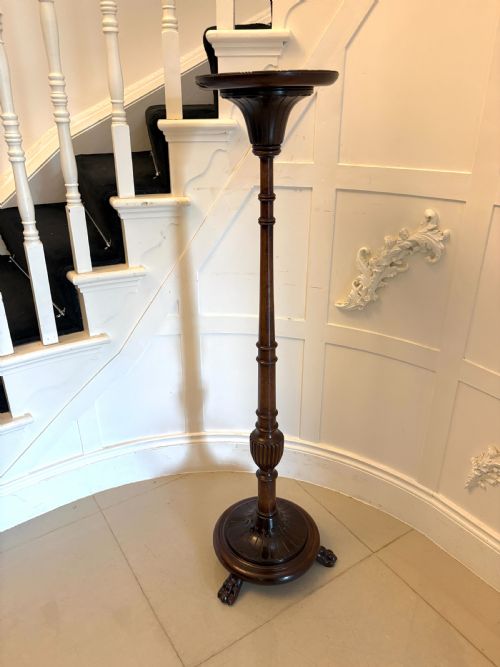
Construction techniques involve turned upright columns, slender tapering legs, and carved pedestals supported by tripod or multi-sided bases. Joinery relies on traditional methods to ensure stability in such narrow, tall furniture.
Tall Mahogany Urn Stand Retail Price Guide 2026
Typical asking prices for tall mahogany urn stand among the pieces listed under this phrase on Sellingantiques today, from the lower quarter to the upper quarter. They describe what is for sale here now, not the wider market.
Design influences across the inventory range from Chinese Chippendale and Adam revival to Sheraton Revival styles.
Factors determining quality
The crispness of carved detail on the column and base distinguishes standard production from finer workshop output. Sharp, deeply defined acanthus leaves or fluting demonstrate superior craftsmanship.
The precision and variety of inlay work, such as boxwood and satinwood banding, indicate the level of care invested by the maker. Subtle tonal contrasts and tight joints elevate the visual balance of the stand.
Proportion and stability dictate the integrity of the piece, ensuring the tall frame balances visual lightness with physical steadiness. Timber selection also plays a part, with dense, well-figured mahogany offering deeper lustre.
Druce And Co London
The Tall Mahogany Urn Stand Glossary
- Torchere
- A tall, slender stand designed to support a lamp, candle, or decorative plant. These pieces feature prominent vertical shafts raised on stable feet.
- Urn stand
- A small, elevated table historically used to hold heated water urns for tea service. They often incorporate pull-out slides or raised edges.
- Inlay
- A decorative technique where contrasting materials like boxwood or satinwood are inserted into recesses within the mahogany surface. This method creates geometric or botanical patterns.
- Sheraton Revival
- A late nineteenth and early twentieth century design movement that reinterpreted the light, classical furniture styles of eighteenth-century designer Thomas Sheraton. These items frequently display delicate stringing and tapered supports.
- Chinese Chippendale
- A style drawing on eighteenth-century interpretations of Chinese design motifs. It is characterised by pierced galleries, fretwork, and angular structural lines.
Tall Mahogany Urn Stand: Frequently Asked Questions
What is a tall mahogany urn stand used for?
These pieces function as elevated platforms for displaying decorative vessels, urns, or indoor plants. They draw the eye upward and make use of vertical space in corners or empty room sections.
Historically, similar small tables held heated water urns or heavy lamps within formal reception rooms. Today, collectors utilise them purely for decorative display.
How do I identify an eighteenth century piece?
Eighteenth-century examples display hand-cut joinery, dense timber patination, and construction methods characteristic of the Georgian period. Details often include restrained carving and authentic timber shrinkage.
Later revivals from the Victorian or Edwardian eras imitate these earlier designs but employ machine-assisted manufacturing marks and brighter, newer brass or timber finishes.
Are these stands stable enough for plants?
Most tall stands feature weighted or tripod bases designed to distribute weight securely across the floor. However, heavy pots require cautious placement on narrower platforms.
Checking the spread of the feet relative to the top platform helps determine how safely the stand handles heavier decorative objects.