

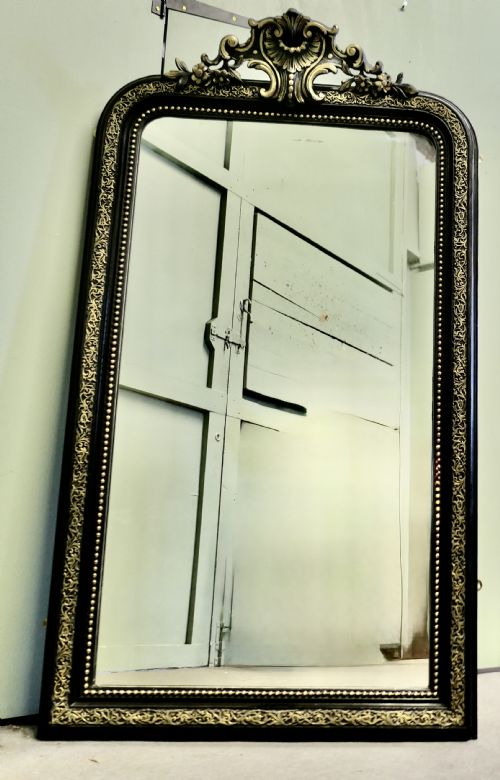
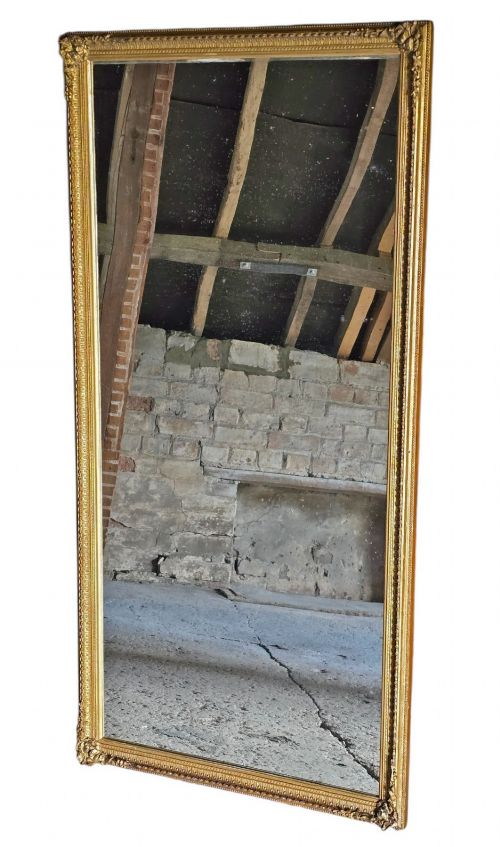
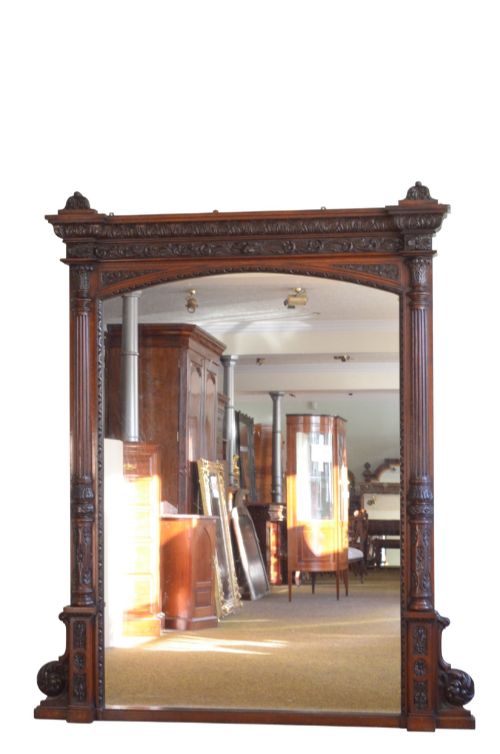
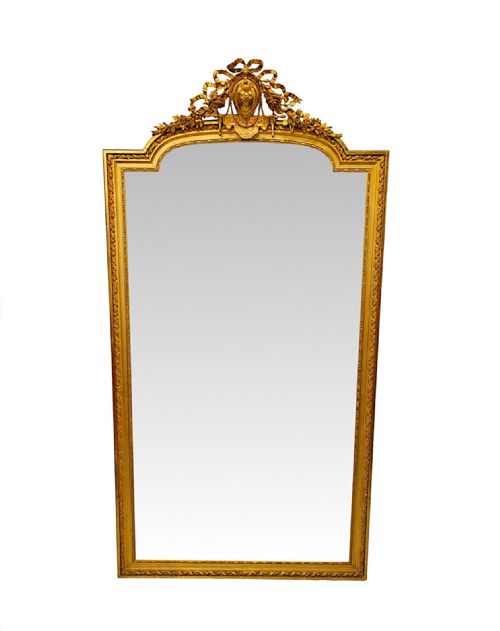


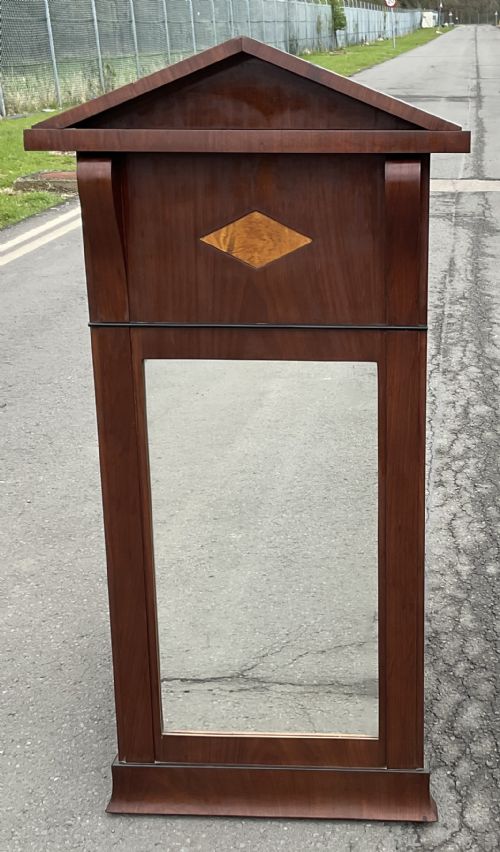

Tall Hall Wall Mirror
A tall hall wall mirror commands a narrow entryway, reflecting light and anchoring the room with vertical presence.
Tall Hall Wall Mirror
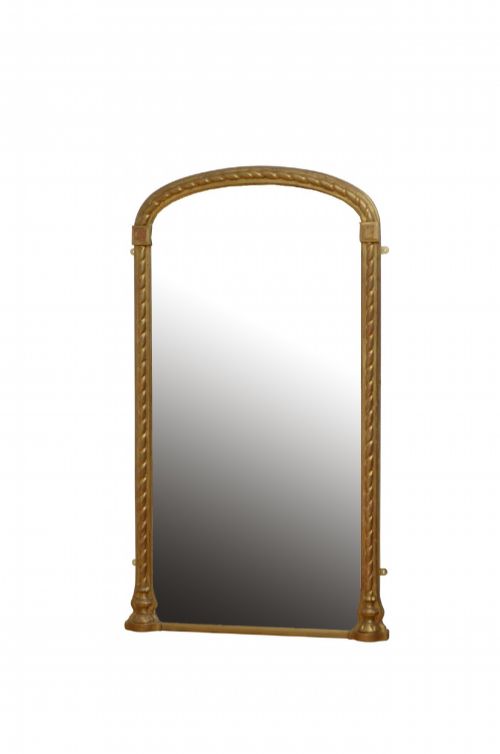
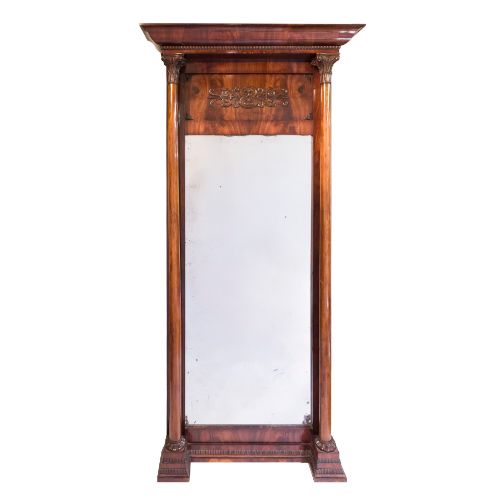
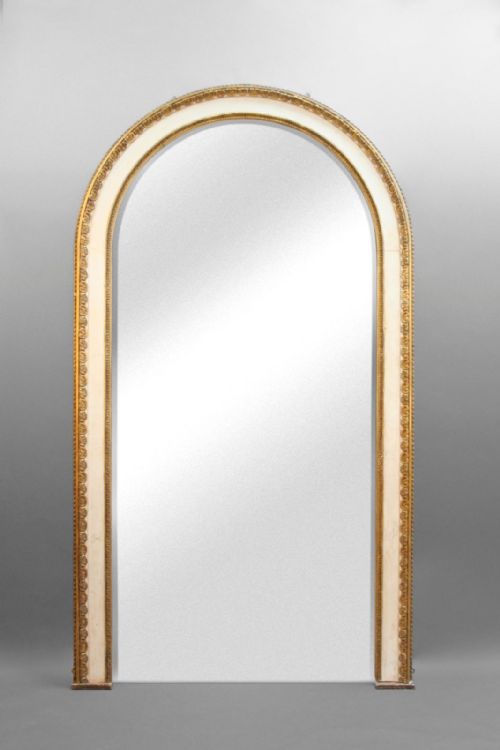
A tall hall wall mirror serves as both a functional glass for checking attire and a grand decorative element designed for narrow spaces. These vertical looking glasses occupy substantial wall area in entranceways, hallways, and reception rooms without crowding the floor plan.
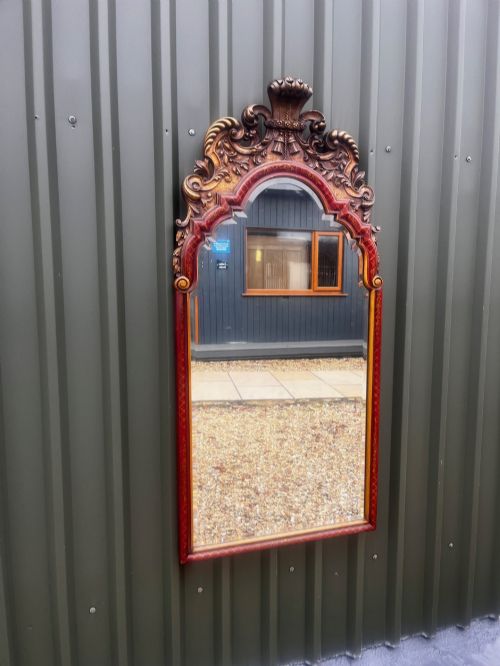
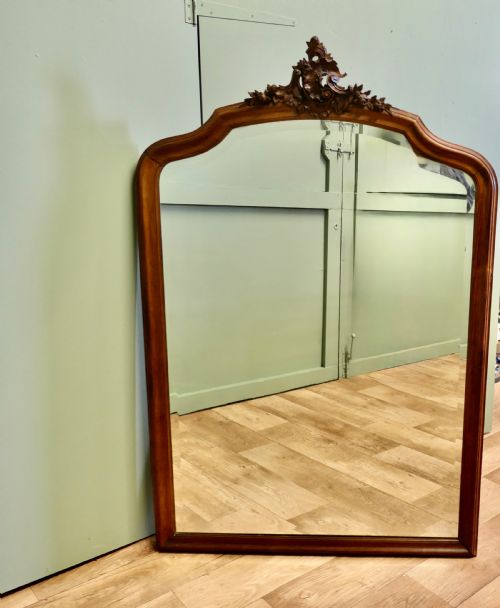
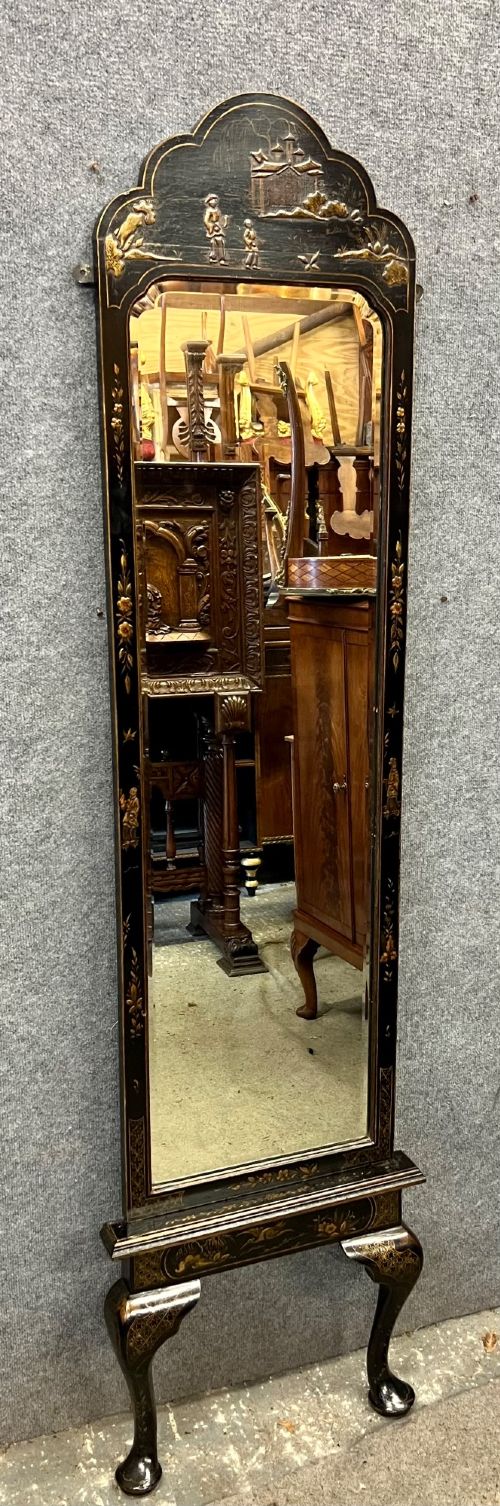
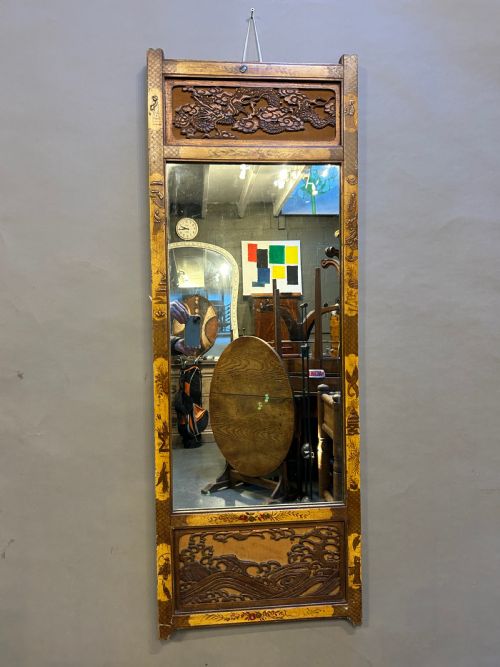
The pieces available span the nineteenth century through the early twentieth century, taking forms such as pier mirrors, console combinations, and narrow dressing mirrors. Examples emerge in styles ranging from Victorian Gothic Revival and Neoclassical to Chinoiserie and French Provincial.
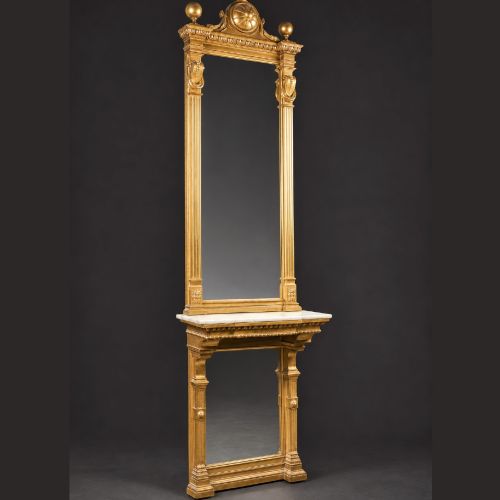
Makers and craftsmen utilised varied proportions to suit high ceilings, occasionally pairing the glass with a matching console table or marble-topped base. The resulting forms provide a striking architectural focus upon entering a home.
Materials and Construction
Frames are constructed from solid woods like mahogany, oak, walnut, chestnut, and birch, alongside softer timbers built to receive decorative surfaces. Carved details give depth to the wood, whilst other pieces employ ebonised finishes or red lacquer.
Giltwood and gesso form the basis of many gilded surfaces, where gold leaf or silver leaf is applied over moulded plaster and carved wooden armatures. Marble frequently appears on integrated console bases, adding weight and a cool tactile contrast to the timber frame.
Reflecting plates consist of glass held within rebated frames, sometimes featuring original bevelled edges that catch the light at oblique angles. Over-painted finishes and original silvering record the passage of time across the reflective surface.
Tall Hall Wall Mirror Retail Price Guide 2026
Typical asking prices for tall hall wall mirror among the pieces listed under this phrase on Sellingantiques today, from the lower quarter to the upper quarter. They describe what is for sale here now, not the wider market.
Materials recorded across the inventory include marble-topped consoles, ebonised wood frames, and carved chestnut alongside traditional gold leaf gilding.
Evaluating Quality and Execution
Depth and crispness of the carved ornamentation separate standard production from superior work. Crisp chisel marks in solid wood or finely modelled gesso relief indicate skilled handwork rather than mass-produced composition ornament.
The integration of the mirror with secondary elements, such as console tables or marble slabs, dictates the cohesion of the piece. Superior examples maintain balanced proportions where the vertical glass and the supporting base share a unified design vocabulary.
The preservation of original surfaces, whether giltwood, French polish, or painted decoration, preserves the visual integrity of the object. Retaining original bevelled glass plates adds authenticity and historical continuity to the piece.
The Tall Hall Wall Mirror Glossary
- Pier Mirror
- A tall looking glass specifically designed to hang on the wall space between windows. These mirrors often feature elongated vertical proportions to maximise light diffusion in a room.
- Gesso
- A plaster-like mixture applied to wood frames to create a smooth surface for gilding. Skilled artisans carve intricate details directly into this dried compound before applying gold leaf.
- Giltwood
- Timber that has been coated with gold leaf or gold paint. This finish reflects interior candlelight and daylight to brighten entrance halls.
- Console
- A side table designed to stand flat against a wall, frequently paired beneath tall mirrors. They often feature marble tops supported by carved wooden frames.
- Chinoiserie
- European decorative style incorporating Chinese artistic motifs and lacquer techniques. These pieces display painted scenes and exotic ornamentation.
Tall Hall Wall Mirror: Frequently Asked Questions
Where should a tall hall mirror be placed?
Position the glass opposite a doorway or window to draw maximum natural light into a narrow corridor or reception space. The vertical proportions allow it to occupy tight wall expanses effectively.
Ensure the hanging height suits both decorative balance and practical use for reflection upon entering or leaving the room.
How do I identify nineteenth-century mirrors?
Examine the construction methods visible on the reverse of the frame, including hand-cut screws, timber species, and traditional joinery. Old backing boards and hand-silvered glass plates often indicate nineteenth-century origin.
Stylistic cues such as Napoleon III detailing or Victorian proportions help narrow down the manufacturing decade alongside the physical materials.
What is a pier mirror and console?
A pier mirror and console combination consists of a vertical wall glass mounted directly above or alongside a matching table base. This pairing was traditionally designed for narrow wall spaces between architectural openings.
Marble tops and integrated woodwork unify the ensemble into a single architectural statement for grand receptions.