


Ornate Gilt Crest Mirror
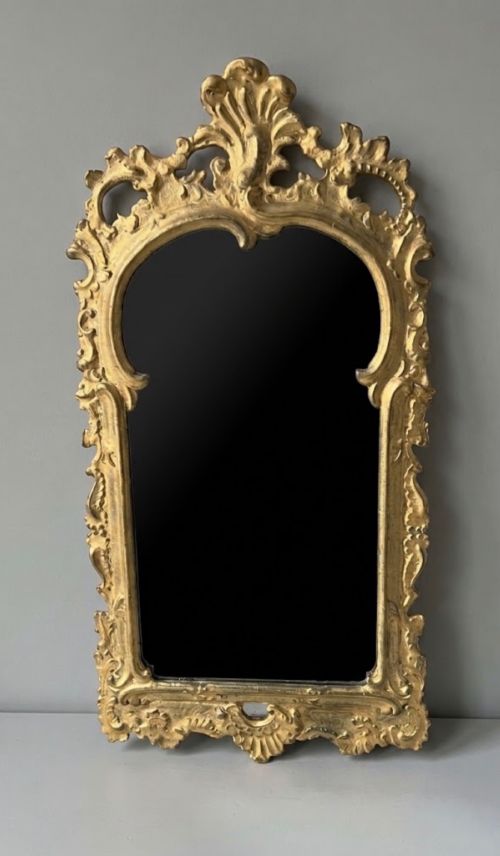
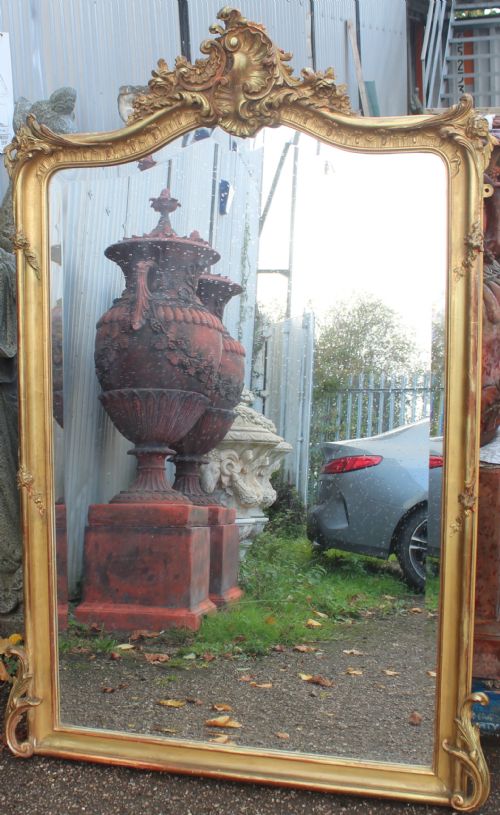
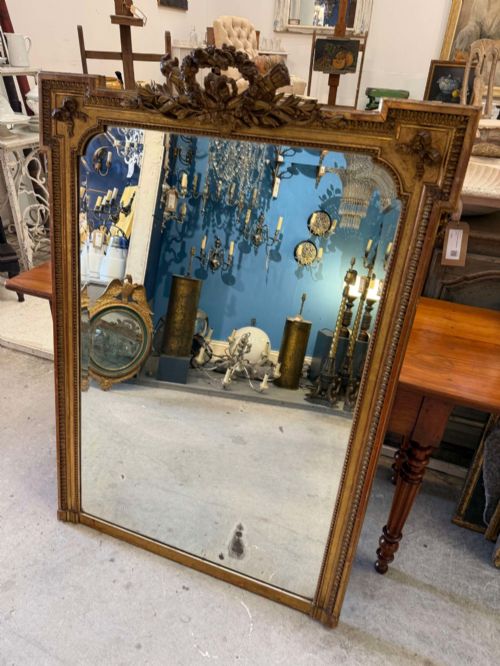
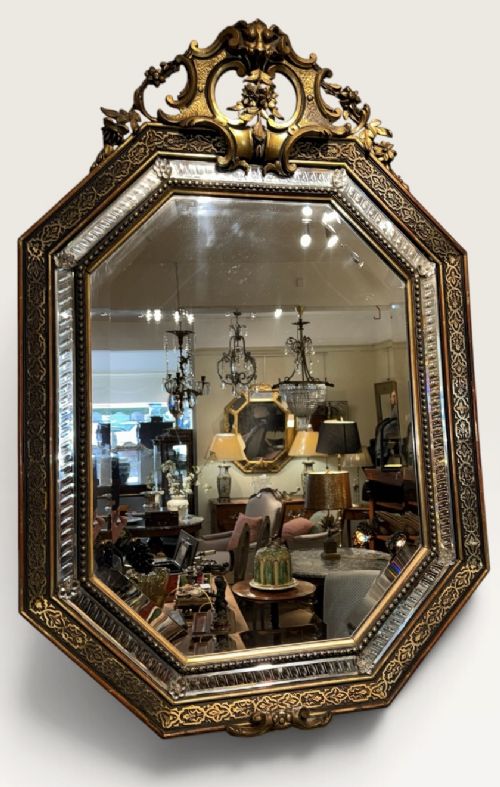
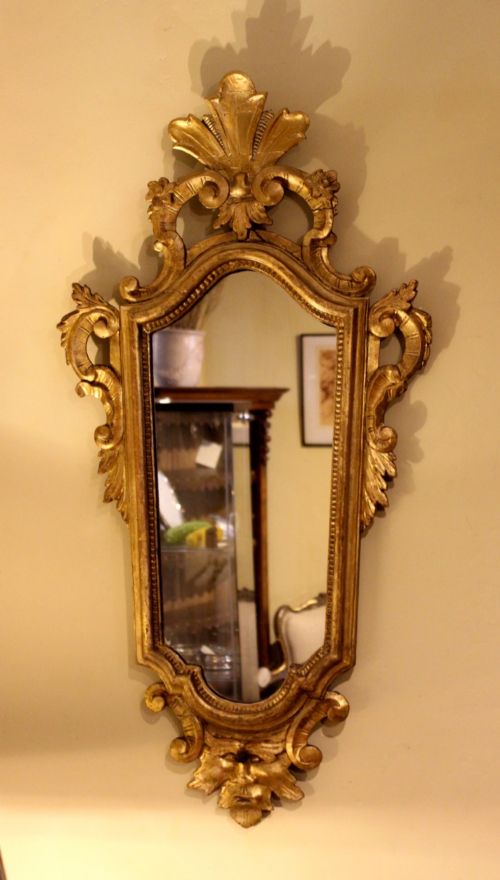
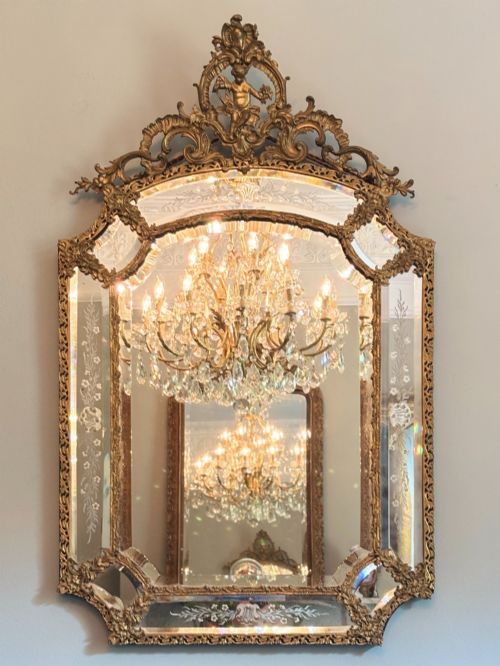
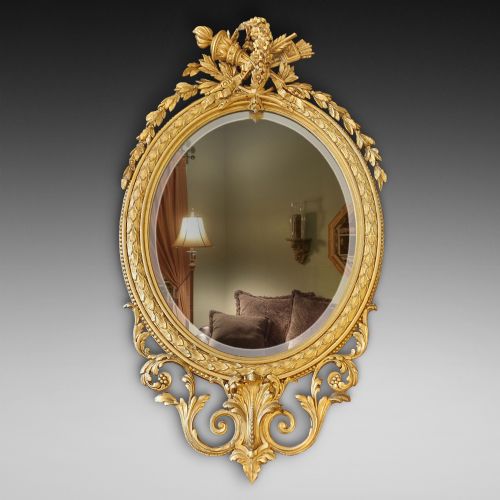
An ornate gilt crest mirror brings dramatic height and gilded reflection to a room, drawing the eye upwards with elaborate sculptural cresting.
Ornate Gilt Crest Mirror
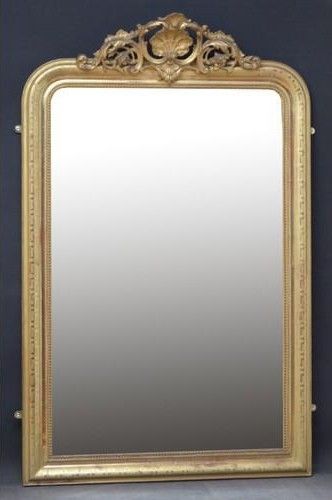
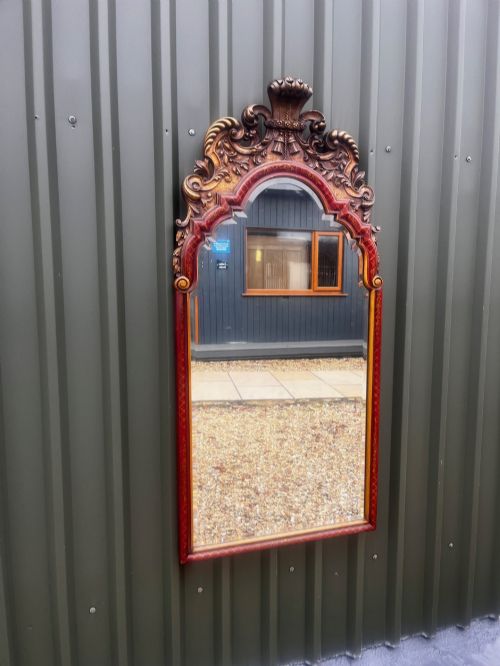
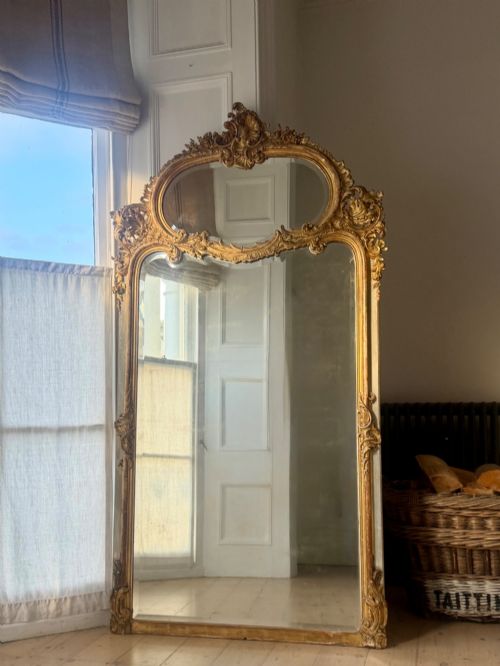
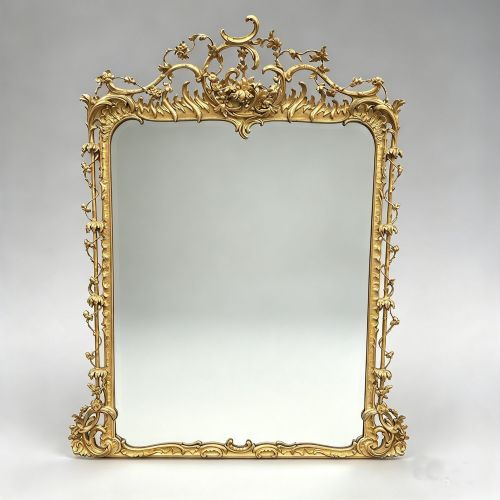
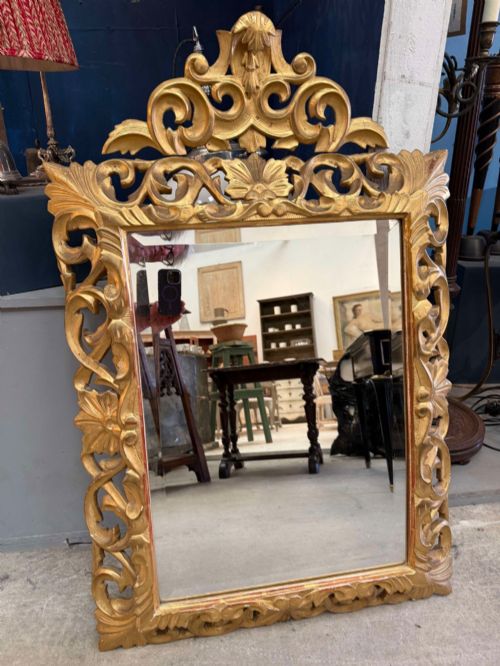
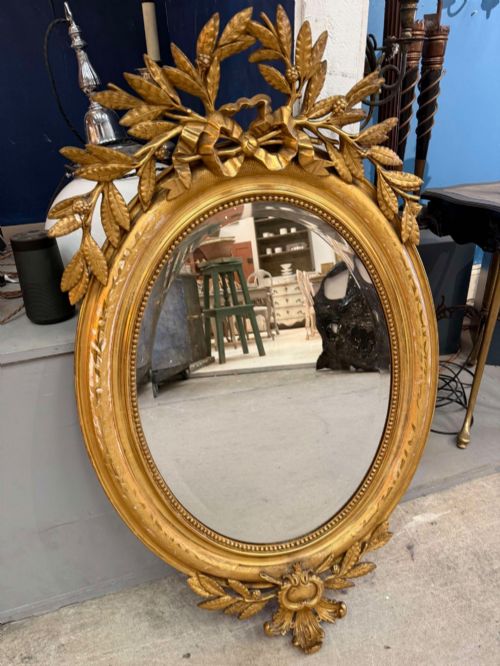
An ornate gilt crest mirror is primarily found in nineteenth-century French and English forms, spanning styles from Rococo Revival and Louis Philippe to Victorian overmantels. These pieces function as grand wall mirrors or large overmantles designed to sit above a fireplace, often featuring prominent carved cresting at the top. Buyers encounter rectangular wall formats, arched plates, and oval shapes embellished with intricate scrollwork, floral motifs, or ribbon crests.
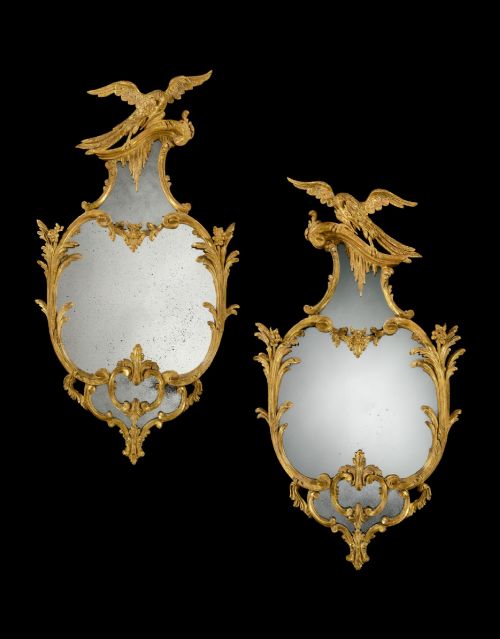
The materials shaping these objects include carved wood, gesso, composition ornaments, and mercury glass plates set within gold leaf or silver-gilt surfaces. Many examples originate from French chateaux or English period houses, presenting substantial scale and decorative presence. Surviving pieces range from eighteenth-century rococo prototypes to late nineteenth-century interpretations of earlier royal styles.
How they were made
Makers constructed the structural frames using timber, frequently applying layers of gesso and moulded composition ornament to build up intricate relief details before gilding. Gold leaf or silver-gilt was then meticulously laid over the prepared surfaces to achieve a luminous metallic sheen. Alternatively, heavy cast frames utilised gilt bronze for smaller oval or architectural formats.
Reflecting plates consisted of traditional mirror glass or early mercury glass, secured into the rabbet from the rear and held with wooden backing boards. Elaborate crests were typically carved separately or moulded in composition before being securely joined to the main frame assembly.
Ornate Gilt Crest Mirror Retail Price Guide 2026
Typical asking prices for ornate gilt crest mirror among the pieces listed under this phrase on Sellingantiques today, from the lower quarter to the upper quarter. They describe what is for sale here now, not the wider market.
Listings feature pieces spanning the eighteenth century through the Victorian era, executed in giltwood, gesso, composition, and gilt bronze.
What varies in quality
The distinction between ordinary and exceptional examples rests upon the depth and crispness of the hand-carved wooden elements versus moulded composition mass-produced details. Superior pieces display finely articulated relief work in the cresting and frame, retaining original gilding and historic mirror plates with authentic foxing or silver degradation.
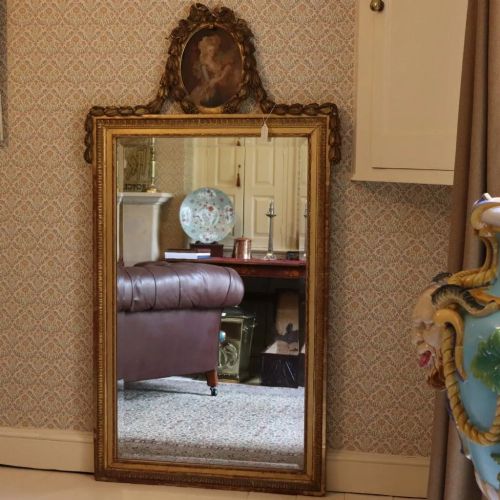
Proportion and structural integrity define the architectural harmony of the piece, particularly in large overmantels where the weight of the crest requires robust joinery. The survival of original painted panels, mercury glass plates, and untouched backboards further elevates the standing of an individual mirror.
The Ornate Gilt Crest Mirror Glossary
- Gesso
- A plaster-like mixture applied to wooden frame foundations to create a smooth surface for subsequent gilding and carving. It allows craftsmen to impress fine details into the decorative mouldings.
- Giltwood
- Timber that has been coated in gold leaf or powdered gold finish. This material forms the primary structural base for many antique wall mirrors.
- Cresting
- The decorative sculptural ornamentation fixed to the very top of a mirror frame. It provides height, visual drama, and stylistic identity to the piece.
- Mercury glass
- An early double-walled glass type blown with a silvering mixture inserted between the layers. It creates a characteristic mottled, dark reflective appearance distinctive to older plates.
- Composition
- A moulded paste mixture of whiting, resin, glue, and oil pressed into metal dies to create repeatable ornaments. It offers an efficient alternative to hand-carved wood details on complex frames.
Ornate Gilt Crest Mirror: Frequently Asked Questions
Where should an overmantel mirror hang?
An overmantel mirror traditionally sits directly above a drawing room or dining room fireplace mantelpiece, anchored securely to the wall to support its substantial weight. This placement reflects light from windows across the space and anchors the vertical proportions of the chimney breast.
Alternatively, these large frames operate effectively as standalone wall mirrors in high-ceilinged hallways or principal reception rooms, positioned at a height that allows the elaborate crest to draw the eye upward.
How do I care for antique gilt surfaces?
Preserving original giltwood and gesso surfaces requires gentle dusting with a dry, soft feather duster or an untextured microfiber cloth. Moisture and chemical cleaning solutions must be strictly avoided, as liquid can lift fragile gold leaf or soften the underlying gesso.
Positioning the piece away from direct sunlight and damp environmental conditions prevents the wood from warping and protects the delicate composition ornaments on the crest from degrading over time.
What is mercury glass?
Mercury glass refers to historic mirror plates created by pouring a liquid silvering solution between double-walled blown glass bubbles, though actual mercury was rarely used in the final composition. This method produces a deep, atmospheric reflection peppered with dark spots and natural oxidation known as foxing.
Finding an original mercury plate inside an antique frame adds historical authenticity and a softer, less clinical reflection than modern float glass provides.
How do I distinguish Rococo Revival from Louis Philippe styles?
Louis Philippe mirrors typically present clean architectural lines, rounded upper corners, and restrained beaded or leaf moulding with modest crests. Their aesthetic relies on simple elegance rather than excessive surface ornamentation.
In contrast, Rococo Revival pieces embrace asymmetrical scrollwork, C-scrolls, floral garlands, and deeply carved, flamboyant cresting that commands attention. The frame profile on a rococo example is far more sinuous and sculptural.