

Tall Giltwood Mirror
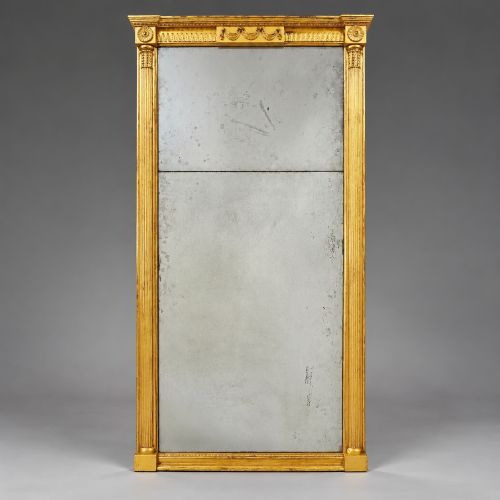
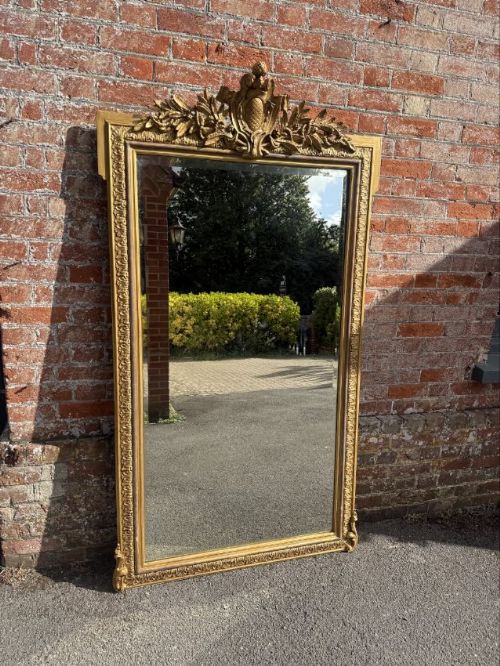
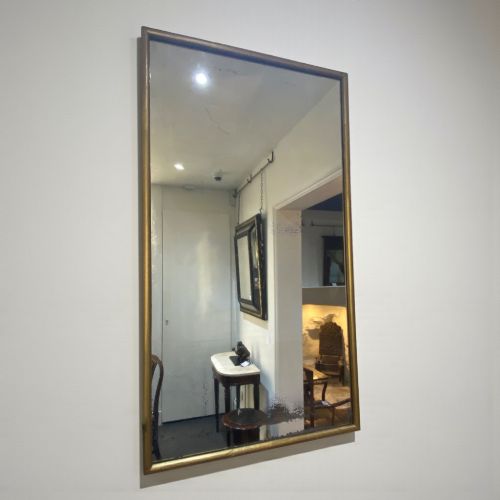
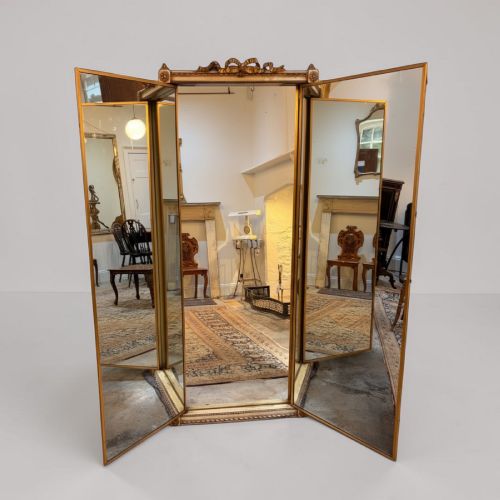
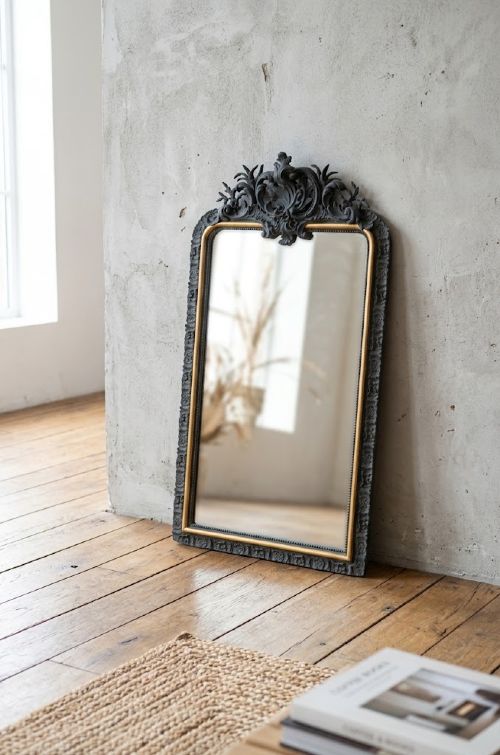
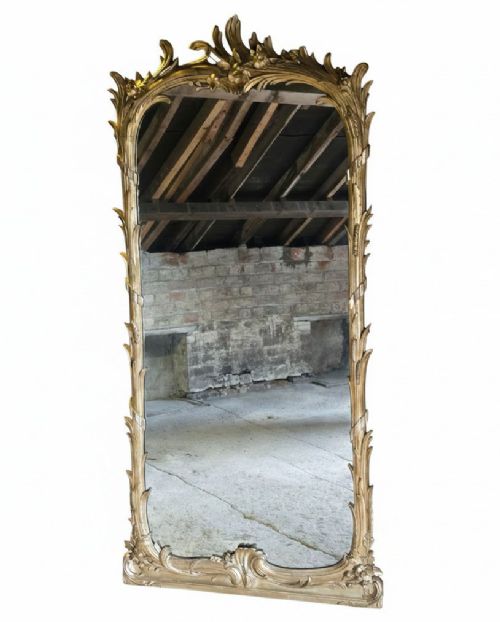
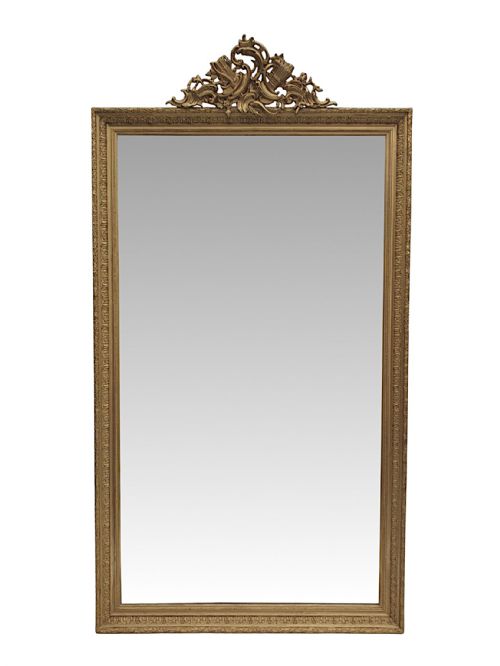
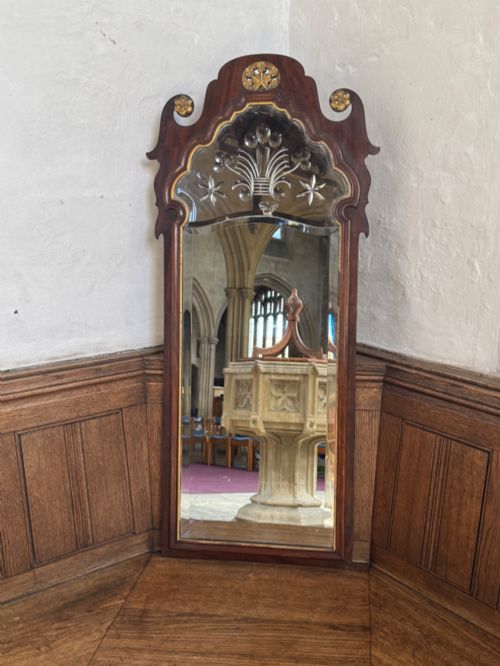
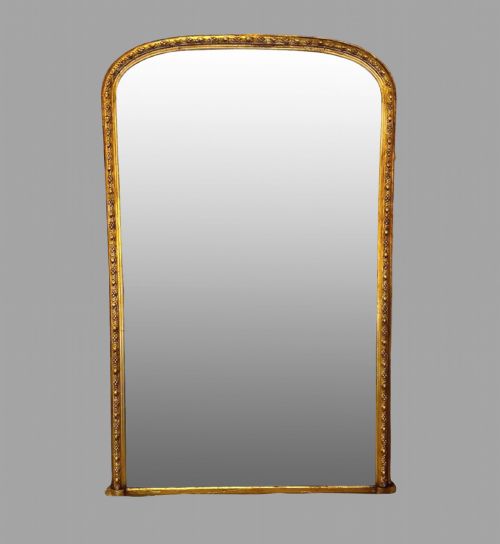
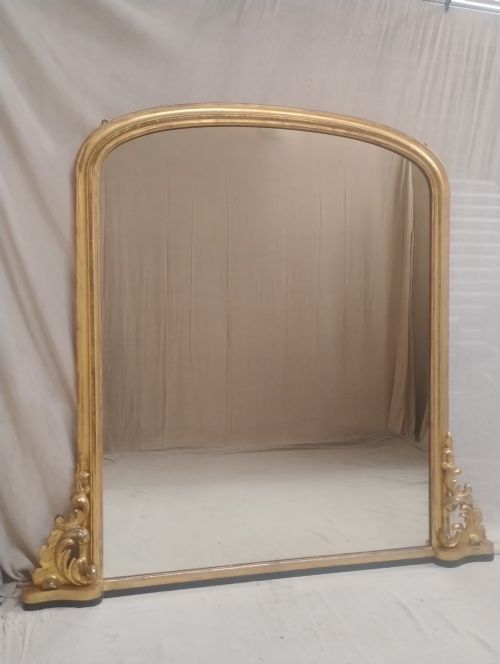
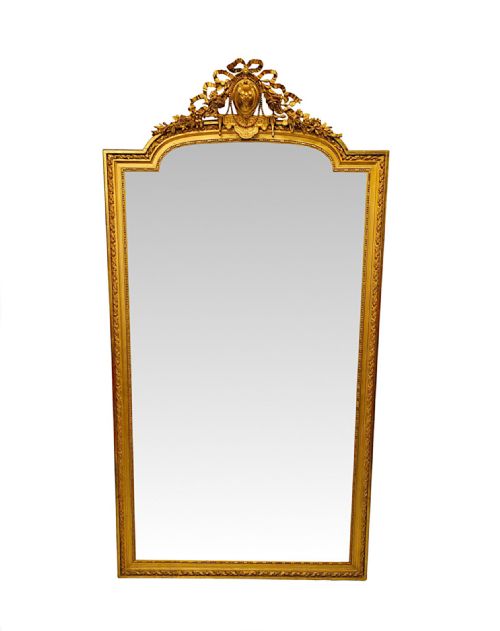
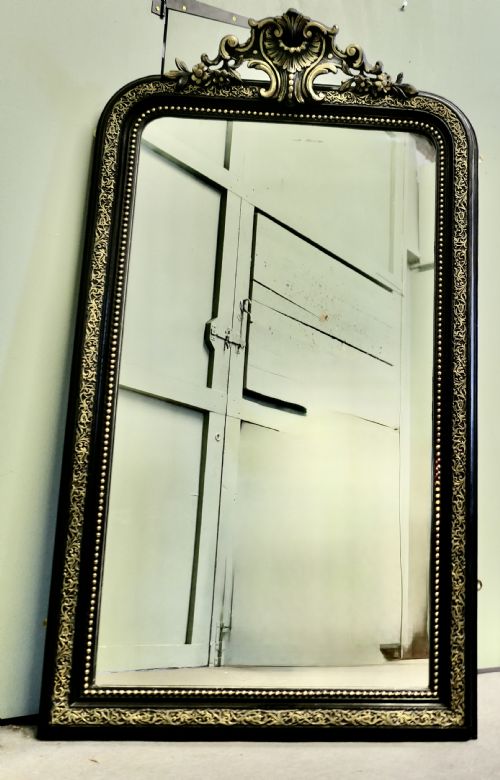
A tall giltwood mirror brings scale and reflected light to a room, drawing the eye upwards with carved wooden frames finished in gleaming gold.
Tall Giltwood Mirror
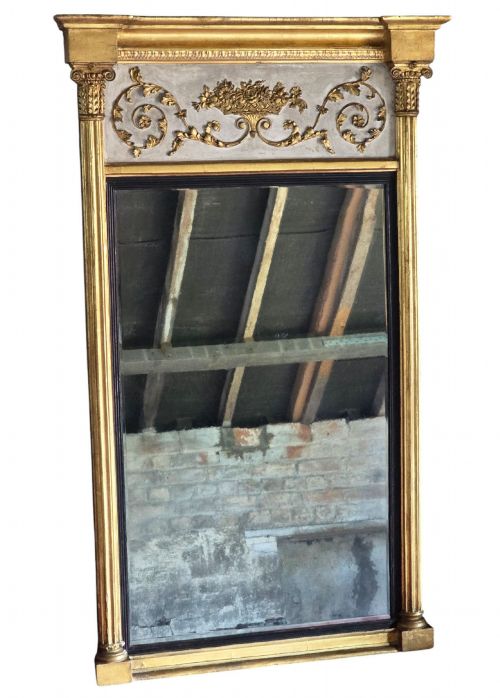
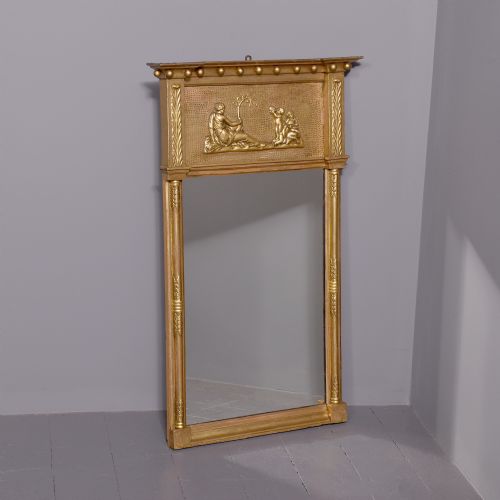
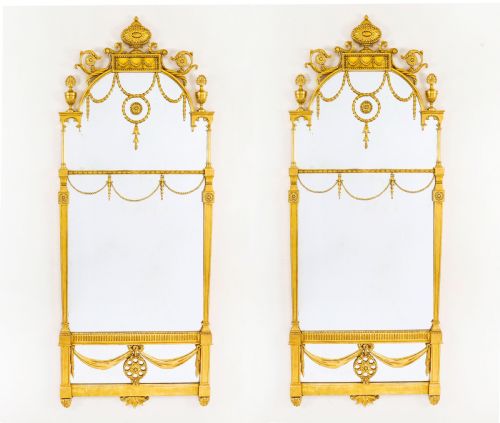
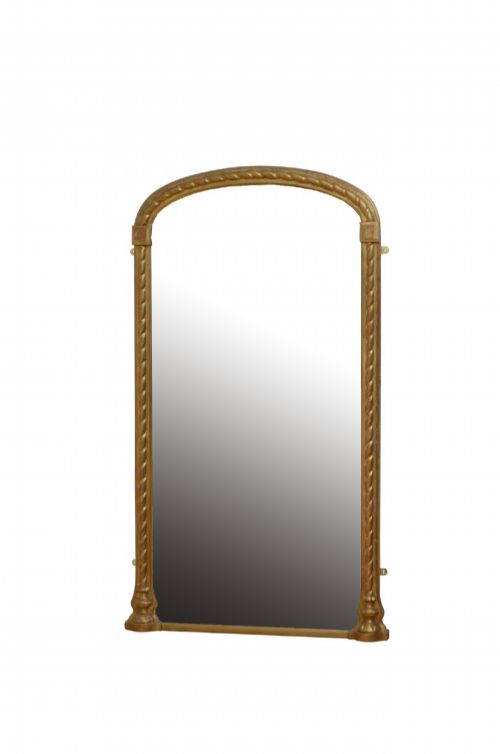
A tall giltwood mirror serves as a commanding wall feature, frequently taking the form of a pier mirror designed to hang in the narrow wall space between windows. These vertical glasses also appear as overmantel pieces positioned above fireplaces, or as substantial leaner mirrors resting against a wall.
The pieces encountered most frequently on this page originate from the nineteenth century, including Regency, Victorian, and French Empire designs, alongside earlier Georgian iterations and later twentieth-century revivals.
Makers and craftsmen constructed these tall formats to maximise daylight in high-ceilinged rooms, combining functional reflection with ornamental grandeur appropriate for principal reception rooms and halls.
Materials and construction
Woodcarvers shaped frames from timber such as pine or hardwood, applying layers of gesso to create smooth surfaces for intricate detailing before applying gold leaf or liquid gilding.
Makers incorporated composition ornament, known as compo, pressed into moulds to achieve repetitive floral or classical motifs efficiently along the taller frame mouldings.
Reflecting surfaces consist of traditional mercury glass in eighteenth-century examples, alongside later float glass and original bevelled plates held securely within the timber rebate.
Frame constructions utilise carved wood, gesso, and composition ornament finished in gold leaf or painted wood surfaces.
The markers of quality
The crispness of the hand-carved wooden ornament and the depth of the gesso relief distinguish superior examples from simpler moulded pieces, as skilled hands produce sharper botanical and classical details.
The integrity of the original gilding and the retention of early mirrored plates with natural foxing or original bevels hold greater appeal than modern replacement glass and re-gilt surfaces.
Proportion and scale dictate the visual balance of a tall frame, where harmonious classical columns, rope carvings, or arched crestings demonstrate the design confidence of the period.
John Belchier
The Tall Giltwood Mirror Glossary
- Giltwood
- Timber carved and coated with gold leaf or metal powder. This surface finish defines the golden glow characteristic of these frames.
- Gesso
- A mixture of plaster of Paris and gluebinder applied to wood frames. It provides a smooth base for subsequent gilding and low-relief carving.
- Pier glass
- A tall mirror specifically proportioned to hang on the wall space between two windows. These mirrors often stood above matching pier tables.
- Overmantel mirror
- A wide or tall mirror manufactured to sit directly upon a mantelpiece above a fireplace. They frequently span the width of the fireplace opening.
- Composition
- A moulded mixture of whiting, resin, and glue used for decorative details. Craftsmen pressed this material into relief ornaments before it set hard.
- Mercury glass
- An early form of double-walled glass silvered with a mercury amalgam. It produces a characteristic mottled reflection due to age.
Tall Giltwood Mirror: Frequently Asked Questions
Where should I hang a tall giltwood mirror?
Position a tall giltwood mirror in a hallway, above a drawing room fireplace, or on a narrow wall between large windows to bounce natural light around the interior.
Ensure the wall fixings are robust enough to support the substantial combined weight of the timber frame and thick glass plate.
How do I identify a Regency period mirror?
Regency mirrors often incorporate classical architectural motifs such as ebonised reeded slips, ball-bearing friezes, and Egyptian revival columns.
The framing timber and construction methods visible on the reverse help confirm the early nineteenth-century origin.
Are the mirror plates original?
Original plates frequently display light oxidisation, small dark spots known as foxing, or hand-bebevelled edges consistent with period manufacturing techniques.
Replacement glass tends to appear entirely clear and uniform without the subtle distortions of antique float or cylinder glass.
How do I care for antique giltwood?
Dust the carved frame gently with a dry, soft brush and avoid using liquid cleaners or chemical polishes that can lift the delicate gold leaf.
Keep the mirror away from direct sunlight and damp environments to protect the underlying gesso and wood structure.