





Tall Gilded Column Stand
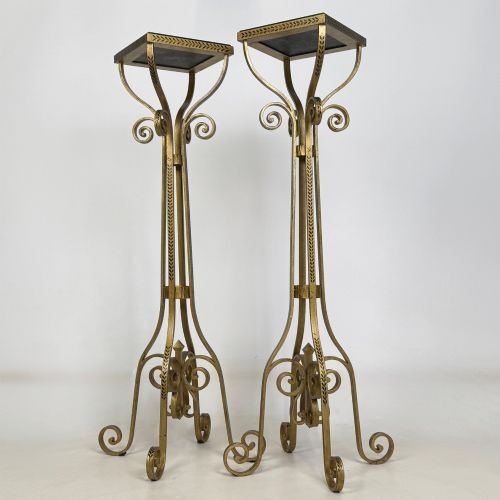
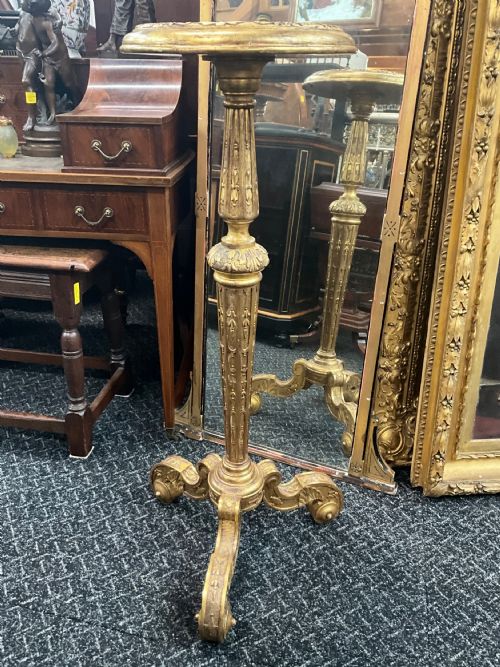
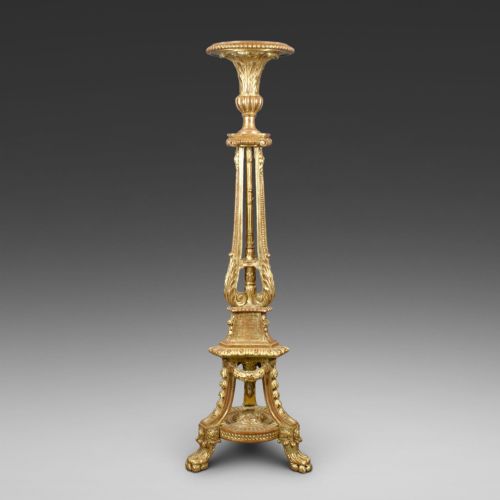
A tall gilded column stand lifts a vase, bust or lamp into the room with vertical authority, bringing neoclassical symmetry to a corner.
Tall Gilded Column Stand
When you search for a tall gilded column stand, you encounter pieces designed to elevate objects of importance within a reception room or hall. These include torcheres, pedestals, plant stands, and standard lamps spanning the Regency, Victorian, Edwardian, and twentieth-century eras.
The most common forms on this page are torcheres and pedestals that adopt neoclassical, Victorian classical revival, and French neoclassical styles. You also meet occasional tables, plant stands, and standard lamps that share the characteristic vertical column format.
Origins stretch across English workshops, Swedish cabinetmakers, and continental European makers embracing Venetian Baroque and French Chateau idioms. Whether carved in the eighteenth-century style or built around eighteen-seventy, these pieces utilise height to command spatial presence.
How they were made
Makers shaped these tall column stands from carved wood, gesso, and giltwood, applying gold leaf to create luminous reflective surfaces. Some examples incorporate marble tops or structural elements of gilt bronze and gilded iron.
Techniques relied on heavy timber carving finished with intricate gesso ornamentation before gilding. Painted surfaces appear on Swedish occasional pieces, combining neoclassical design with lighter polychrome treatments.
Tall Gilded Column Stand Retail Price Guide 2026
Typical asking prices for tall gilded column stand among the pieces listed under this phrase on Sellingantiques today, from the lower quarter to the upper quarter. They describe what is for sale here now, not the wider market.
Materials recorded across the inventory include marble, gesso, giltwood, gold leaf, carved wood, gilt bronze, and gilded iron.
What varies in quality
The distinction between ordinary and exceptional stands lies in the crispness of the carved wood and the depth of the gesso relief work. Superior examples display sharply defined acanthus leaves, fluting, and figural details that hold their definition beneath layers of gold leaf.
Materials dictate presence, with heavy marble tops and solid gilt bronze components representing more ambitious construction than lighter decorative equivalents. The handling of the gilding itself determines whether the surface catches light with warmth or appears flat.
The Tall Gilded Column Stand Glossary
- Torchere
- A tall stand designed to hold a light source, candle, or decorative object. These pieces frequently feature slender columns and ornate gilt surfaces.
- Gesso
- A plaster-like mixture applied to wood surfaces as a base for carving and gilding. It allows for crisp, intricate relief decoration before gold leaf application.
- Neoclassical
- A revival style drawing inspiration from classical Greece and Rome. It emphasises symmetry, columns, urn motifs, and restrained classical proportions.
- Giltwood
- Timber coated with gold leaf or gold paint. This finish provides the characteristic metallic brilliance seen across these columns.
- Pedestal
- A structural support block or column for a bust, vase, or sculpture. It raises the displayed object to eye level.
Tall Gilded Column Stand: Frequently Asked Questions
Where should I place a tall column stand?
These pieces excel in empty corners, flanking doorways, or anchoring the space between windows where architectural height is needed. Their vertical nature draws the eye upward without consuming valuable floor space.
Ensure the stand sits on level flooring away from heavy foot traffic to protect the supporting column and any displayed object.
How do I care for giltwood surfaces?
Giltwood requires gentle treatment using a dry, soft feather duster to remove surface dust without disturbing the delicate gold leaf. Avoid liquid cleaners, polishes, or abrasive cloths that can strip the underlying gesso and metallic finish.
Keep the stand away from direct sunlight and damp environments to preserve the integrity of the wood and the gilding.
How can I tell a Regency piece from a Victorian one?
Regency stands often display strict neoclassical austerity, drawing directly from ancient Greek and Roman archetypes with clean lines and restrained ornamentation. They prioritize classical symmetry and formal architectural vocabulary.
Victorian pieces frequently embrace revivalism with heavier, more exuberant carving, richer surface relief, and eclectic influences ranging from French Chateau to classical revival.