

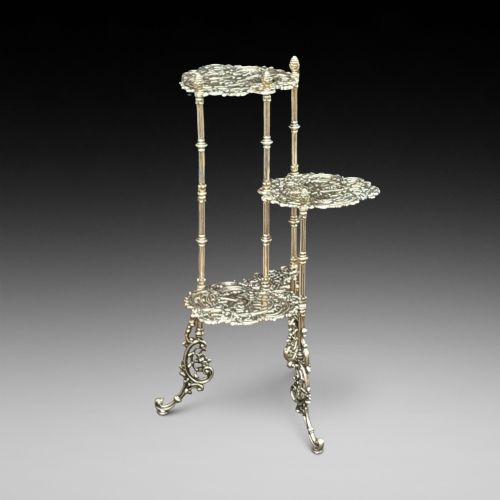
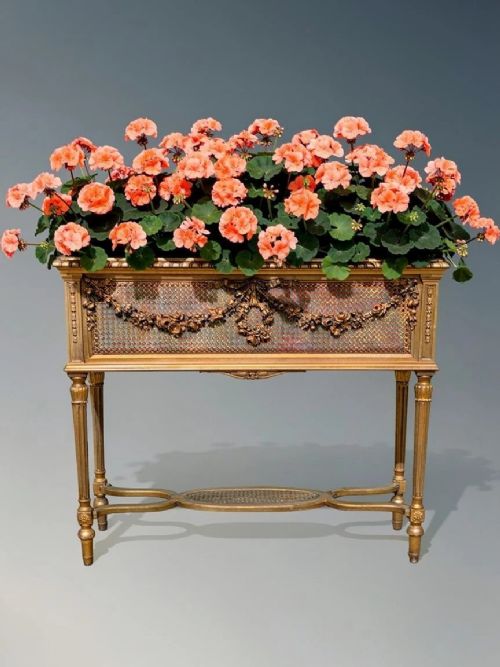


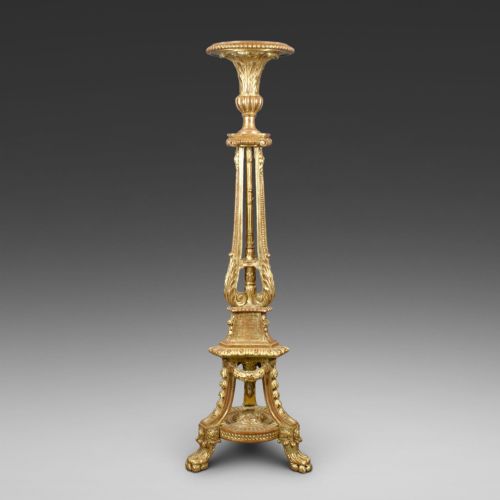
Ornate Gold Plant Stand
These ornate gold plant stand examples bring gilded height and classical form into your rooms.
Ornate Gold Plant Stand
An ornate gold plant stand elevates greenery or urns upon decorative pedestals, torcheres, and occasional tables. Collectors find pieces spanning the nineteenth century up through the nineteen-thirties, drawing on French Chateau, Louis XVI, Venetian Revival, Neoclassical, Regency, Italian Rococo, and Gothic Revival styles.
You are most likely to encounter giltwood pedestals and brass stands featuring carved details or painted surfaces. Forms range from tall torcheres to smaller jardinieres and pedestal tables designed to hold plants or decorative objects in reception rooms and halls.
Materials and construction
Maker construction relies heavily on giltwood, gesso, and gold leaf applied to carved wooden frames, alongside cast brass and painted finishes. Some examples incorporate contrasting panels of marble or onyx into the tops, while others utilise cane for textural detail.
The joinery and carving reflect historical revivals, employing hand-carved woodwork for Italian Rococo and Neoclassical frames, and metal casting for Gothic style brass stands and urns.
Ornate Gold Plant Stand Retail Price Guide 2026
Typical asking prices for ornate gold plant stand among the pieces listed under this phrase on Sellingantiques today, from the lower quarter to the upper quarter. They describe what is for sale here now, not the wider market.
The listings on this site feature materials including giltwood, brass, marble, onyx, and cane across items dated from the nineteenth century to nineteen-thirty.
What separates the best pieces
Quality rests upon the crispness of the carving in the giltwood and the depth of the gold leaf application. Finer examples display meticulous chisel work on brass and deeply articulated organic motifs rather than flat, moulded surfaces.
The integrity of the underlying structure, whether carved wood or cast metal, determines the piece's stability and longevity. Superior items retain their original gilded surfaces with harmonious ageing across the ornament.
The Ornate Gold Plant Stand Glossary
- Giltwood
- Timber surfaces coated with gold leaf or powder. This finish gives these stands their characteristic luminous glow.
- Torchere
- A tall, slender stand designed to hold a light or plant. These pieces provide vertical emphasis in a room.
- Jardiniere
- An ornamental receptacle for holding plants or flowers. They often sit atop pedestals or function as standalone side tables.
- Gesso
- A plaster-like material applied to wood before gilding. It provides a smooth base for intricate carved details.
Ornate Gold Plant Stand: Frequently Asked Questions
Where should I place an ornate gold plant stand?
These stands suit corners, hallways, and drawing rooms where vertical height adds balance to furniture layouts. They frame doorways or sit beside seating areas to support trailing plants.
Ensure the floor is level so that tall torcheres or pedestals remain stable. Keep them out of direct, harsh sunlight to protect the gilded and painted finishes over time.
Can these stands support heavy plants and pots?
Most pieces accommodate standard decorative pots, urns, or jardinieres comfortably. Solid wood and cast brass frames offer robust support for substantial floral arrangements.
Check the weight distribution on smaller occasional tables or cane-inserted tops. Very heavy stone planters require sturdy pedestals rather than delicate revival side tables.
How can I tell different revival styles apart?
Gothic Revival pieces utilise cast brass with pointed arch motifs and architectural detailing. Louis XVI and Italian Rococo styles showcase flowing carved scrolls, acanthus leaves, and giltwood frames.
Neoclassical stands favour straight fluted lines and classical urn shapes. Observing the decorative motifs helps identify whether a piece leans toward French Chateau or Venetian Revival aesthetics.