

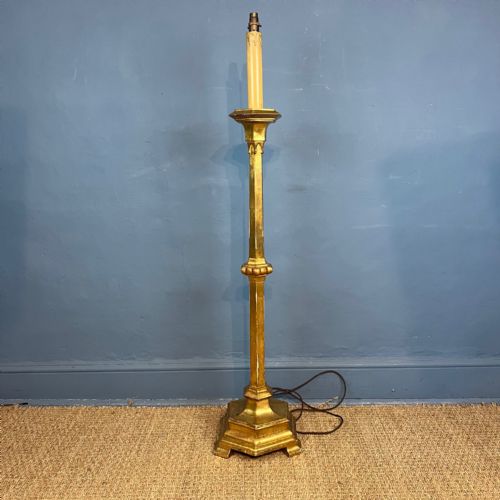
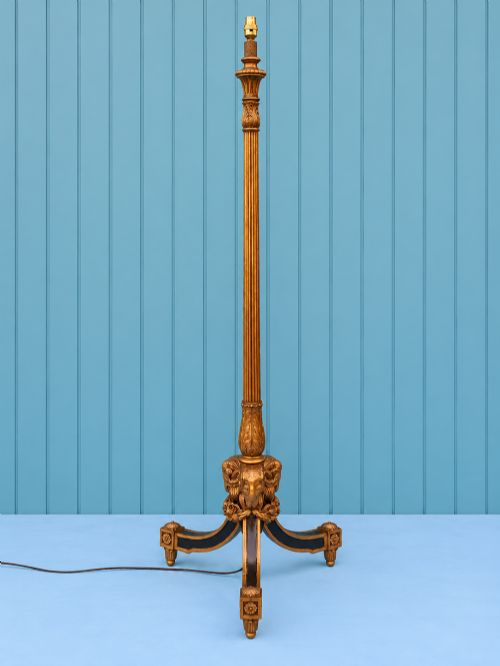
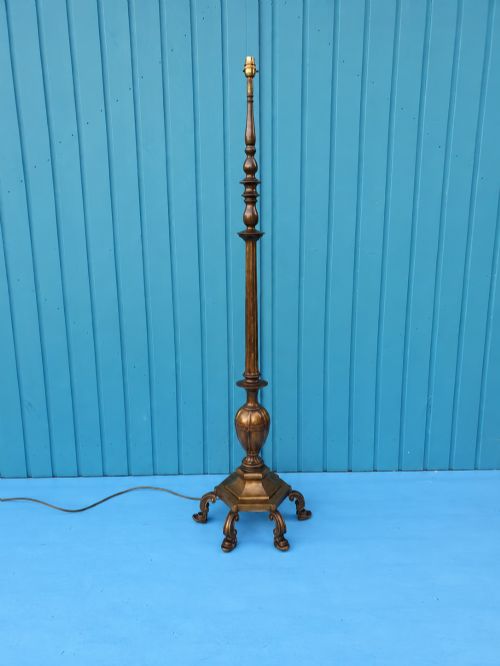
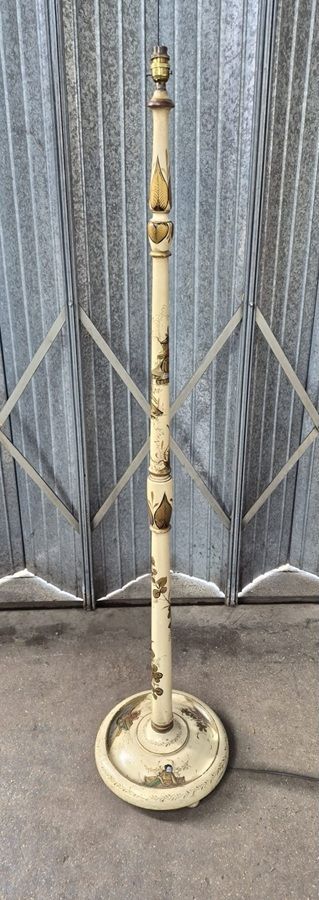
Tall Floor Lighting
Tall floor lighting brings vertical illumination and presence to a room, spanning weighty brass standards to carved wooden torcheres.
Tall Floor Lighting
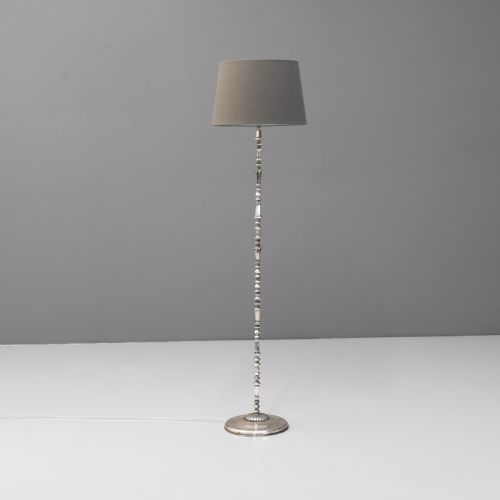
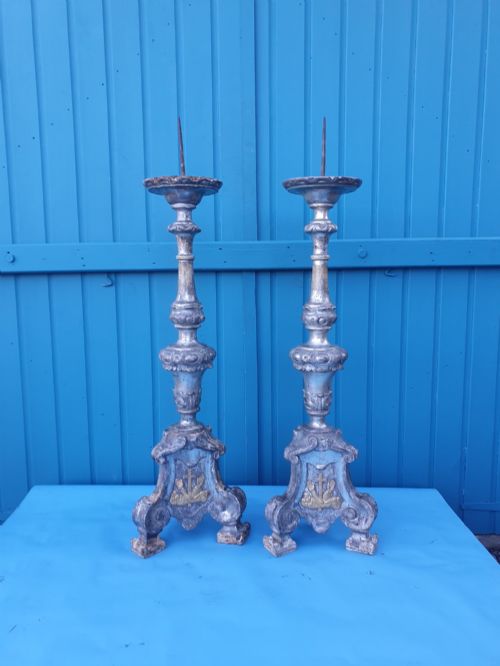
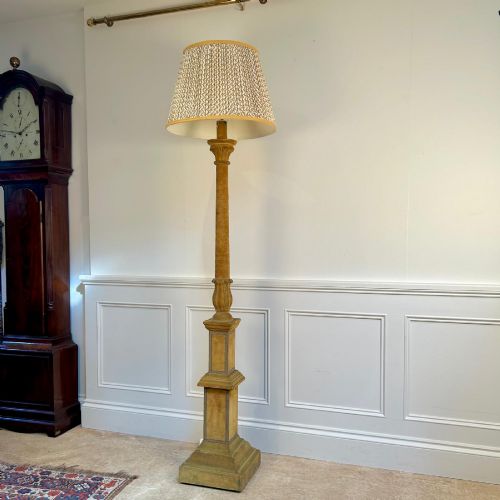
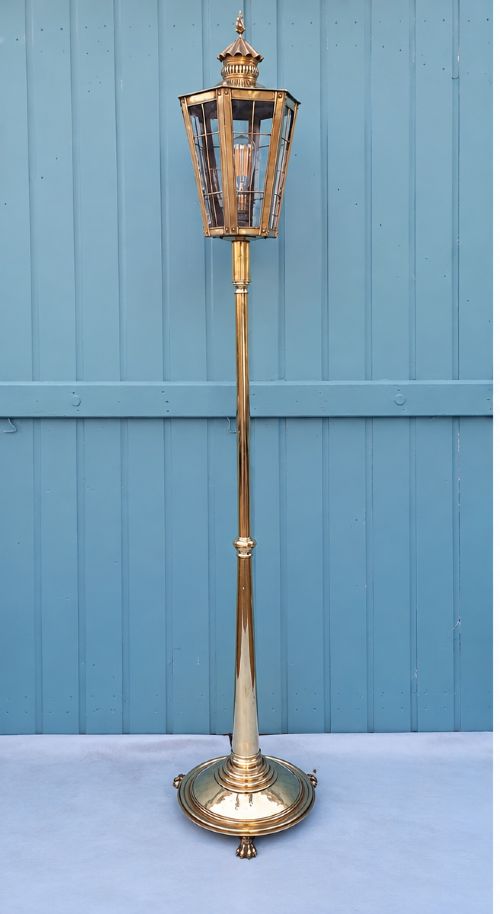
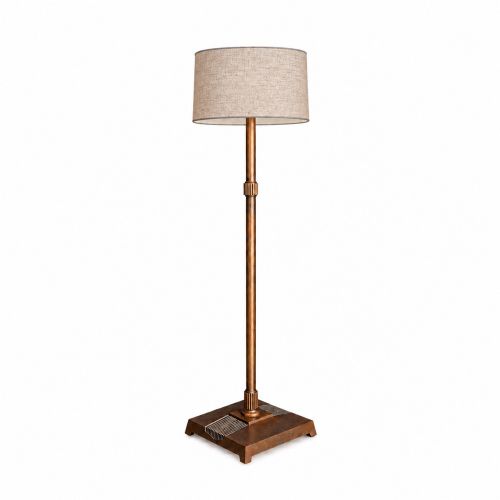
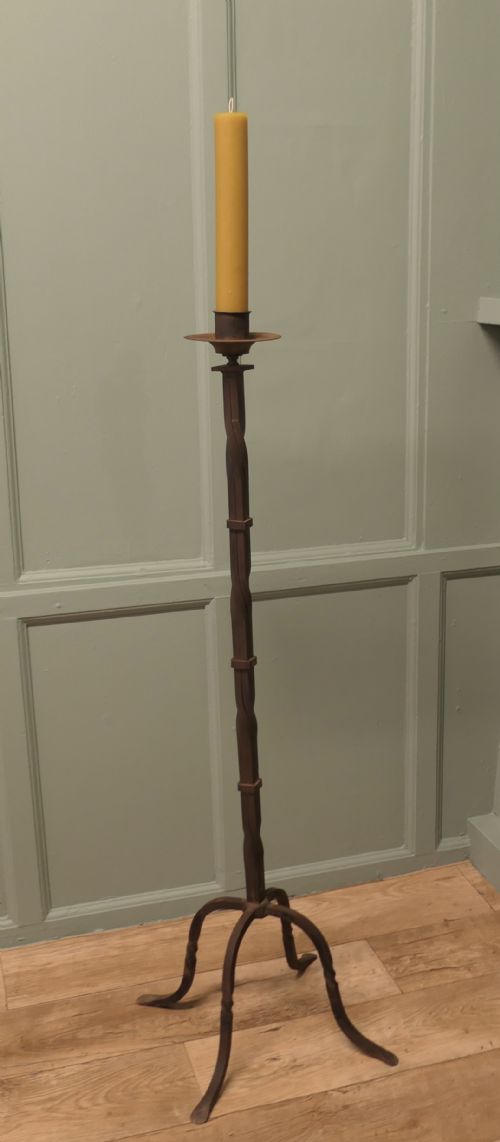
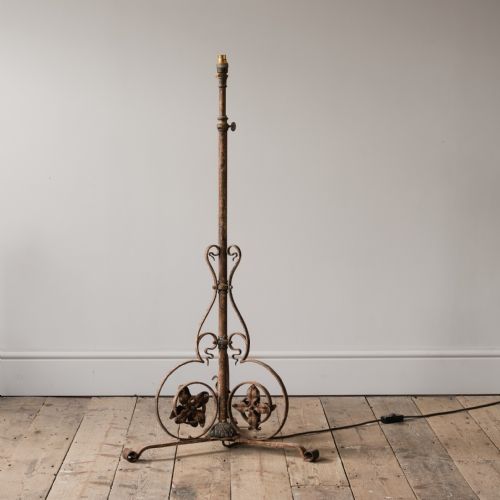
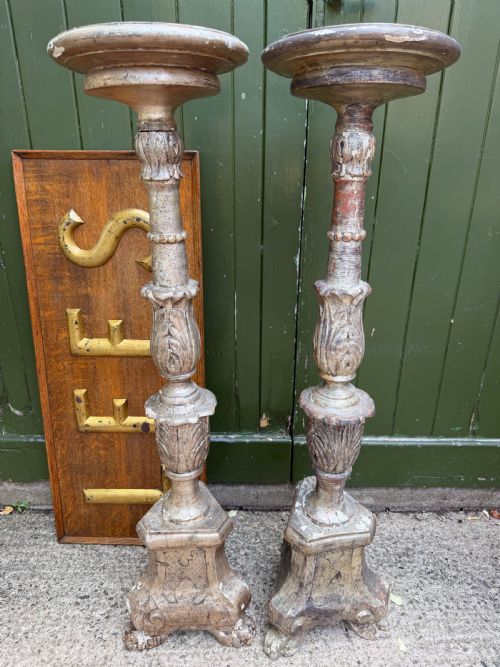
Tall floor lighting encompasses standard lamps, floor candlesticks, torcheres, and multi-candle stands designed to illuminate rooms from an elevated vertical position. When exploring tall floor lighting, buyers frequently encounter heavy brass columns, carved wooden standards, and wrought iron candle stands dating from the eighteenth century through the mid-twentieth century.
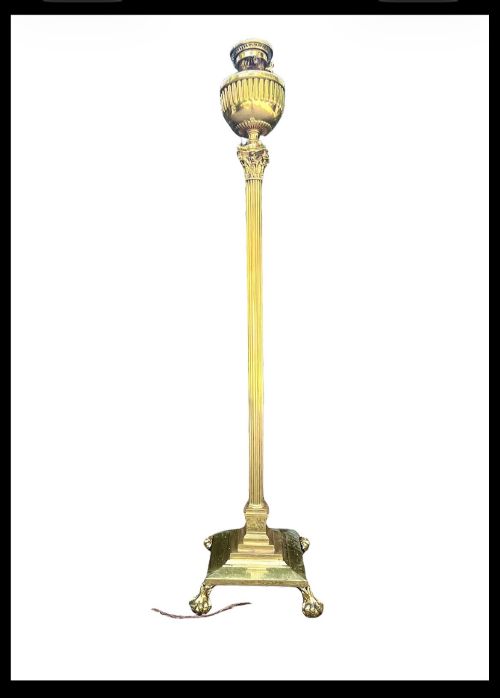
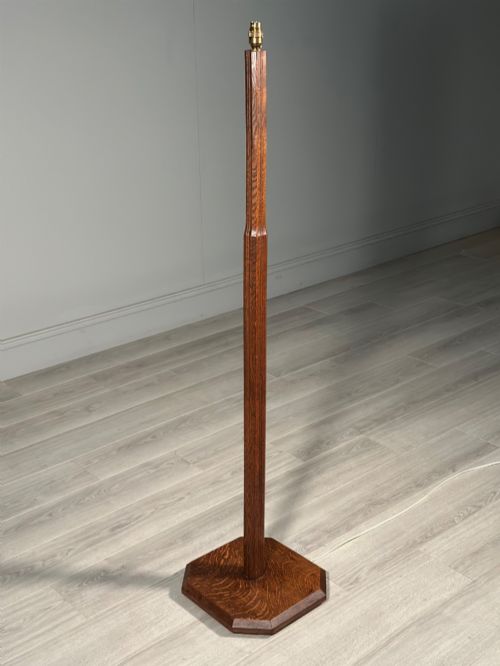
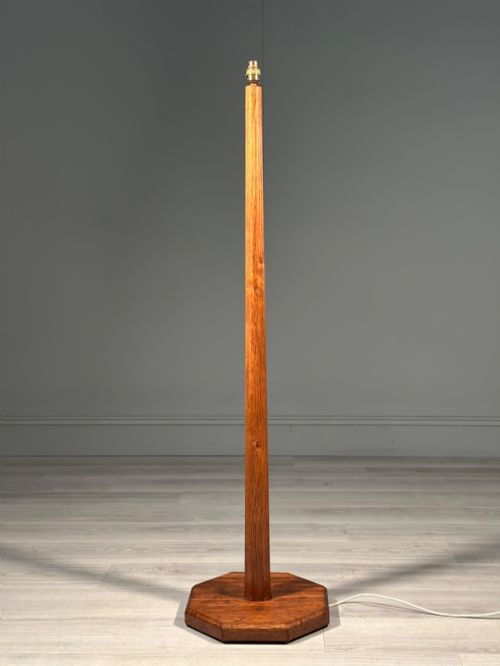
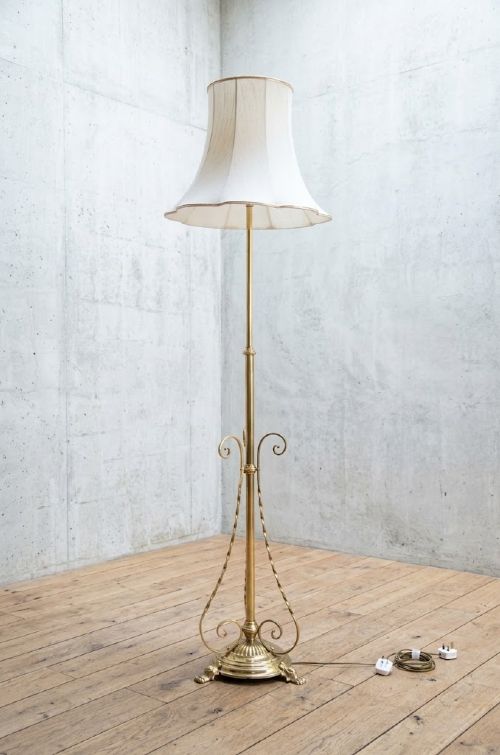
The selection ranges from Victorian Corinthian brass columns and Edwardian chinoiserie standards to Art Deco designs and Arts and Crafts oak floor lamps. Formats shift between electrical illumination and traditional candleholders, with many pieces featuring adjustable stems or tripod bases.
How they were made
Makers constructed these tall pieces using cast and turned brass, wrought iron hammered by blacksmiths, and carved timbers such as oak, walnut, and pinewood. Surface treatments involve gesso, giltwood, silvering, and black lacquer, sometimes paired with fabric elements.
Many metal examples integrate adjustable mechanisms allowing height regulation, while wooden standards rely on solid turned shafts mounted on tripod or circular weighted bases to ensure stability at height.
Tall Floor Lighting Retail Price Guide 2026
Typical asking prices for tall floor lighting among the pieces listed under this phrase on Sellingantiques today, from the lower quarter to the upper quarter. They describe what is for sale here now, not the wider market.
What varies in quality
Quality rests in the integrity of the materials and the precision of the construction, visible in the depth of hand-carved wood detailing or the substantial gauge of cast brass and wrought iron. Heavy, stable bases and well-engineered adjustable stems distinguish superior standard lamps from lighter, purely decorative alternatives.
The sophistication of the surface finish - whether complex Chinoiserie lacquer, crisp neoclassical casting, or refined blacksmith forging - determines the visual distinction of the piece.
Arthur Reynolds·Maison Bagues·Harry and Lou Epstein
The Tall Floor Lighting Glossary
- Torchere
- A tall ornamental stand designed to support a light or candle. These pieces often feature carved wood or gilt surfaces.
- Standard lamp
- A freestanding floor lamp used for interior illumination. They typically feature a vertical wooden or metal column.
- Candelabrum
- A large branched candlestick or holder for multiple candles. Floor versions provide architectural vertical presence.
- Bouillotte
- A type of adjustable lamp originally designed for card games. They often incorporate twin candle configurations or shade mechanisms.
- Giltwood
- Wood coated with gold leaf or a thin layer of gold paint. This finish appears frequently on baroque and neoclassical stands.
Tall Floor Lighting: Frequently Asked Questions
What is a standard lamp?
A standard lamp is a freestanding vertical light fixture designed to stand on the floor. These pieces provide ambient or task illumination without requiring table space.
They appear in various materials including brass, carved wood, and wrought iron across multiple historical periods.
How do torcheres differ from floor lamps?
Torcheres originally functioned as elevated candle stands before adapting to electricity. They tend to be highly decorative and architectural in form.
Standard lamps generally support electrical fittings and shades designed to cast light downward or outward into a room.
Where should I place a tall floor light?
These tall fixtures suit corners, seating groups, and empty wall spaces where vertical height adds proportion to a room. Their elevated stature draws the eye upward.
Adjustable variants work well beside reading chairs where direct illumination is required.
How do I identify the period of a standard lamp?
Dating relies on stylistic clues such as Victorian Corinthian capitals, Arts and Crafts oak construction, or Art Deco geometric forms. Materials and manufacturing techniques also indicate the era.
Turned woodwork and cast metal methods evolved significantly between the eighteenth and mid-twentieth centuries.