



Tall Column Table Light
A tall column table light brings height and architectural presence to a room, turning practical illumination into a striking vertical focal point.
Tall Column Table Light
A tall column table light draws the eye upward through structured vertical forms derived from classical architecture and traditional lighting. When searching for a tall column table light, buyers encounter pieces rooted in historical design traditions spanning several centuries.
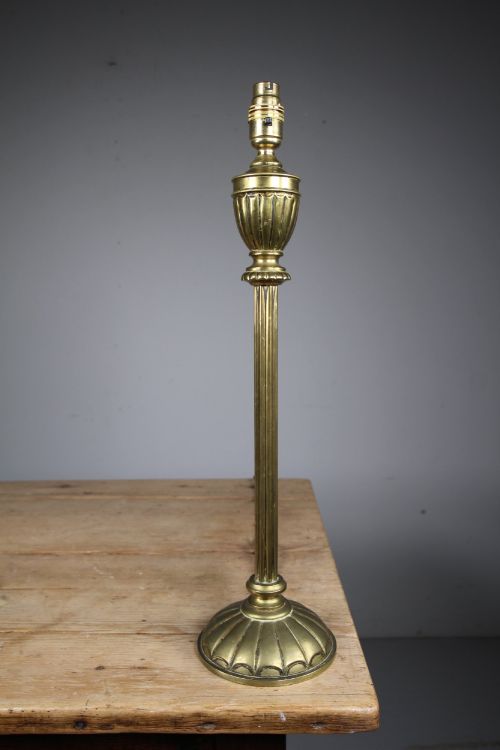
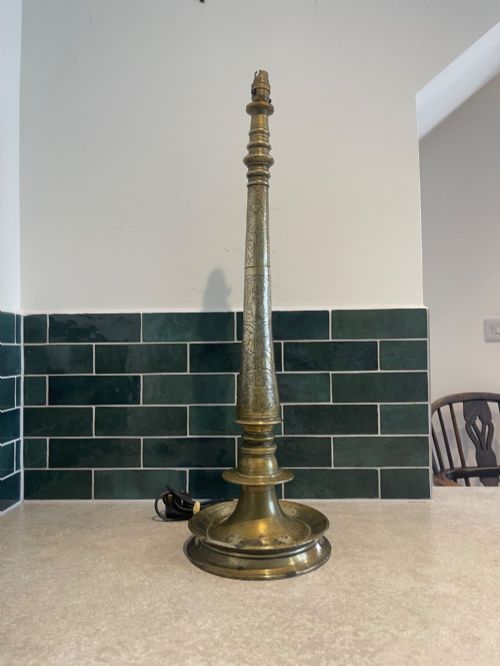
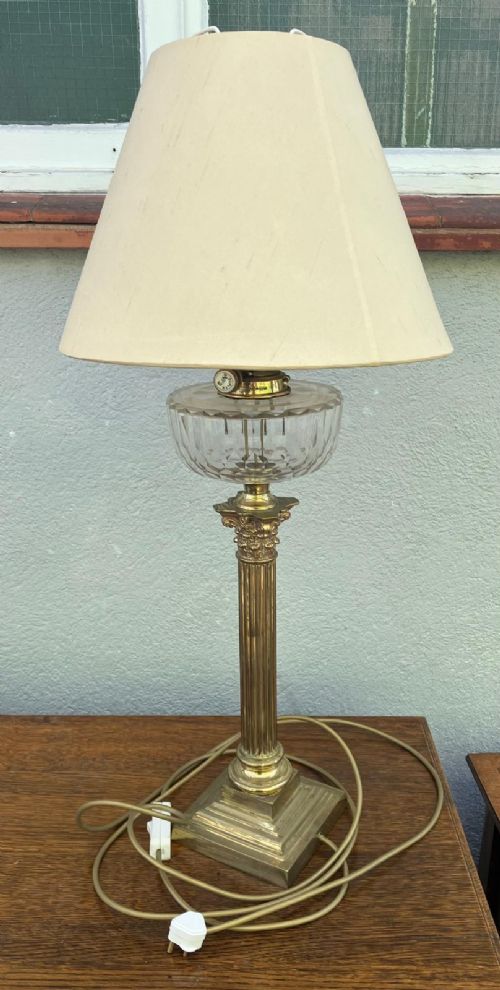
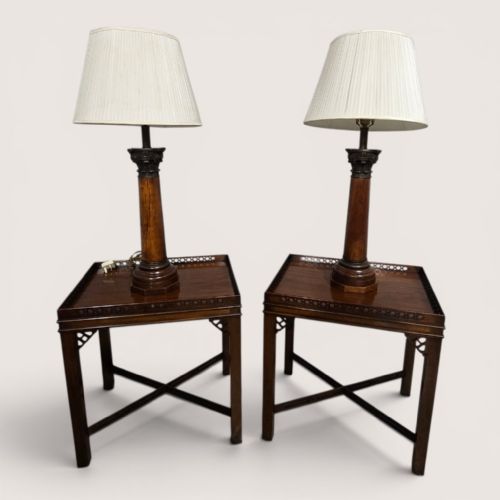
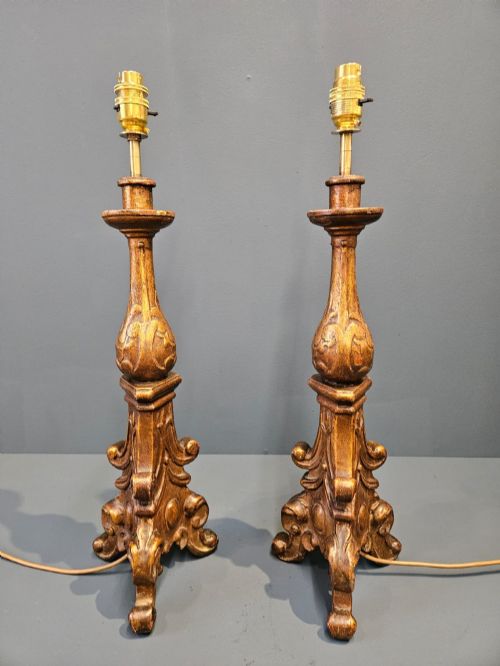
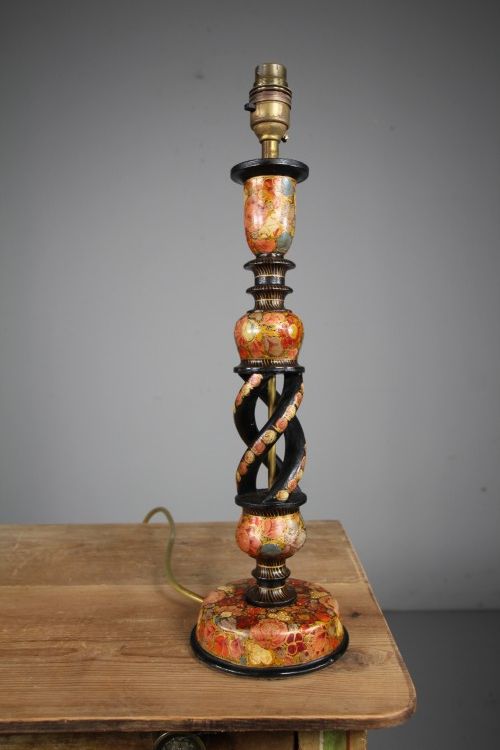
Many examples utilise the Corinthian column form, alongside barley twist columns, plain pillars, and multi-tiered ormolu mounts. Origins stretch from English workshops to French ateliers and Indian craft traditions.
Materials and construction methods
Makers utilised cast and turned metals, particularly brass, bronze, and silver plating, to form the robust structural columns necessary for stability. Ormolu mounts and applied gilt decoration provided contrast and surface enrichment.
The listings show a concentration of brass and bronze columns alongside glass and timber examples spanning the eighteenth to the twentieth century.
Distinctions in quality and execution
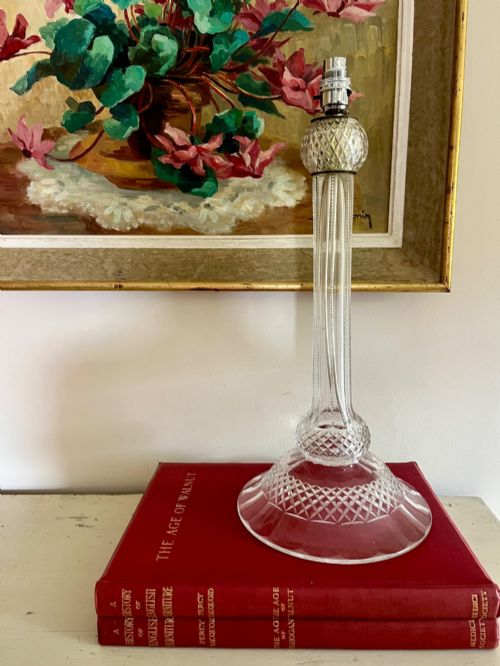
The standard of a tall column table light depends heavily on the crispness of the casting and the precision of the turning. Finely chased capitals on Corinthian columns and deeply cut facets on crystal show superior craftsmanship.
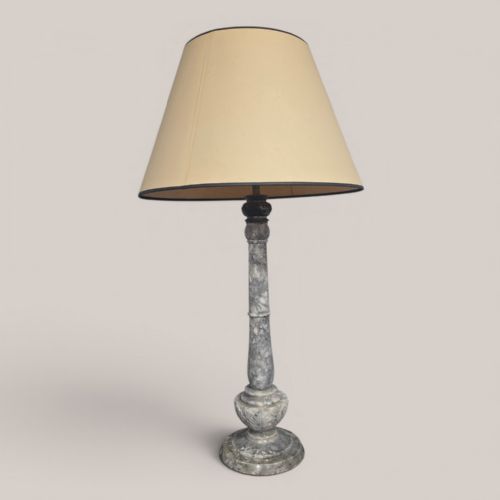
Proportion and weight dictate the physical presence of the piece, with heavier metal or marble bases providing structural balance to elevated heights. Original patination and the integrity of mounted elements further separate standard items from exceptional examples.
The Tall Column Table Light Glossary
- Corinthian column
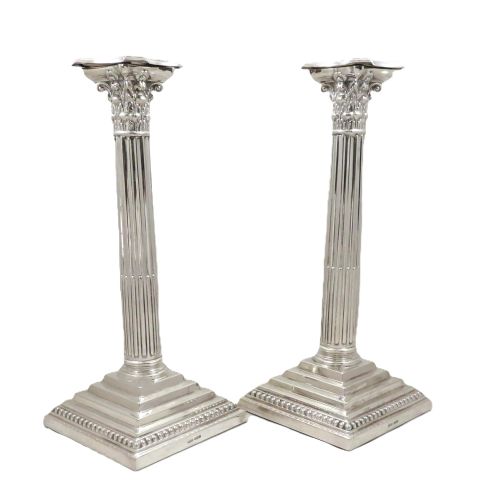
- A classical architectural column order characterised by ornate capitals decorated with acanthus leaves. This motif appears frequently on nineteenth-century and early twentieth-century metal lamps.
- Ormolu
- Gilded bronze, typically mercury-gilded, used extensively in French decorative arts for mounts and decorative accents. It adds warmth and metallic depth to crystal and bronze columns.
- Pricket candlestick
- A candleholder featuring a sharp central spike designed to secure the base of a wax candle rather than a socket. These are frequently adapted into tall table lamps.
- Cranberry glass
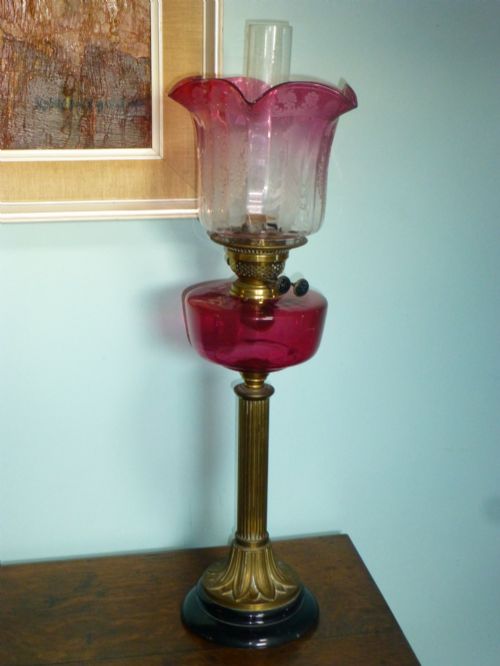
- A rich pinkish-red glass produced by adding gold chloride to the molten batch. It is commonly found in nineteenth-century oil lamp reservoirs.
- Barley twist
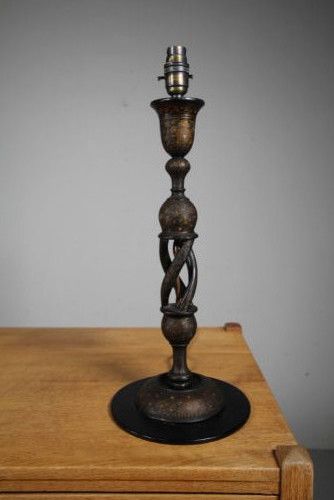
- A turned column design resembling a helical screw or twisted rope. This style provides dynamic movement and texture to wooden and brass lamp shafts.
Tall Column Table Light: Frequently Asked Questions
What is a tall column table light?
A tall column table light is an elevated vertical lamp designed to sit on a piece of furniture while providing extended reach and illumination. These objects often adapt historical forms such as architectural columns, oil lamps, and church candlesticks.
They combine decorative presence with functional lighting, utilising materials like brass, crystal, bronze, and timber to anchor a room's interior scheme.
How do I date a brass column lamp?
Dating a brass column lamp involves examining the manufacturing techniques, mounting styles, and wear patterns visible on the metal surface. Earlier nineteenth-century examples often feature heavy sand-cast components and hand-finished detailing.
Twentieth-century pieces frequently display more uniform machine turning and modern electrical adaptations. Comparing the column style to established architectural periods helps narrow down the decade of production.
Were these always electric lamps?
Most antique tall column lights began life as oil-burning lamps, wax candle holders, or structural candlesticks before later conversion to electricity. This adaptation process preserves the original decorative column while incorporating modern wiring.
Converted oil lamps retain their glass reservoirs or burners, whereas candlestick conversions utilise the original socket or pricket top to support a bulb fitting.
How do I style a tall lamp in a room?
A tall column table light works best on substantial pieces of furniture such as sideboards, heavy desks, or large console tables where height creates balance. Placing them in corners or on low-profile surfaces allows the vertical proportions to stand out.
Pairing matching columns adds symmetry to mantelpieces or side tables, while single sculptural examples serve as focal points on larger tabletops.